
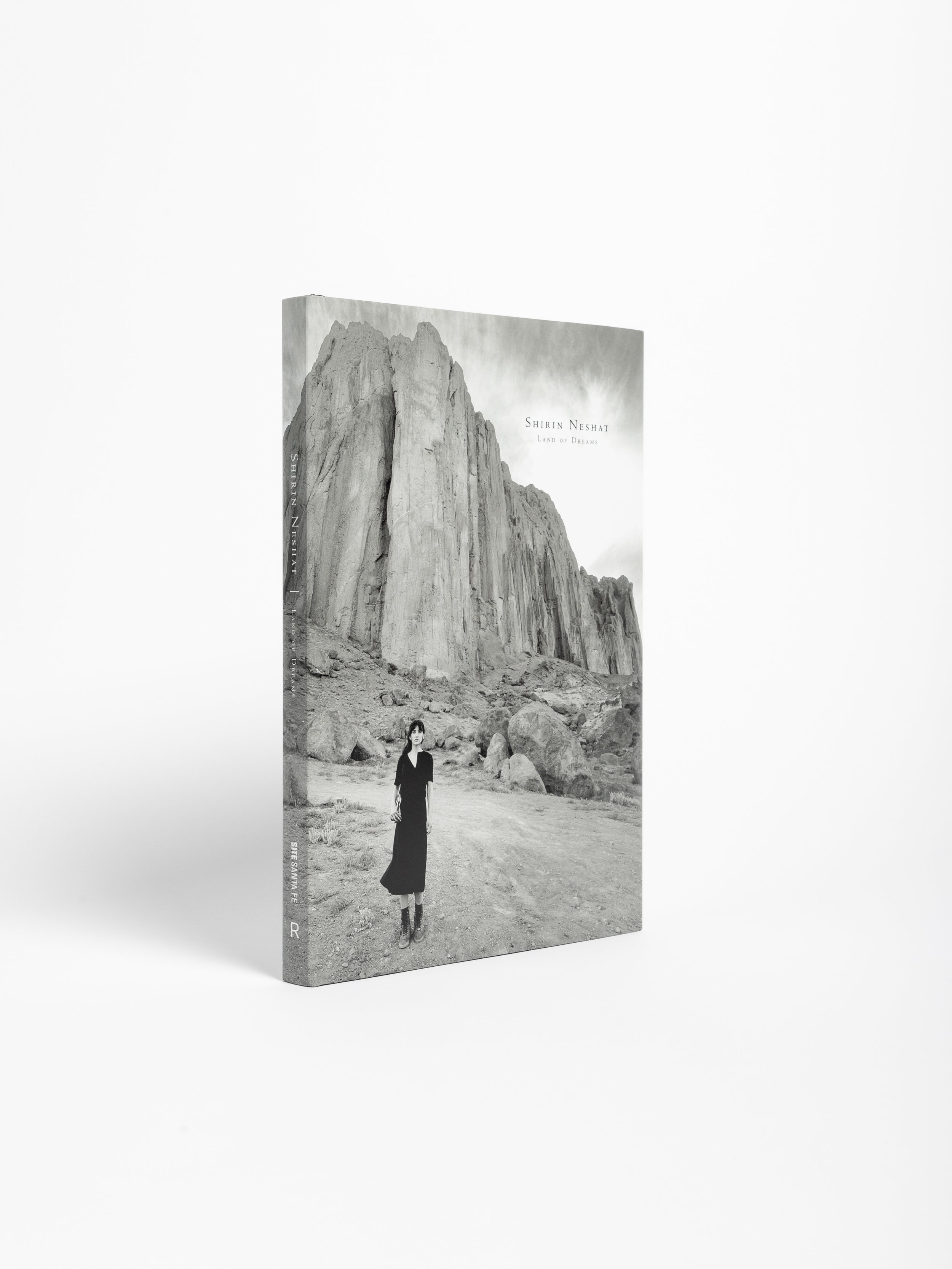
 Image 1 of 9
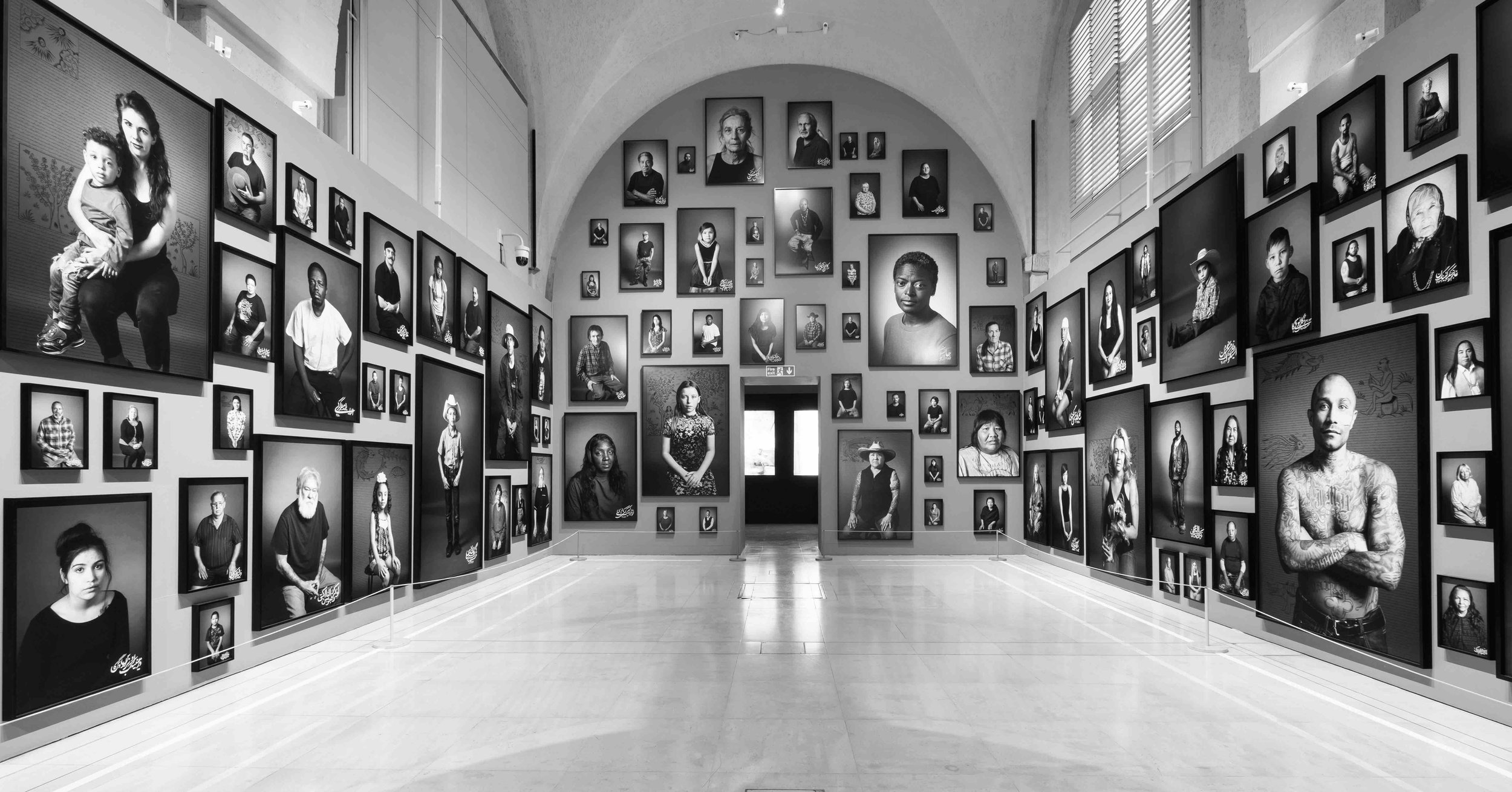 Image 2 of 9
 Image 3 of 9
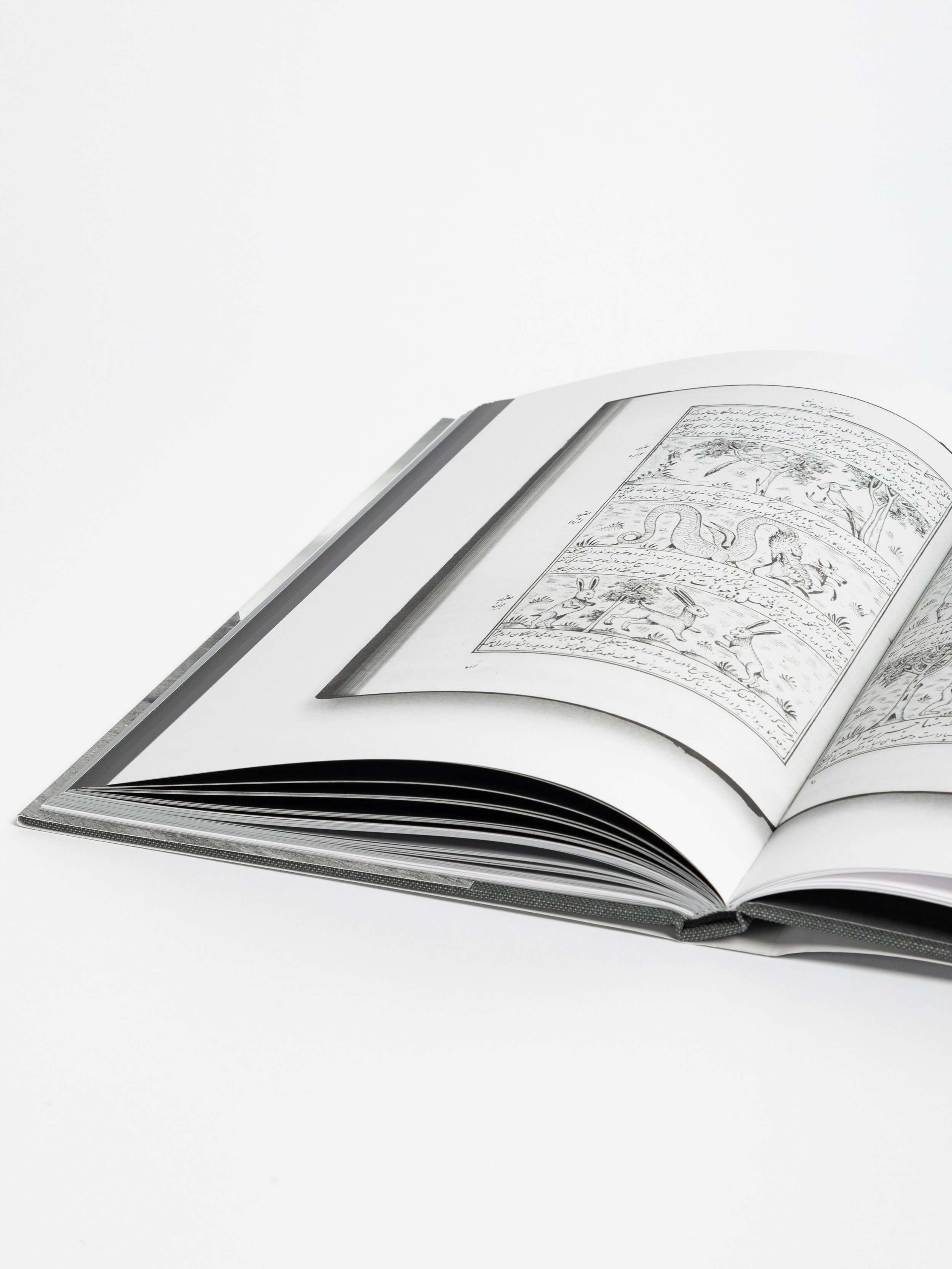 Image 4 of 9
 Image 5 of 9
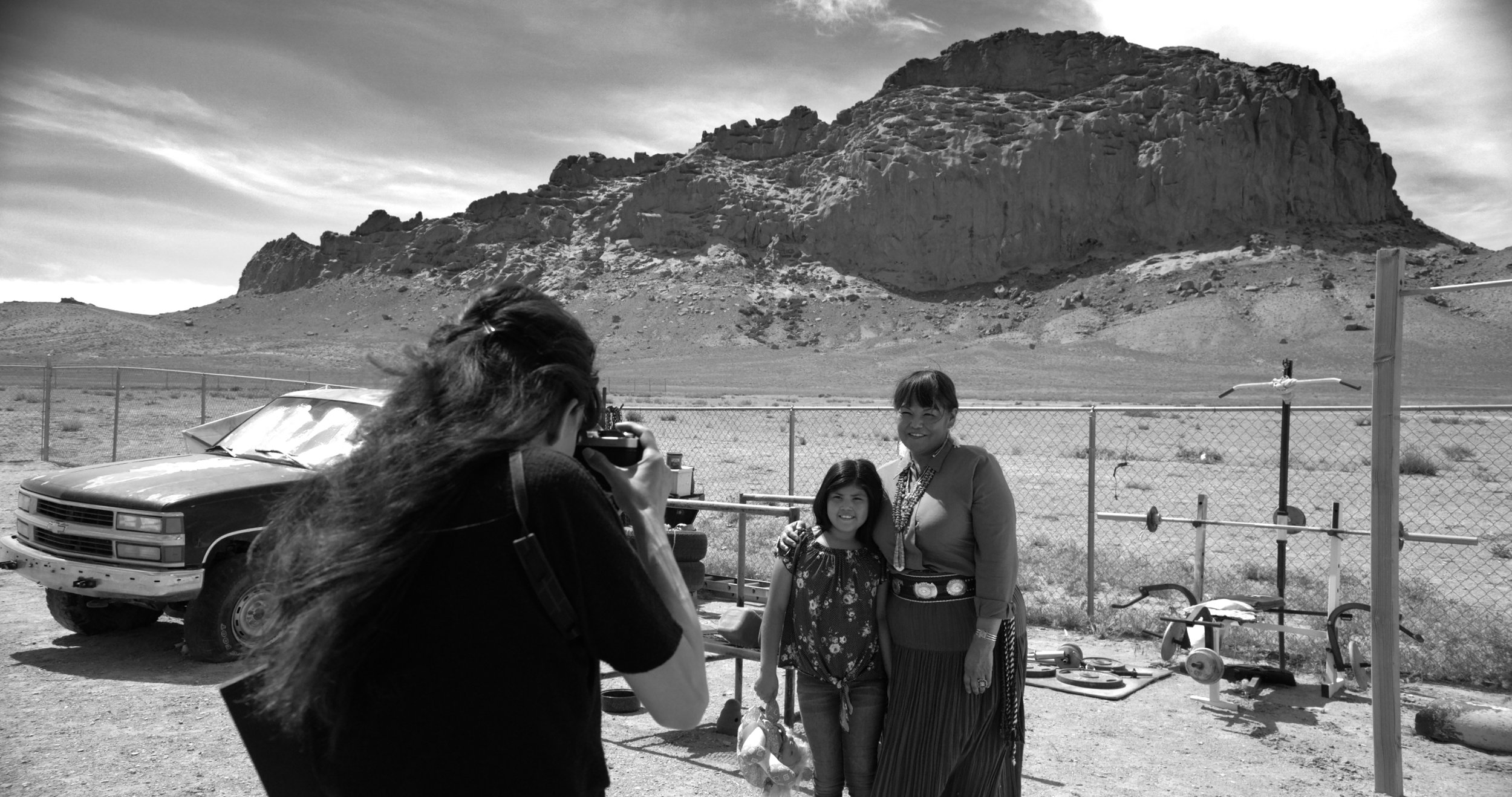 Image 6 of 9
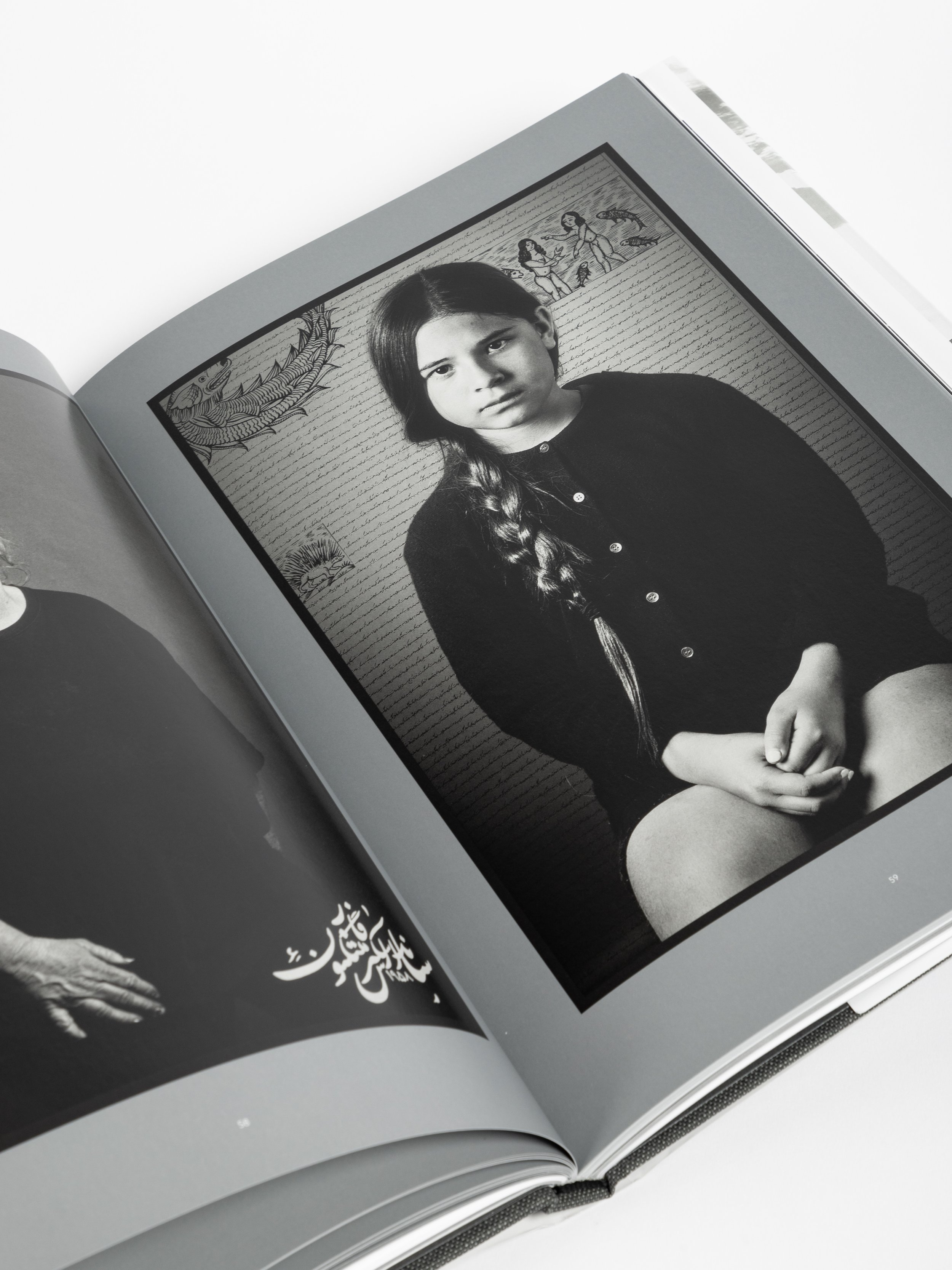 Image 7 of 9
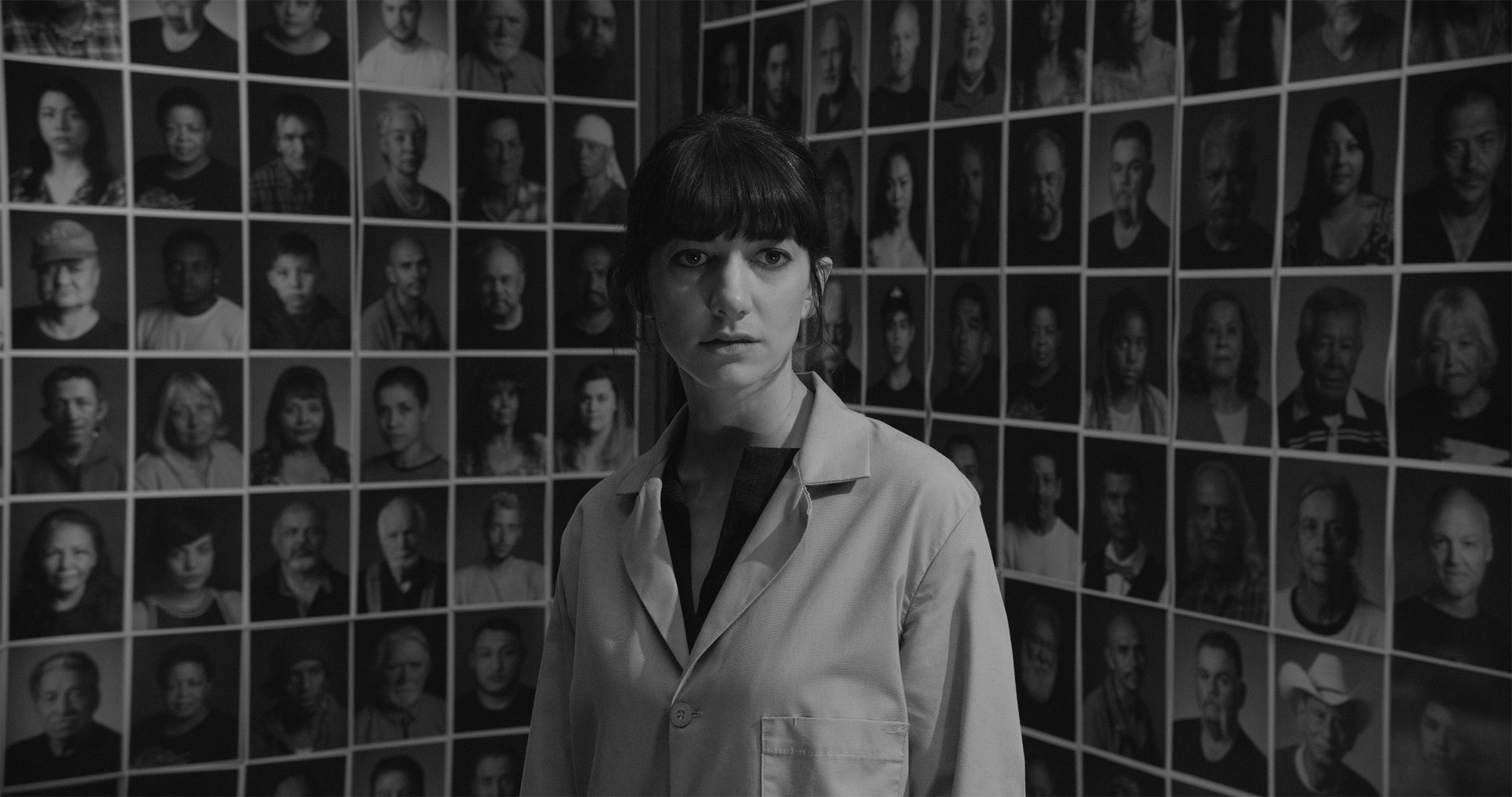 Image 8 of 9
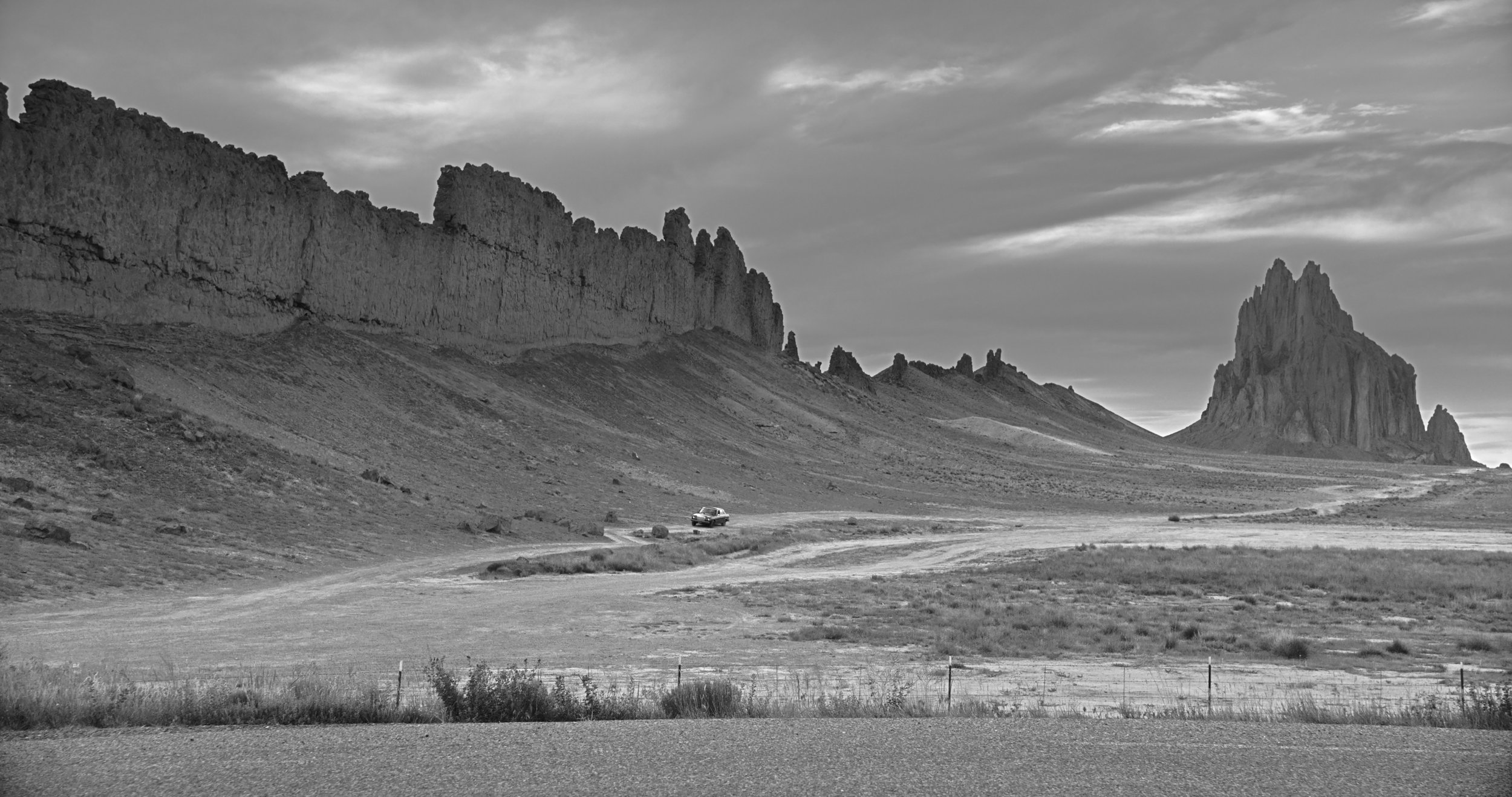 Image 9 of 9
YOU MAY ALSO LIKE
-
Photographs, film and video stills by Shirin Neshat
Introduction by Brandee Caoba
Essay by Lucy LippardHardcover
8.5 x 12.5 inches
156 pages / 77 images
ISBN: 9781955161091Co-published with SITE Santa Fe
-
Shirin Neshat (b. 1957) is an Iranian-born artist and filmmaker living in New York. Neshat has held numerous solo exhibitions at museums internationally including the Pinakothek der Moderne, Munich; Modern Art Museum of Fort Worth; The Broad, Los Angeles; Museo Correr, Venice, Italy, Hirshhorn Museum, and the Detroit Institute of Arts. Neshat has directed three feature-length films, Women Without Men (2009), which received the Silver Lion Award for Best Director at the 66th Venice International Film Festival, Looking For Oum Kulthum (2017), and most recently Land of Dreams, which premiered at the Venice Film Festival (2021). Neshat was awarded the Golden Lion Award, the First International Prize at the 48th Biennale di Venezia (1999), and the Praemium Imperiale award for Painting in (2017). She is represented by Gladstone Gallery in New York and Goodman Gallery in London.
Drink wine and look at the moon and think of all
the civilizations the moon has seen passing by…
— Omar Khayyam, 11th-century mathematician and poet
Thirty-Six Views of the Moon is a meditative collection of nighttime exposures. For this project, Ebtekar found and tore out pages from volumes spanning the last thousand years—ranging from poetry and science fiction to religious texts and philosophy—that reference the moon and night sky. He then worked with a photographic glass plate negative of the moon from the Lick Observatory archives in Northern California, treating each book page with Potassium ferricyanide and Ammonium ferric citrate to make their surfaces light-sensitive. Finally, Ebtekar would leave the sheets outside from dusk until dawn, using the UV-light emitted by the moon to create a contact cyanotype print layered with the cosmological texts on the found book pages.
In addition to the thirty-six cyanotypes, this volume features essays by Kim Beil, Alexander Nemerov, and Ladan Akbarnia, as well as an annotated index for this selection of images and a comprehensive bibliography of sources Ebtekar has used throughout the various iterations of this project.