Image 1 of 9
Image 2 of 9
Image 3 of 9
Image 4 of 9
Image 5 of 9
Image 6 of 9
Image 7 of 9
Image 8 of 9
Image 9 of 9
FIVE: Trade Edition
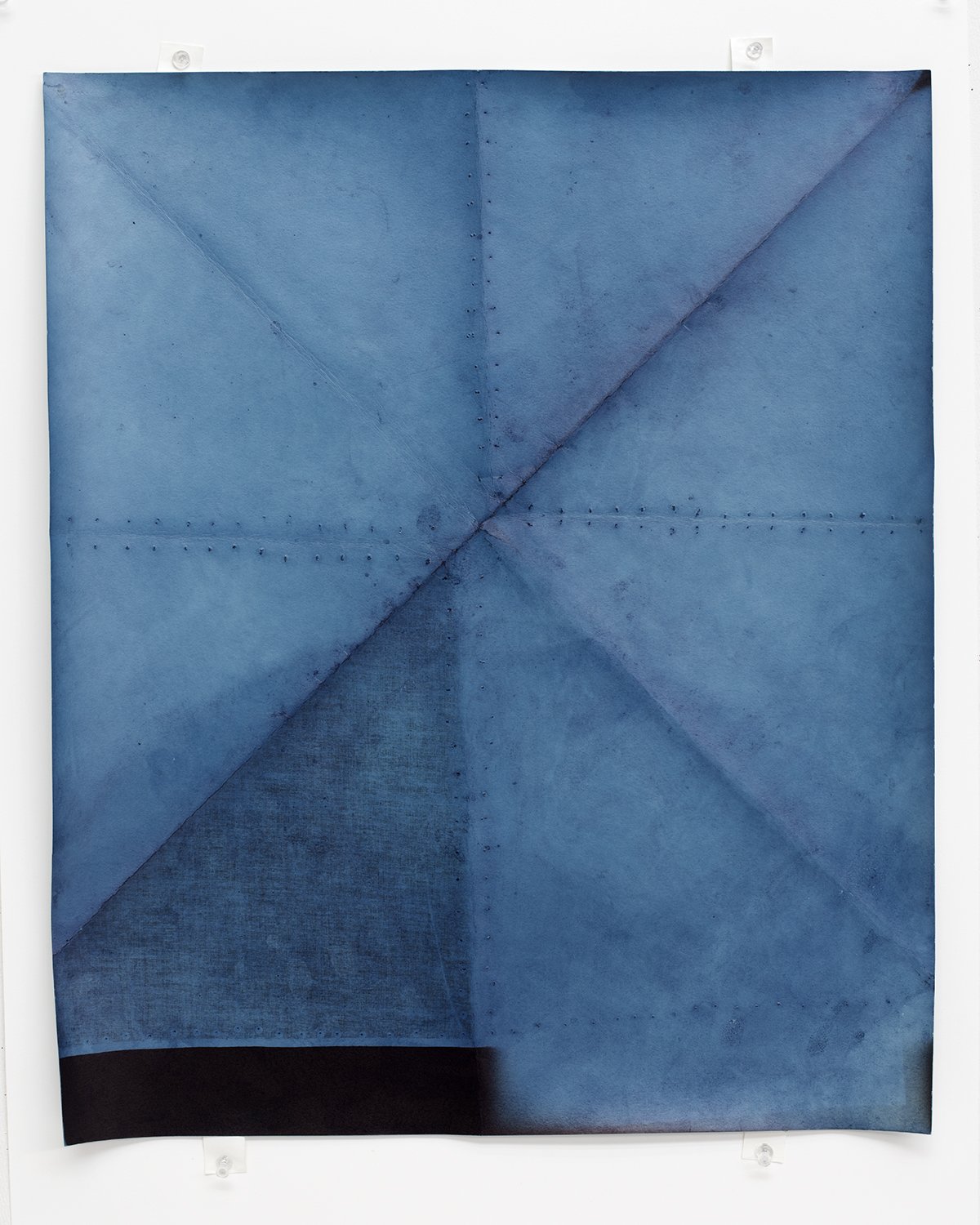
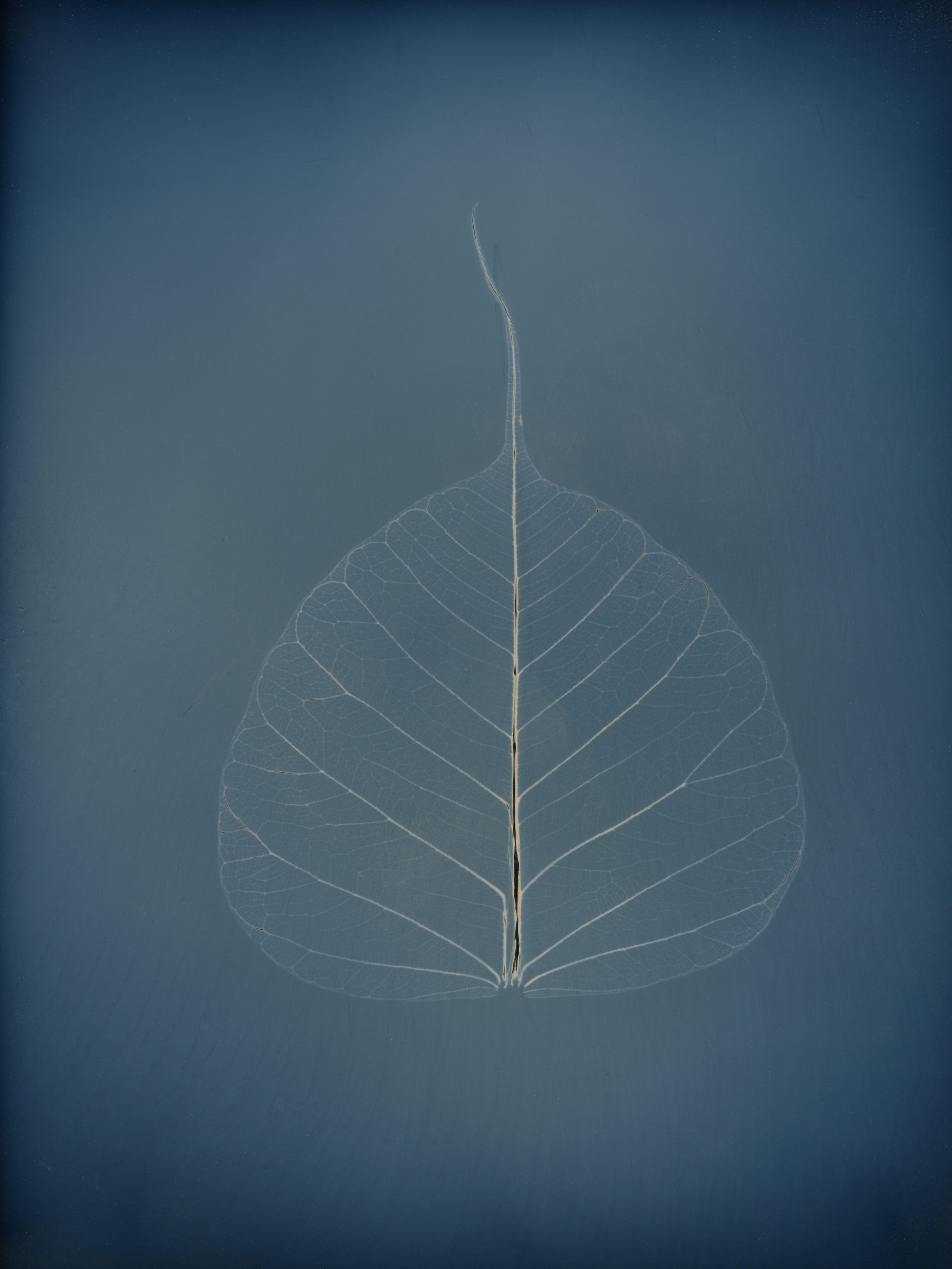
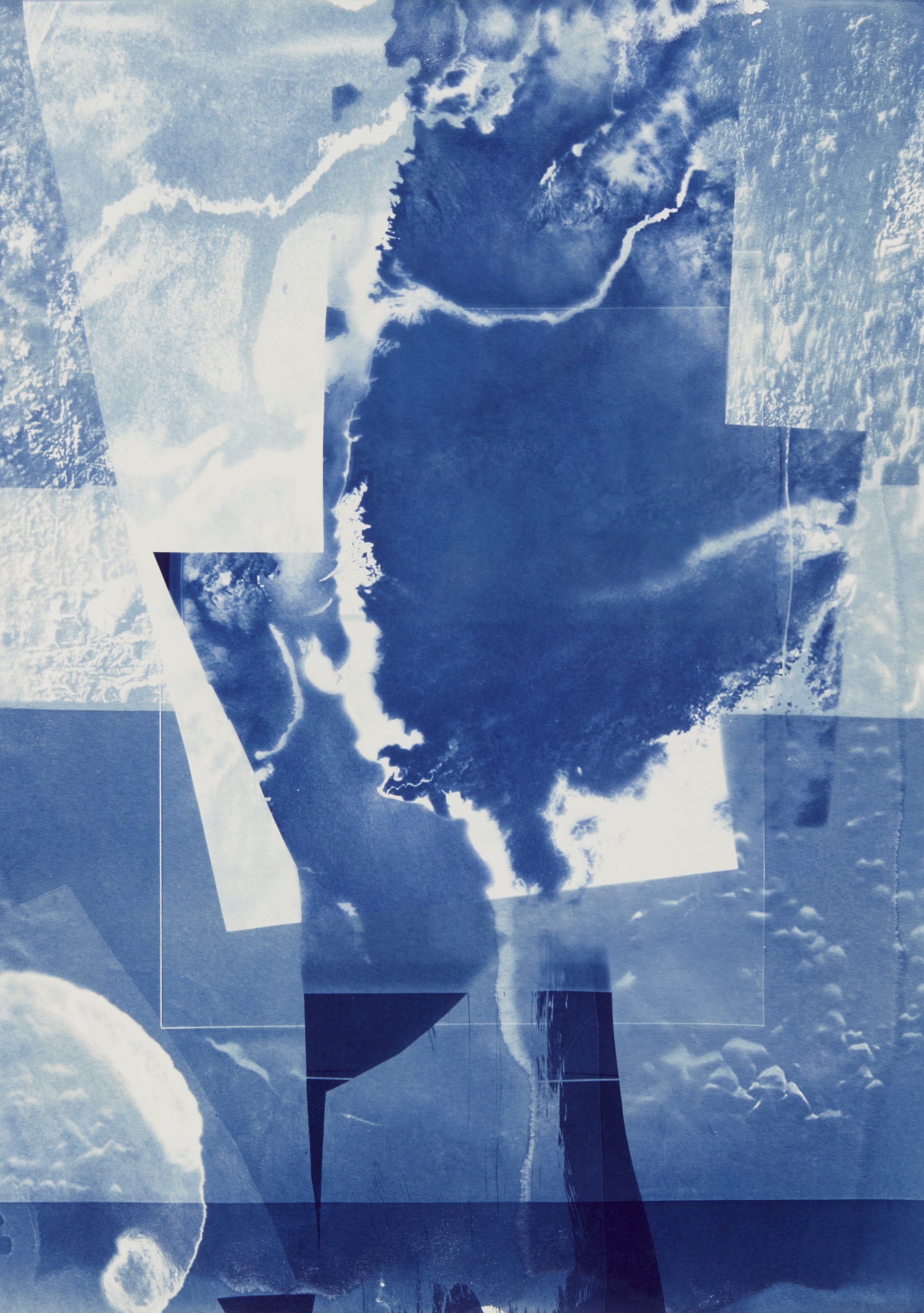
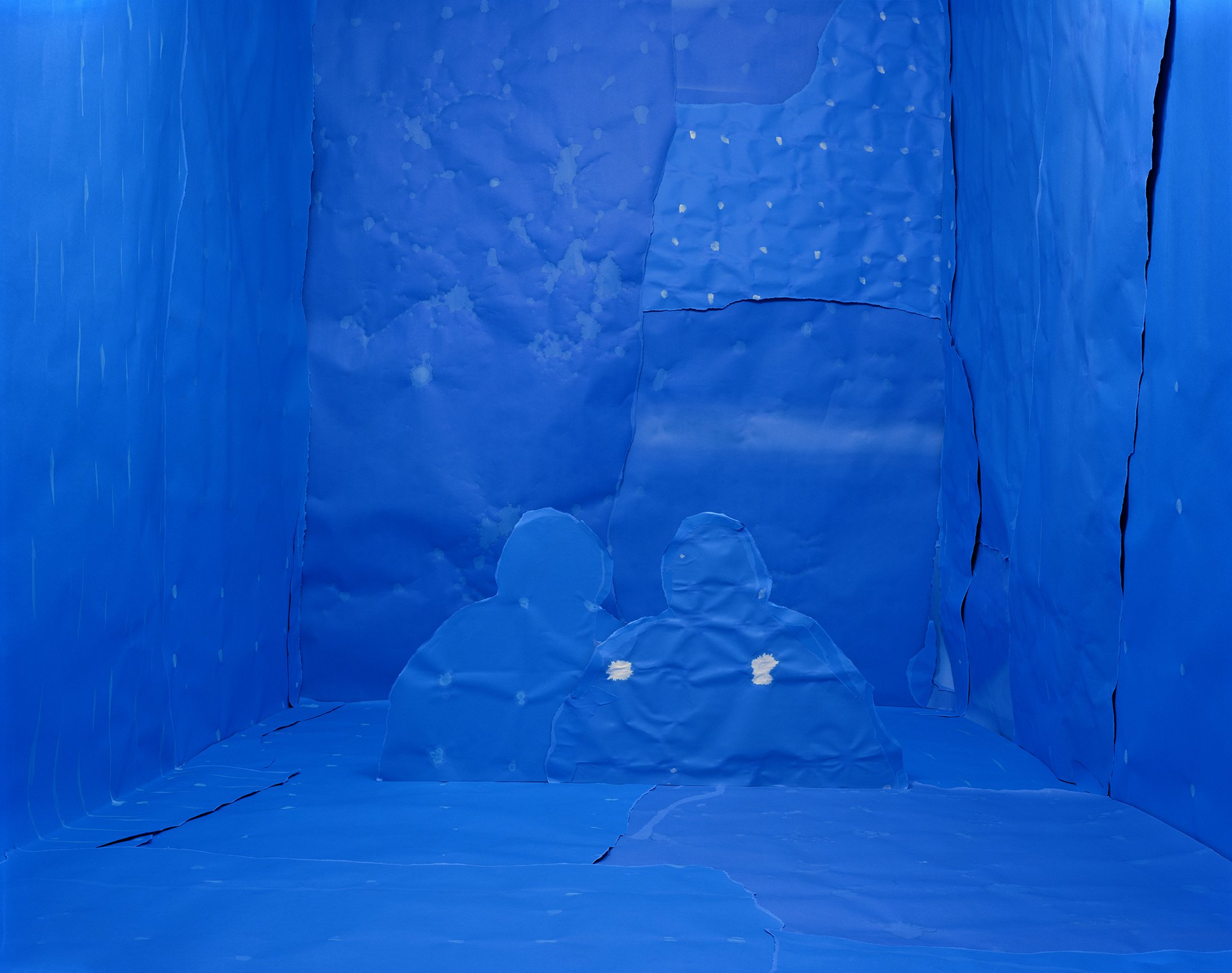
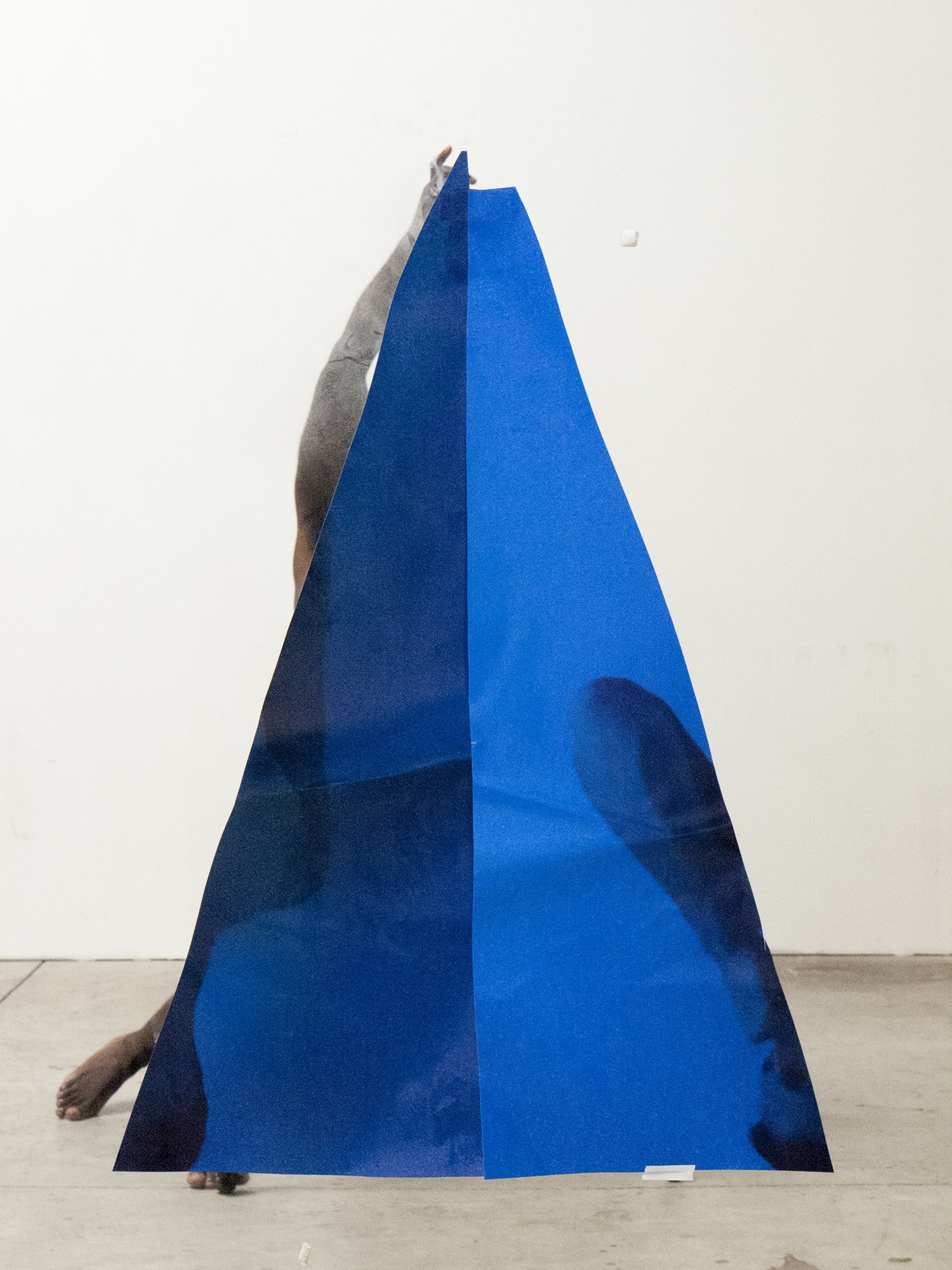
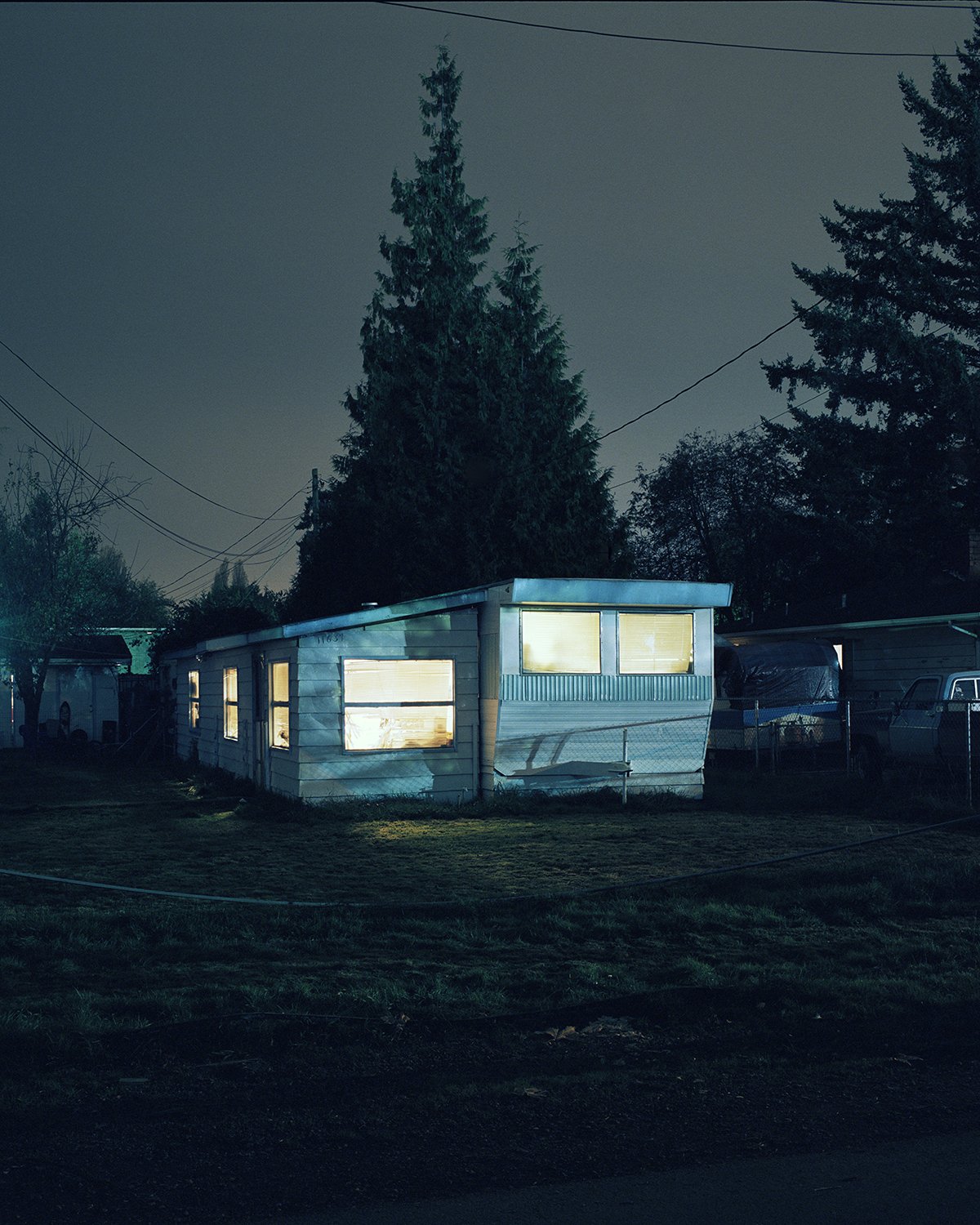
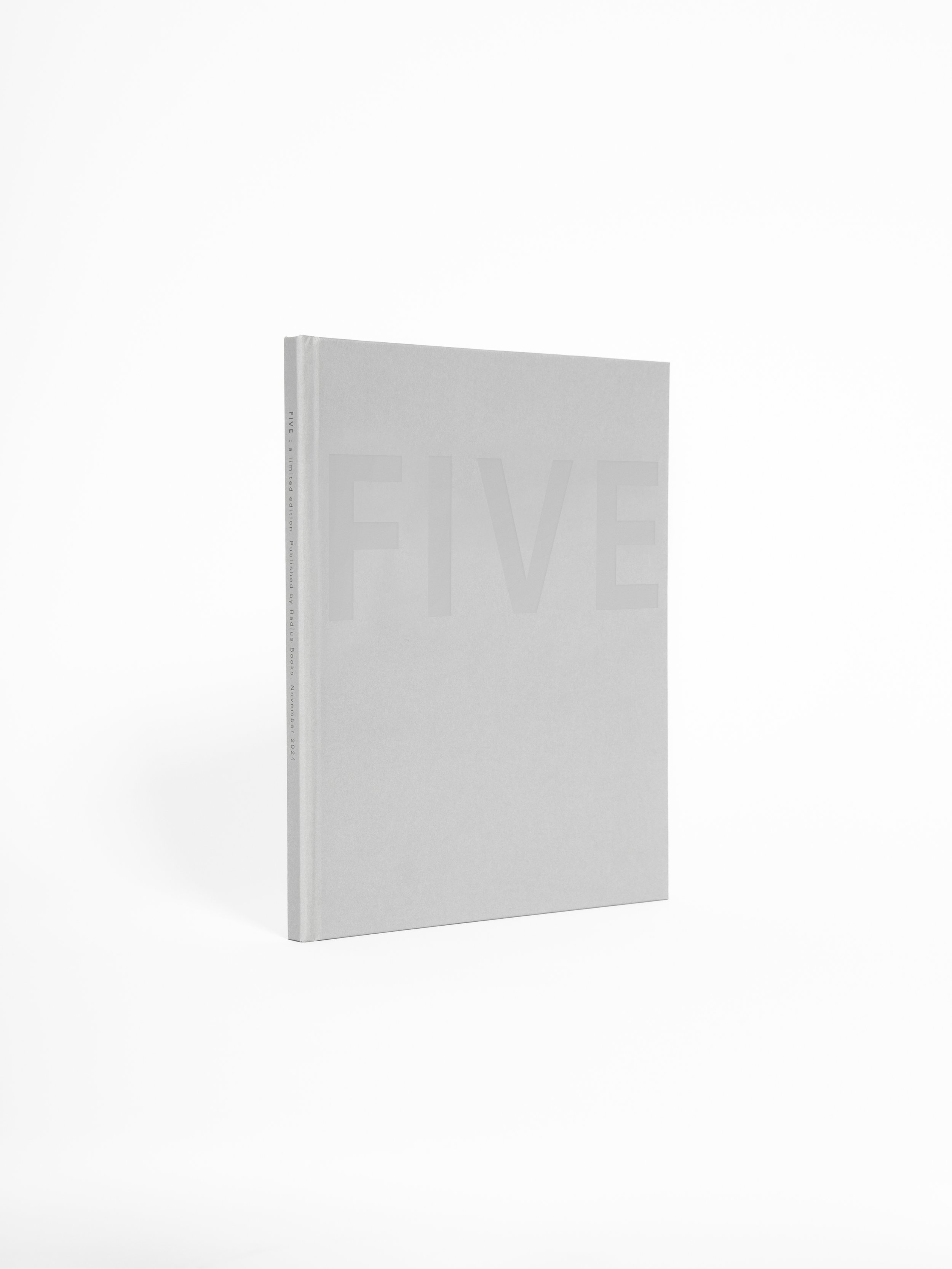
The follow-up to our (sold-out) limited edition of FIVE that includes photographic prints tipped in by hand, this offset-printed trade edition brings together the same eight images and companion commissioned texts, all inspired by the following quote:
If a beautiful memory could have a color, that color would be blue.
— Felix Gonzalez-Torres
Artwork by Aspen Mays, Barbara Bosworth, Binh Danh, Dakota Mace, Erin Shirreff, Gina Osterloh, Paul Mpagi Sepuya, and Todd Hido
Text by Brandon Shimoda, Cedar Sigo, David Scott Kastan, Lydia Millet, Rosa Alcalá, Victoria Chang, Yesenia Montilla, and Yvonne Tiger
All proceeds directly support the Radius Books Donation Program and additional educational programming.
View the sold-out limited edition here.
The follow-up to our (sold-out) limited edition of FIVE that includes photographic prints tipped in by hand, this offset-printed trade edition brings together the same eight images and companion commissioned texts, all inspired by the following quote:
If a beautiful memory could have a color, that color would be blue.
— Felix Gonzalez-Torres
Artwork by Aspen Mays, Barbara Bosworth, Binh Danh, Dakota Mace, Erin Shirreff, Gina Osterloh, Paul Mpagi Sepuya, and Todd Hido
Text by Brandon Shimoda, Cedar Sigo, David Scott Kastan, Lydia Millet, Rosa Alcalá, Victoria Chang, Yesenia Montilla, and Yvonne Tiger
All proceeds directly support the Radius Books Donation Program and additional educational programming.
View the sold-out limited edition here.
YOU MAY ALSO LIKE
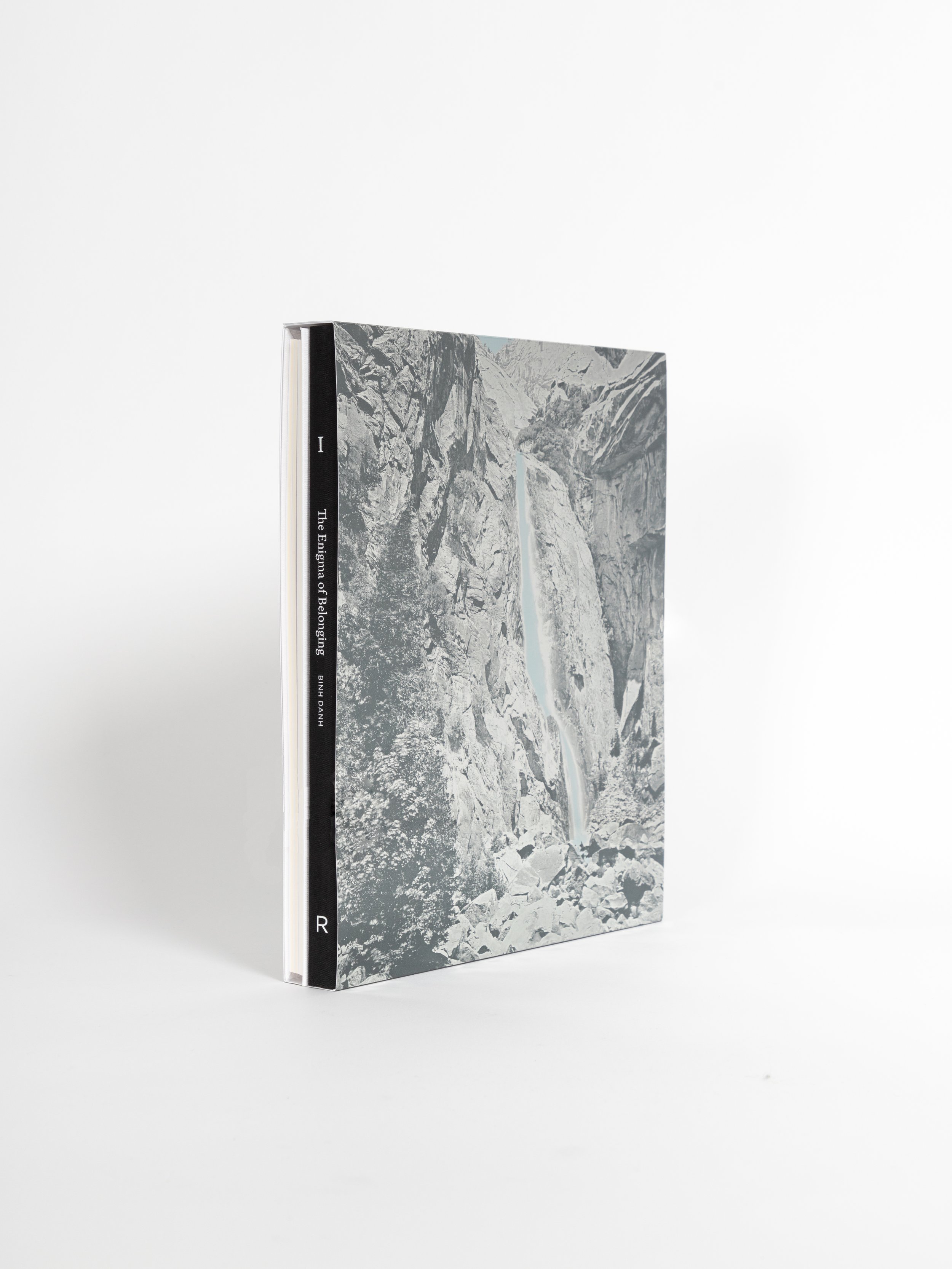
Binh Danh was born in Vietnam and immigrated to the US in 1979. Early in his career, Danh pioneered a technique of printing images directly onto plant matter, activating the plants’ chlorophyll with sunlight. Using this process, Danh printed images associated with the war in Vietnam onto the leaves of tropical plants and grasses. Of this work, Danh explains, “This process deals with the idea of elemental transmigration: the decomposition and composition of matter into other forms. The images of war are part of the leaves, and live inside and outside of them.”
Known for his innovative approach to alternative photographic processes, Binh Danh extends and reconsiders the pursuit of pioneering nineteenth-century photographers. For almost a decade, Danh has traveled across the American West, making daguerreotypes of scenic vistas on silver plates in a mobile darkroom he calls Louis, after Louis Daguerre. Danh imbues this scenery with his distinctly personal perspective—namely, an attempt to negotiate his connection as a Vietnamese American with the landscape and history of the United States. The highly reflective surfaces of Danh’s daguerreotypes literally mirror their surroundings, embracing viewers within the idyllic environs of national sites and landmarks. This inaugural monograph features two volumes in a slipcase, bringing together all three bodies of work and a separate book of essays and memorabilia that serves to contextualize Danh's work.
Each of her hour-long exposures transport me to the time and place when I saw that hot white streak burn across the sky, or admired the filtered light of the moon through silhouetted forest, or felt a crushing smallness while gazing at some far away galaxy.
— Julia Bennett, Lenscratch
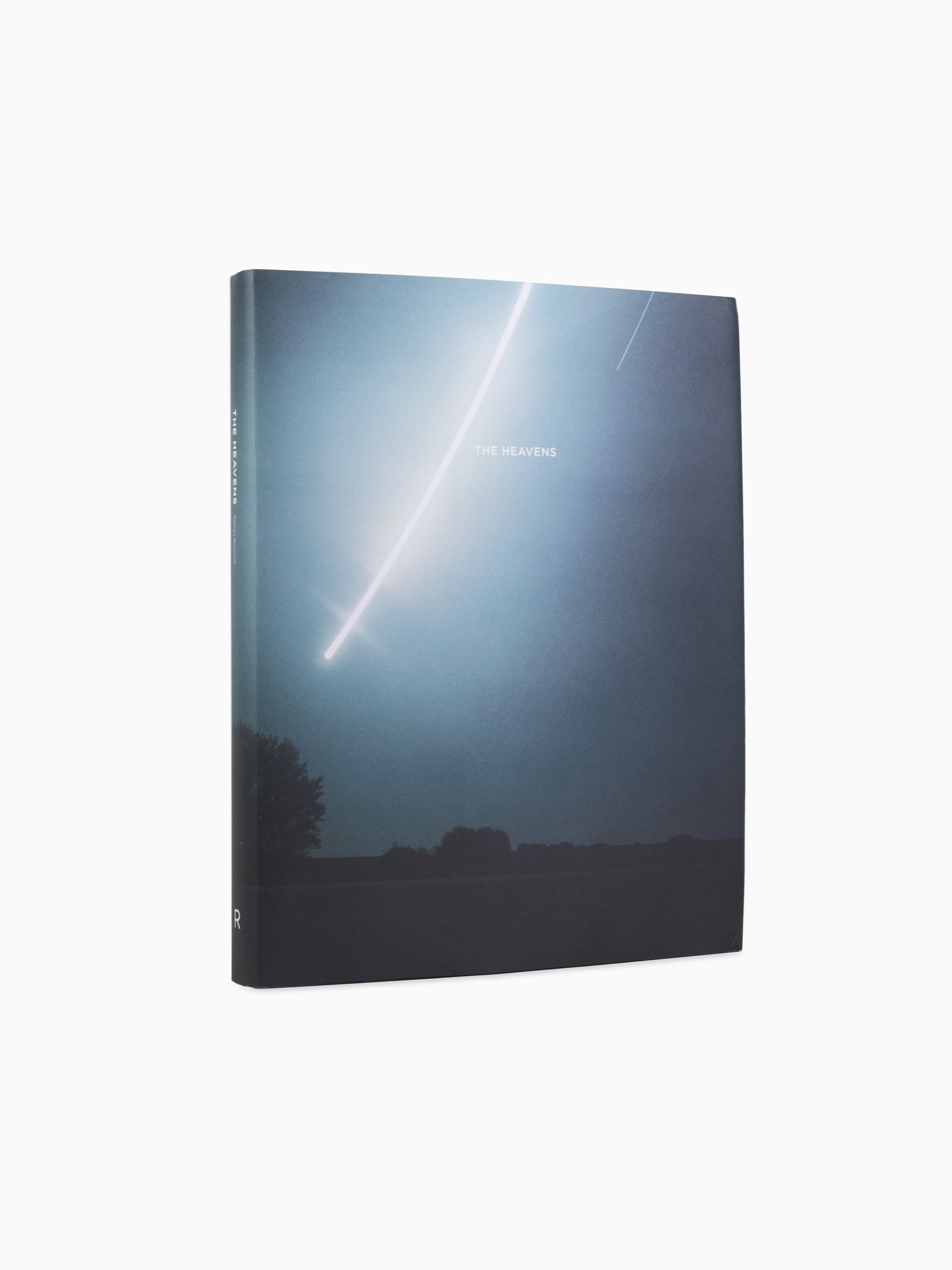
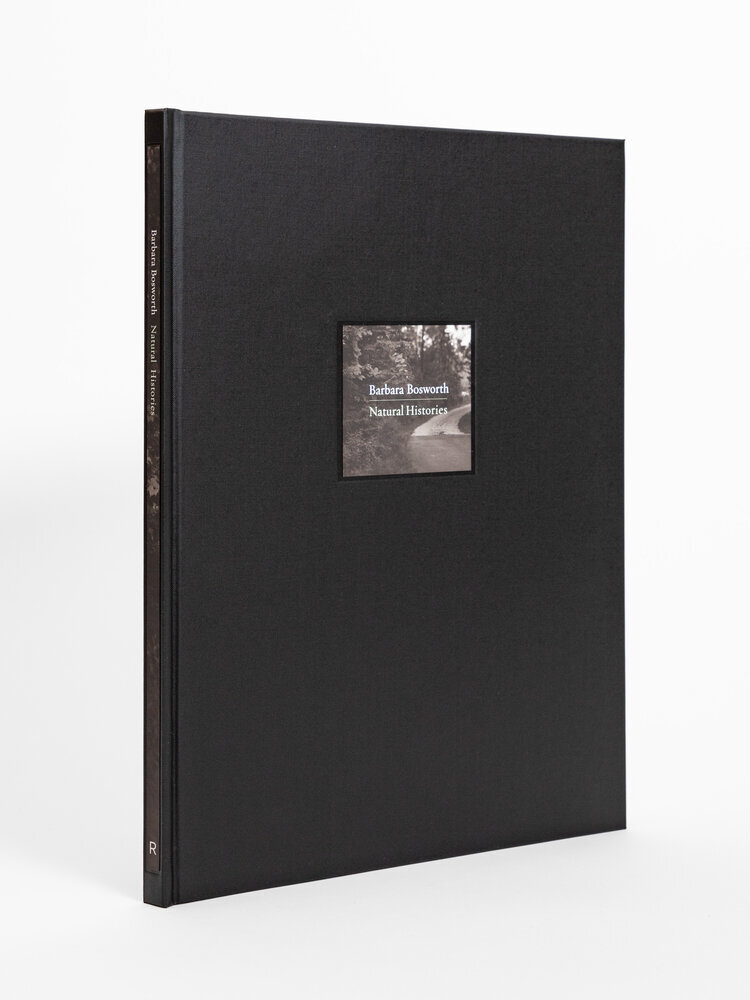
Made over the past several years with an 8 × 10-inch field camera, Barbara Bosworth’s photographs of stars are hour-long exposures with the camera mounted on a clock drive. Her sun and moon images are made with a telescope attached to her camera.
Speaking of her inspiration for these images, Bosworth writes: “Every clear night of the summer my father would go out for a walk to look at the night sky. Many nights I would join him. We knew the North Star, and the Big Bear, but the rest became our own. At times we stood still for an hour or more to watch for shooting stars. We had no agenda. It was all about amazement at a sky full of stars. With this sense of wonder, I began making photographs of the Heavens. In these days of the Hubble Telescope and its spectacular imagery from deep space, I wanted a reminder of the mystery of our own night sky.”
The book also includes facsimile editions of three artist’s books that Bosworth has made as a nod to Galileo’s seventeenth-century publications in which he first observed the skies through a telescope.
Limited edition of this book available is sold out.
”Our explorations were slow and quiet meanders, as my father proclaimed the joys of looking at the natural world we passed through. On these walks I learned to love being in nature.”
— Barbara Bosworth
Photographs by Barbara Bosworth
Hardcover with tip-inn image
11.5 x 14.25 inches
120 pages / 33 duotone and 15 color images
ISBN: 9781934435601
-
Hardcover
12.5 x 10.5 inches
64 pages / 9 images
ISBN: 9798890181091
Drink wine and look at the moon and think of all
the civilizations the moon has seen passing by…
— Omar Khayyam, 11th-century mathematician and poet
Thirty-Six Views of the Moon is a meditative collection of nighttime exposures. For this project, Ebtekar found and tore out pages from volumes spanning the last thousand years—ranging from poetry and science fiction to religious texts and philosophy—that reference the moon and night sky. He then worked with a photographic glass plate negative of the moon from the Lick Observatory archives in Northern California, treating each book page with Potassium ferricyanide and Ammonium ferric citrate to make their surfaces light-sensitive. Finally, Ebtekar would leave the sheets outside from dusk until dawn, using the UV-light emitted by the moon to create a contact cyanotype print layered with the cosmological texts on the found book pages.
In addition to the thirty-six cyanotypes, this volume features essays by Kim Beil, Alexander Nemerov, and Ladan Akbarnia, as well as an annotated index for this selection of images and a comprehensive bibliography of sources Ebtekar has used throughout the various iterations of this project.