
 Image 1 of 8
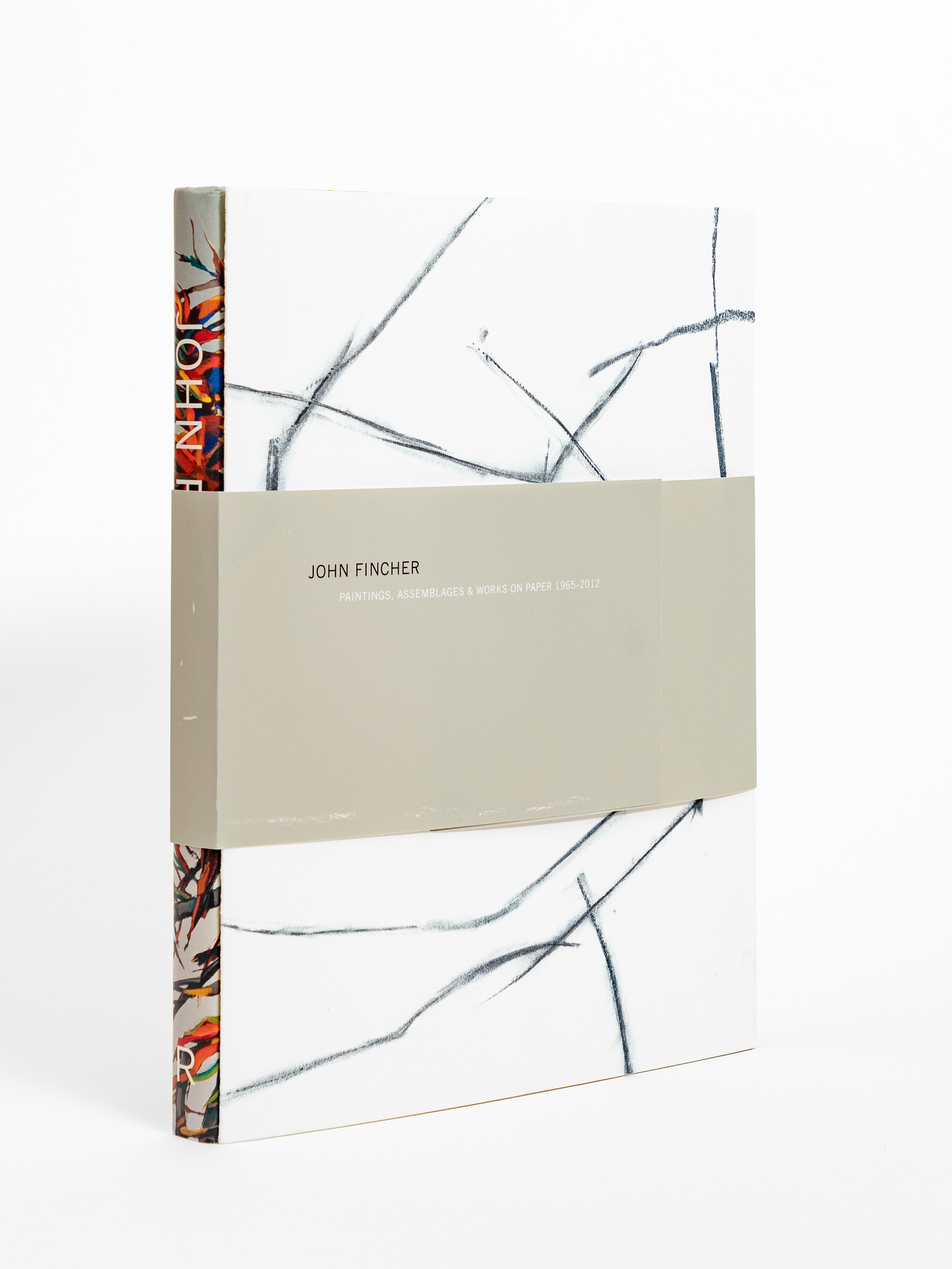 Image 2 of 8
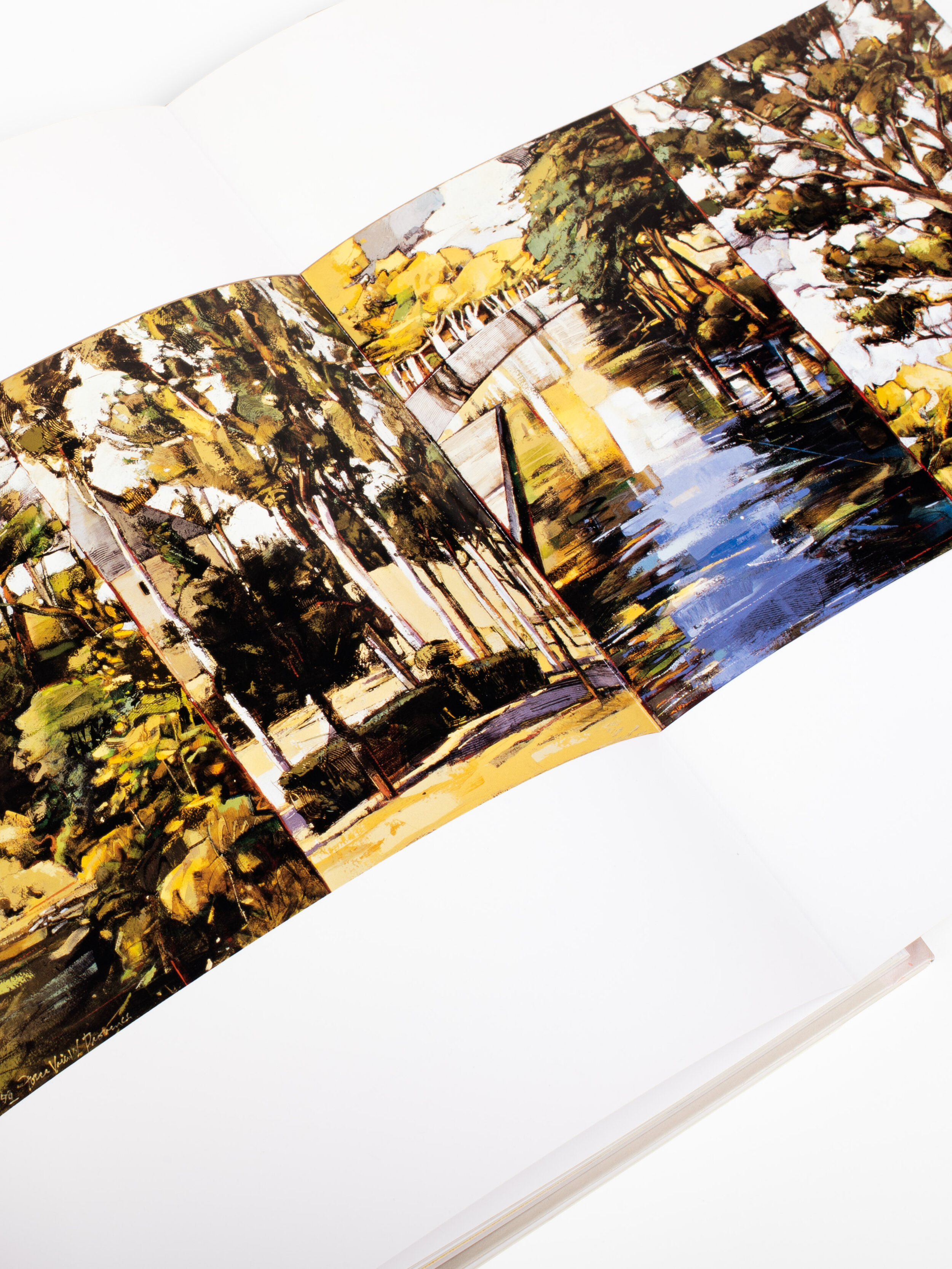 Image 3 of 8
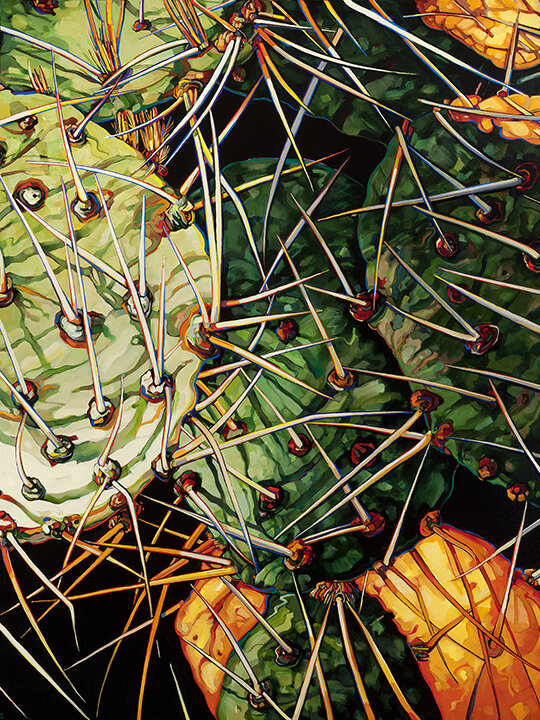 Image 4 of 8
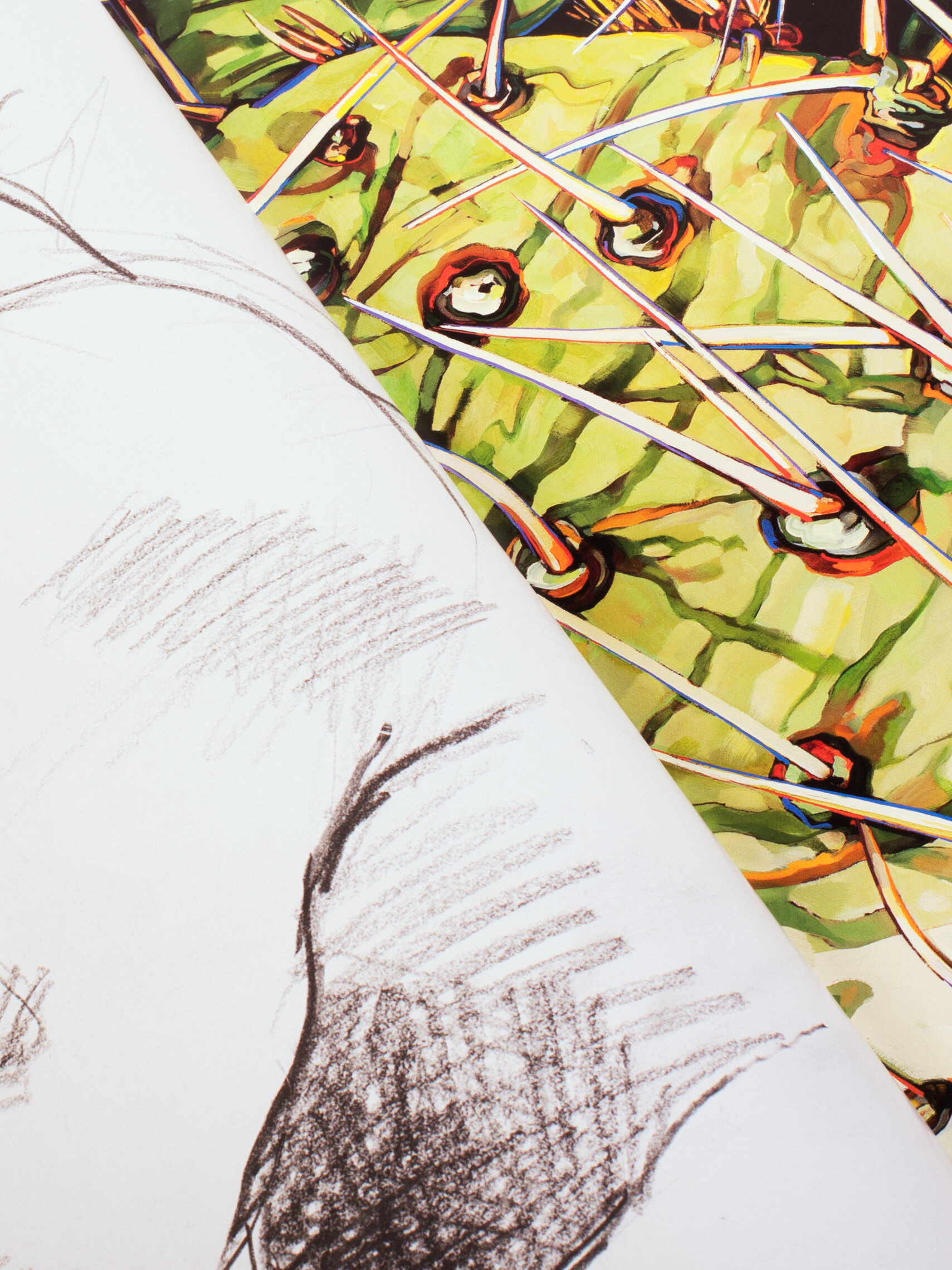 Image 5 of 8
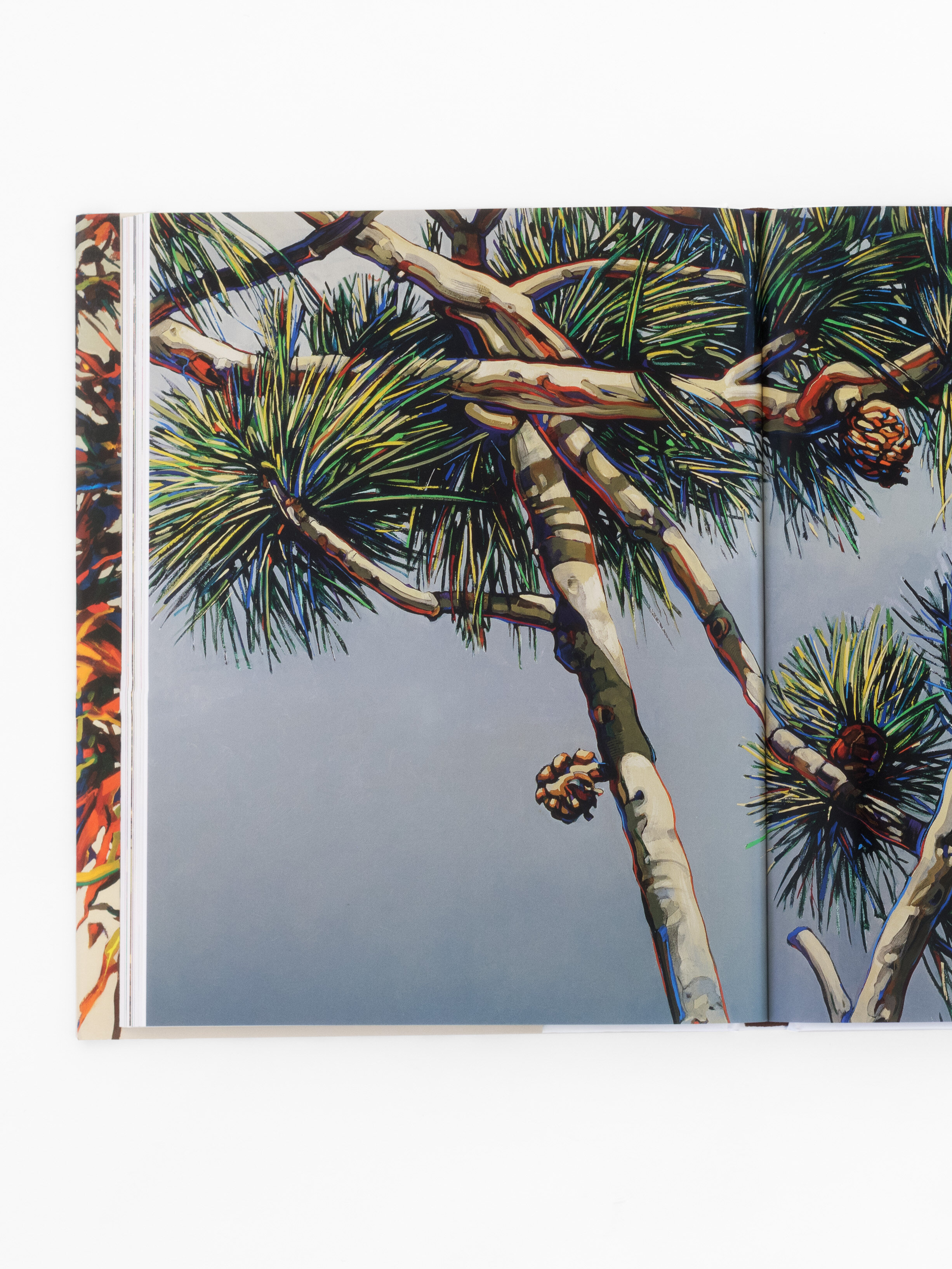 Image 6 of 8
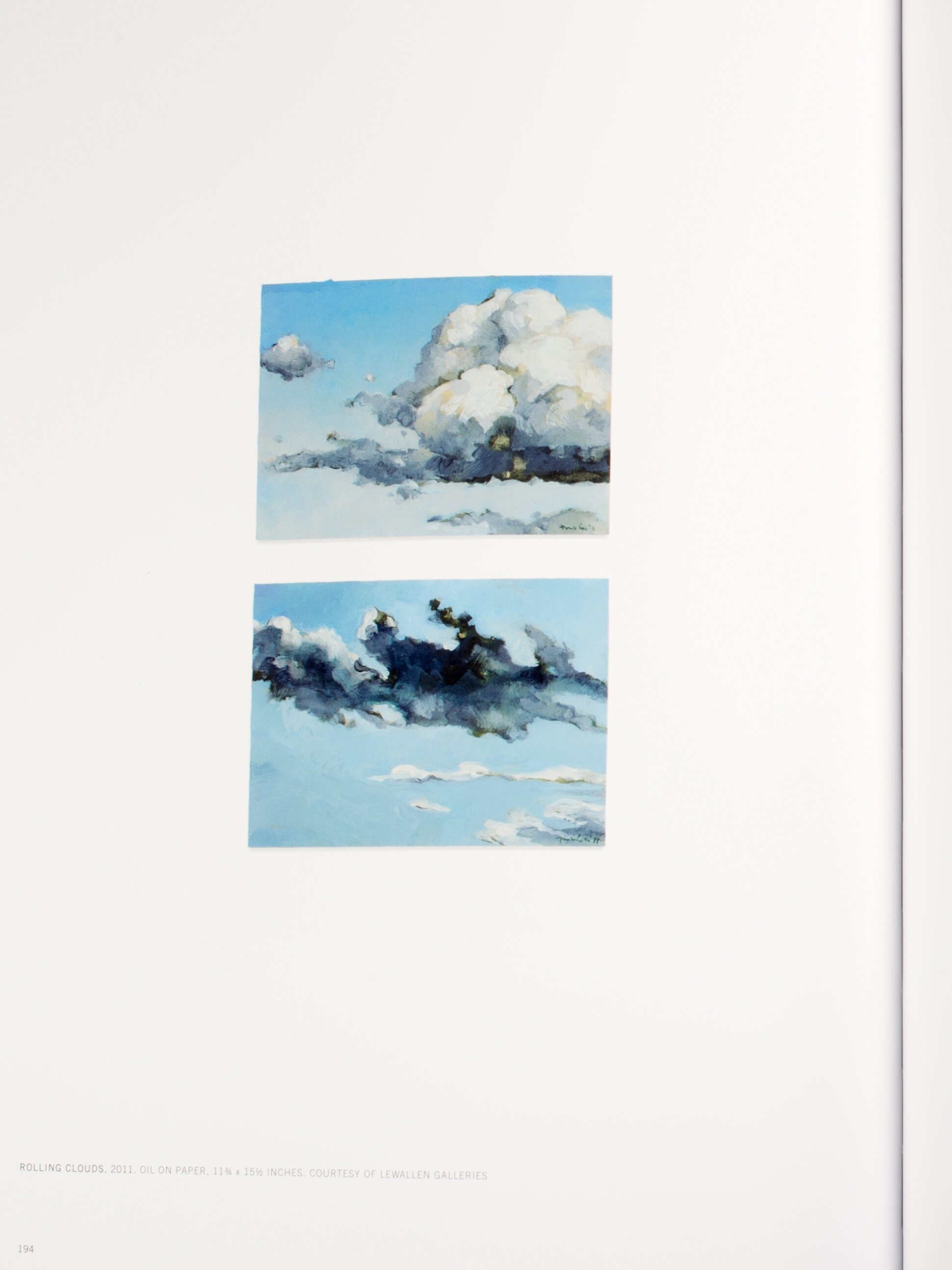 Image 7 of 8
 Image 8 of 8
YOU MAY ALSO LIKE

-
JOHN FINCHER has created art that celebrates what the artist terms modestly “the trappings of the American West.” These “trappings” encapsulate references that are both familiar and totemic of the Great American Frontier and its mythic role as a reservoir of pride, strength, individualism and renewal.
Fincher’s art explores diverse art historical and personal references to offer new understandings of America’s natural and cultural landscapes. His images of towering poplars, pine limbs set against crystalline skies, richly hued desert hillsides, the array of colors within canopies of aspens turning, and aggressively cropped prickly pears unravel the manifold cultural meanings inscribed within representations of the mythic American West. Elsewhere, as in an enigmatic painting of a lone padlock and a suite of serially repeated images of shaving brushes, the artist transmutes commonplace objects into powerful expressions that compound the equivocal with the intensely diaristic.
With essays by James Moore, William Peterson and Mila Pajes Merriman, as well as an extensive interview with the artist, this is the first comprehensive volume dedicated to John Fincher’s forty-year career.
-
For more than 40 years, John Fincher created art that celebrates what the artist termed modestly "the trappings of the American West."
These "trappings" encapsulate references that are both familiar and totemic of the Great American Frontier and its mythic role as a reservoir of pride, strength, individualism, and renewal. Distinguished by a singular blend of sensuality and authentic realism, his art explores diverse art historical and personal references to offer new understandings of America's natural and cultural landscapes. Exercising a profound economy of means, his works derive startling emotional resonance from a combination of rigorously balanced composition, nuanced brushwork, dramatic shadowing, and the application of intense points of contrasting colors to punctuate significant visual elements.
His images of towering poplars, pine limbs set against crystalline skies, richly hued desert hillsides, the array of colors within canopies of aspens turning, and aggressively cropped prickly pears unravel the manifold cultural meanings inscribed within representations of the mythic American West. Elsewhere, as in an enigmatic painting of a lone padlock and a suite of serially repeated images of shaving brushes, the artist transmutes commonplace objects into powerful expressions that compound the equivocal with the intensely diaristic.
Born in Hamilton, Texas, in 1941, John Fincher earned his MFA from University of Oklahoma in 1966. The artist’s works have been the subject of numerous solo exhibitions and have been represented in important group exhibitions at such significant venues as SITE Santa Fe, the Aspen Art Museum, and the National Art Museum of China, Beijing. His work resides in major public institutions including the Smithsonian Institution, the Dallas Museum of Art, the Wichita Art Museum, and the Albuquerque Museum of Art & History. Fincher passed away in August 2024.
Neel’s intimate portraits of her friends and family become a painted diary, documenting what it was like to be a part of her immediate milieu.
— Lily Koto Olive, The Brooklyn Rail
With a practice spanning the 1920s to the 1980s, Alice Neel (1900-1984) is widely regarded as one of the greatest figurative painters of the twentieth century. Published on the occasion of a solo exhibition at David Zwirner, New York, this book presents a selection of portraits and still lifes from the last two decades of the artist’s life. Based in New York City, Neel chose her subjects from her family, friends, and a broad variety of locals: writers, poets, artists, students, textile salesmen, psychologists, cabaret singers, and homeless bohemians. Her eccentric selection was thus also a portrayal of, and dialogue with, the city in which she lived. Through her forthright and at times humorous touch, her work engaged with ongoing political and social issues, including gender, racial inequality, and labor struggles.
This volume includes portraits and still lifes made between 1964 and 1983, the last two decades of Neel's life. The portraits affirm the shift in her work towards more luminous compositions, as witnessed for example in Abe's Grandchildren (1964) and Richard (1969), where the background is partially rendered and supplanted by abstract areas of paint. Likewise, in the still lifes—a genre Neel continued to address throughout her career—such changes are evident in the arbitrary use of perspective and the artist's bright palette. In Still Life (Breakfast Table) (1965), a bird's eye view of a strident yellow table is set off by many of the objects on its surface, which are shown from their sides, and in Light (1980), a shadow cast by a sun-lit table omits the flowers arranged on its source. In other still lifes, potted plants and cut flowers take on anthropomorphic presences, and even hint at a subtle version of self-portraiture. Aside from two paintings made in her family home in New Jersey, and a portrait from San Francisco, all of the works in the show were painted in New York.