
 Image 1 of 8
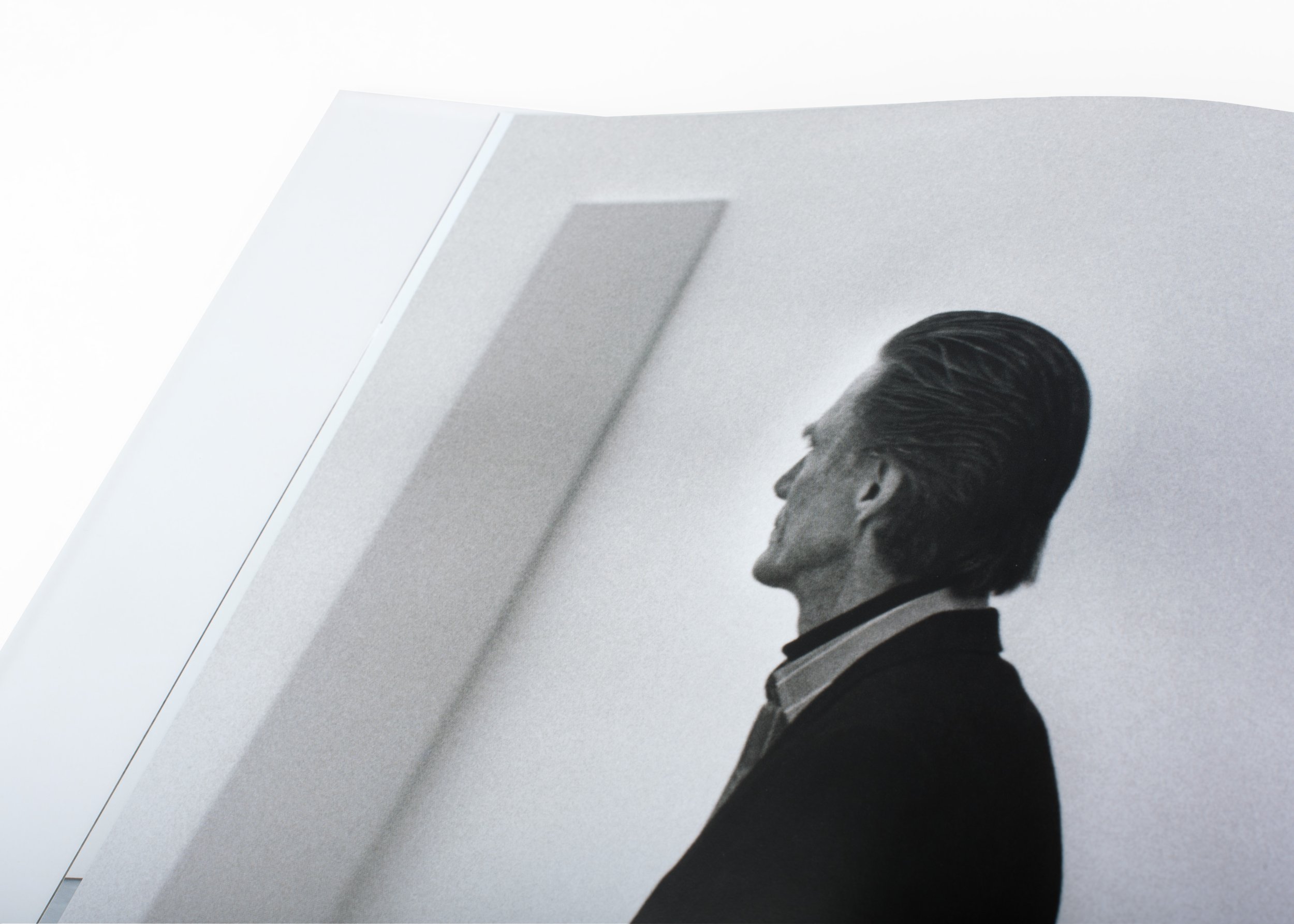 Image 2 of 8
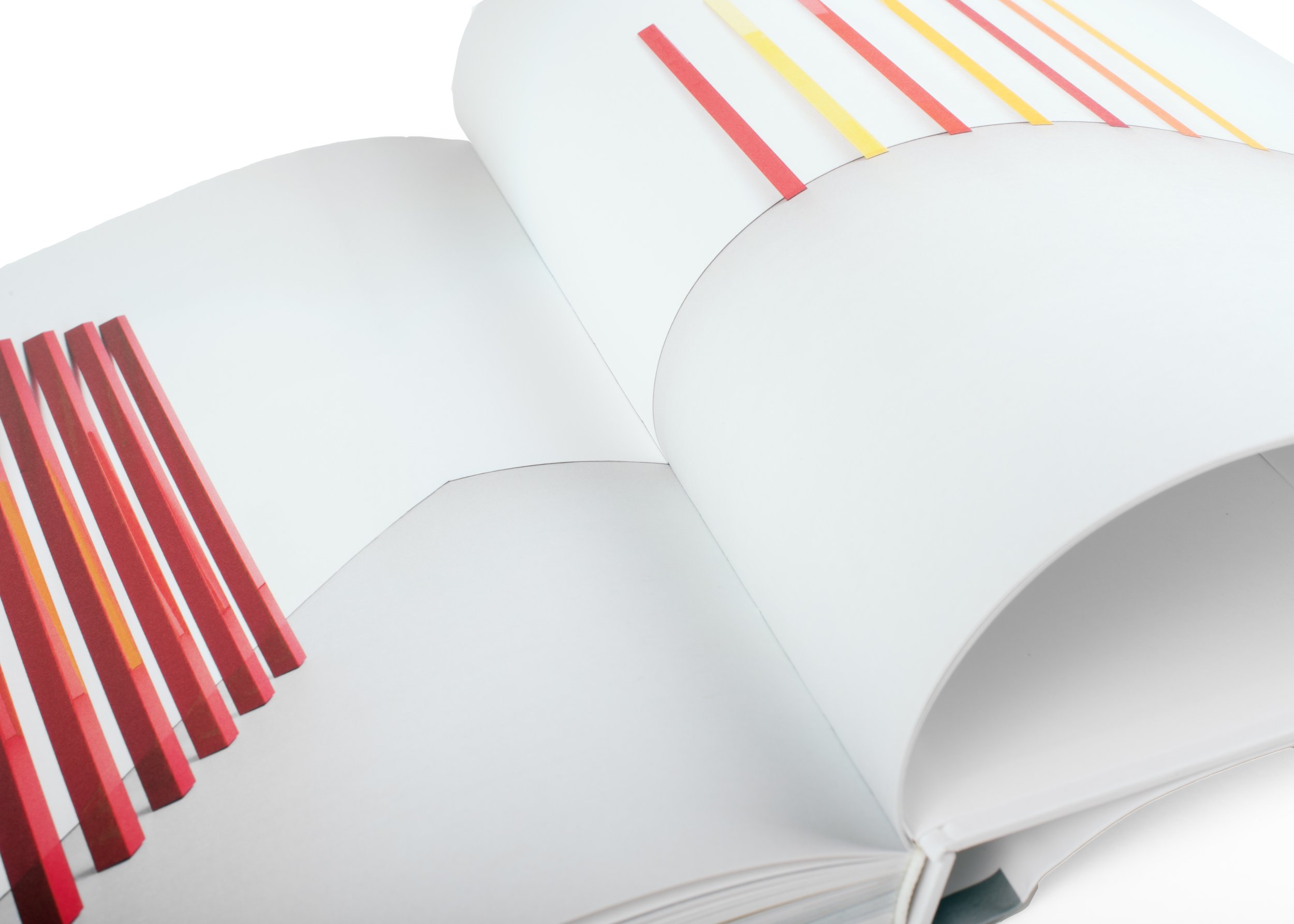 Image 3 of 8
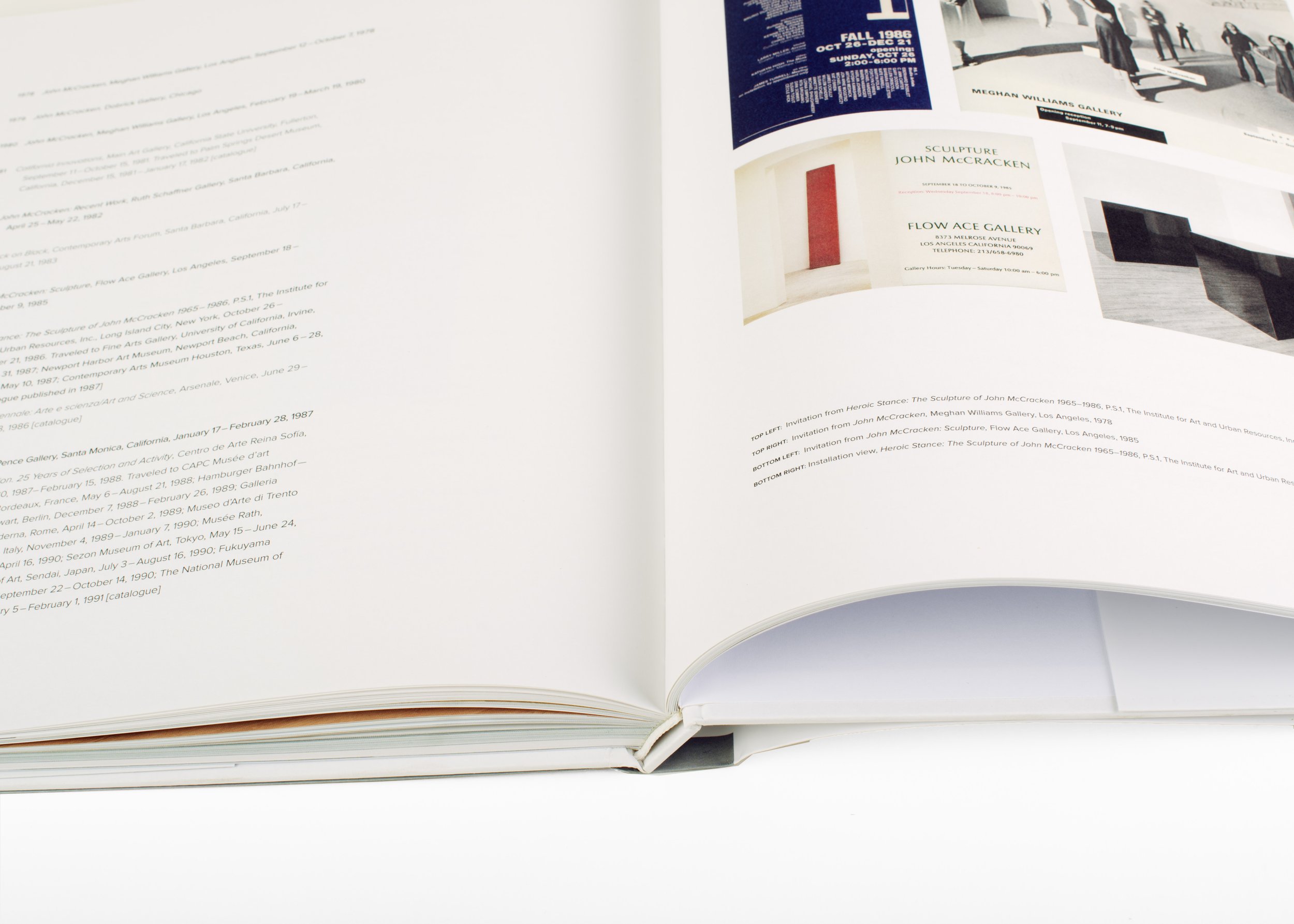 Image 4 of 8
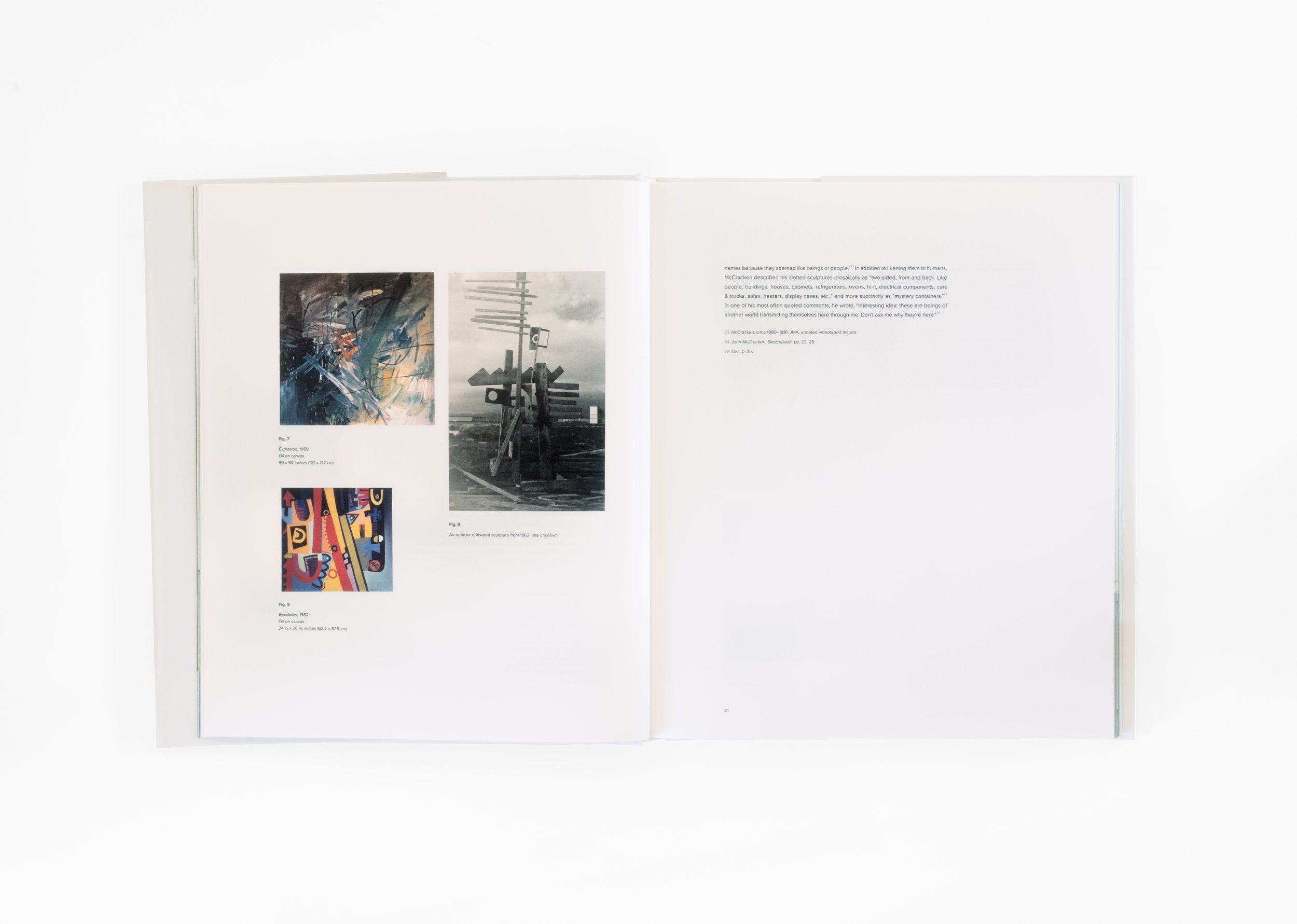 Image 5 of 8
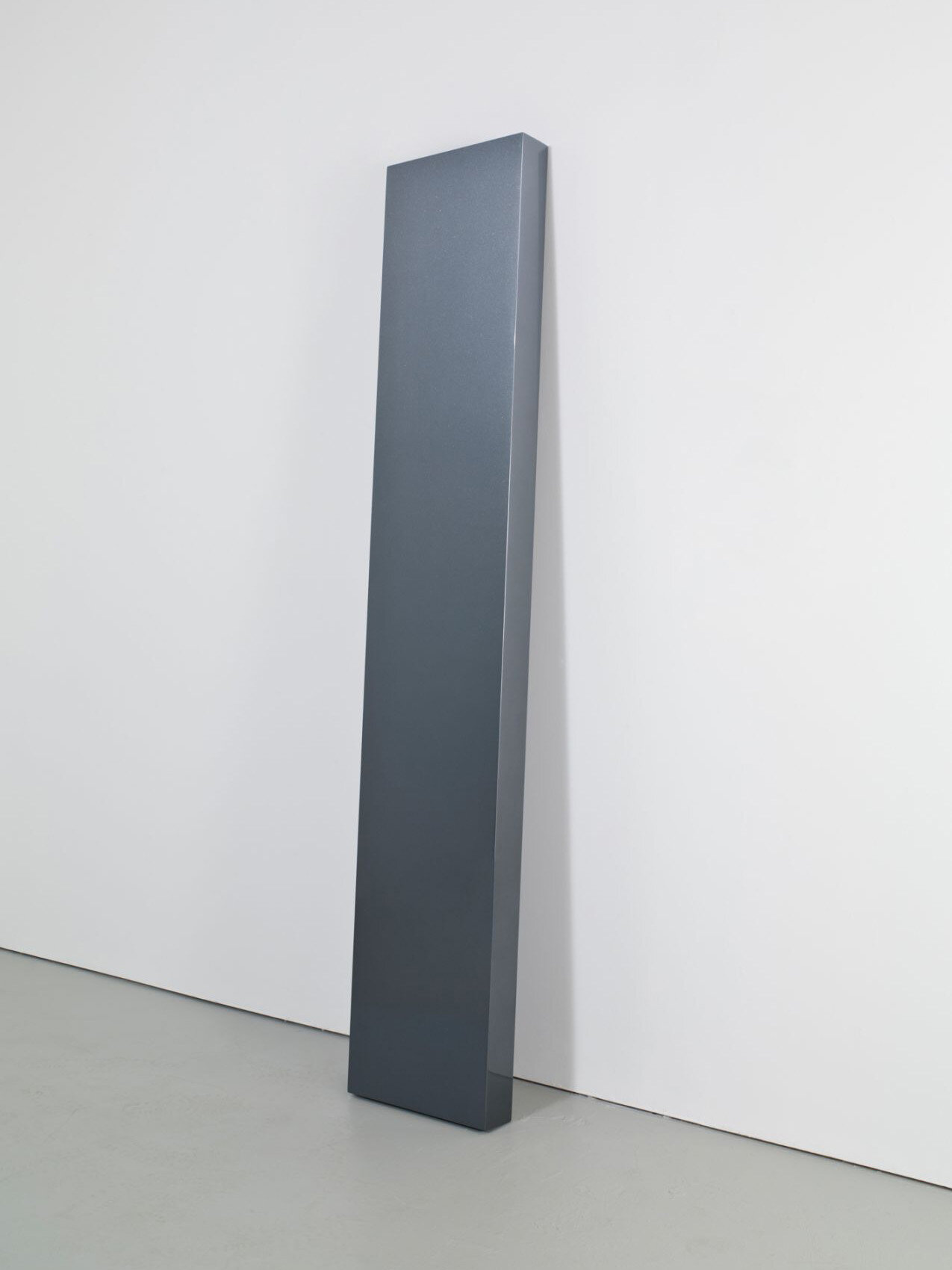 Image 6 of 8
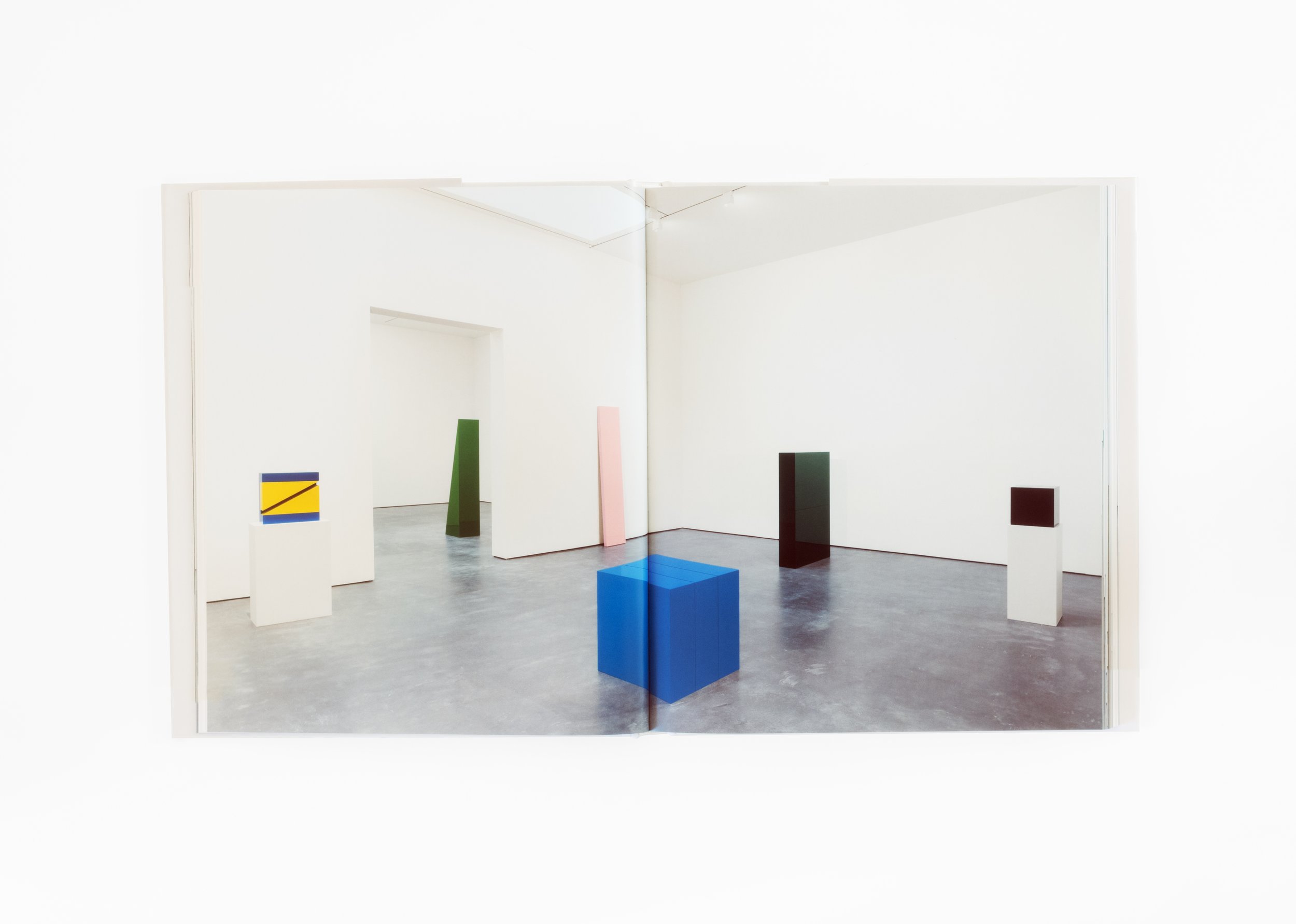 Image 7 of 8
 Image 8 of 8
YOU MAY ALSO LIKE

-
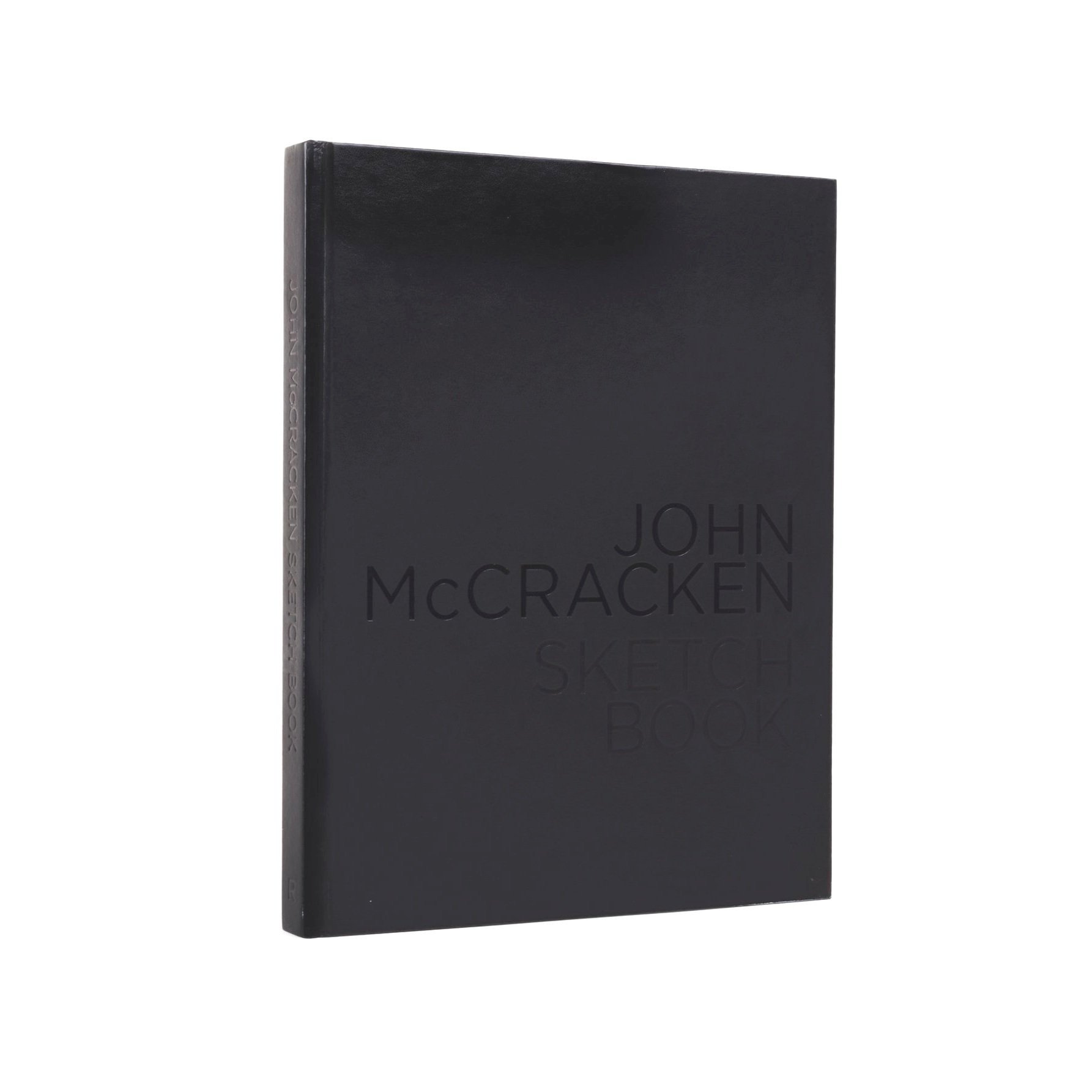
JOHN McCRACKEN occupies a singular position within the recent history of American art, as his work melds the restrained formal qualities of Minimalist sculpture with a distinctly West Coast sensibility expressed through color, form and finish. He developed his early sculptural work while studying painting at the California College of Arts and Crafts in Oakland in the late 1950s and early 1960s. While experimenting with increasingly three-dimensional canvases, the artist began to produce objects made with industrial materials, including plywood, sprayed lacquer and pigmented resin, creating the highly reflective, smooth surfaces that he was to become known for.
This catalog is published on the occasion of the exhibition John McCracken: Works 1963-2011, at the gallery’s 537 West 20th Street location (September 10 – October 19, 2013).
The vessel form in its distended hollowness is both a metaphor and a vehicle for an organic feeling that runs through much of [Duckworth’s] work and reflects her own deep empathy for the natural world.
— Martin Puryear
In the twenty years since the last major publication on the work of Ruth Duckworth, much has changed in how the field of ceramics is understood in relation to the realms of fine art and craft. Always regarding herself as a sculptor rather than a potter or ceramicist, Duckworth was ahead of her time, insisting that her work be considered in the same light and exhibited alongside that of her contemporaries working in bronze (which she also used occasionally), stone, welded metal, and other traditional sculptural media.
The discourse around ceramics has now caught up to her, and Ruth Duckworth includes an extensive presentation of her work in porcelain and stoneware, revealing the continued and growing influence of this trailblazing artist. As Emmanuelle Cooper wrote in the artist’s obituary: “In both her life and work, Duckworth’s background was one of non-conformity. In Germany, as a young girl, she risked prosecution by defacing a Nazi monument and resented being unable to attend art school because her father was Jewish. Most challenging of all was her determination to gain international respectability as a sculptor working primarily in clay.”
Ruth Duckworth includes a foreword and afterword by fellow artists Martin Puryear and Marie Herwald Hermann, along with a deeply humanizing conversation between curator Jo Lauria and Thea Burger, Duckworth’s longtime friend, agent, and representative of her estate.