
 Image 1 of 8
 Image 2 of 8
 Image 3 of 8
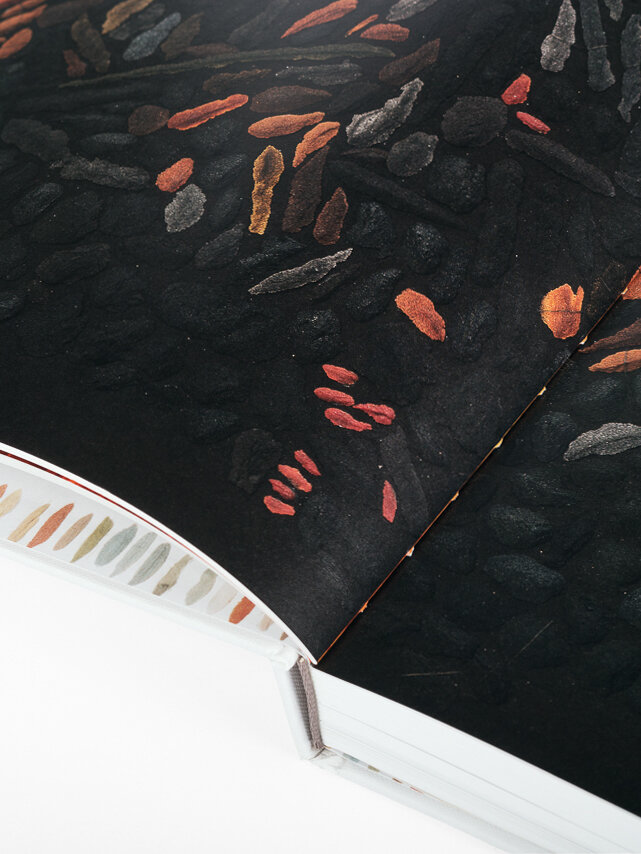 Image 4 of 8
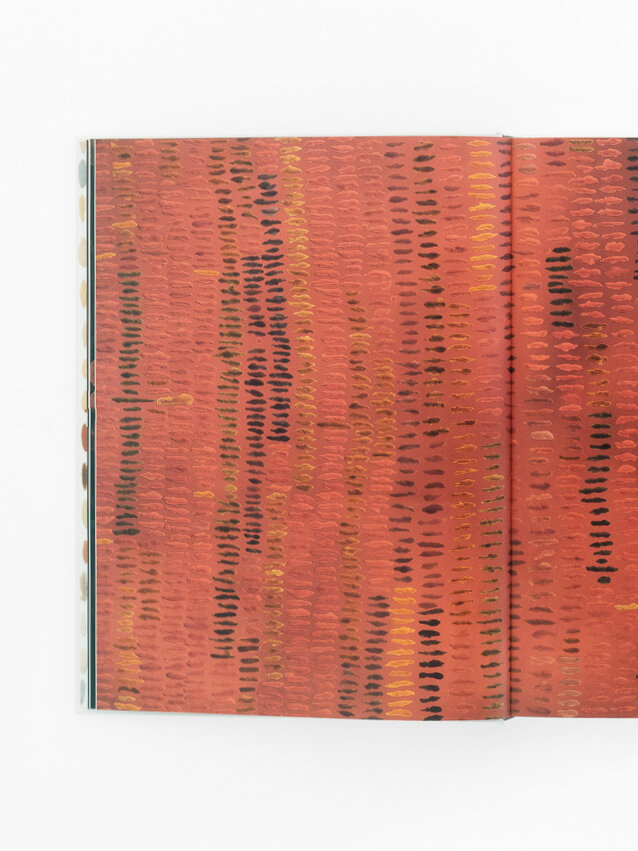 Image 5 of 8
 Image 6 of 8
 Image 7 of 8
 Image 8 of 8
YOU MAY ALSO LIKE
-
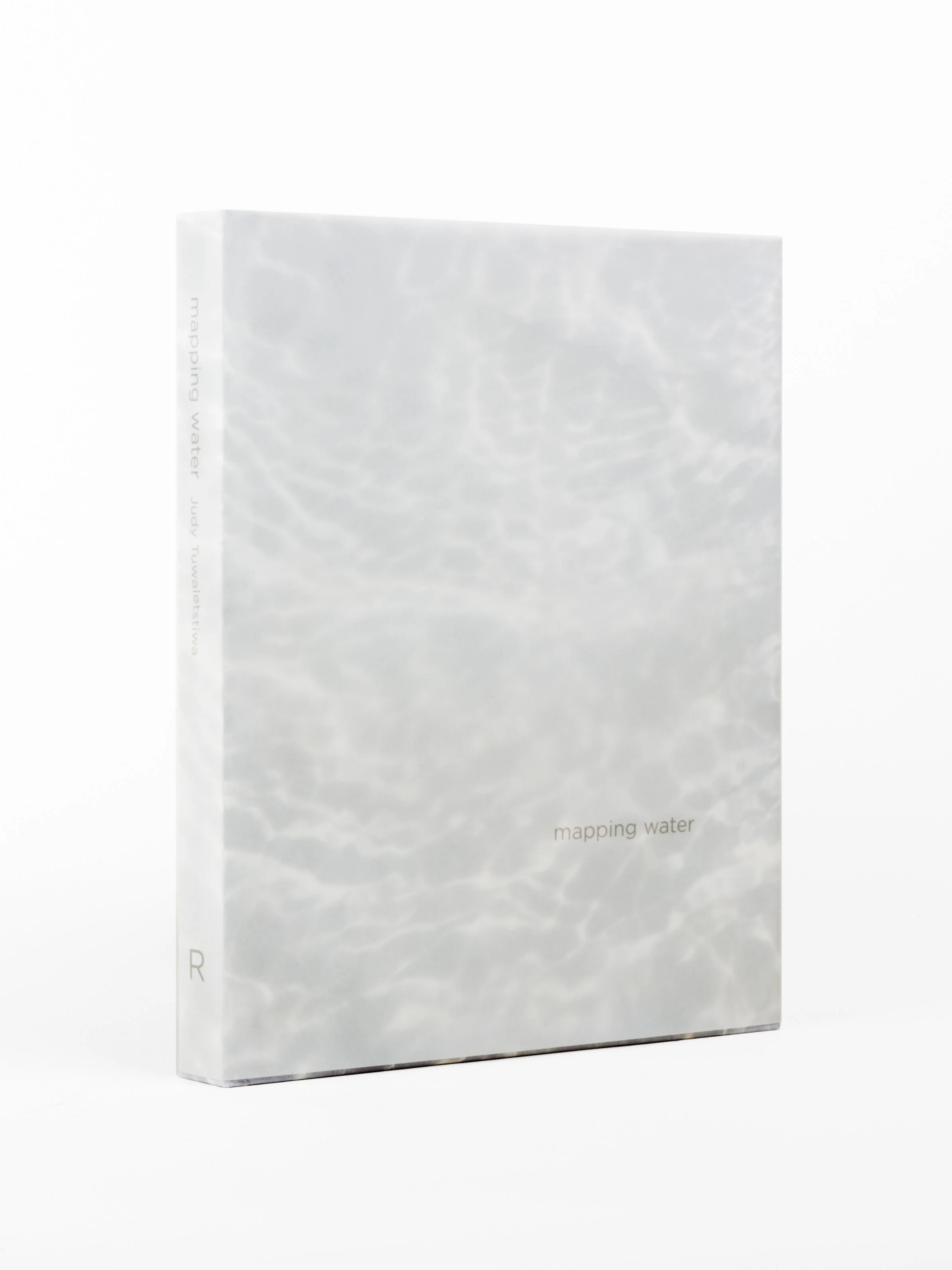
Artwork by Judy Tuwaletstiwa
Text by Tina Oldknow, Lani McGregor, Ivy Ross, Josine lanco-Starrells, Laura Addison, Jean Norelli, Diana Gaston, and Mary KavanaghHardcover
9.5 x 12.5 inches
212 pages / 237 illustrations
ISBN: 9781942185093Please note that the hand-adhered glass on the cover is unique to each copy and comes in different colors, randomly selected for each order.
Limited edition is sold out.
-
Judy Tuwaletstiwa (b. 1941) is a visual artist, writer and teacher. Her work resides in private and museum collections nationally and internationally.
After earning Degrees in English Literature from U.C. Berkeley and Harvard University, she discovered the power of visual art to connect us to the deepest part of ourselves. She has spent her life exploring and expressing this, using different media.
As a teacher, she helps people explore their unique creative vision.
She writes:
Art has taught me that walls and doorways are the same thing.
Art has taught me that an image can be a transformative gift of healing.
Art has taught me that what we see is only a fraction of what is there.
Art has taught me that the longer I make art, the greater the mystery.
Drink wine and look at the moon and think of all
the civilizations the moon has seen passing by…
— Omar Khayyam, 11th-century mathematician and poet
Thirty-Six Views of the Moon is a meditative collection of nighttime exposures. For this project, Ebtekar found and tore out pages from volumes spanning the last thousand years—ranging from poetry and science fiction to religious texts and philosophy—that reference the moon and night sky. He then worked with a photographic glass plate negative of the moon from the Lick Observatory archives in Northern California, treating each book page with Potassium ferricyanide and Ammonium ferric citrate to make their surfaces light-sensitive. Finally, Ebtekar would leave the sheets outside from dusk until dawn, using the UV-light emitted by the moon to create a contact cyanotype print layered with the cosmological texts on the found book pages.
In addition to the thirty-six cyanotypes, this volume features essays by Kim Beil, Alexander Nemerov, and Ladan Akbarnia, as well as an annotated index for this selection of images and a comprehensive bibliography of sources Ebtekar has used throughout the various iterations of this project.