
 Image 1 of 8
 Image 2 of 8
 Image 3 of 8
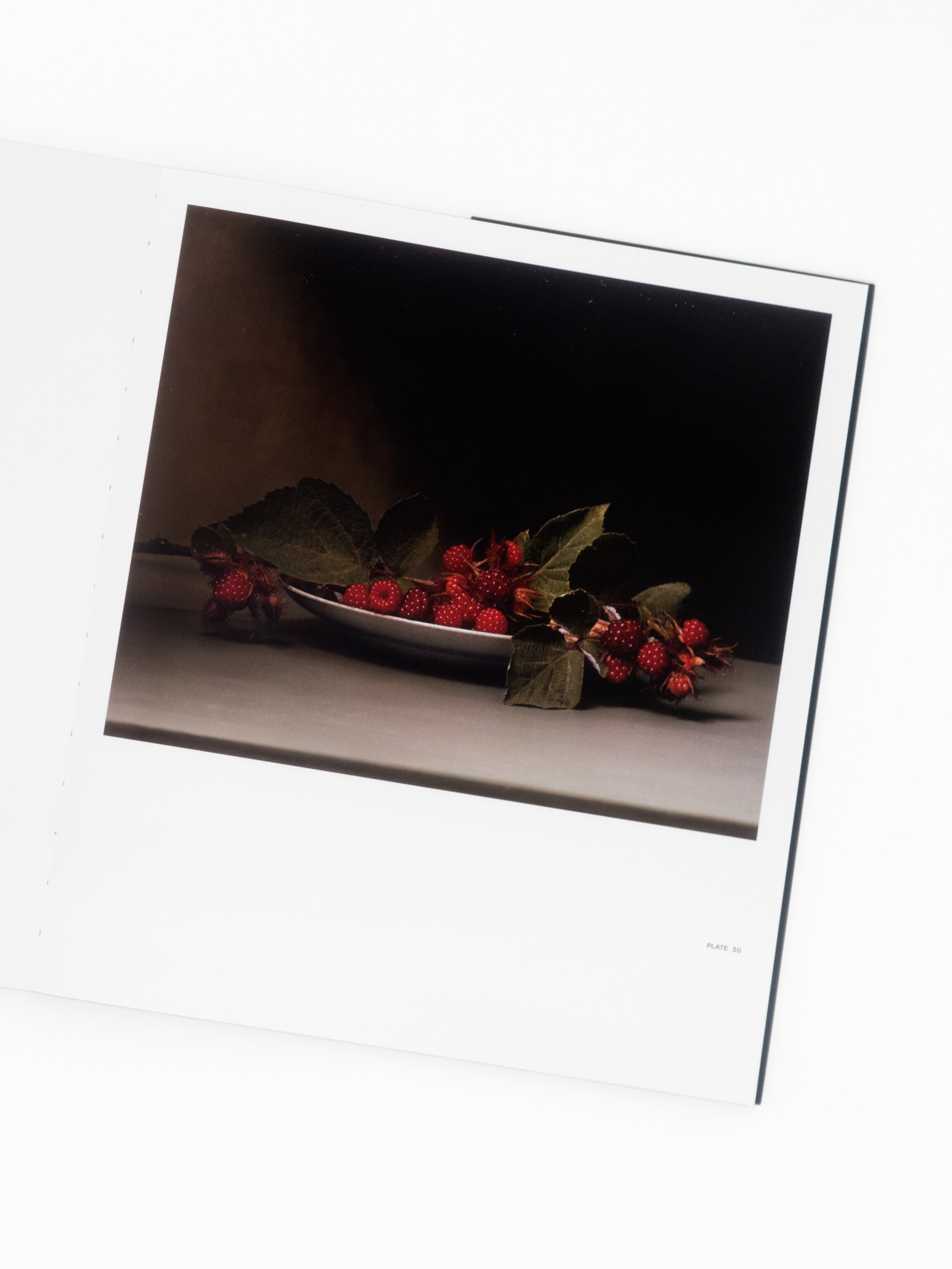 Image 4 of 8
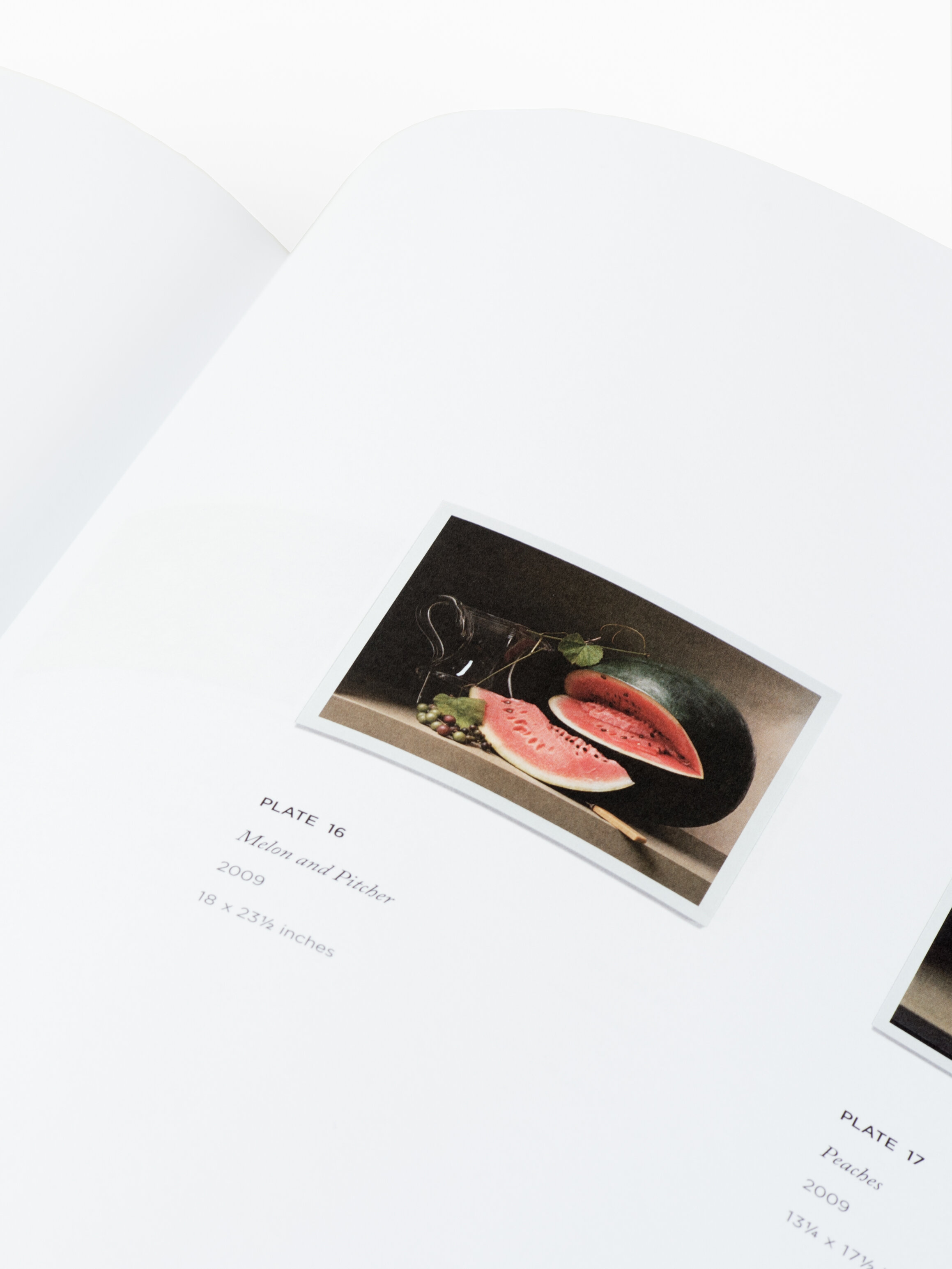 Image 5 of 8
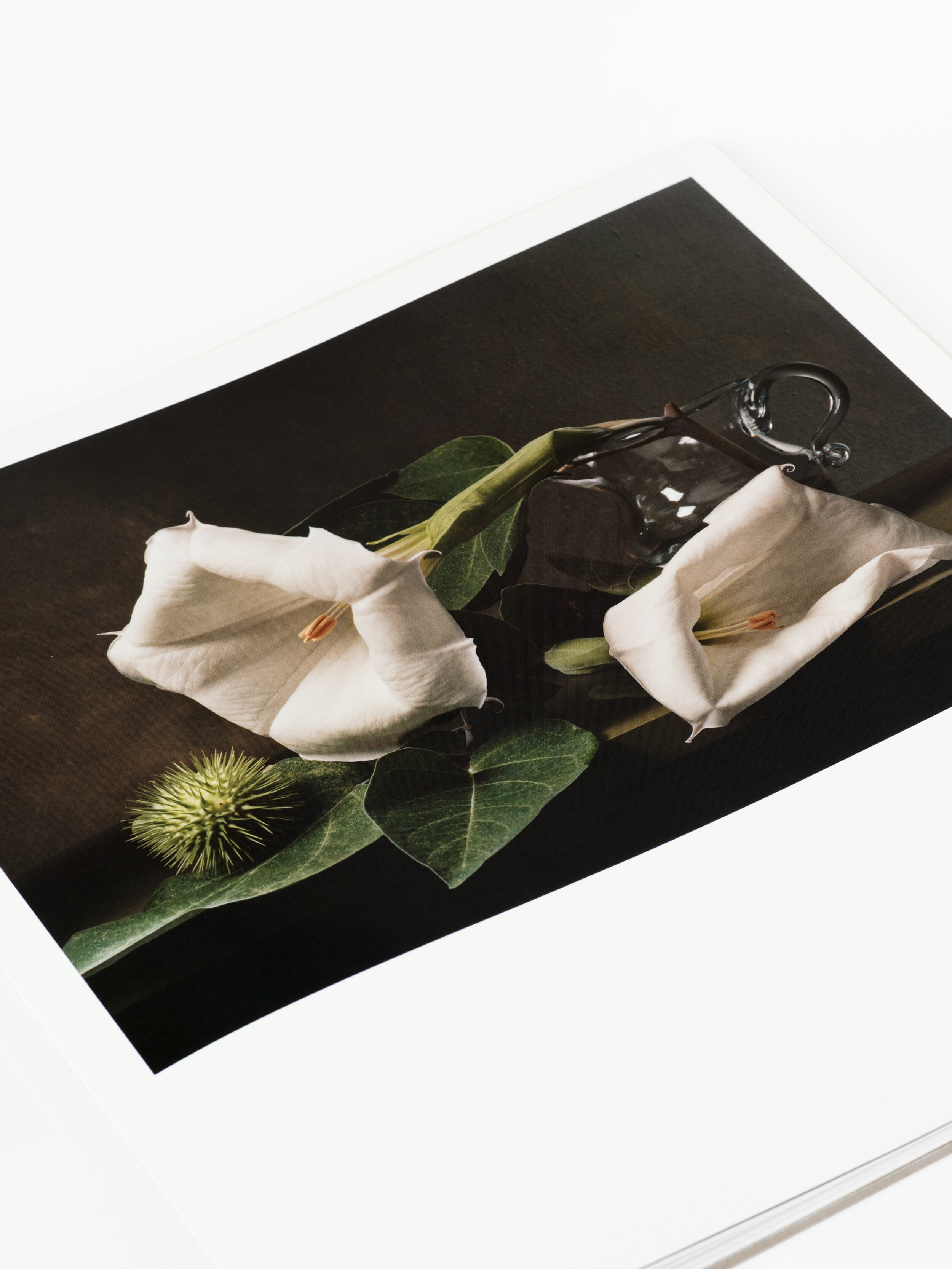 Image 6 of 8
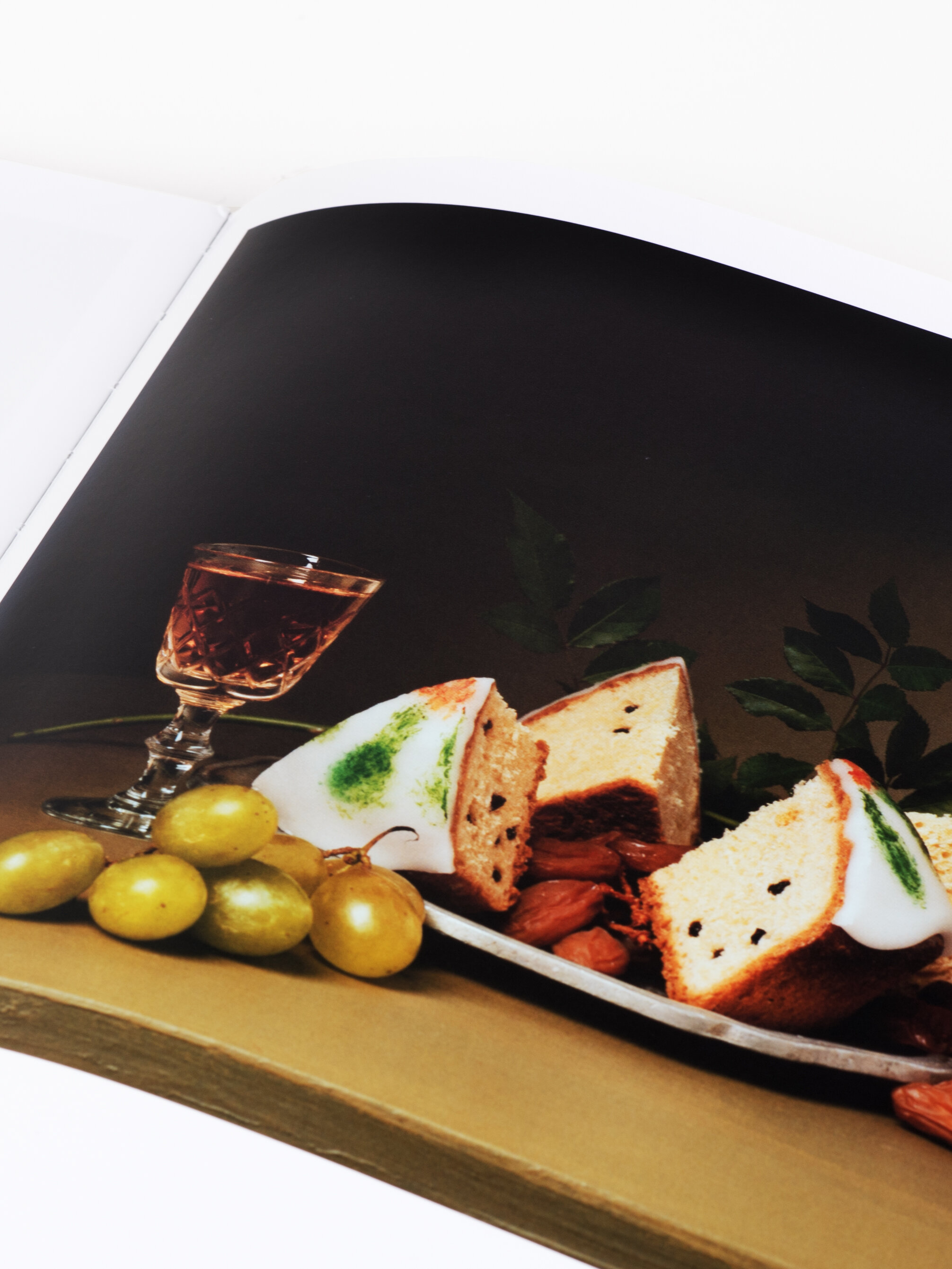 Image 7 of 8
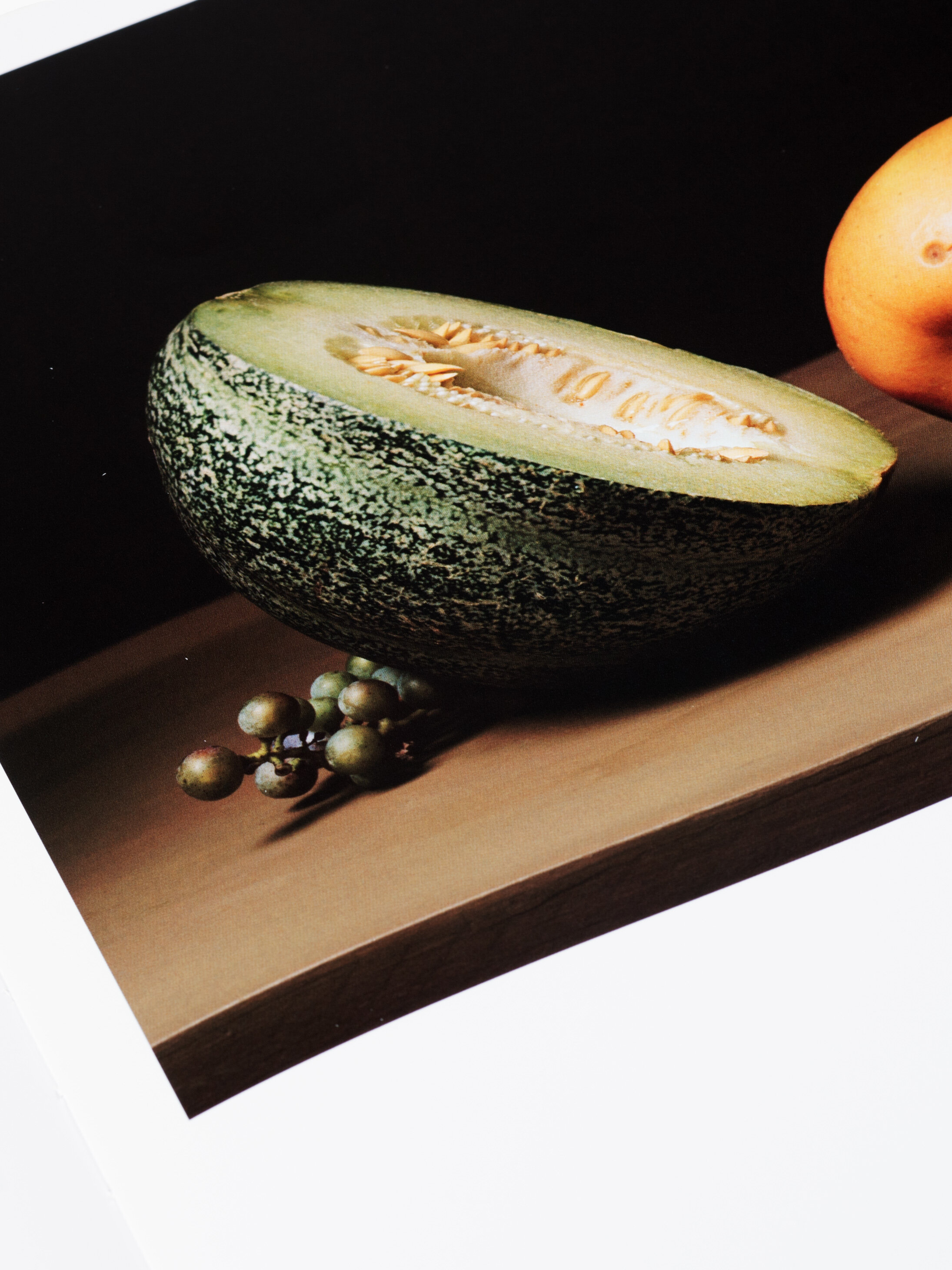 Image 8 of 8
YOU MAY ALSO LIKE

-
Photographs by Sharon Core
Text by Brian SholisHardback with jacket
11 x 12.5 inches
82 pages / 30 images
ISBN: 9781934435465Trade: $50
Now Rare: $150 -
Sharon Core was born in New Orleans, Louisiana in 1965. She received her BFA in painting from the University of Georgia in 1987 and her MFA in photography from Yale University School of Art in 1998. Core began exhibiting her photographs in New York City in 1998 and has since shown her work in numerous solo and group exhibitions both in the United States and abroad. Her work is included in major public collections including the Solomon R. Guggenheim Museum, New York; J. Paul Getty Museum, Los Angeles; The National Gallery of Art, Washington DC; Amon Carter Museum of American Art, Fort Worth; The Phillips Collection, Washington DC; The Cleveland Museum of Art, Ohio; Los Angeles County Museum of Art, California; National Museum of Women in the Arts, Washington DC; Columbus Museum of Art, Ohio. She was the recipient of the Rema Hort Mann Foundation Art Grant in 2000. Her monograph, Sharon Core: Early American, was published by Radius Books in 2012. The artist lives and works in Esopus, New York.
Alex Yudzon (b. 1977) began photographing in hotel rooms in 2014, when a trip abroad found him stranded in a foreign city with an abundance of free time and a dearth of creative outlets. He began assembling the furniture in his room into a series of installations, photographing as he went along. Since then, his fascination with the hotel room as both a laboratory for creativity and a zone of transgression has only intensified.
In the intervening years he has developed a stringent approach to making the work: he uses only the furniture found in the rooms he occupies; he works in secret; he works alone. Using this approach, Yudzon stacks, leans, and balances furniture in configurations that transform these generic interiors into hallucinatory worlds where the laws of physics are suspended and dormant emotions released. After the installations are documented, they are dismantled and the rooms returned to their original condition. The resulting photographs, shot in a style reminiscent of crime scene photography, remain the only existing evidence of what transpires during his stay.
Initially conceived as a series of journeys, A Room for the Night focuses exclusively on American hotels. The aim of this book is not to present a comprehensive overview of hotels in America. Rather, the images and text contemplate our uneasy relationship to the hotel as a liminal space operating beyond the codes and conventions that govern the outside world. Combining dark humor, loneliness and creative obsession, this work tells the story of not just the installations, but of the hotels themselves, the people that own and operate them, the communities in which they're based, and the journey through which they are connected.
Learn more about the artist’s accompanying Limited Edition prints HERE.