
 Image 1 of 8
 Image 2 of 8
 Image 3 of 8
 Image 4 of 8
 Image 5 of 8
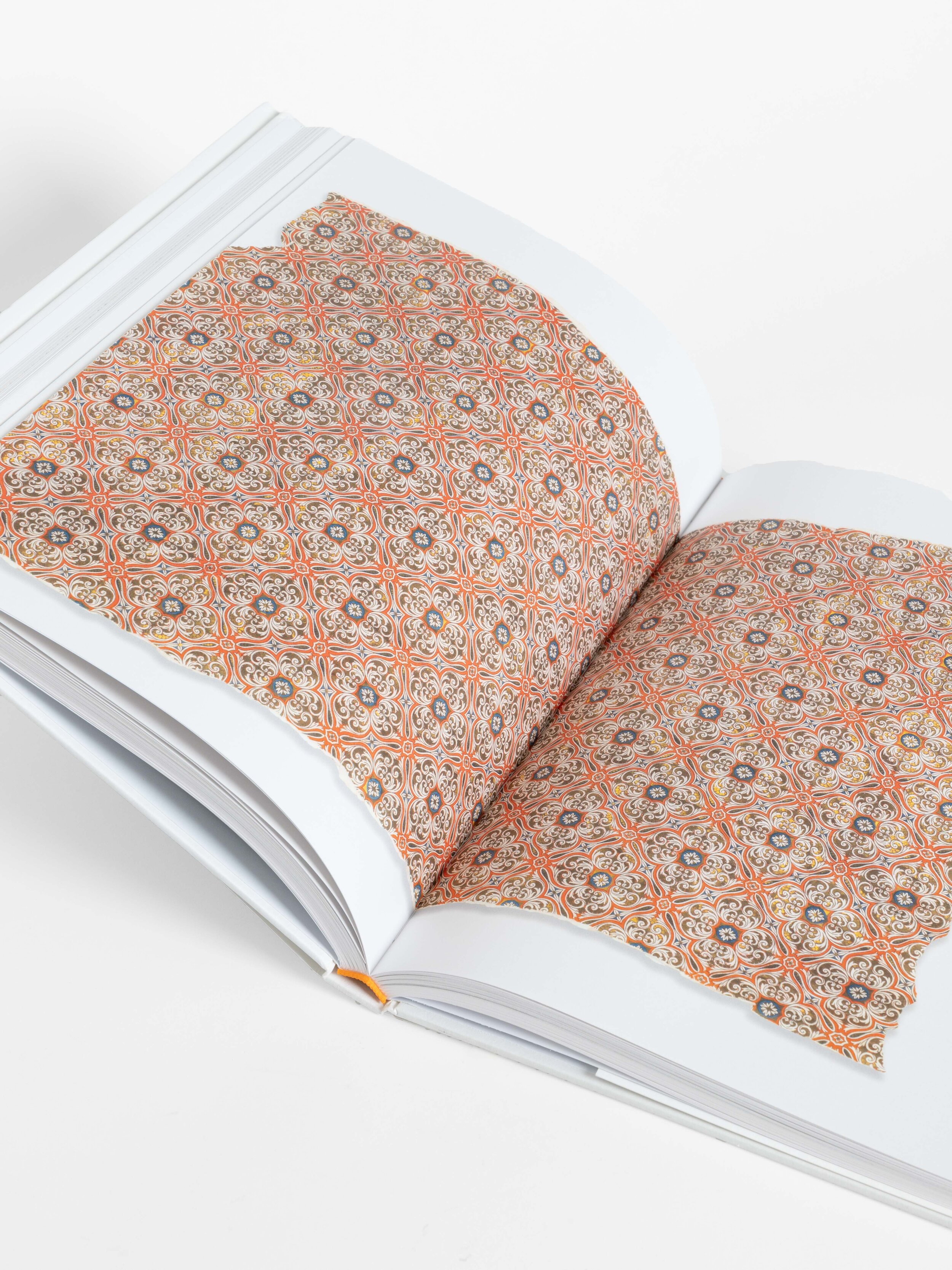 Image 6 of 8
 Image 7 of 8
 Image 8 of 8

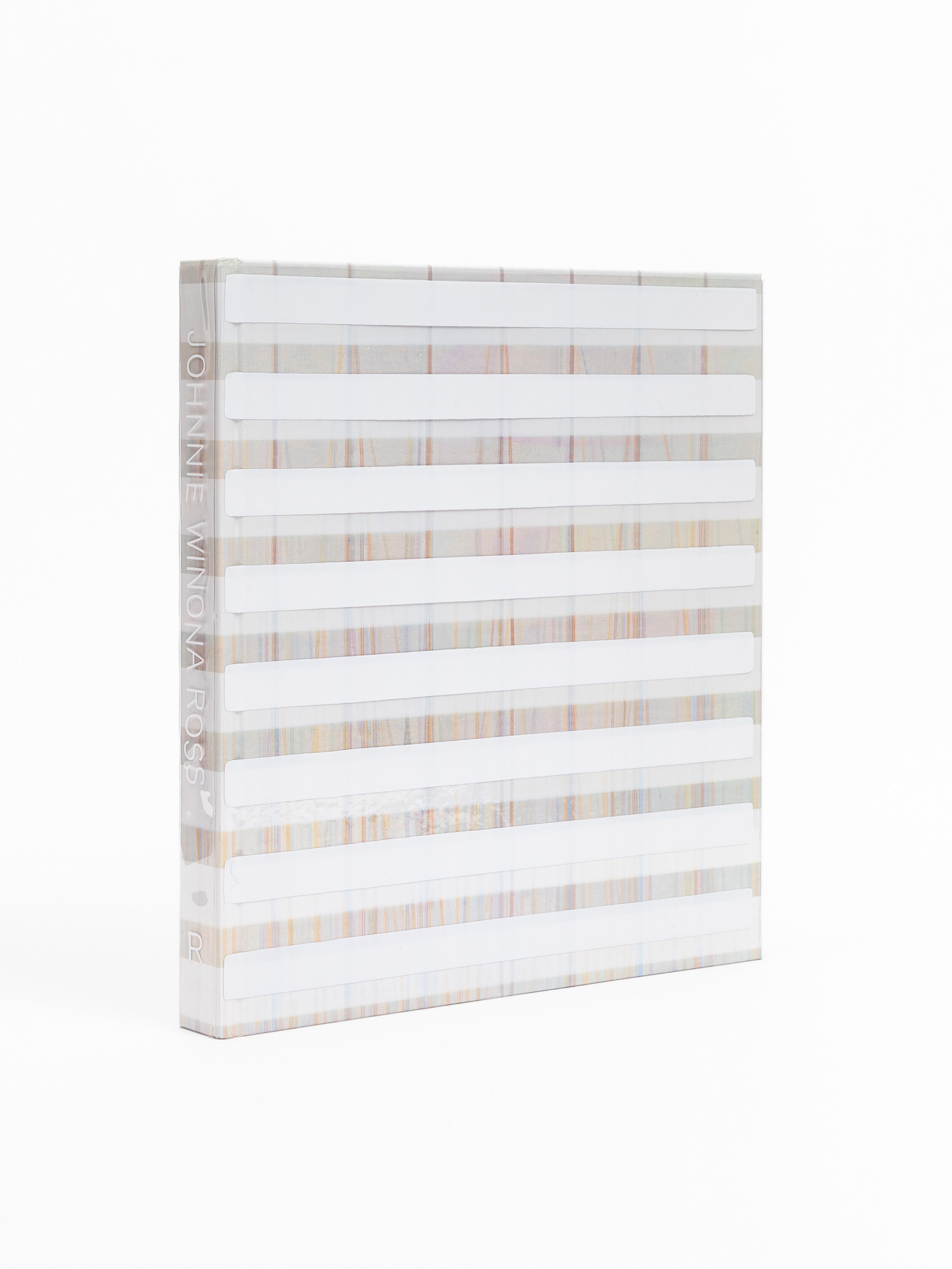
-
Foreword by Virginia Dwan
Introduction by Jason Rulnick
Essay by Veronica RobertsHardcover
9.75 x 11.75 inches
240 pages / 110 images
ISBN: 9781934435922 -
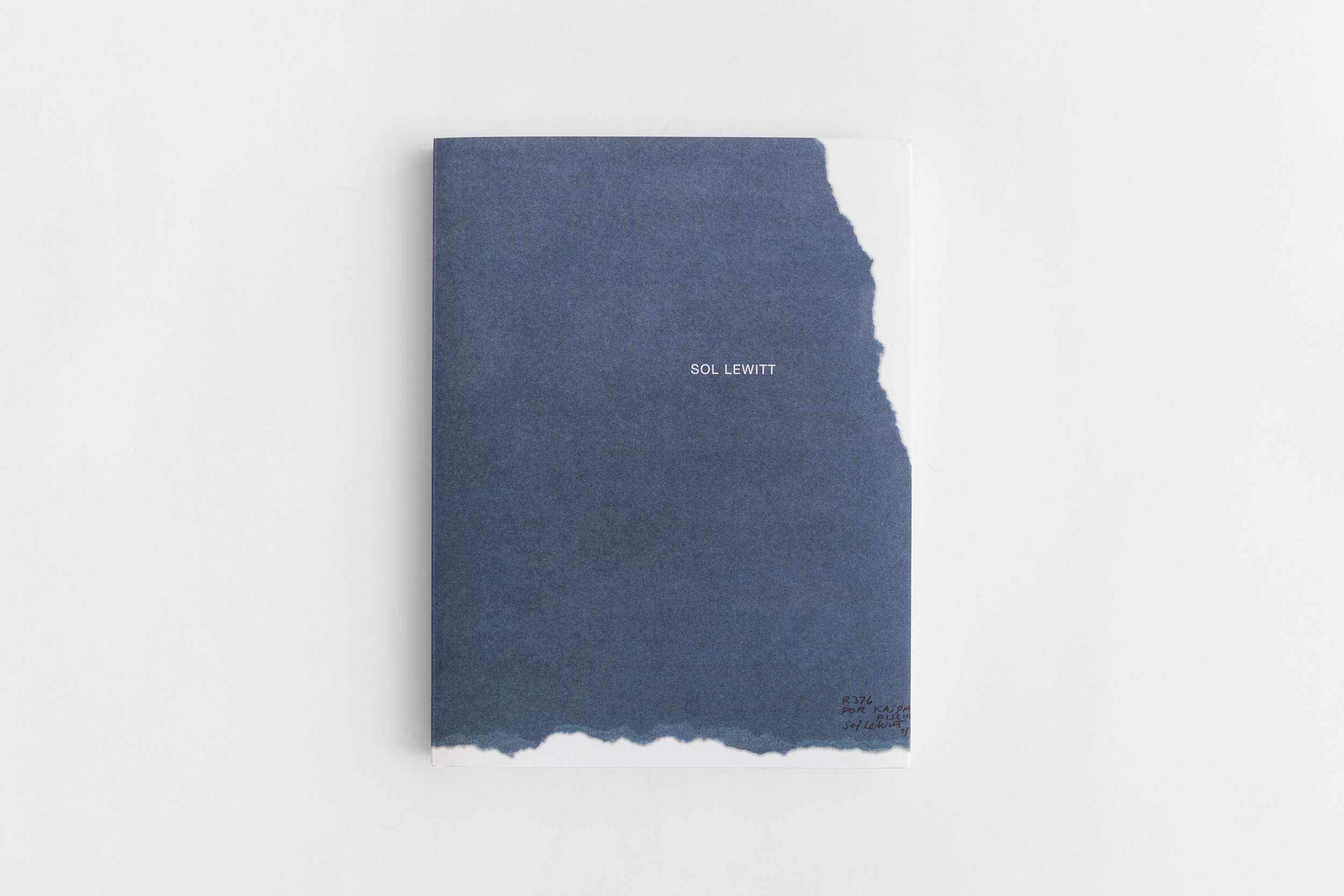
Solomon "Sol" LeWitt (1928 – 2007) was an American artist linked to various movements, including conceptual art and minimalism.
LeWitt came to fame in the late 1960s with his wall drawings and "structures" (a term he preferred to "sculptures") but was prolific in a wide range of media including drawing, printmaking, photography, painting, installation, and artist's books. He has been the subject of hundreds of solo exhibitions in museums and galleries around the world since 1965.
Albert Frey was in love with the desert and with architecture. By fully integrating his designs with nature in the small desert town of Palm Springs, Frey’s work became iconic on an international scale.
— Brad Dunning
A comprehensive volume on Swiss-American architect Albert Frey (1903-1998), Inventive Modernist tracks the scope and significance of Frey’s career, from his early days in Paris working with Le Corbusier to his rise as the iconic architect of Palm Springs. His unique “simple but severe” style of Desert Modernism cemented his legacy as one of the most influential architects, not only in California, but also in the United States and the world.
With full access to Frey’s various archives, the book provides many rare and previously unexhibited architectural models, drawings, films, photographs, and furniture, and offers an exceptional visual guide that goes far beyond the mere documentation of finished buildings. New academic research, in-depth essays, and a thorough, illustrated listing of the architect’s projects between 1925 and 1997, serve to contextualize Frey’s relevance today while securing his importance as a twentieth-century architectural master. Published to coincide with a far-reaching exhibition at Palm Springs Art Museum, Albert Frey: Inventive Modernist presents a scrupulously researched and lavishly illustrated publication on the architect’s life and work.