All of the artists in this exhibition address these issues around culture, identity, race, and colonialism in direct and indirect ways in their work.
— Heather Pesanti
This expanded publication accompanies The Contemporary Austin’s 2019 exhibition The Sorcerer’s Burden: Contemporary Art and the Anthropological Turn. Based on observations in the art world, as well as curator Heather Pesanti’s own academic background in cultural anthropology, this group exhibition and book steers away from scientific observations about cultures and the work of artists already well associated with this terrain, instead offering a fresh perspective through artwork that is experimental, exploratory, and reflective of the present day.
Sourcing its title from the literary work of “ethnofiction” The Sorcerer’s Burden: The Ethnographic Saga of a Global Family (2016) by American cultural anthropologist Paul Stoller, the book features works that are alternately imaginative, humorous, satirical, dark, melancholy, playful, enchanting, and mischievous. Representing a wide range of media including painting, sculpture, photography, video, and performance, the artworks share a commonality not only in their allusions to elements of anthropology, but in their exploration of the interplay between fact and fiction, ultimately questioning whether any field, media, or genre might propose to convey “truth.”
All of the artists in this exhibition address these issues around culture, identity, race, and colonialism in direct and indirect ways in their work.
— Heather Pesanti
This expanded publication accompanies The Contemporary Austin’s 2019 exhibition The Sorcerer’s Burden: Contemporary Art and the Anthropological Turn. Based on observations in the art world, as well as curator Heather Pesanti’s own academic background in cultural anthropology, this group exhibition and book steers away from scientific observations about cultures and the work of artists already well associated with this terrain, instead offering a fresh perspective through artwork that is experimental, exploratory, and reflective of the present day.
Sourcing its title from the literary work of “ethnofiction” The Sorcerer’s Burden: The Ethnographic Saga of a Global Family (2016) by American cultural anthropologist Paul Stoller, the book features works that are alternately imaginative, humorous, satirical, dark, melancholy, playful, enchanting, and mischievous. Representing a wide range of media including painting, sculpture, photography, video, and performance, the artworks share a commonality not only in their allusions to elements of anthropology, but in their exploration of the interplay between fact and fiction, ultimately questioning whether any field, media, or genre might propose to convey “truth.”

 Image 1 of 9
 Image 2 of 9
 Image 3 of 9
 Image 4 of 9
 Image 5 of 9
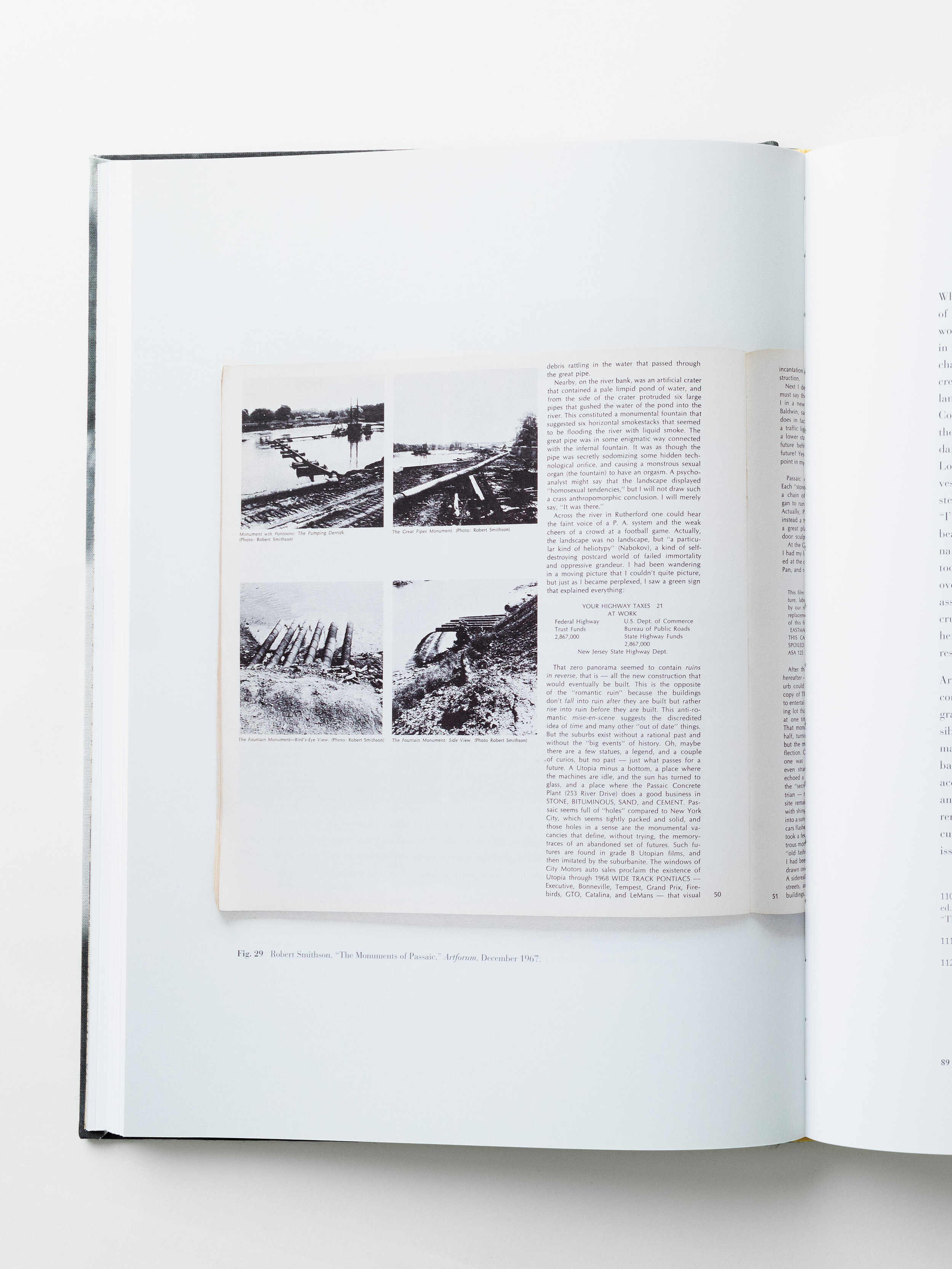 Image 6 of 9
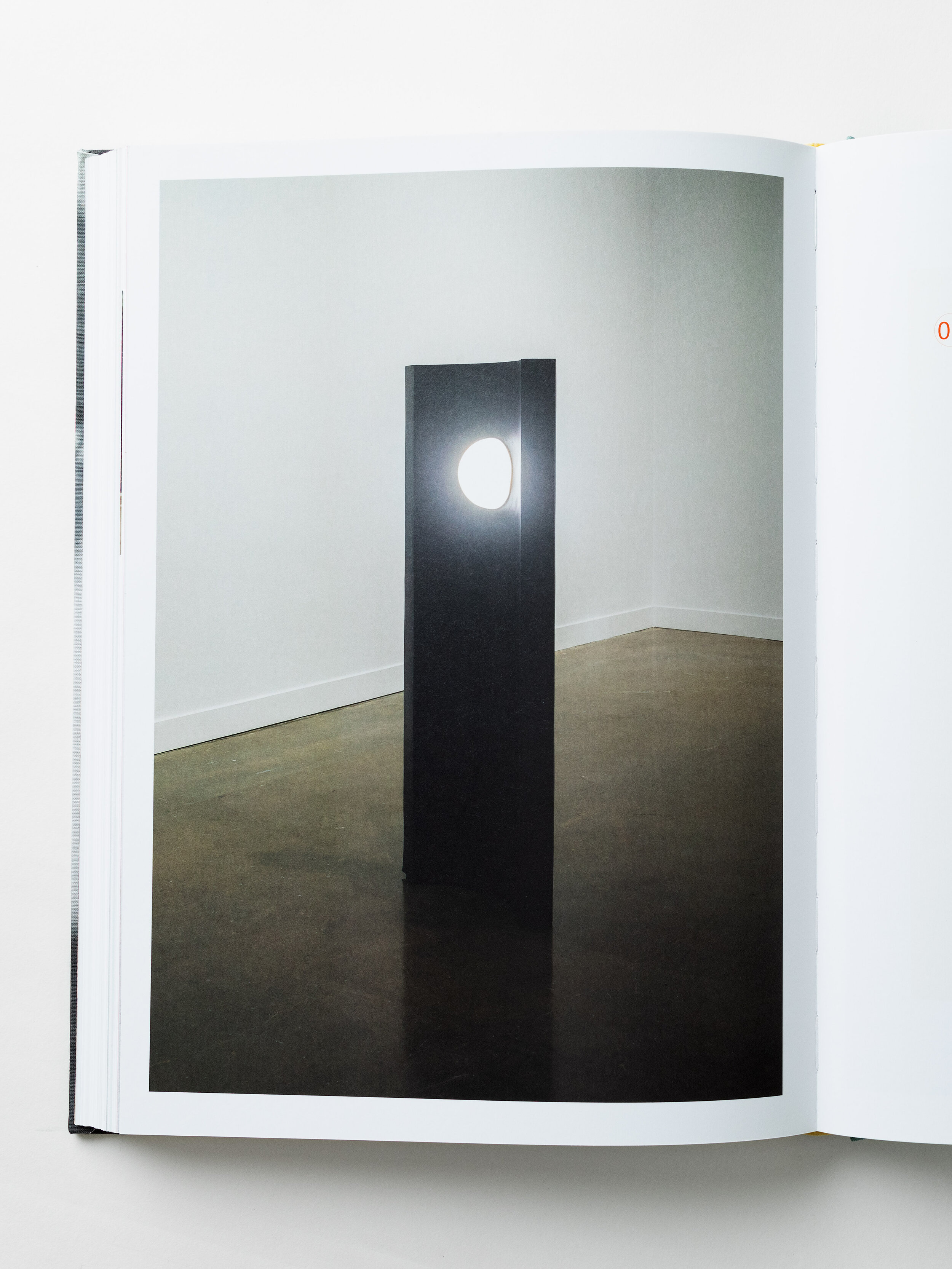 Image 7 of 9
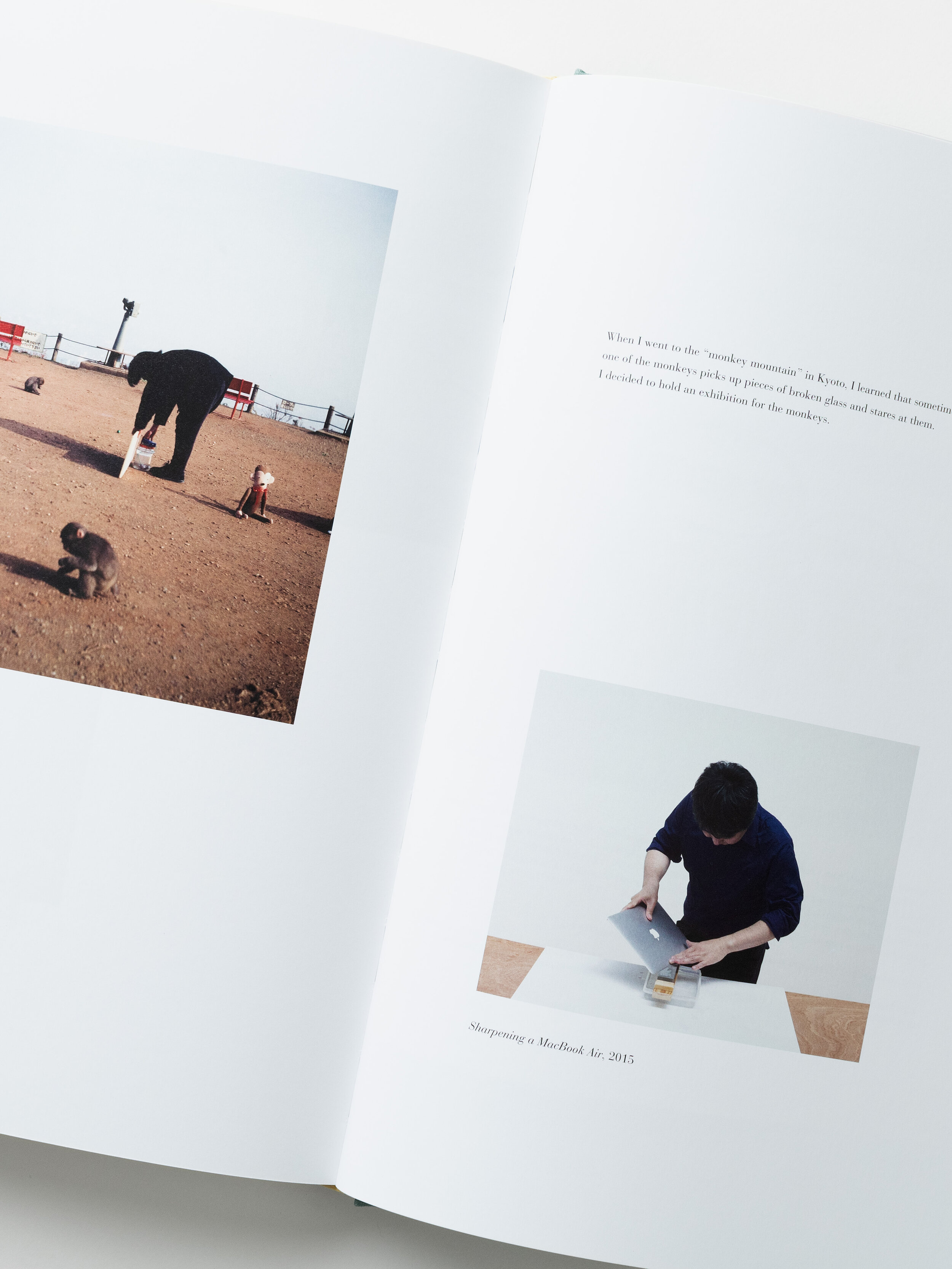 Image 8 of 9
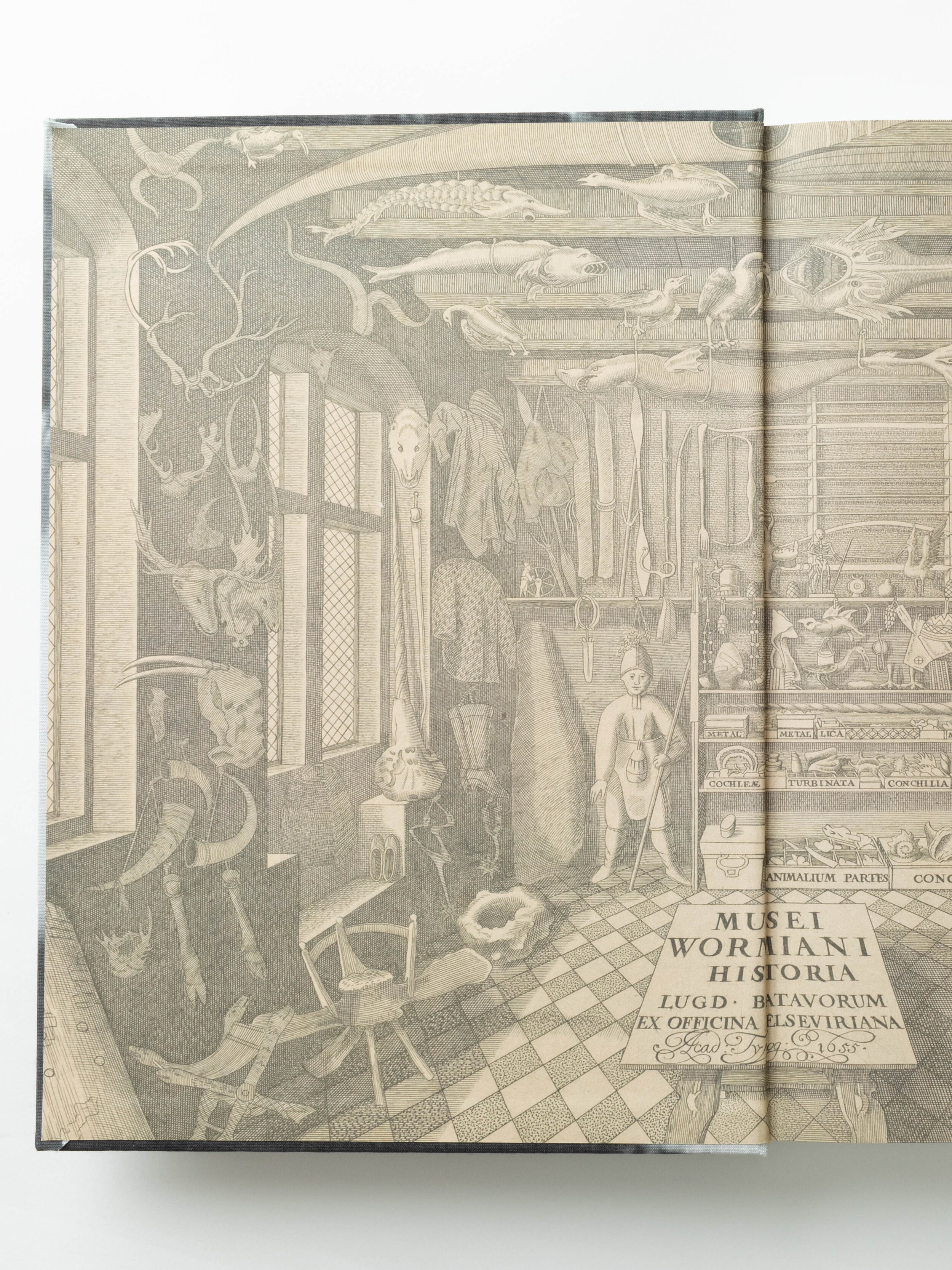 Image 9 of 9
I do not make work about Filipino identity; I make work about the white gaze, and those are two totally different things.
— Stephanie Syjuco
The Unruly Archive is Syjuco’s first monograph, weaving together her research-based practice with a substantial array of visual source material. Bound in a unique format with different types of paper, the pages are cut and layered to simulate the process of physically excavating folders in an archive. In Syjuco’s own words, the book is "a type of forensics...what it is like to piece together a vision of an entire country and people—the Philippines, Filipinos, and by extension, Filipinx Americans—through the lens of the American colonial archive."
By examining the blind spots, holes, and fragments of these collections, she examines the ways photography, anthropology, and national archives produce and proliferate images of exclusion and cultural Othering. Using techniques of layering, blocking, digital manipulation, pixelating, blowing up, and taping together, the artist’s work ultimately seeks to “talk back” to the archive and find agency in challenging its images.
Now Rare: $150