
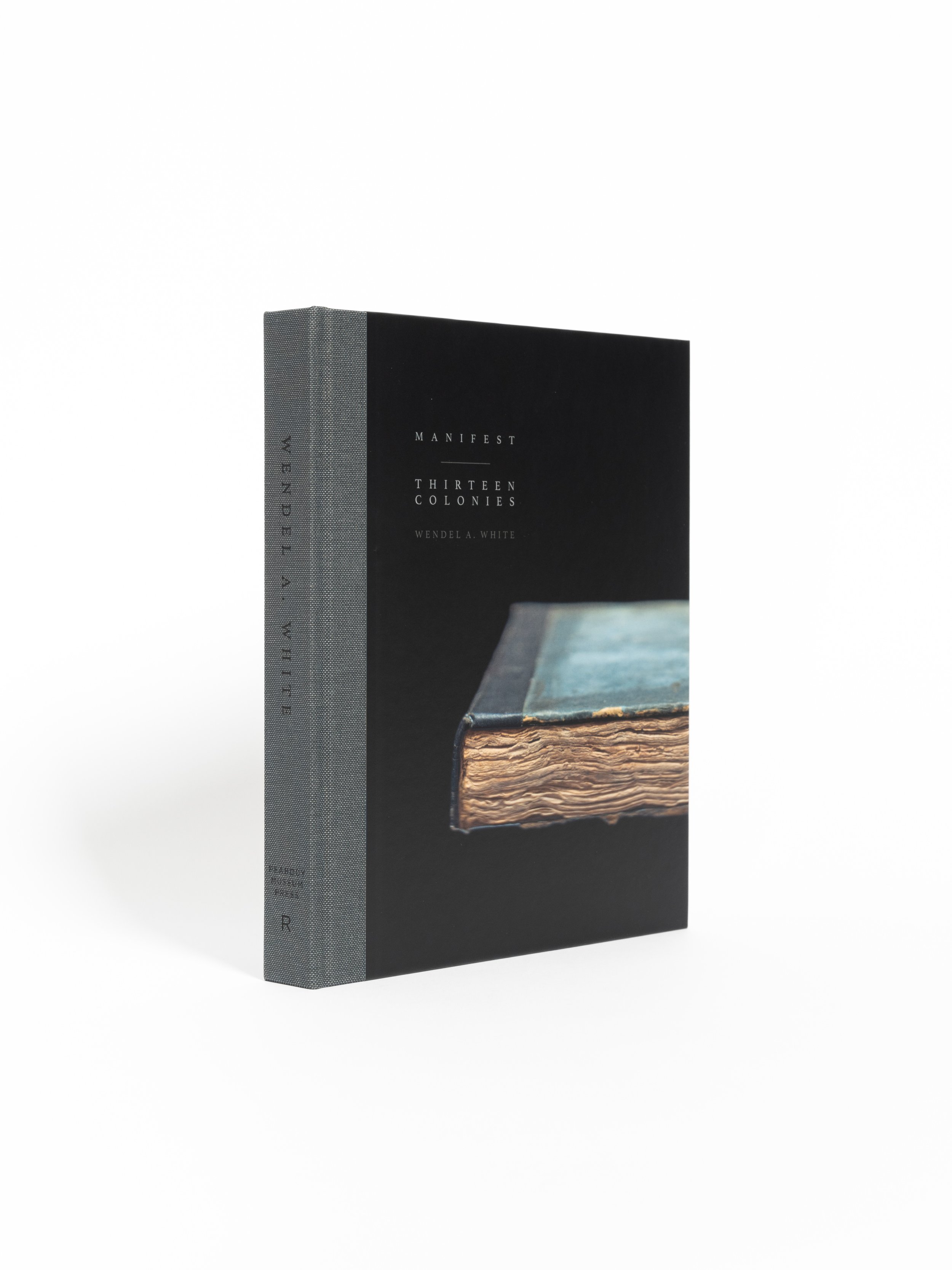
 Image 1 of 8
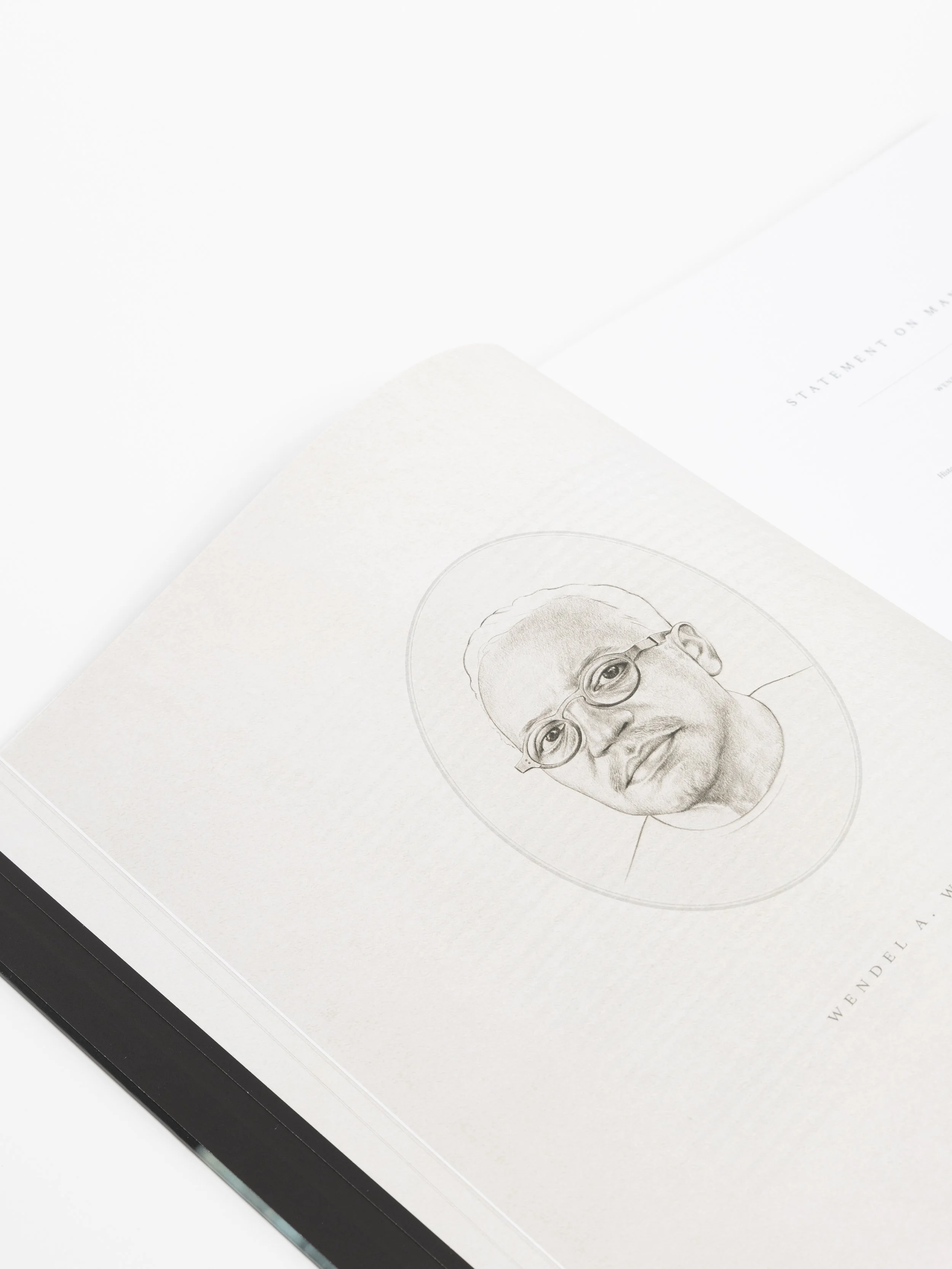 Image 2 of 8
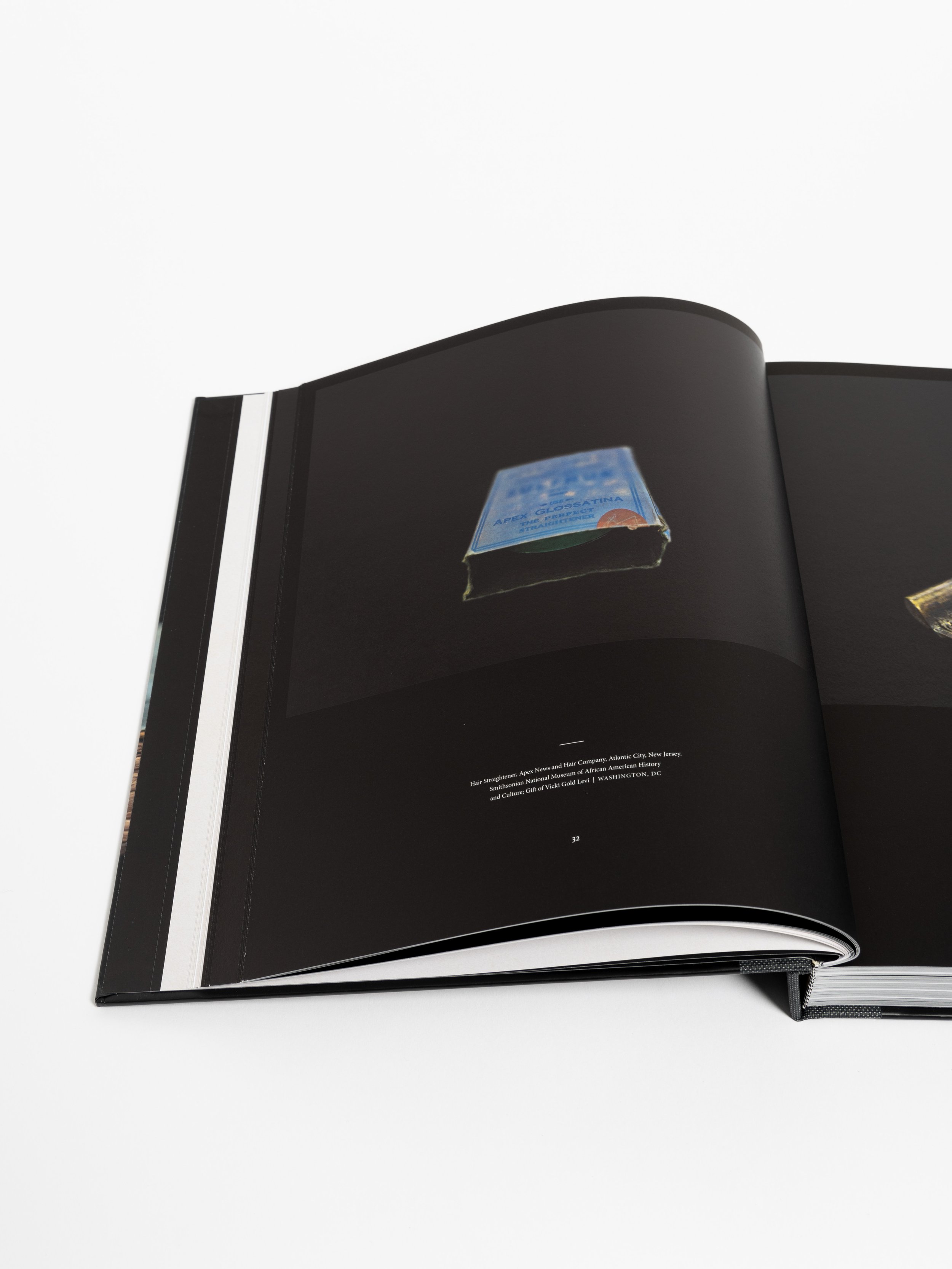 Image 3 of 8
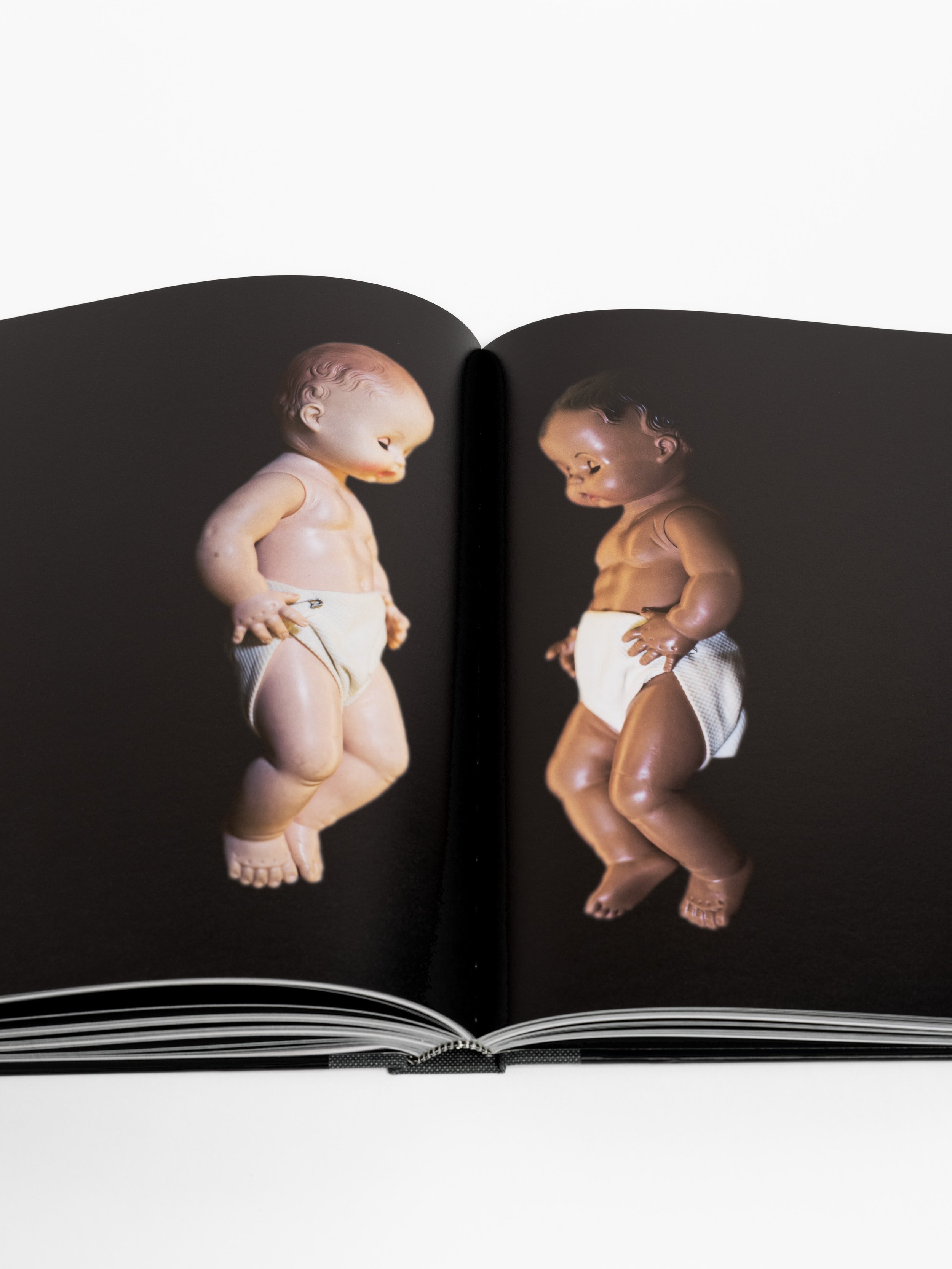 Image 4 of 8
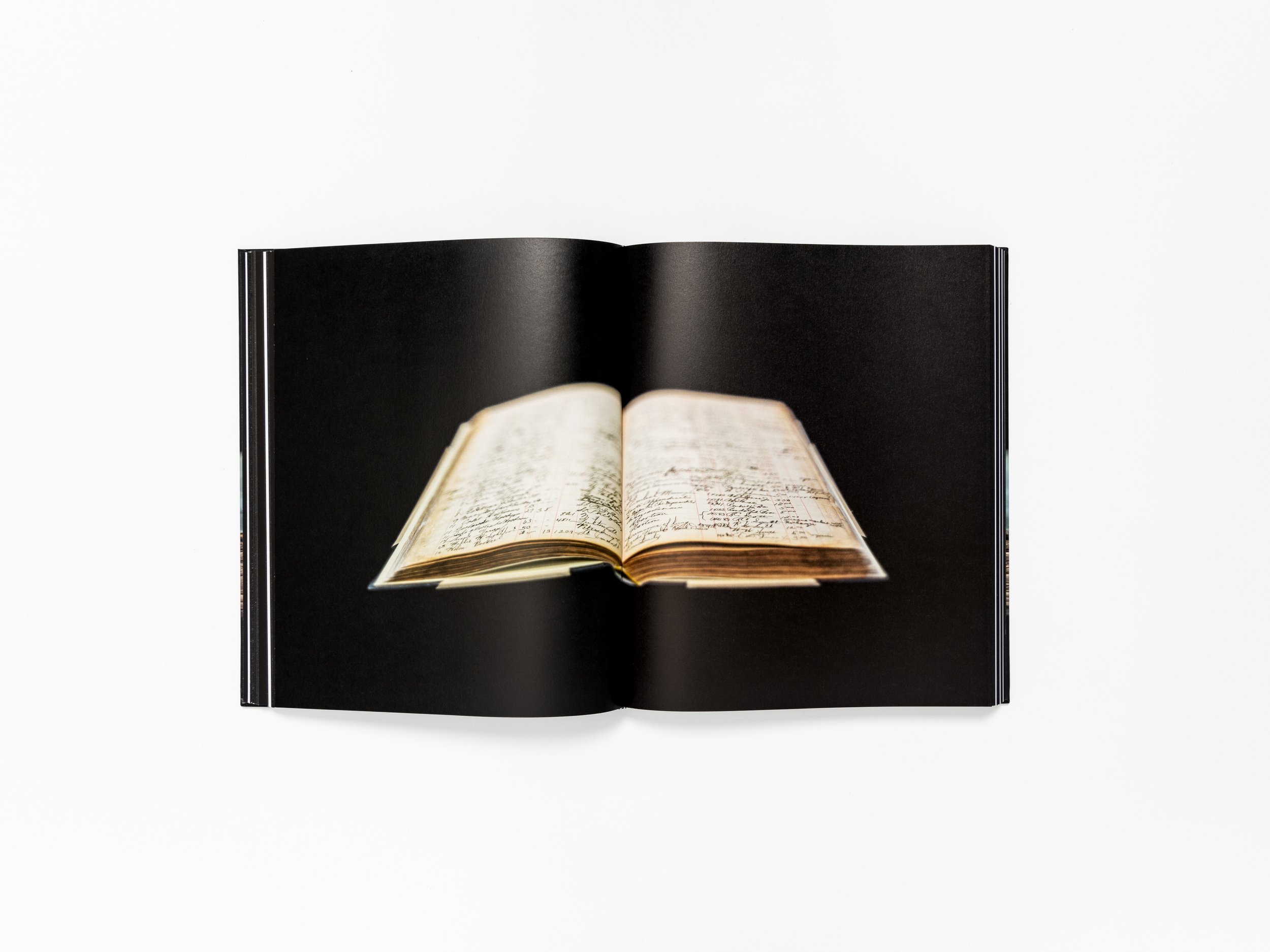 Image 5 of 8
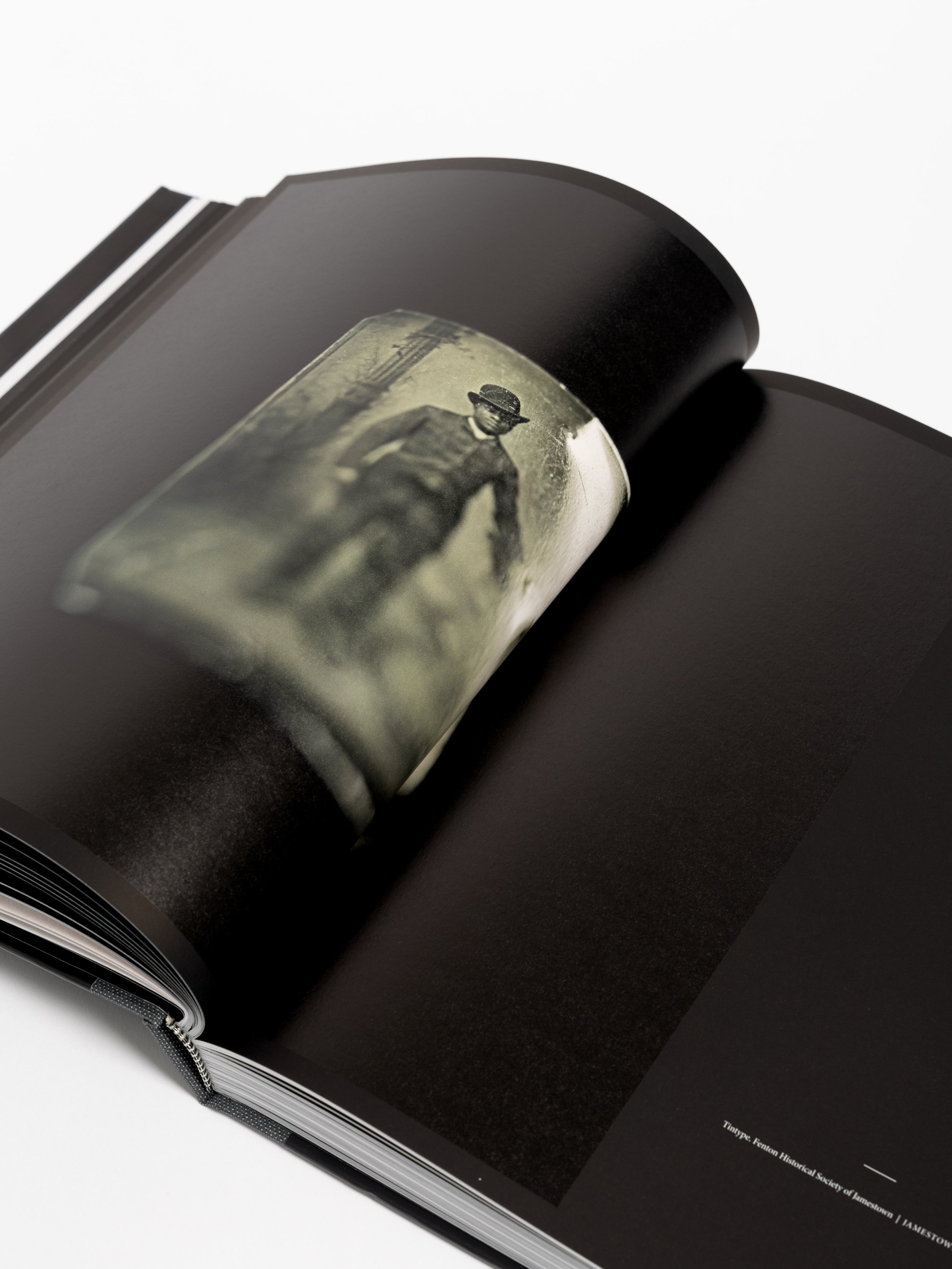 Image 6 of 8
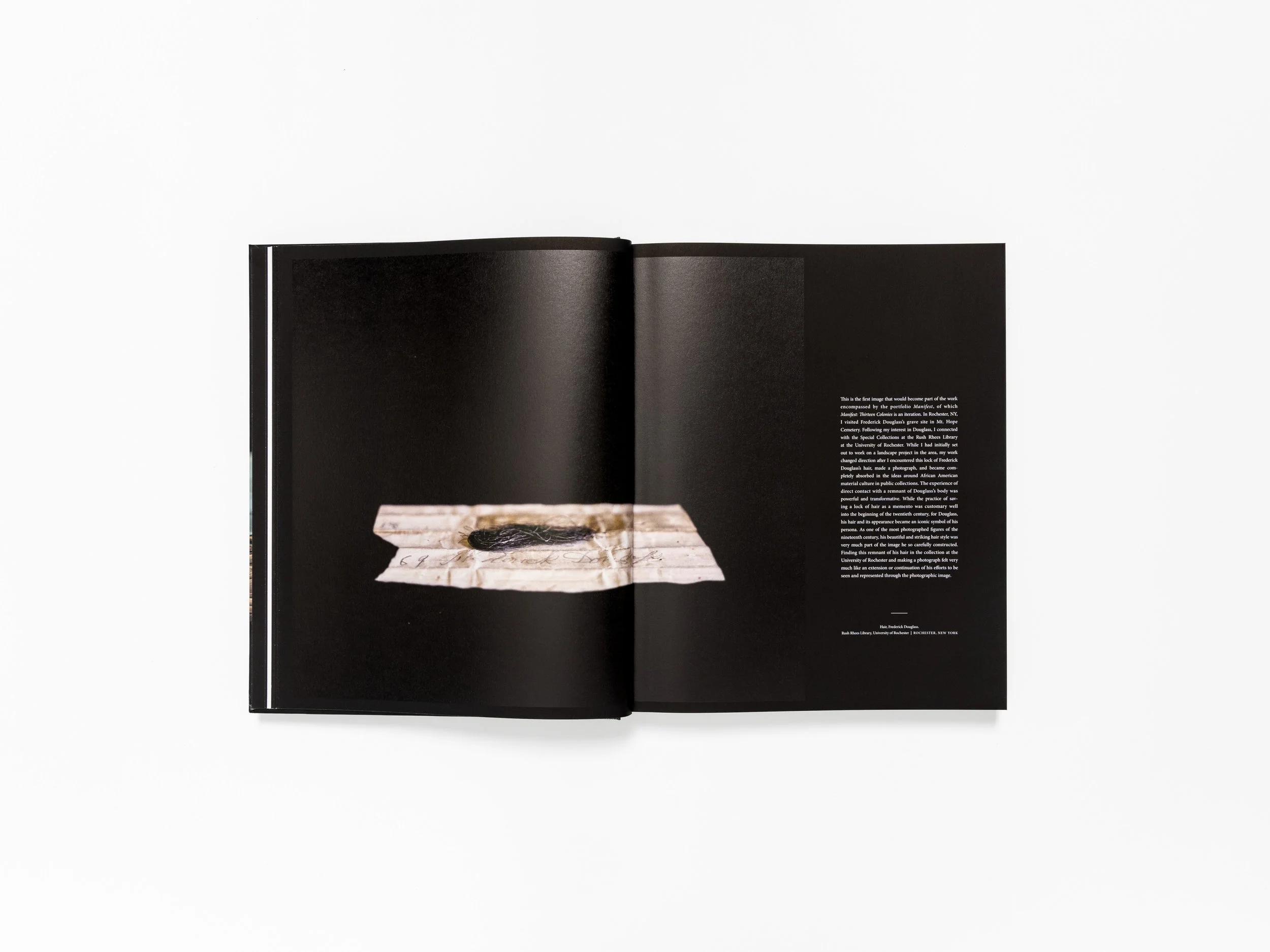 Image 7 of 8
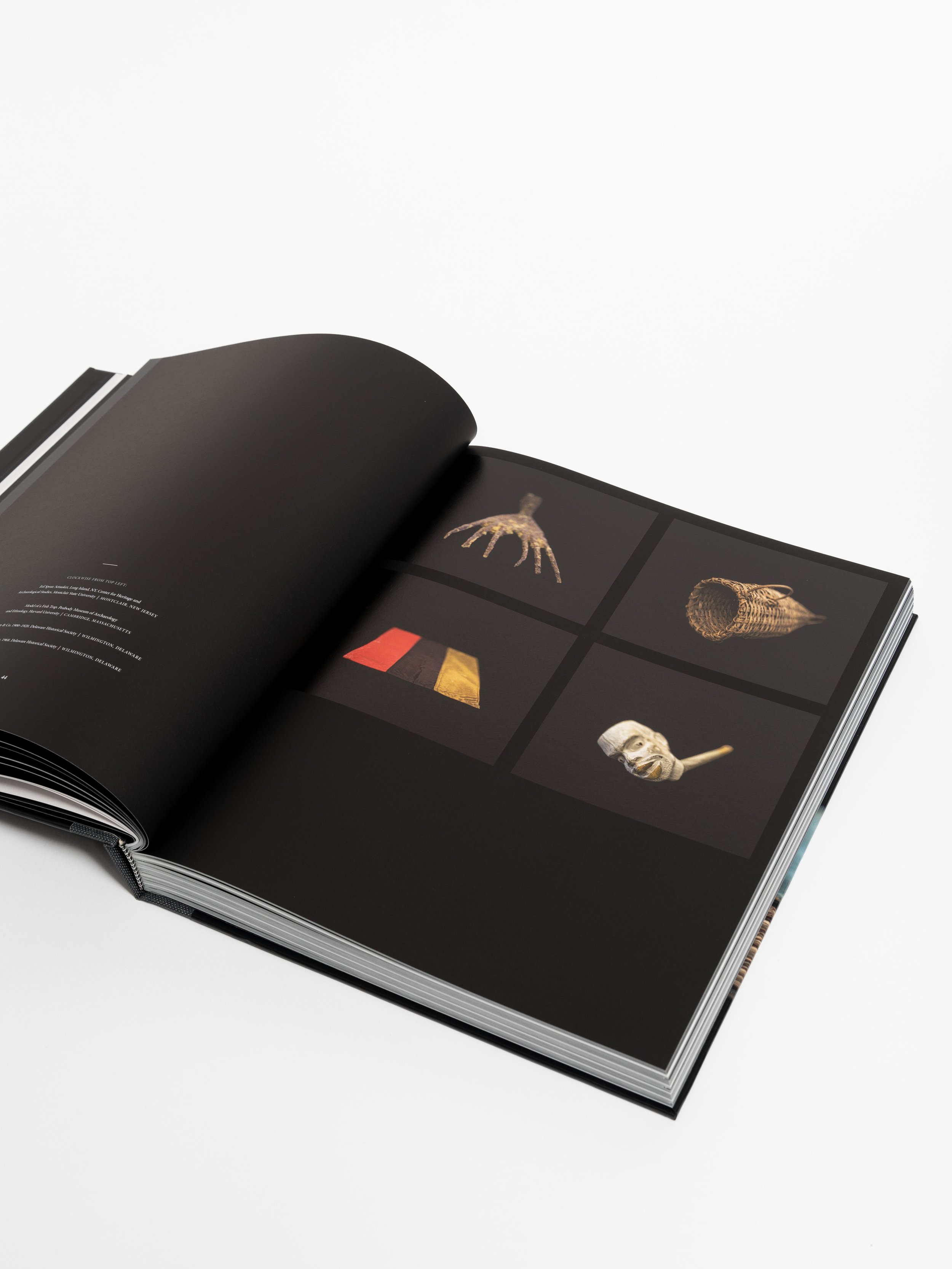 Image 8 of 8
FURTHER READING
Download the free PDF study guide created by Radius Books to accompany Wendel A. White: Manifest | Thirteen Colonies.
The Radius Books study guide series is conceived as a resource for educators, students, and individual readers alike.
YOU MAY ALSO LIKE

-
Artwork and text by Wendel A. White
Texts by Brenda Dione Tindal, Cheryl Finley, Deborah Willis, Ilisa Barbash, and Leigh RaifordHardcover
9.5 × 12 inches
298 pages / 235 images
Trade ISBN: 9798890180858
Signed ISBN: 9798890180865Co-published with the Peabody Museum of Archaeology & Ethnology, Harvard University
-
Wendel A. White (b. 1956, Newark, NJ) is currently Distinguished Professor of Art at Stockton University and has taught photography at the School of Visual Arts; The Cooper Union for the Advancement of Science and Art; the International Center of Photography; and the Rochester Institute of Technology. His work has received various awards and fellowships, including: Doctor of Arts (hc), Oakland University; Robert Gardner Fellow in Photography, Peabody Museum of Archaeology & Ethnology, Harvard University; John Simon Guggenheim Memorial Foundation Fellowship in Photography; Bunn Lectureship in Photography, Bradley University; four artist fellowships from the New Jersey State Council for the Arts; Graham Foundation for Advanced Studies in the Fine Arts; and New Works Photography Fellowship from En Foco Inc. His work is represented in museum and corporate collections, including the National Gallery of Art, Washington, DC; Mint Museum, Charlotte, NC; Museum of Fine Arts, Houston, TX; and Museum of Contemporary Photography, Chicago, IL; among many others.
For all our sakes, I hope Deborah Roberts continues to stake a claim, through her work, for a more expansive view of Black children.
– Dawoud Bey
Deborah Roberts: 20 Years of Art/Work provides the definitive look at the artist’s practice over the past two decades. With newly commissioned texts and a thorough dive into Roberts’ archive, this monograph offers a comprehensive view of one of today’s most significant artists and social observers. An extensive plate section is accompanied by a personal, heartfelt foreword from Dawoud Bey on “the tragic mischaracterization of Black children”; an insightful essay from Ekow Eshun on the social and political histories of innocence, race, and the fractured nature of the contemporary Black experience; a celebratory tribute from Carolyn Jean Martin on the musicality, humility, and generosity of Roberts’ practice; and a free-ranging conversation between Roberts and Sarah Elizabeth Lewis.
Since the beginning of her artistic career, otherness has been at the center of Roberts’ consciousness. Her early ideals of race and beauty were shaped by and linked through Renaissance art and fashion magazines— mythical, heroic, beautiful, and powerful images that embodied a particular status not afforded equally to anyone Roberts knew. Influencing the way she viewed herself and other African Americans, those images led her to investigate the way their identities had been imagined and shaped by societal interpretations of beauty. Having one’s identity dismantled, marginalized and regulated to non-human status demanded action. This led Roberts to critically engage image-making in art history and pop-culture, and ultimately grapple with whatever power and authority these images have over the female figure.