
 Image 1 of 11
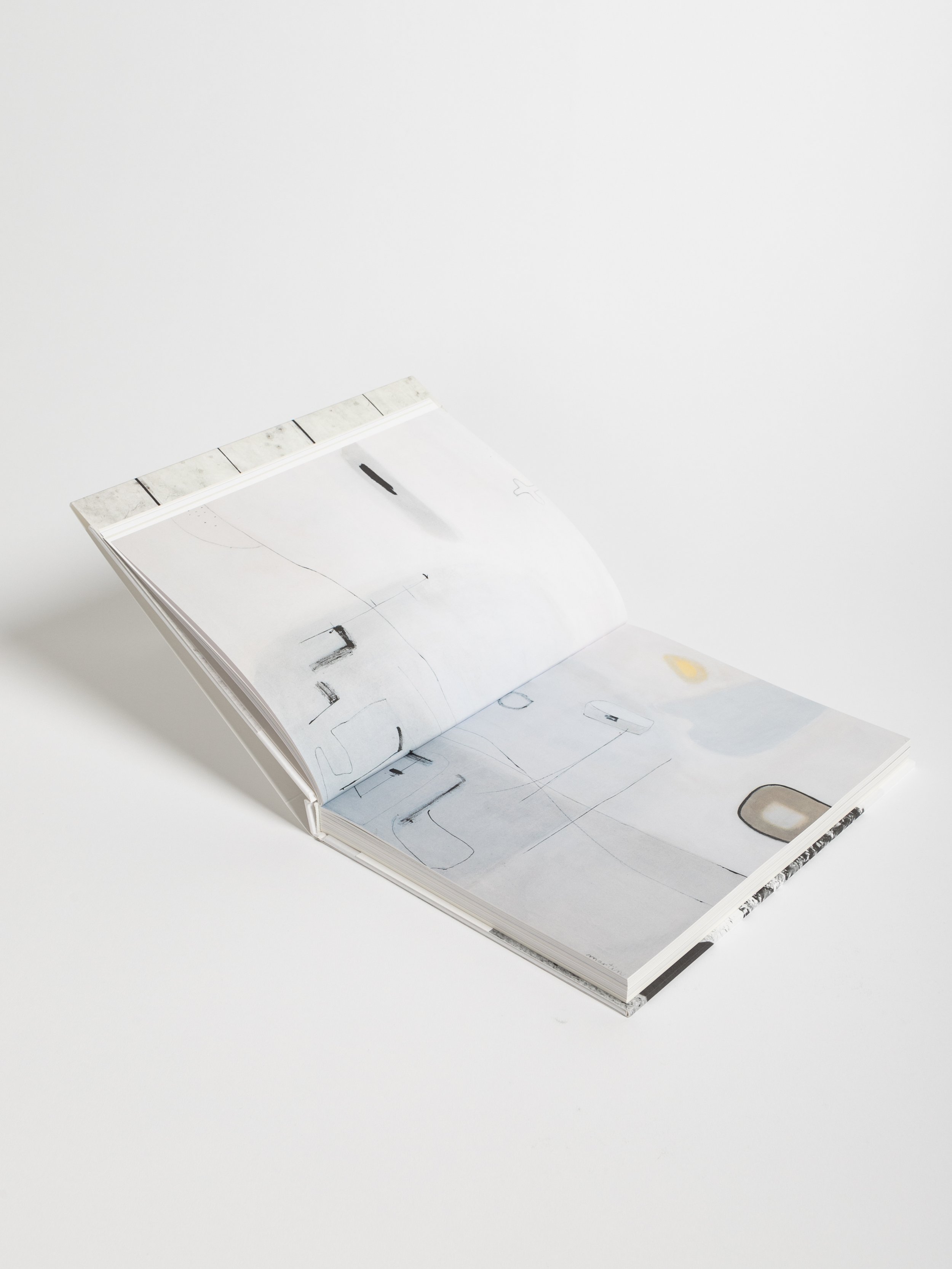 Image 2 of 11
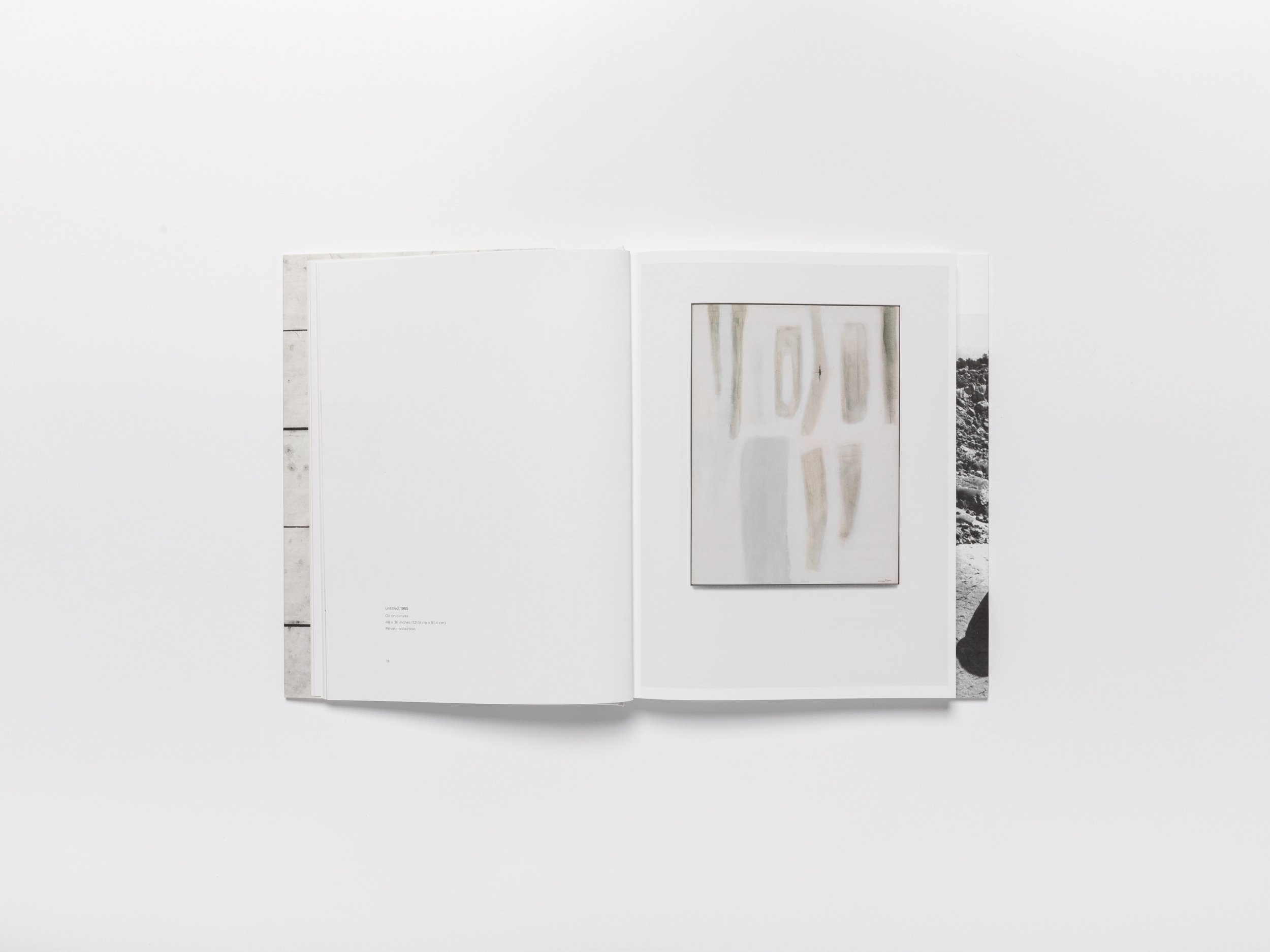 Image 3 of 11
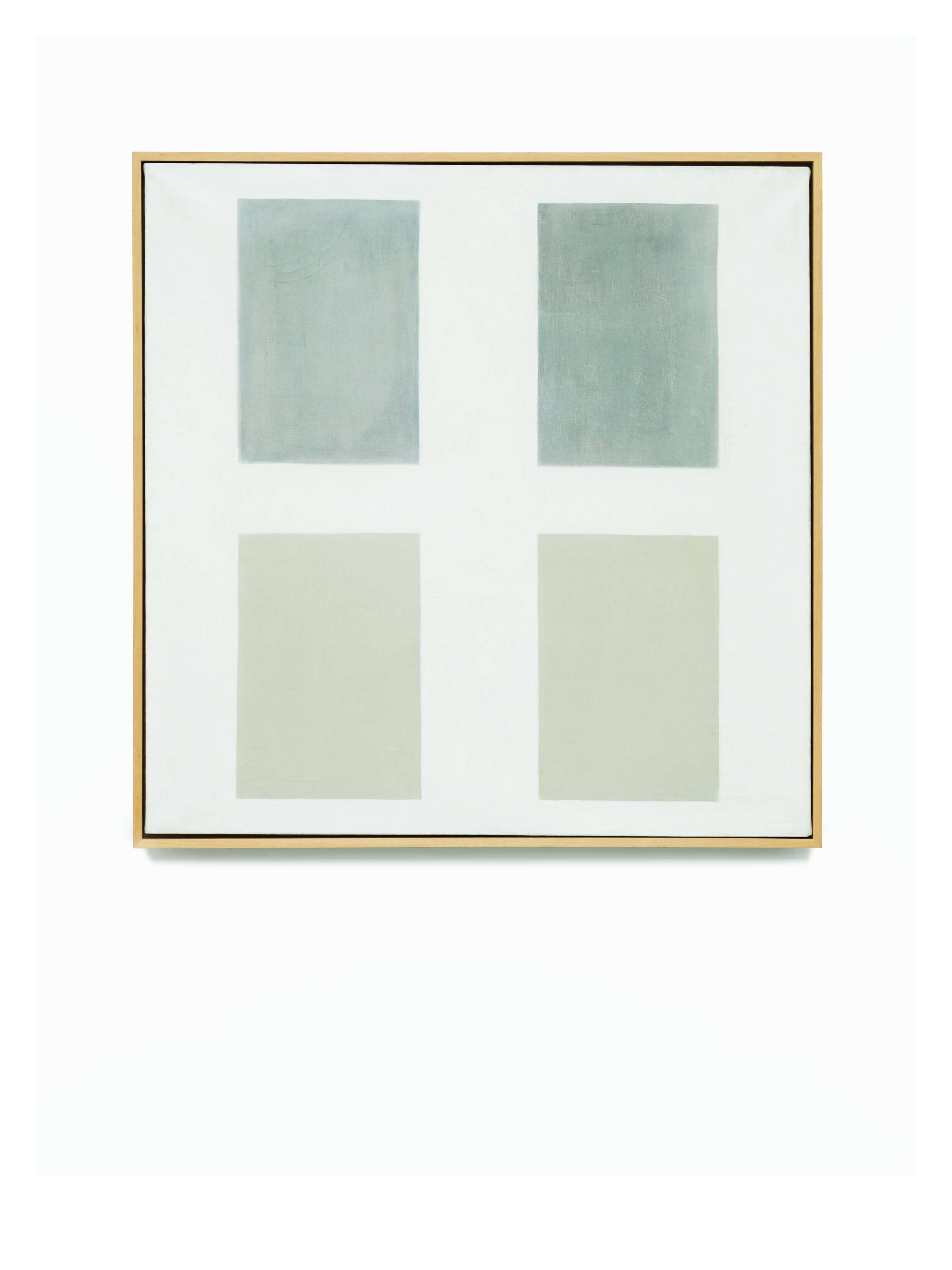 Image 4 of 11
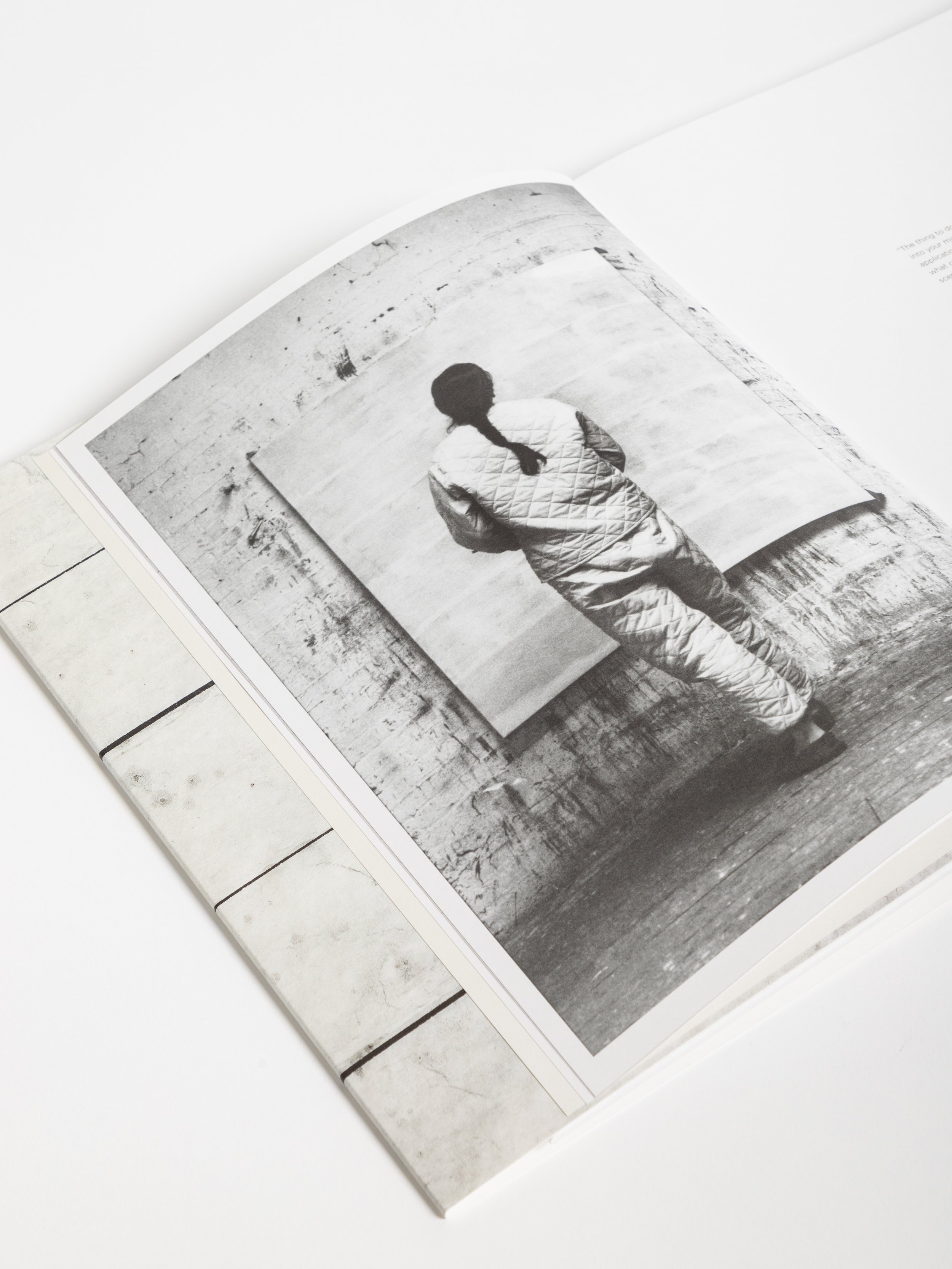 Image 5 of 11
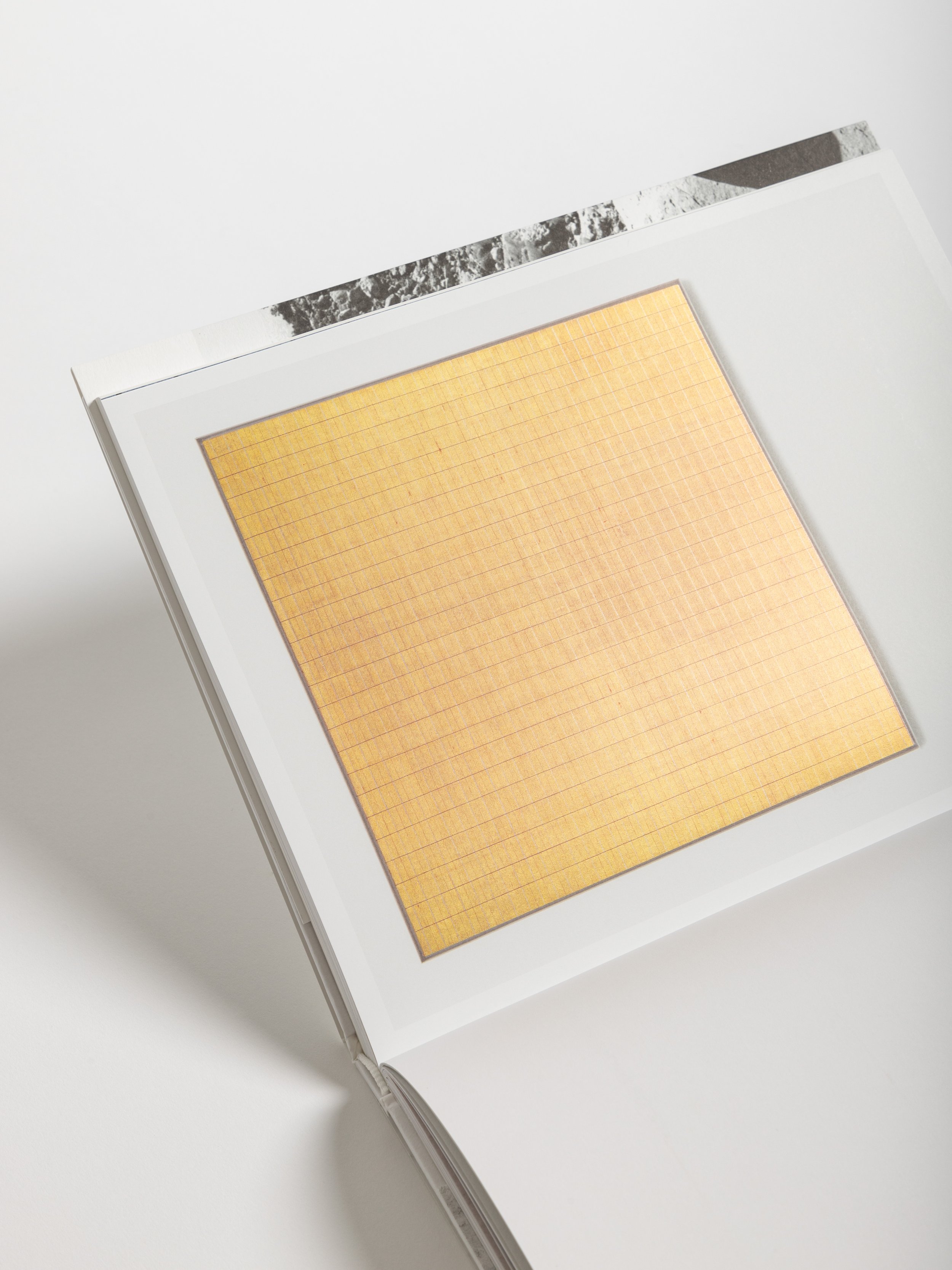 Image 6 of 11
 Image 7 of 11
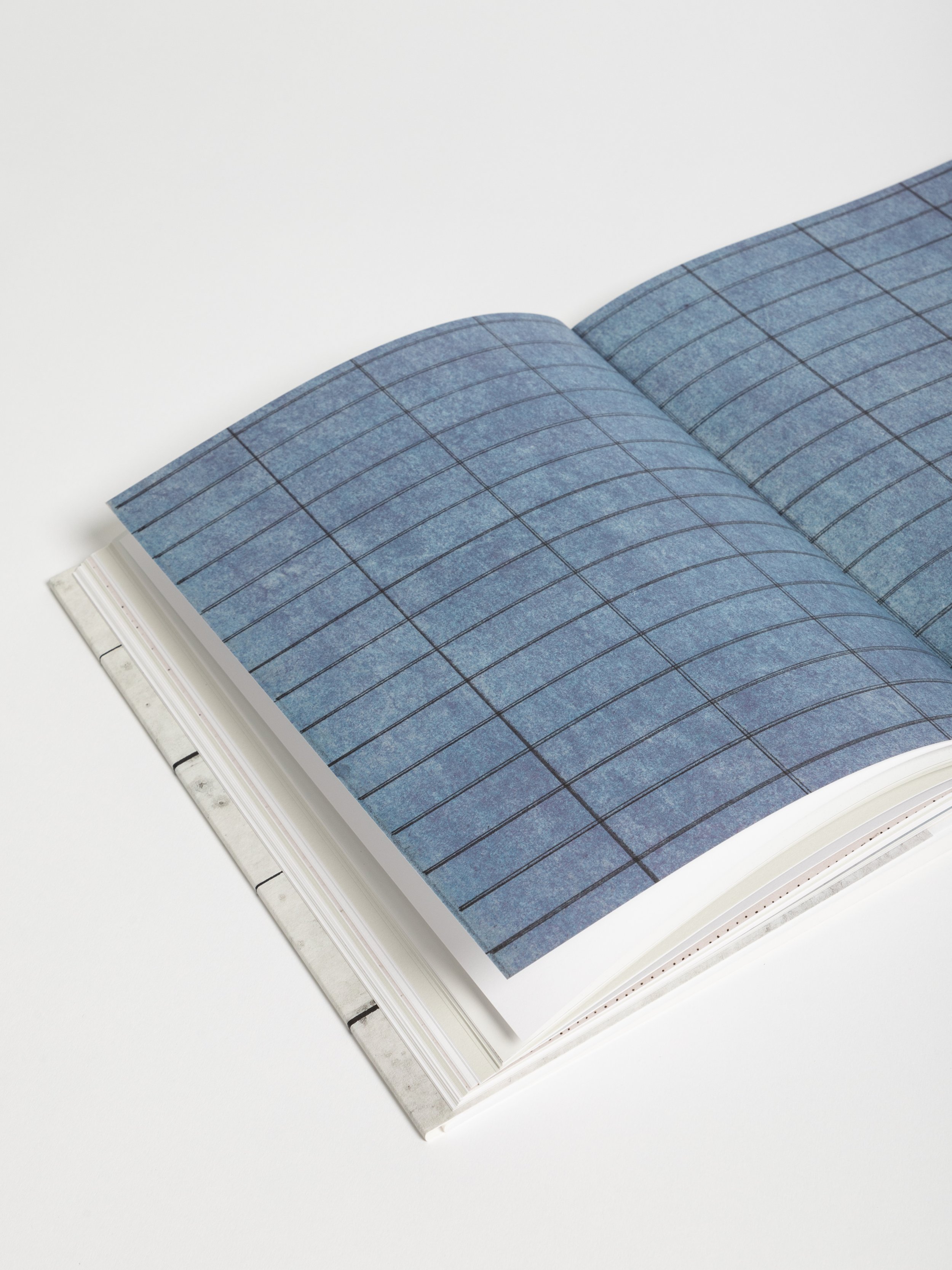 Image 8 of 11
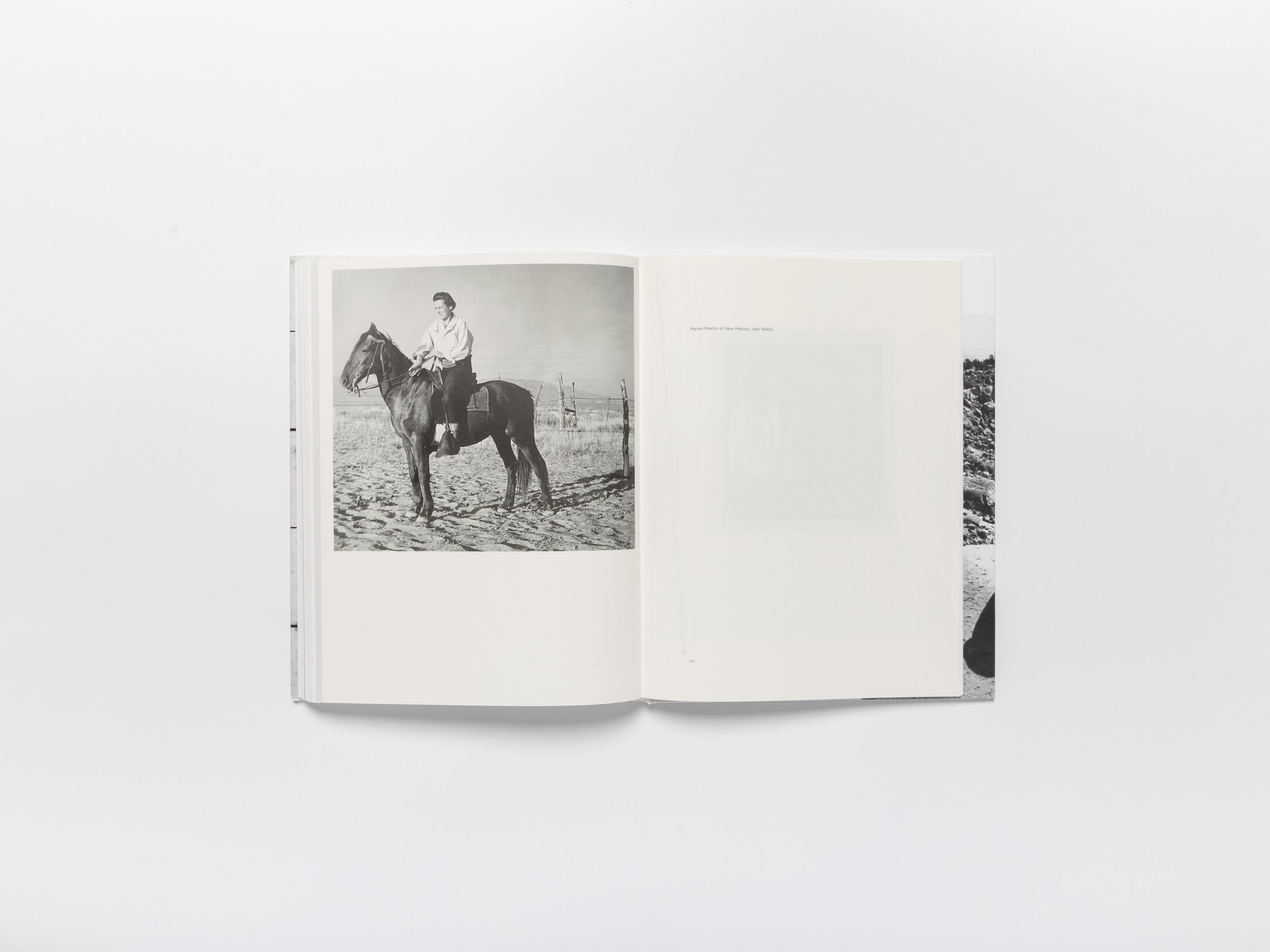 Image 9 of 11
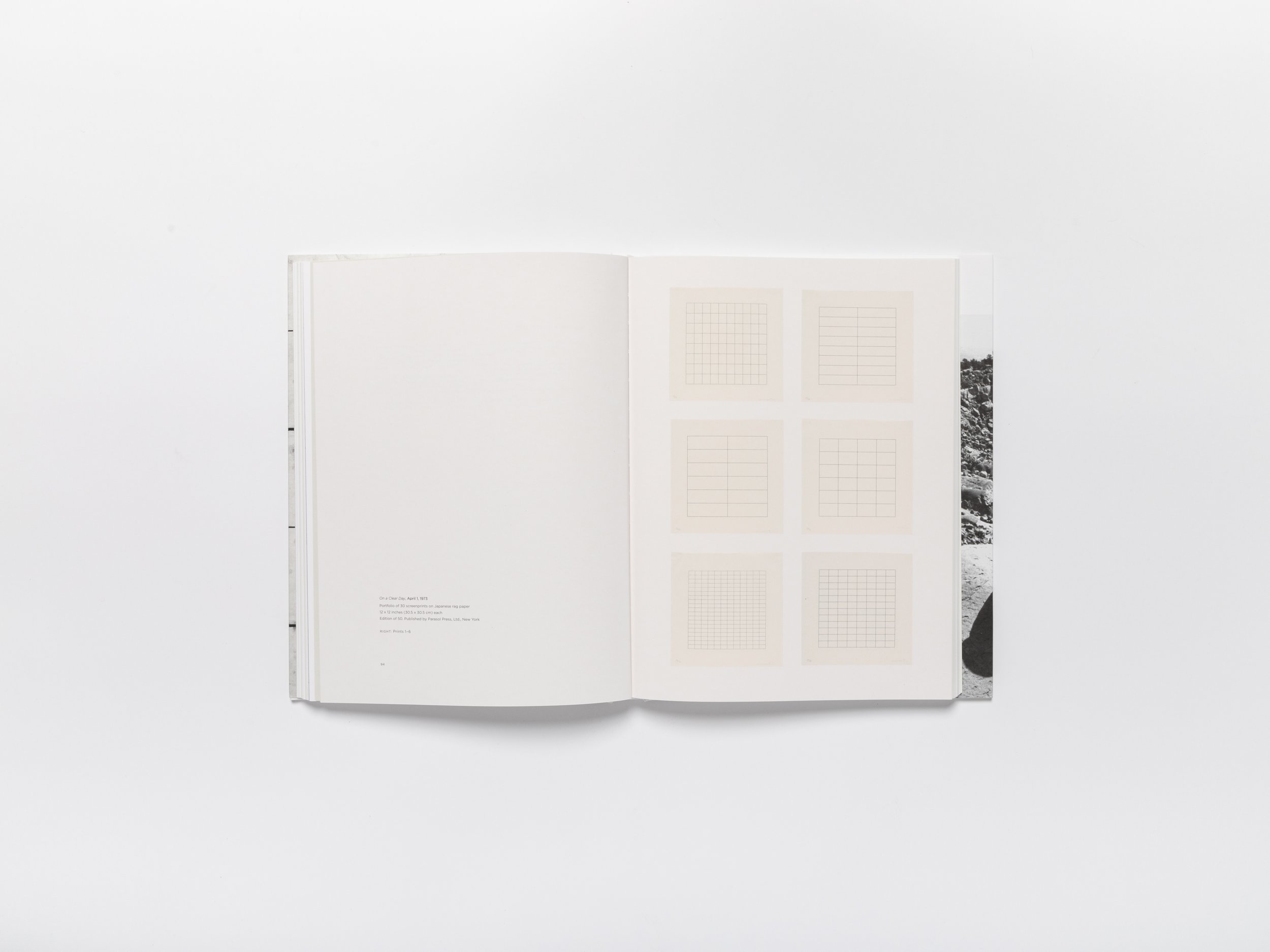 Image 10 of 11
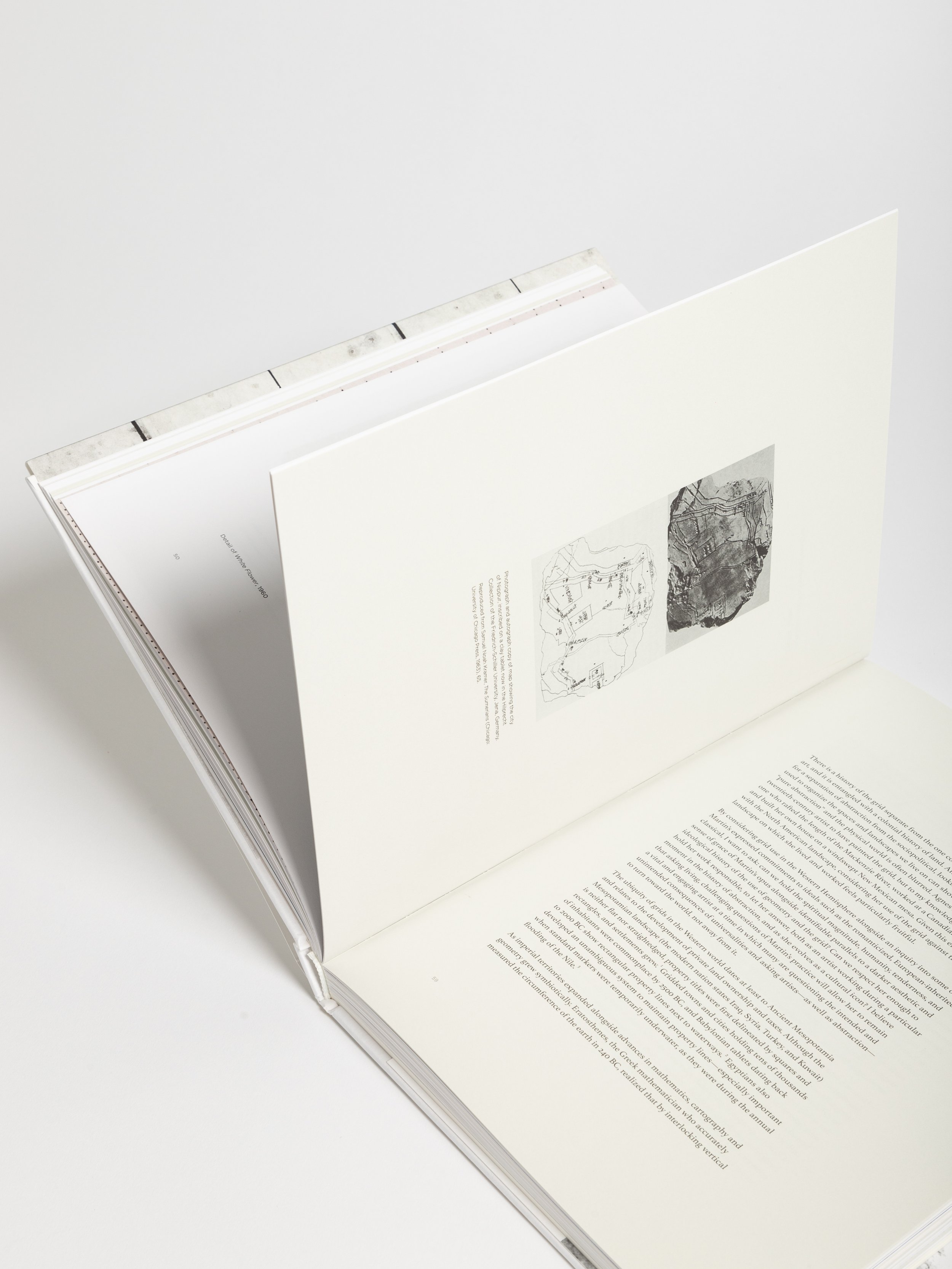 Image 11 of 11


-
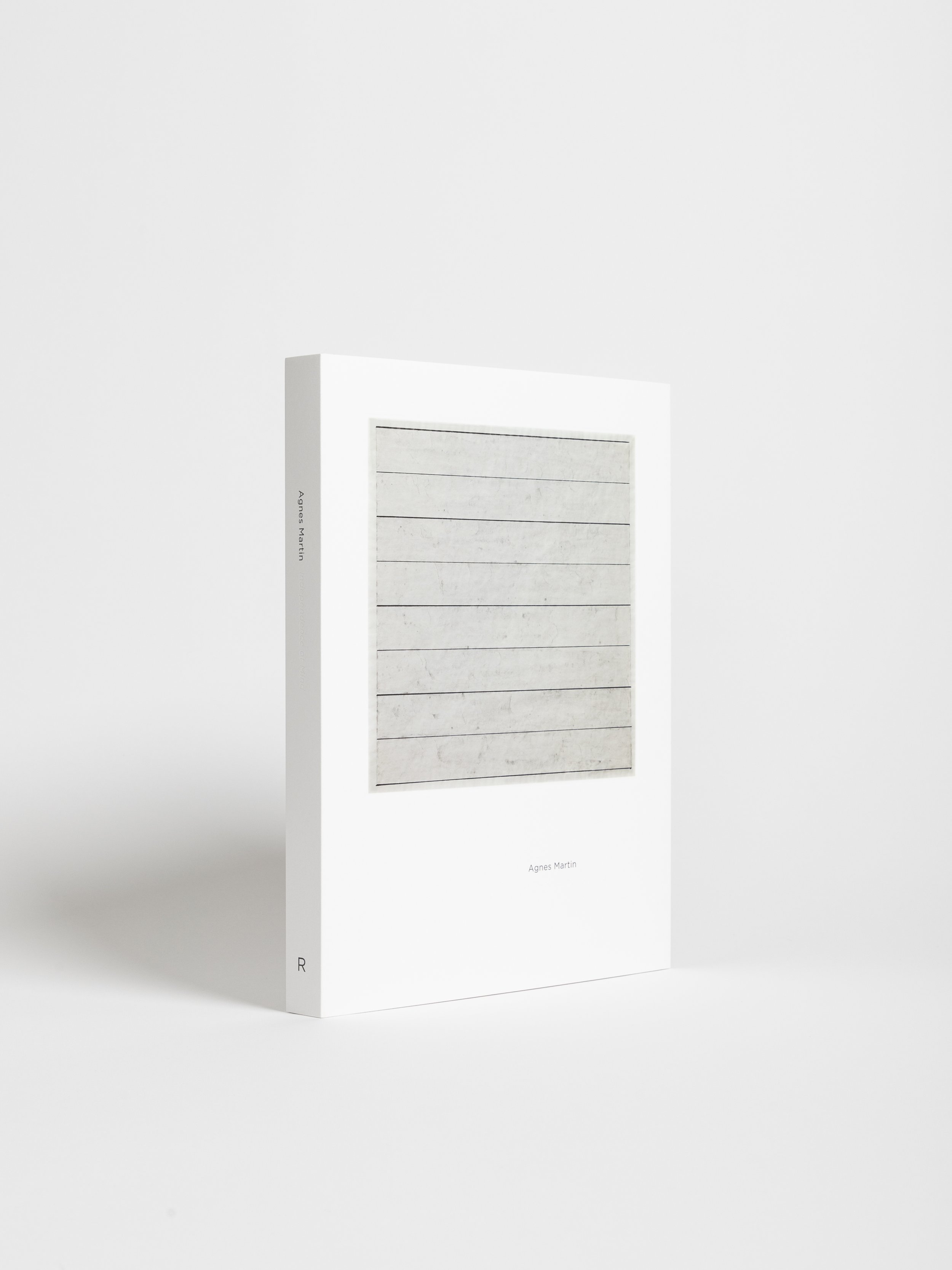
Artwork by Agnes Martin
Texts by Teju Cole, Bethany Hindmarsh, Bill Jacobson, Jennie C. Jones, James Sterling Pitt, Alison Rossiter, Jenn Shapland, Darcey Steinke, Martha Tuttle, and Susan YorkEdited by Chelsea Weathers
Hardcover with jacket
8.25 x 11 inches
192 pages / 90 images
ISBN: 9781942185871Trade: $55
-
One of the most renowned artists of the Minimalist movement, Agnes Martin (1912-2004) was born on a farm in rural Saskatchewan, Canada. She immigrated to the US in 1932 in the hopes of becoming a teacher. After earning a degree in art education, she moved to Taos, New Mexico, where she made abstract paintings with organic forms, which attracted the attention of renowned New York gallerist Betty Parsons, who convinced the artist to join her roster and move to New York in 1957. There, Martin lived and worked on Coenties Slip, a street in Lower Manhattan, alongside a community of artists—including Robert Indiana, Ellsworth Kelly, and Jack Youngerman—who were all drawn to the area’s cheap rents, expansive loft spaces and proximity to the East River. The paintings she made while in New York combine the geometric abstraction of her earlier Taos work with the newfound inspiration of the harbor landscape, evident in her choice of blue-gray palette.
Over the course of the next decade, Martin developed her signature format: six-by-six foot painted canvases, covered from edge to edge with meticulously penciled grids and finished with a thin layer of gesso. Though she often showed with other New York abstractionists, Martin’s focused pursuit charted new terrain that lay outside of both the broad gestural vocabulary of Abstract Expressionism and the systematic repetitions of Minimalism. Rather, her practice was tethered to spirituality and drew from a mix of Zen Buddhist and American Transcendentalist ideas. For Martin, painting was “a world without objects, without interruption… or obstacle. It is to accept the necessity of … going into a field of vision as you would cross an empty beach to look at the ocean.”
In 1967, at the height of her career, Martin faced the loss of her home to new development, the sudden death of her friend Ad Reinhardt, and the growing strain of mental illness; she left New York, and returned to Taos, where she abandoned painting, instead pursuing writing and meditation in isolation. Her return to painting in 1974 was marked by a subtle shift in style: no longer defined by the delicate graphite grid, these new compositions such display bolder geometric schemes—like distant relatives of her earliest works. In these late paintings, Martin evoked the warm palette of the arid desert landscape where she remained for the rest of her life.
Georgia O’Keeffe’s early watercolor paintings: vivid, free-wheeling and full of surprise.
– Karen Wada, Los Angeles Times
Georgia O'Keeffe: Watercolors catalogs the first major exhibition in 2016 of the nearly 50 watercolors created by O’Keeffe between 1916 and 1918, while she lived in Canyon, Texas. These years mark a period of radical innovation for the artist, during which she firmly established her commitment to abstraction. While her work in Texas is often understood as merely a prelude to her career in New York City, these watercolors and drawings mark a seminal stage in O’Keeffe’s artistic formation, representing the pivotal intersection of her disciplined art practice and her allegiance to the revolutionary techniques of her mentor, Arthur Wesley Dow.
O’Keeffe’s watercolors explore the texture and landscape of the Texas desert and the artist’s own body in an exceptionally fragile and sensitive medium, representing a substantial achievement in their own right. These early works also relate to O’Keeffe’s large-scale oil paintings, which in their handling of color and texture in some ways seem to aspire to the condition of watercolor.