Image 1 of 9
Image 2 of 9
Image 3 of 9
Image 4 of 9
Image 5 of 9
Image 6 of 9
Image 7 of 9
Image 8 of 9
Image 9 of 9
Georgia O’Keeffe: Watercolors 1916–1918
Georgia O’Keeffe’s early watercolor paintings: vivid, free-wheeling and full of surprise.
– Karen Wada, Los Angeles Times
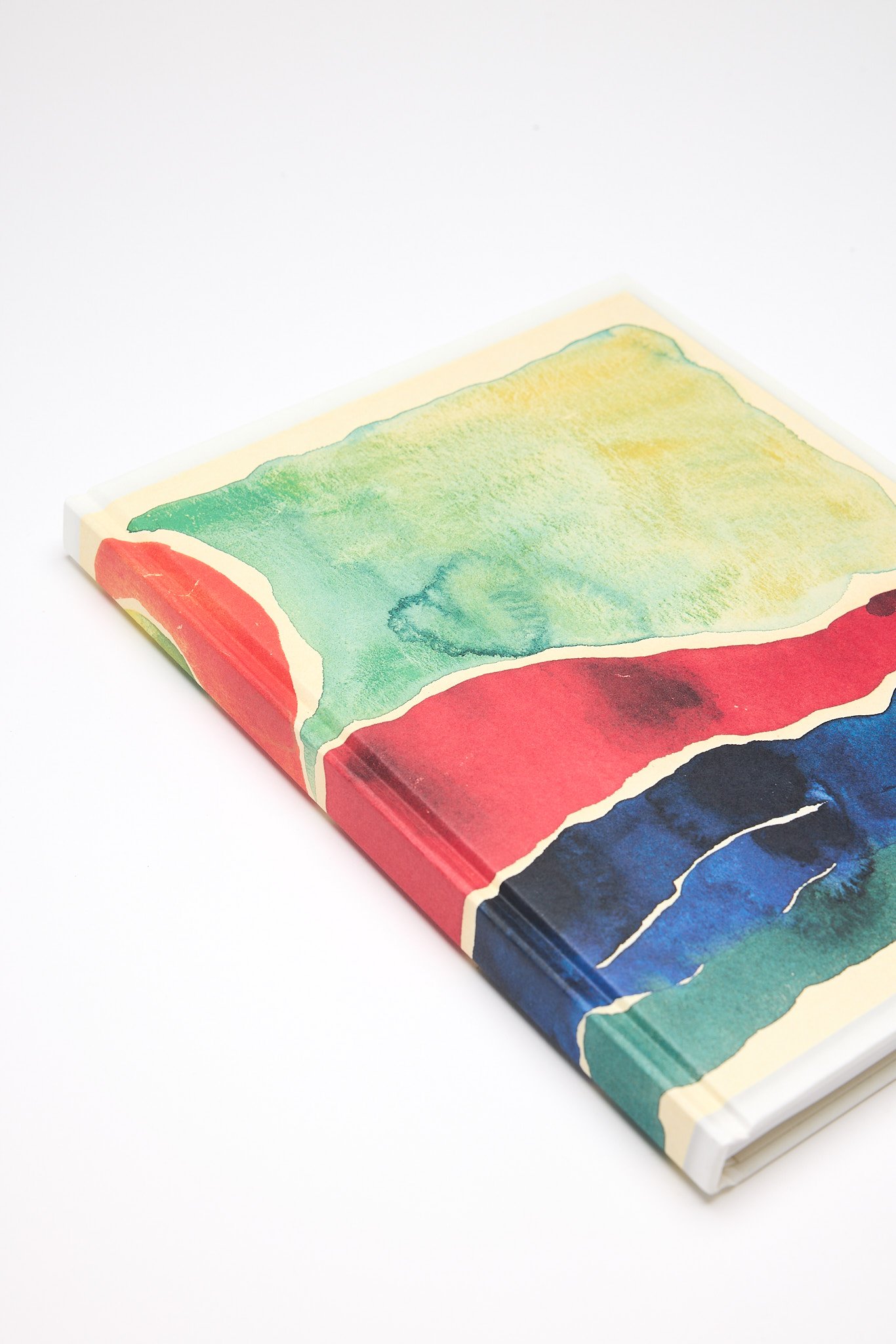
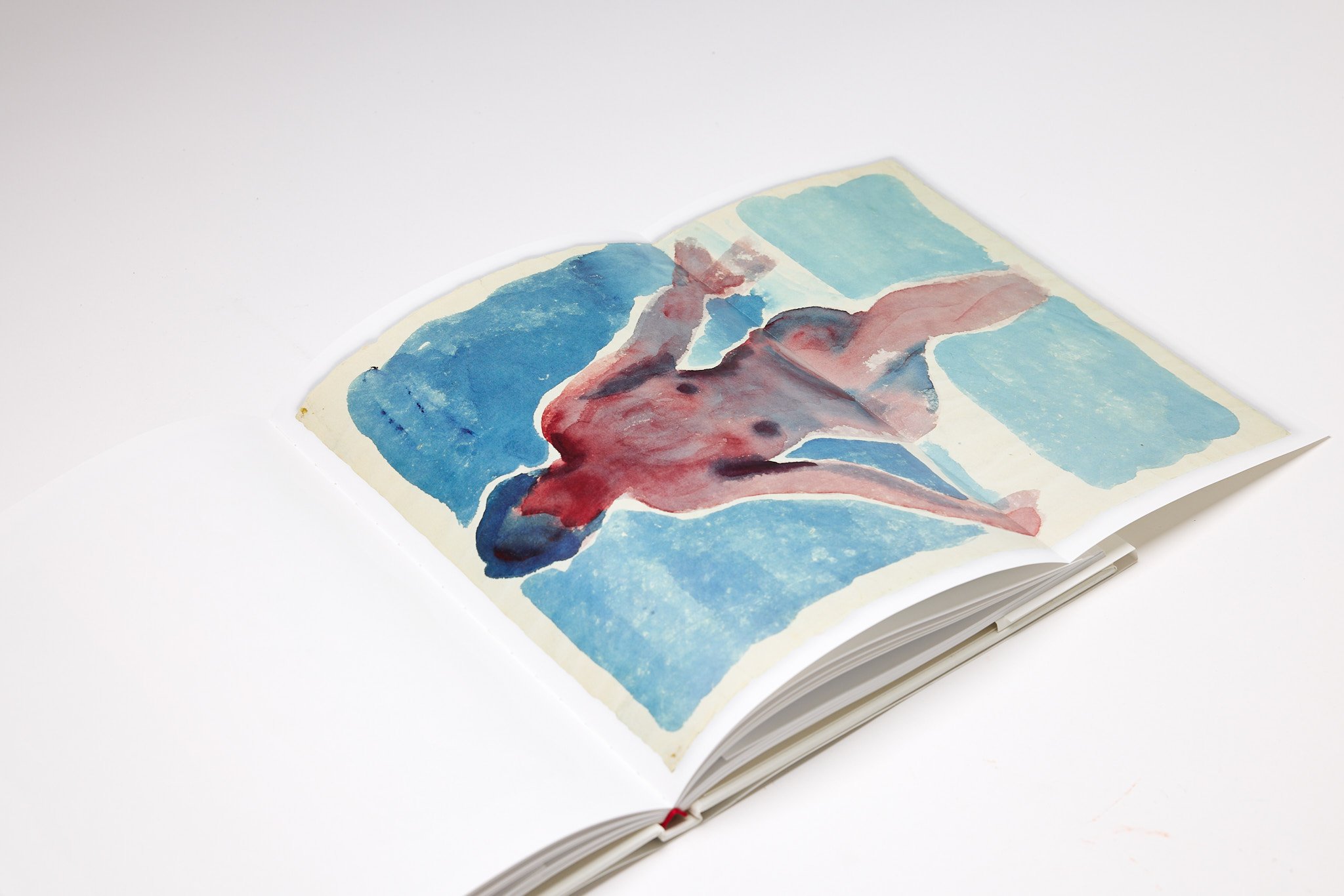
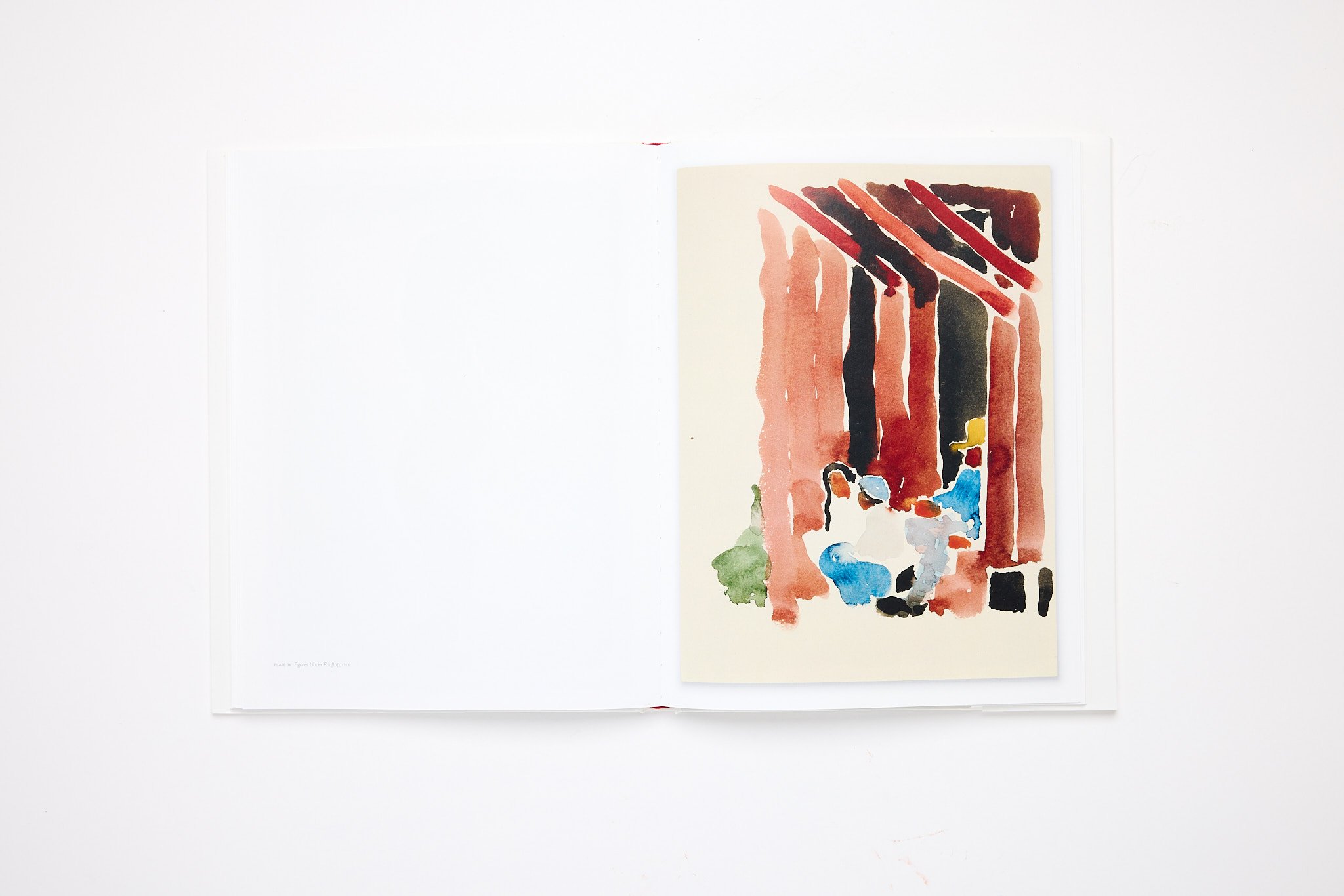
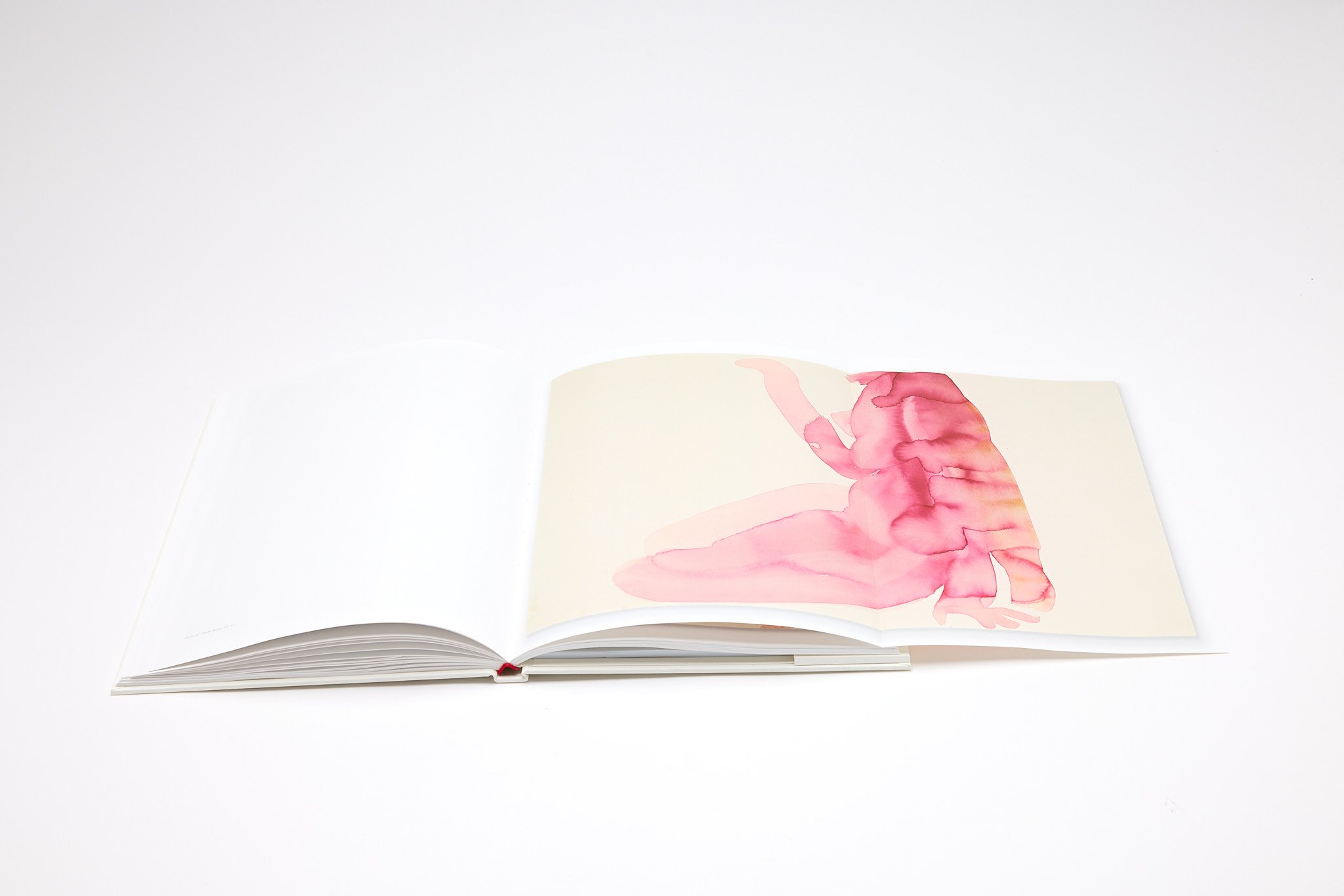
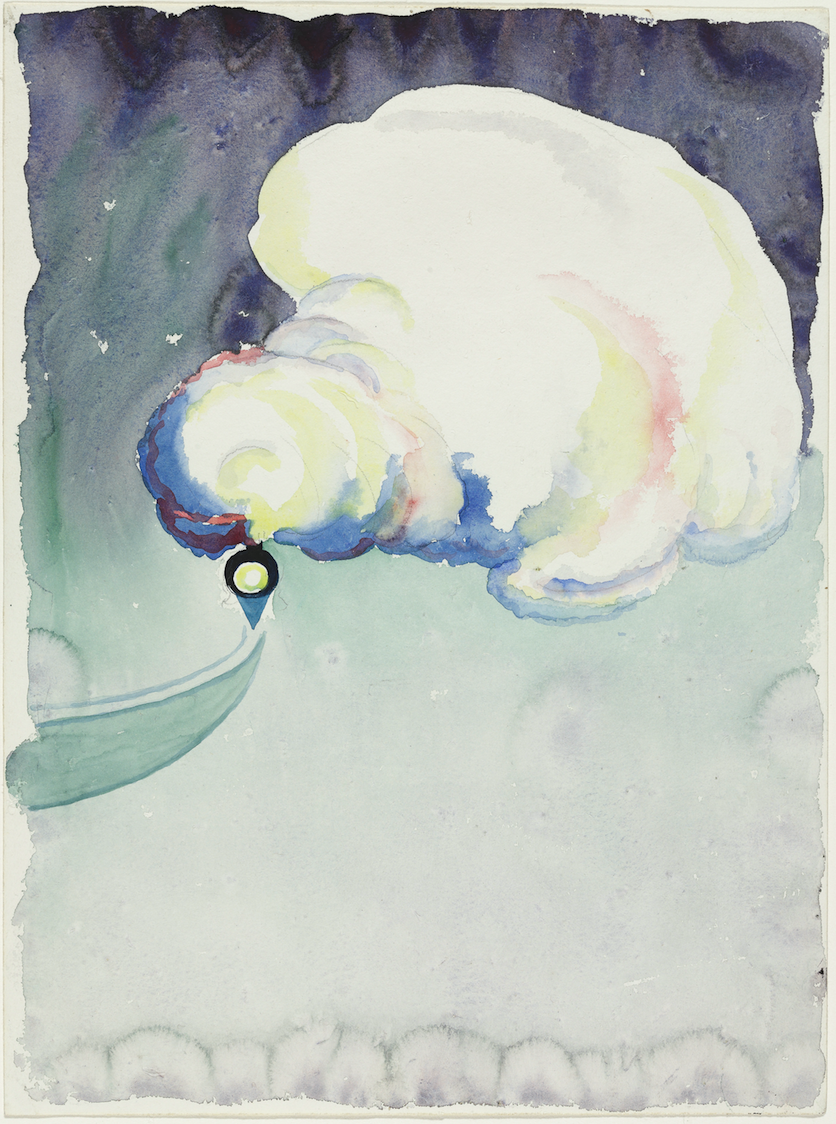
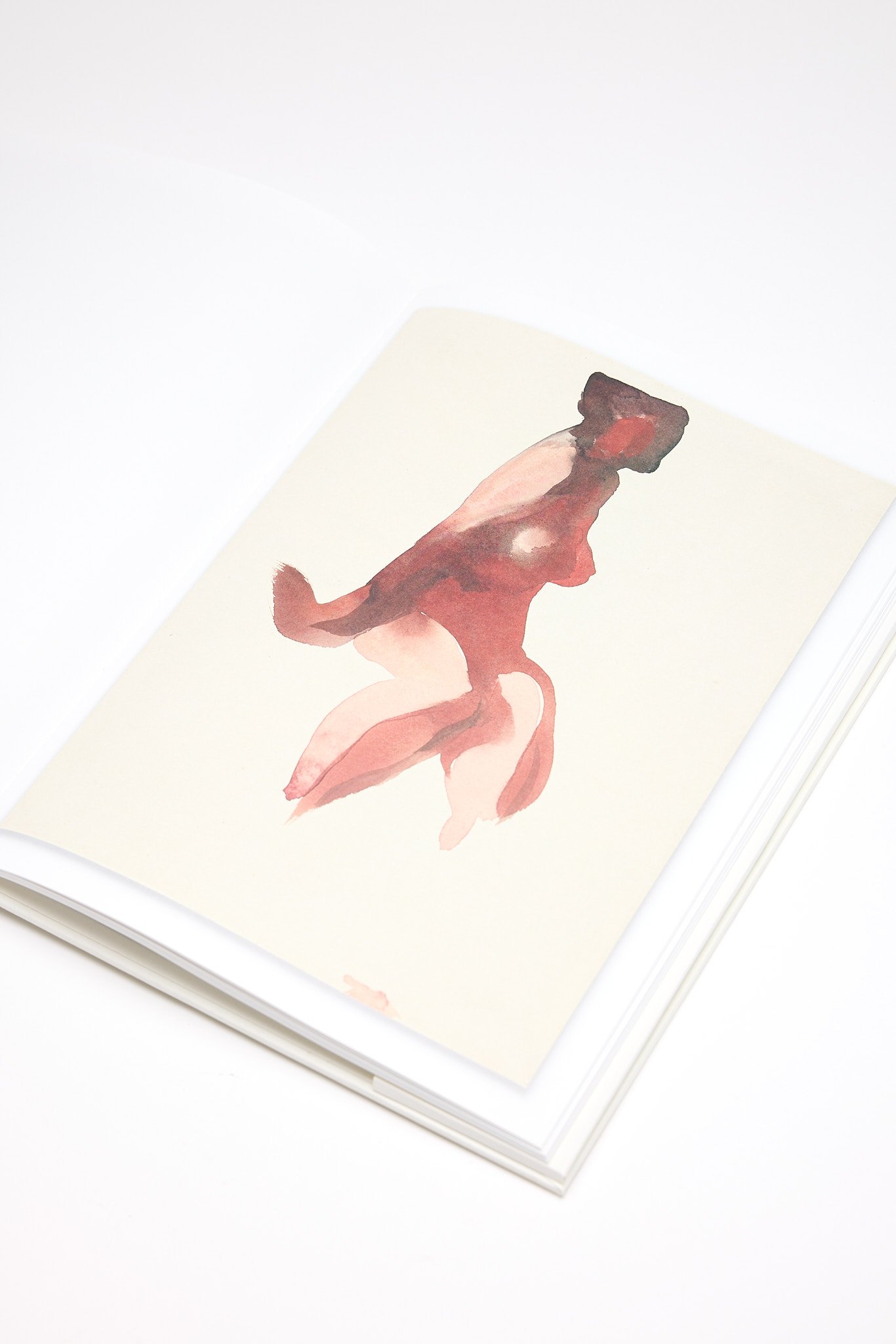
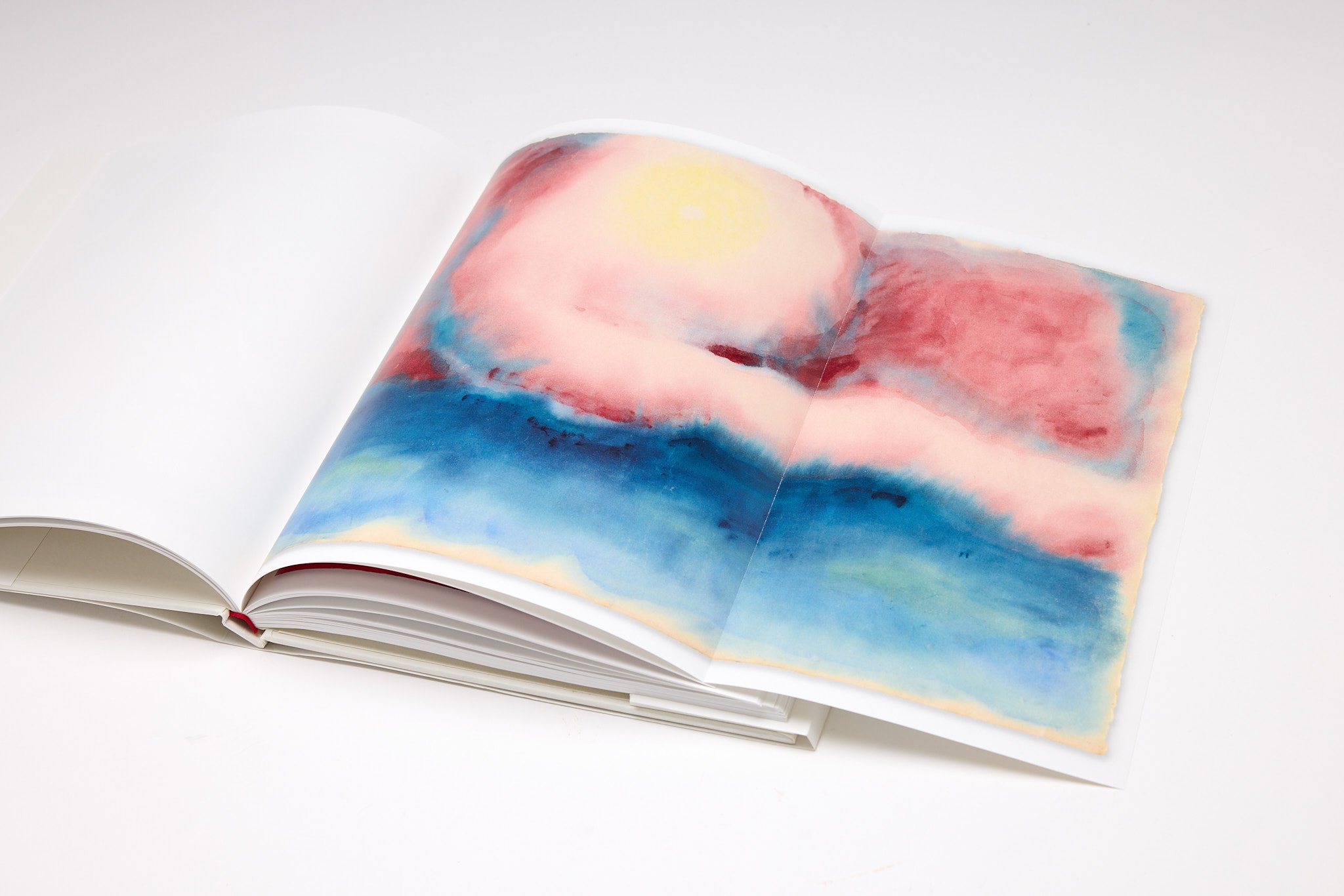
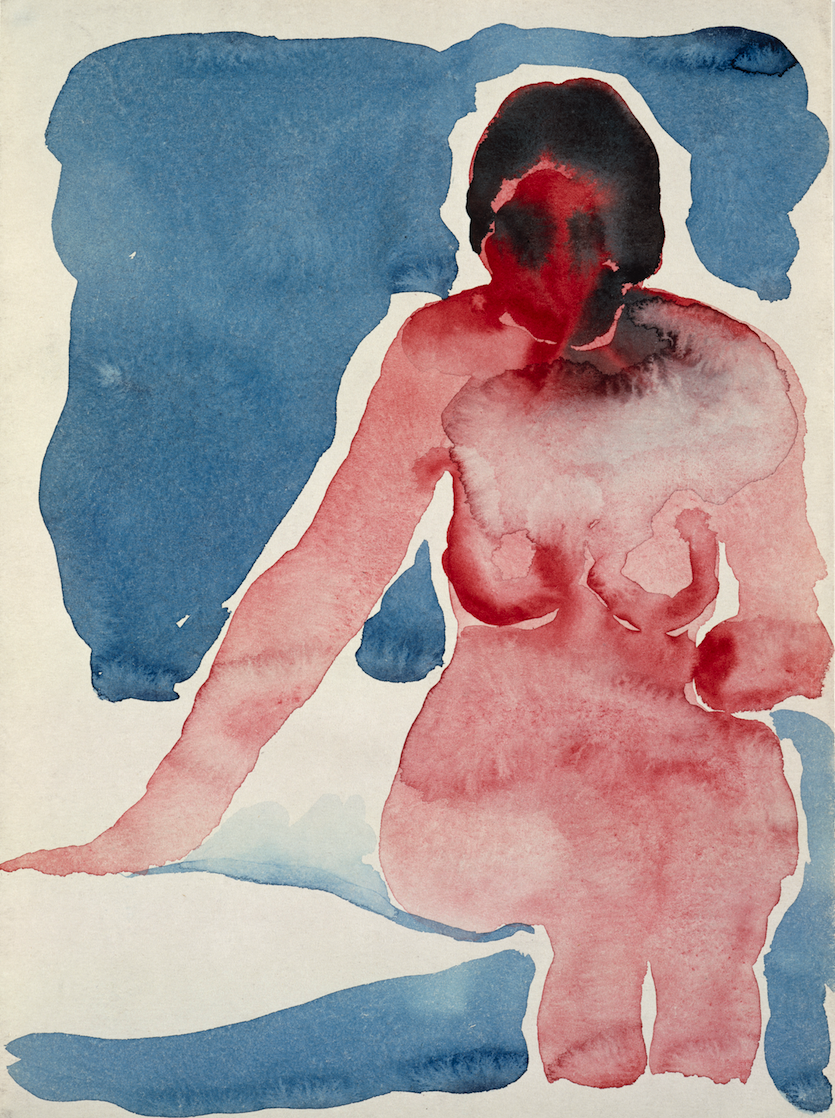
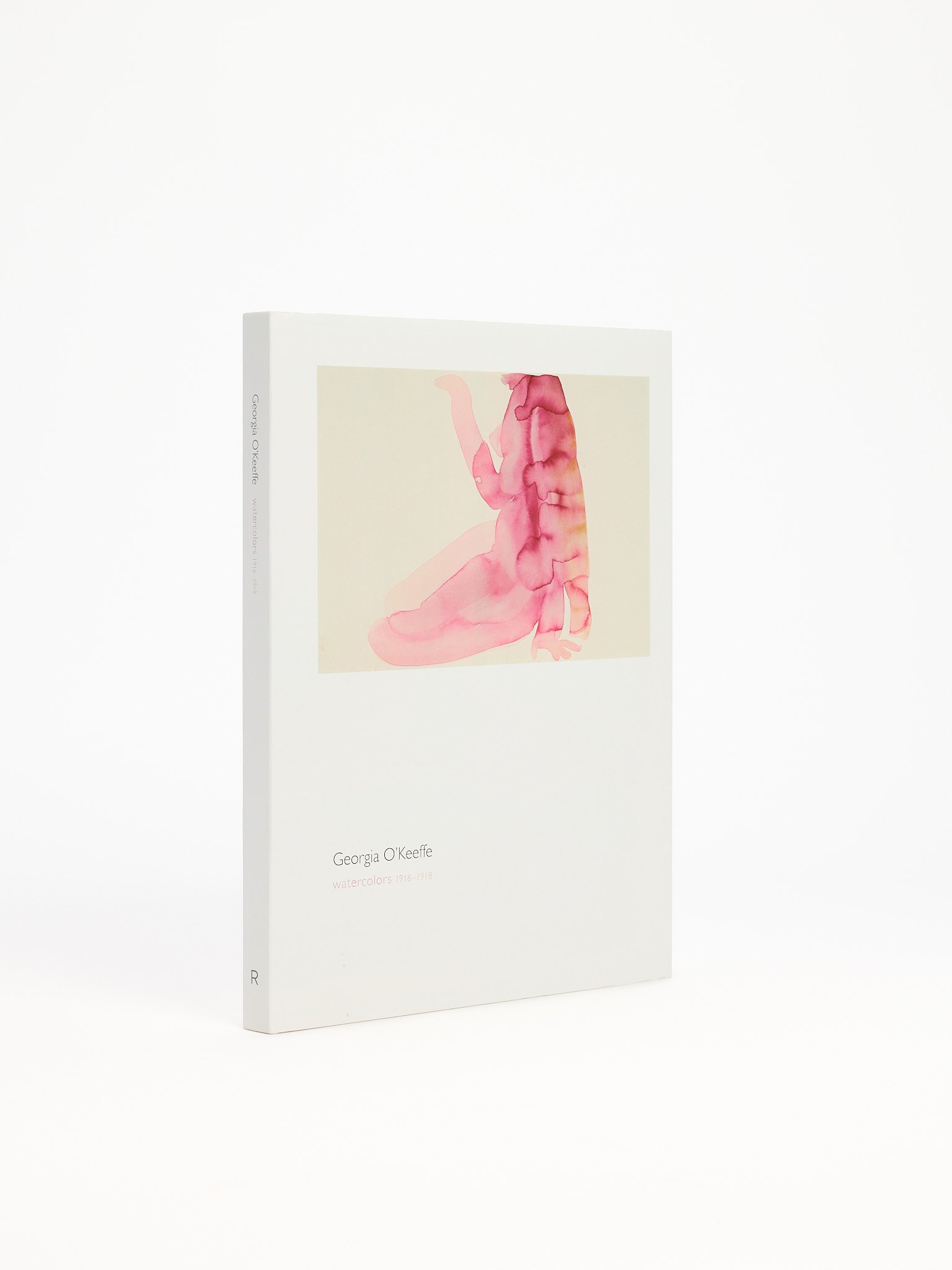
Georgia O'Keeffe: Watercolors catalogs the first major exhibition in 2016 of the nearly 50 watercolors created by O’Keeffe between 1916 and 1918, while she lived in Canyon, Texas. These years mark a period of radical innovation for the artist, during which she firmly established her commitment to abstraction. While her work in Texas is often understood as merely a prelude to her career in New York City, these watercolors and drawings mark a seminal stage in O’Keeffe’s artistic formation, representing the pivotal intersection of her disciplined art practice and her allegiance to the revolutionary techniques of her mentor, Arthur Wesley Dow.
O’Keeffe’s watercolors explore the texture and landscape of the Texas desert and the artist’s own body in an exceptionally fragile and sensitive medium, representing a substantial achievement in their own right. These early works also relate to O’Keeffe’s large-scale oil paintings, which in their handling of color and texture in some ways seem to aspire to the condition of watercolor.
Georgia O’Keeffe’s early watercolor paintings: vivid, free-wheeling and full of surprise.
– Karen Wada, Los Angeles Times
Georgia O'Keeffe: Watercolors catalogs the first major exhibition in 2016 of the nearly 50 watercolors created by O’Keeffe between 1916 and 1918, while she lived in Canyon, Texas. These years mark a period of radical innovation for the artist, during which she firmly established her commitment to abstraction. While her work in Texas is often understood as merely a prelude to her career in New York City, these watercolors and drawings mark a seminal stage in O’Keeffe’s artistic formation, representing the pivotal intersection of her disciplined art practice and her allegiance to the revolutionary techniques of her mentor, Arthur Wesley Dow.
O’Keeffe’s watercolors explore the texture and landscape of the Texas desert and the artist’s own body in an exceptionally fragile and sensitive medium, representing a substantial achievement in their own right. These early works also relate to O’Keeffe’s large-scale oil paintings, which in their handling of color and texture in some ways seem to aspire to the condition of watercolor.
YOU MAY ALSO LIKE
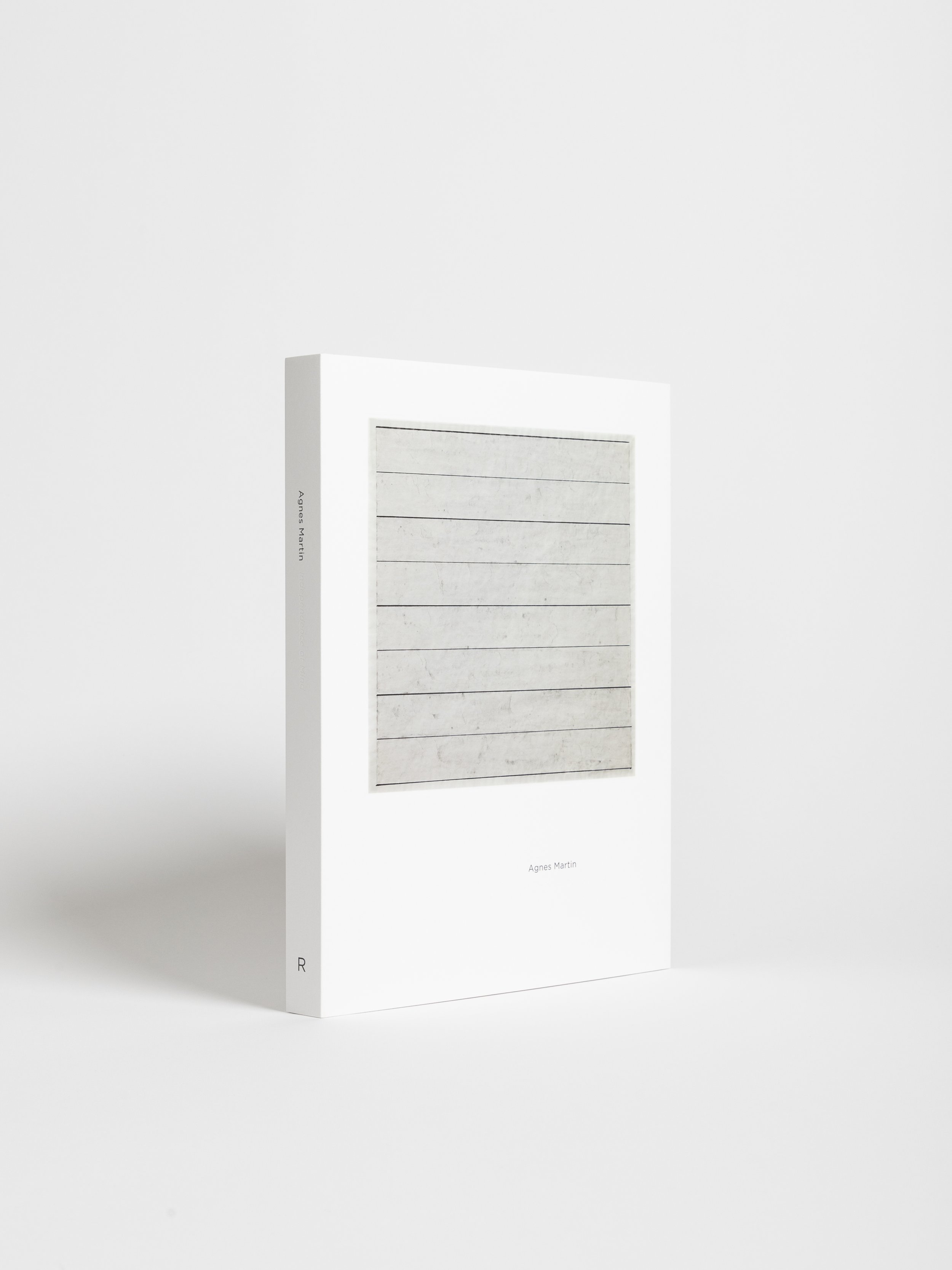
I think we’ve fallen into an elaborate but beneficent trap that Agnes Martin has set for us. She gives the paintings these titles so that when you speak of them, you can say something like, “I love Happiness” or “I’m very moved by Innocence” or “I came around a corner and saw Friendship.” She’s giving us language in an unembarrassed way, so that things can happen to us when we actually say those words.
— Teju Cole
This is a re-envisioned, fresh look at Agnes Martin, the enigmatic, influential, highly independent painter whose life (1912–2004) spanned much of the twentieth century and extended into the twenty-first. Martin’s abstract, deceptively simple paintings continue to resonate with contemporary artists and writers. In a series of essays commissioned especially for this volume, the contributors write about Martin’s influence on their creative lives and work, and offer new interpretations that defy stereotyped notions about Martin’s life. The result is a varied tapestry of voices, proving that Martin’s art still influences the contemporary world, and offering glimpses into modes of being and making that are still relevant nearly two decades after her death.
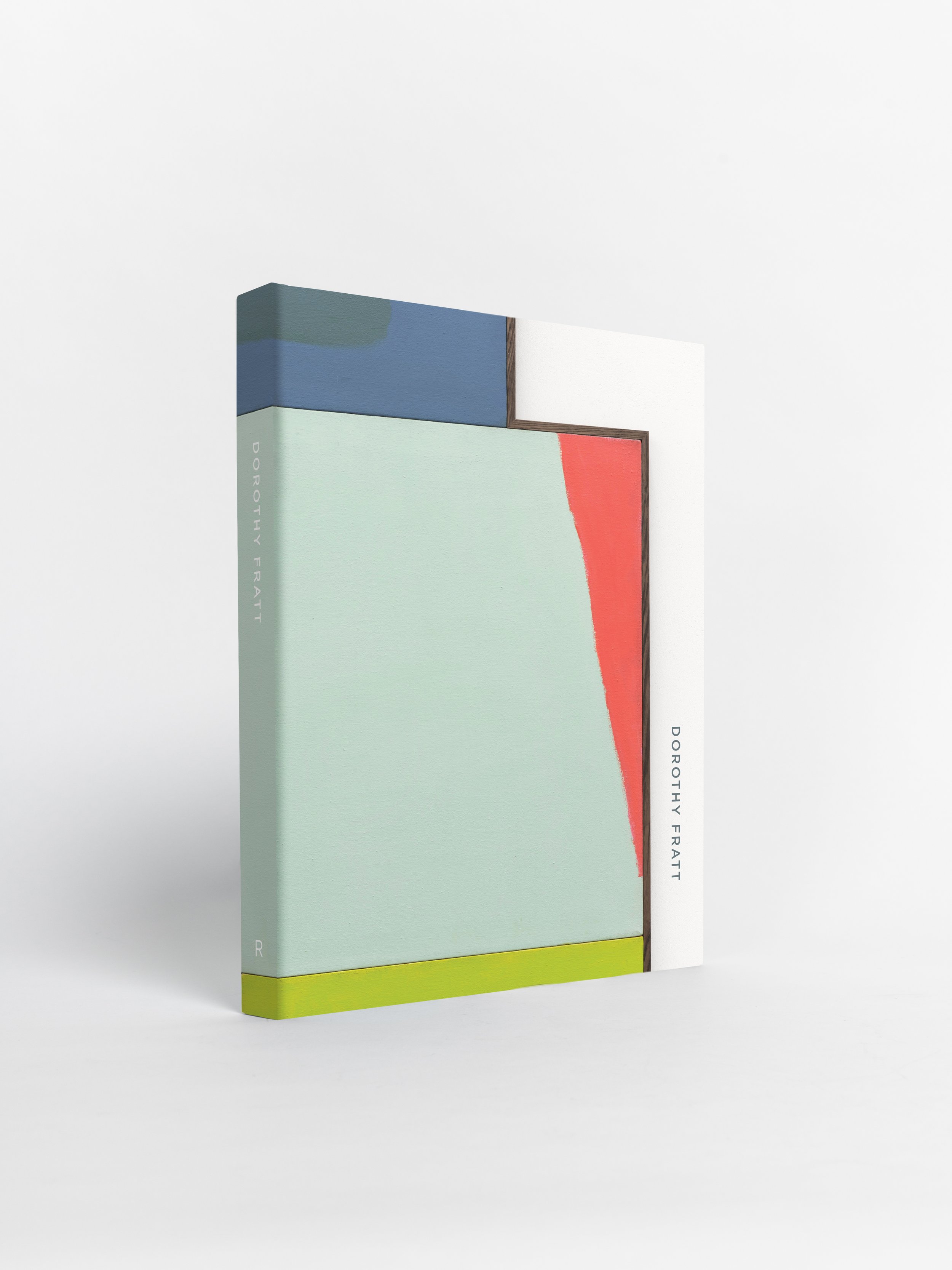
Dorothy Fratt was published in conjunction with the first major US museum exhibition on the prolific, yet underrecognized, American painter Dorothy Fratt (1923–2017). Born in Washington, DC, and associated with the Washington Color School in the early 1950s, Fratt moved to Arizona in 1958 and would go on to forge her own style of abstraction more closely tied to the Southwest United States. Although Fratt’s paintings are often classified as color field and Abstract Expressionist, her use of color and expression of her surroundings evolved into a prolific body of work that idiosyncratically emotes landscape, atmosphere, gesture, and mood on her own terms.
Spanning five decades of the artist’s oeuvre, Dorothy Fratt includes a selection of foundational early works alongside numerous paintings that exemplify Fratt’s vibrant and distinct style of abstraction. The book also features an extended biography, ephemera from Fratt’s life, and a conversation with contemporary artists Teresa Baker, Caroline Kent, and Rebecca Ward.
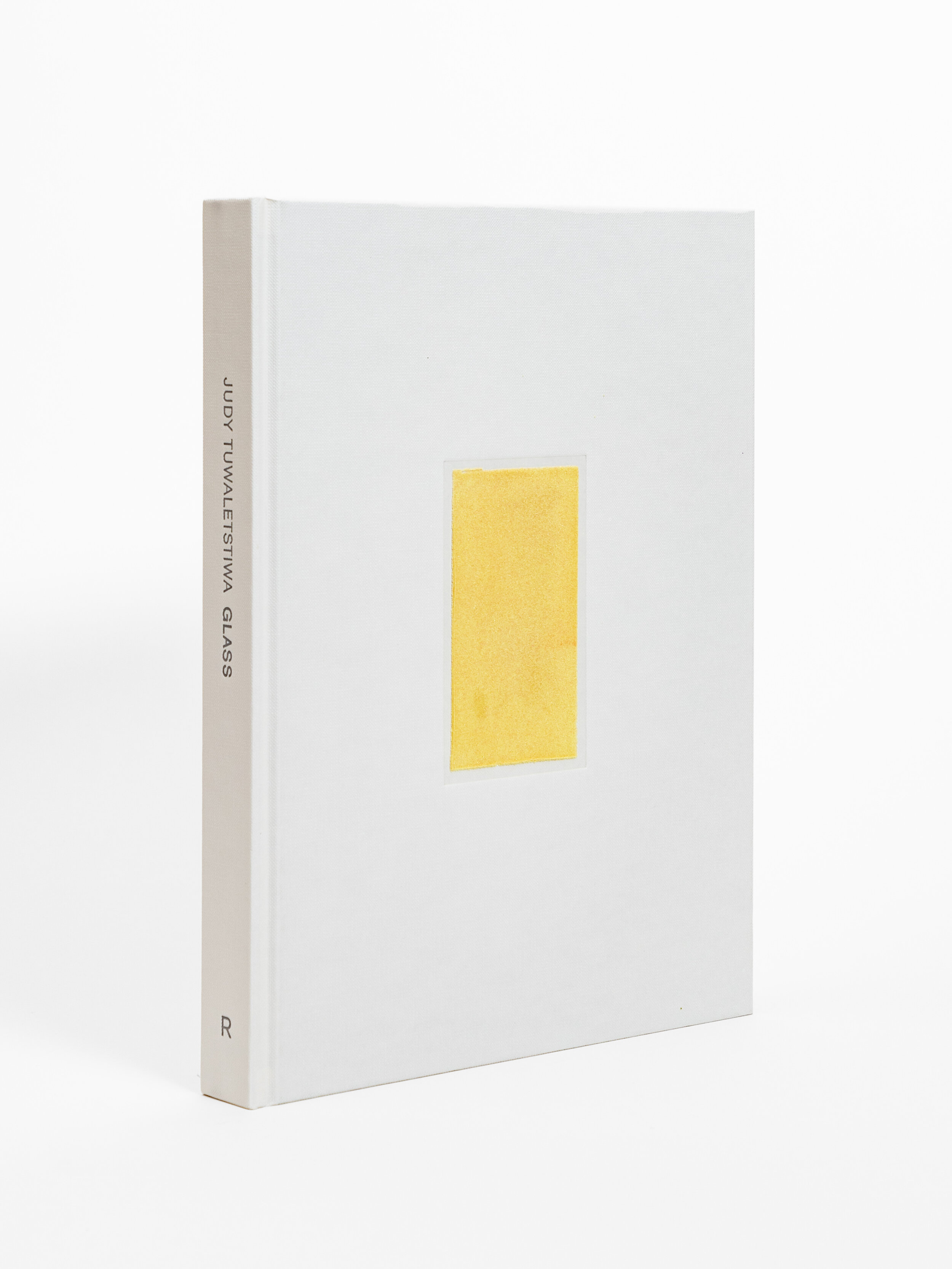
As an artist, I give images form, making breath visible. While painting, writing, and working with glass, I pay attention to the possibly transformative gift of an image.
— Judy Tuwaletstiwa
Near White Sands, New Mexico, on July 16, 1945, at 5:29:45 am Mountain War Time, a nuclear fireball sucked the white sand of the Jornada del Muerto desert high into a still dark sky. The melted sand returned to the earth as a rain of molten glass. Scientists named these glass shards Trinitite, after the site, Trinity. At the time, artist Judy Tuwaletstiwa was 4 years old. Haunted by the specter the United States released in detonating atomic bombs in New Mexico, Hiroshima and Nagasaki, Tuwaletstiwa turned to sand and fire to explore this primal creative/destructive act.
The artist writes: “The raw material that becomes glass holds an interaction of wind, water, fire and earth, the organic creative process lived over geologic time. This transformative process continues to live in my studio through how I work with glass.” A follow-up book to her sold-out Mapping Water (2007), Glass weaves a story of her discoveries and explorations while working with glass over the past four years based on her work over the past 45 years in fiber, paint and writing. Tuwaletstiwa’s use of glass on canvas and paper is at once refined and surprising—a truly revolutionary response to a well-known medium. The highly personal combination of text and images in this book bridges fine art and craft, technology and nature, the political and the aesthetic, the conceptual and the material.
-
Artwork by Georgia O’Keeffe
Text by Amy Von LintelHardcover
10 x 13 inches
188 pages / 82 images
ISBN: 9781942185048Co-published with the Georgia O’Keeffe Museum
Helen Frankenthaler: Late Works, 1988–2009 is the first book to explore the late period of Frankenthaler’s art and life.
Profusely illustrated with more than 95 plates and 40 archival images, the book features essays by Douglas Dreishpoon and Suzanne Boorsch; a roundtable discussion with Katharina Grosse, Pepe Karmel, and Mary Weatherford; an illustrated chronology and selected bibliography. Initiated by Dreishpoon, Director of the Helen Frankenthaler Catalogue Raisonné and Chief Curator Emeritus at the Albright-Knox Art Gallery, the book complements an exhibition of Frankenthaler’s late paintings on paper and canvas organized by the Helen Frankenthaler Foundation and curated by Dreishpoon that premiered in 2021 at the New Britain Museum of American Art before traveling to the Weatherspoon Art Museum, Palm Springs Art Museum, and Artis—Naples/The Baker Museum.
Frankenthaler’s invention of the soak-stain technique expanded the possibilities of abstract painting with references to figuration and landscape. In later years, her practice continued to evolve through the use of diverse media and processes, as she shifted from painting canvas on the floor to using larger sheets of paper that were laid out on the floor or on table tops for easier accessibility. The continuity between the late work and what came before is striking, as the painter, graced with a vast art-historical image bank, and technical prowess, moved in whatever direction suited her mood and imagination.