
 Image 1 of 8
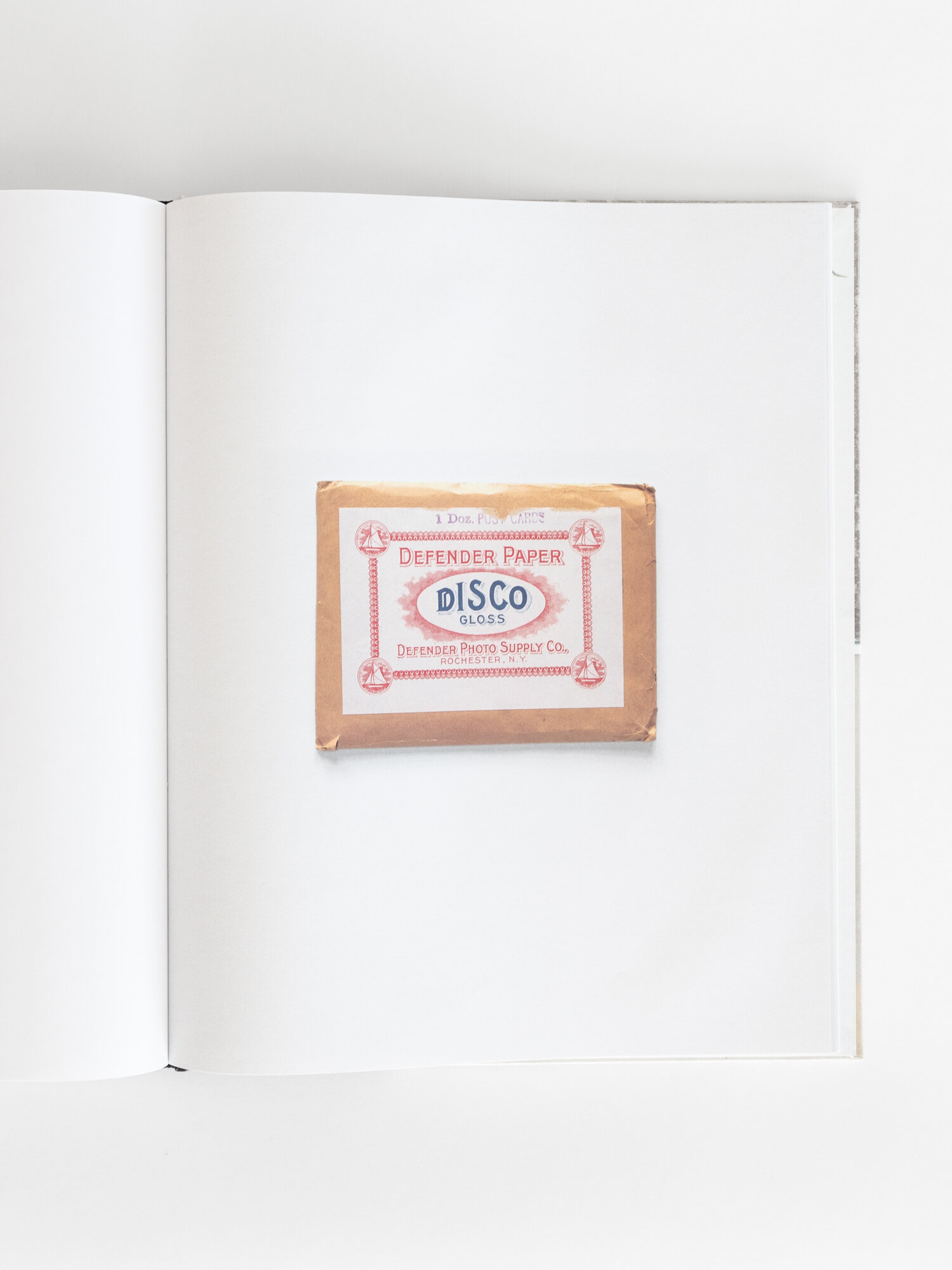 Image 2 of 8
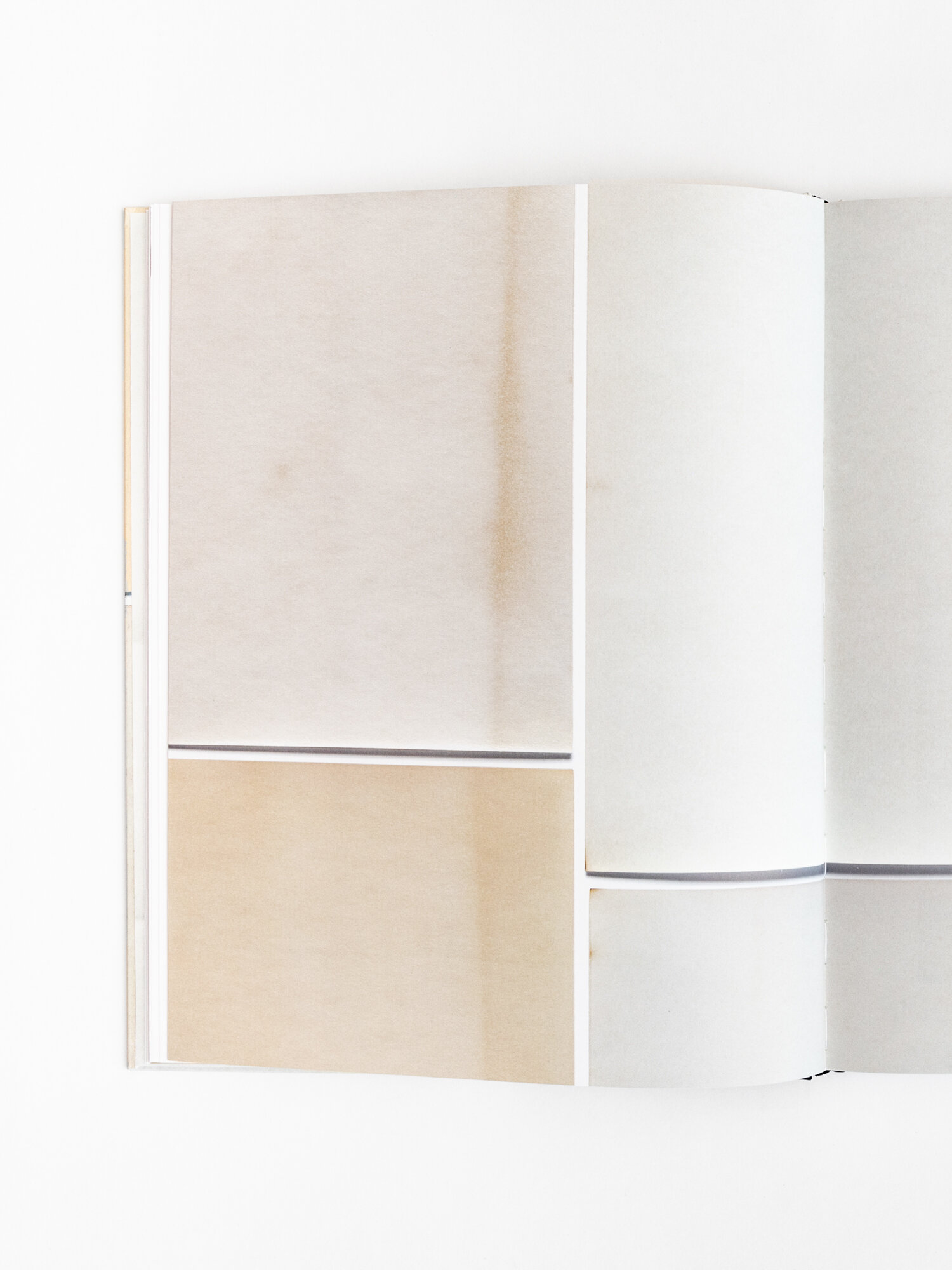 Image 3 of 8
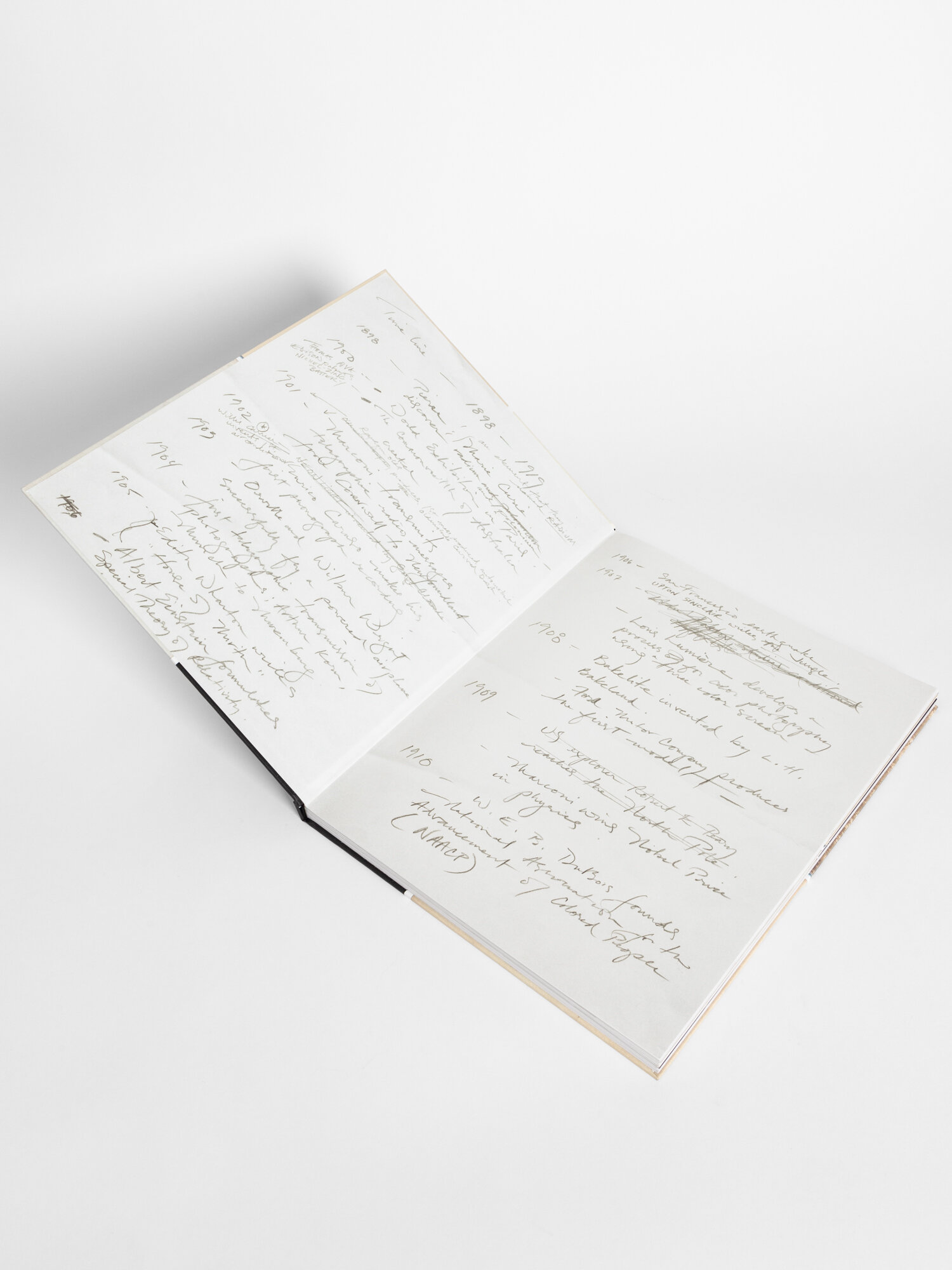 Image 4 of 8
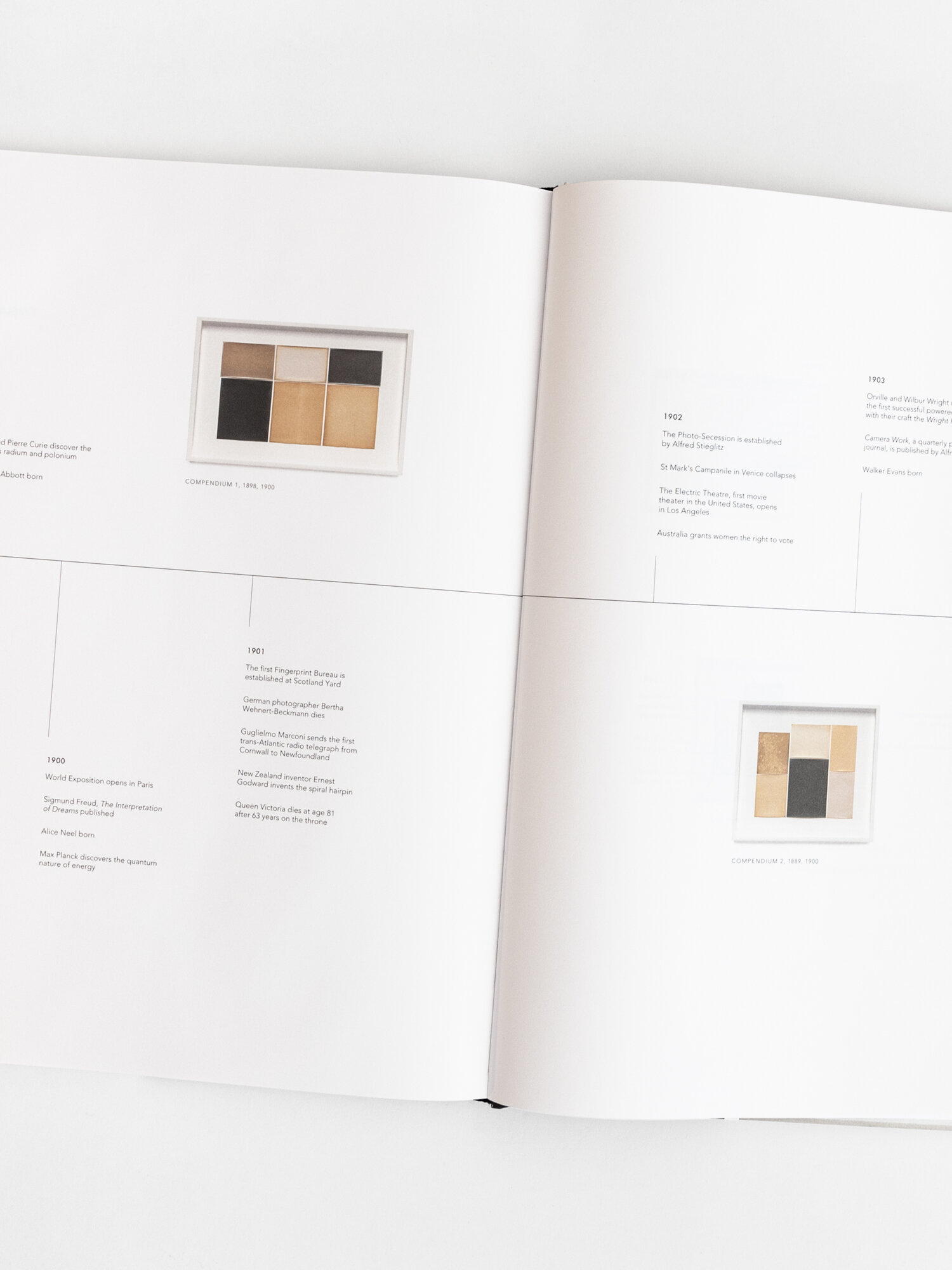 Image 5 of 8
 Image 6 of 8
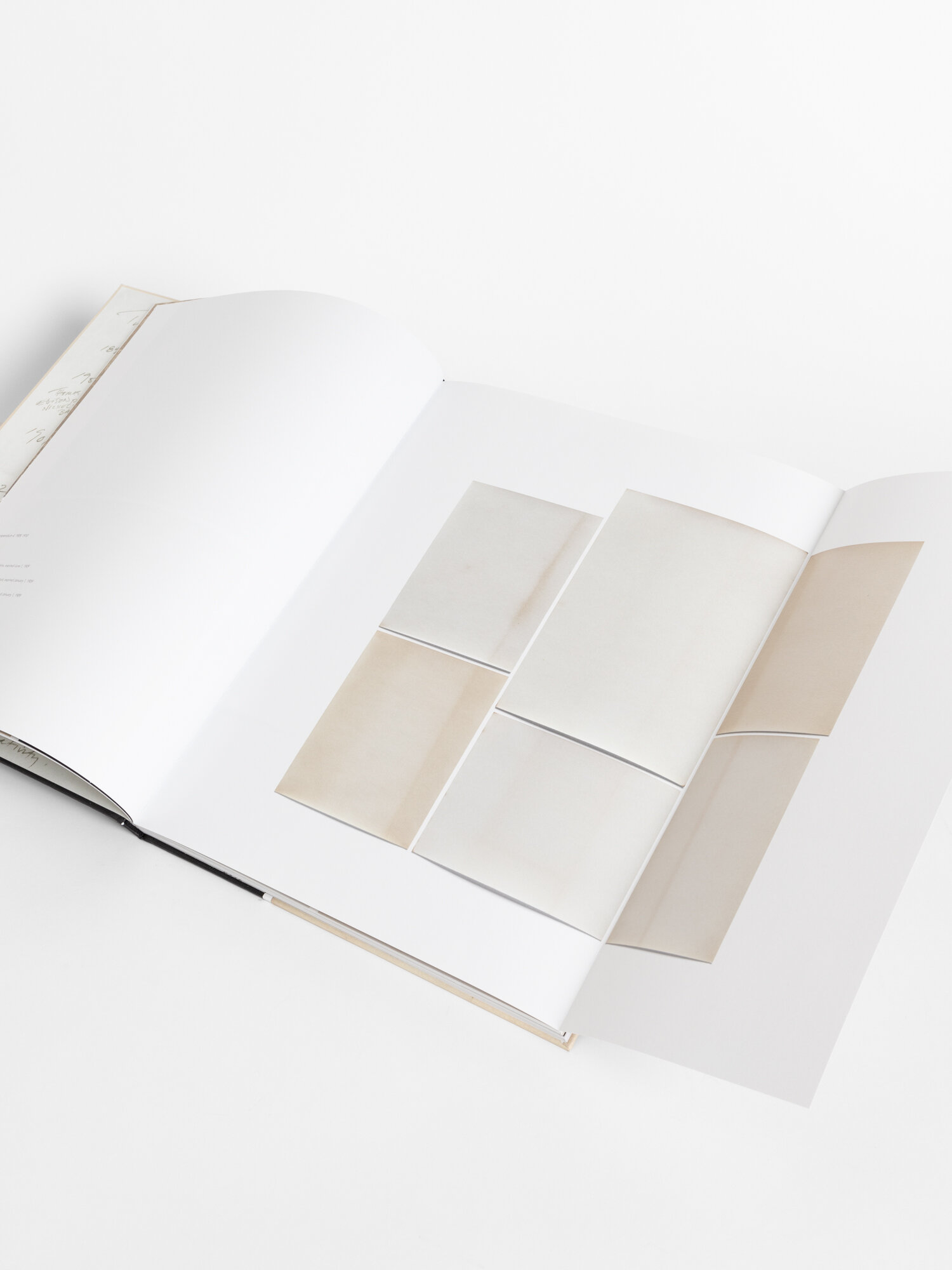 Image 7 of 8
 Image 8 of 8
YOU MAY ALSO LIKE

-
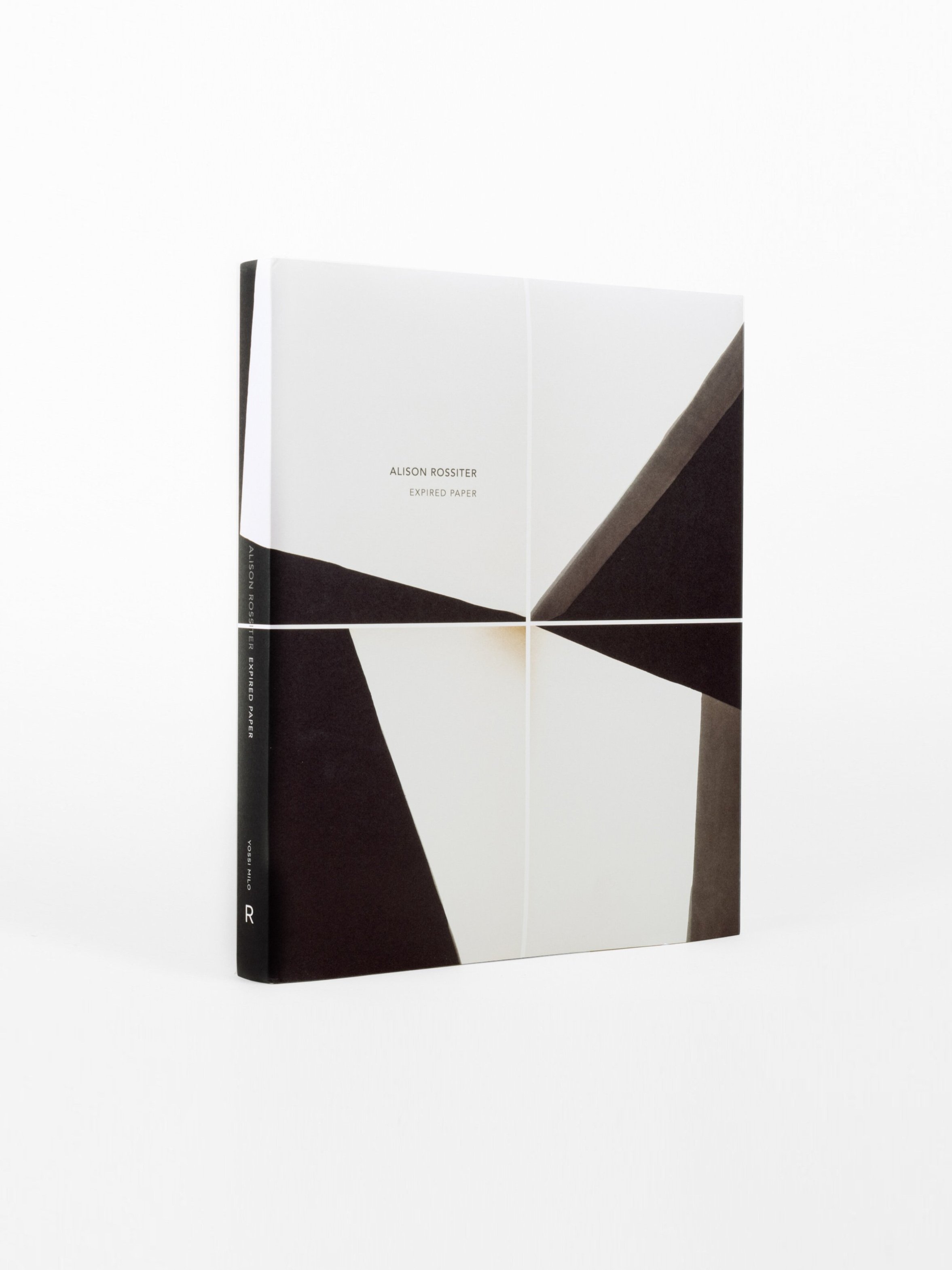
Photography and text by Alison Rossiter
Photography by Peter RiesettCo-published with New York Public Library & Yossi Milo
Hardcover
13 x 16 inches
96 pages / 36 images
ISBN: 9781942185703 -
Alison Rossiter (b. 1953; Jackson, MS) creates camera-less photographs on expired, vintage photo paper that harness the untapped material potential of relics from centuries past. Her inspiration to work this way came from a foray into conservation work as a volunteer and appreciative observer at the Metropolitan Museum of Art, which revealed to her the deep history of materials and supplies as the foundation of photography. Over the past two decades, the artist has assembled a library of photographic papers, with rare and prestigious examples dating back to the 19th century. A profound reverence for these papers is the ultimate motivation behind Rossiter's work: after years or decades in storage, she finally develops these historical samples, activating them after the effects of time have long played out on their surfaces.
Rossiter's photographs are in the collections of major public institutions, including the Museum of Modern Art, New York, NY; National Gallery of Art, Washington, D.C.; New York Public Library, NY; Israel Museum, Jerusalem; Carnegie Museum of Art, Pittsburgh, PA; Art Institute of Chicago, IL; Philadelphia Museum of Art, PA; Minneapolis Institute of Arts, MN; Museum of Fine Arts, Houston, TX; San Francisco Museum of Modern Art; Los Angeles County Museum of Art; National Gallery of Canada, Ottawa; and the J. Paul Getty Museum, Los Angeles, CA. Rossiter currently lives and works in the New York City metropolitan area.
Printed on paper made from Japanese shrubs, this work of book art documents artist Ann Hamilton’s fascination with tactility, an exploration into the possibility of cultivating attention in a hyper-distracted world of information.
Throughout her practice, Ann Hamilton has used videos and still images as part of her larger installation works, though they have rarely been the singular focus of a project. This publication brings together vocabulary from four bodies of image-based work produced over the last five years and includes photographic portraits as well as lens-less contact scans of ornithological taxidermy, fabrics and garments, and objects from various personal and institutional collections. Hamilton believes that her projects can be considered not as artifacts or something to be documented, but as their own material object—in this case, a book. While Sense contains images that Hamilton has accumulated over many years, of people and of objects that conflate touch, light, and surface, the book also becomes an object in hand, a thing felt, an artwork in itself.
Reprocessed through multiple printings on tissue Gampi and newsprint, the images emphasize the tactile nature of their substrate and Hamilton’s material hand. The work’s physical presence is reinforced by the textured surface of the book’s pages and scale shifts. This volume thus becomes an art object of its own; repetition, the atmospheric nature of the images’ shallow depths of field, and the intuitive connections made between different bodies of work create an almost film-like cadence that renders the felt qualities of touch.