
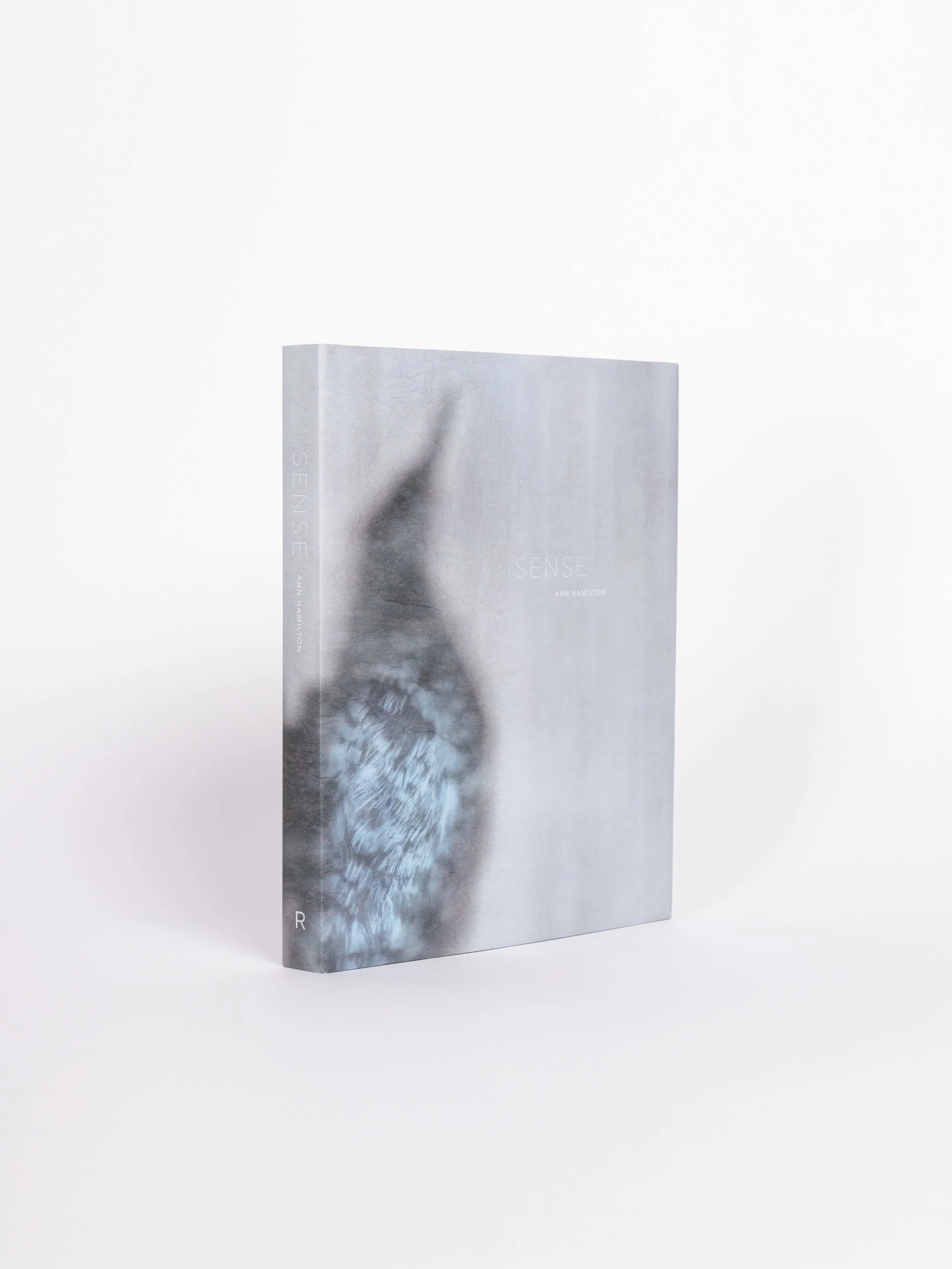
 Image 1 of 8
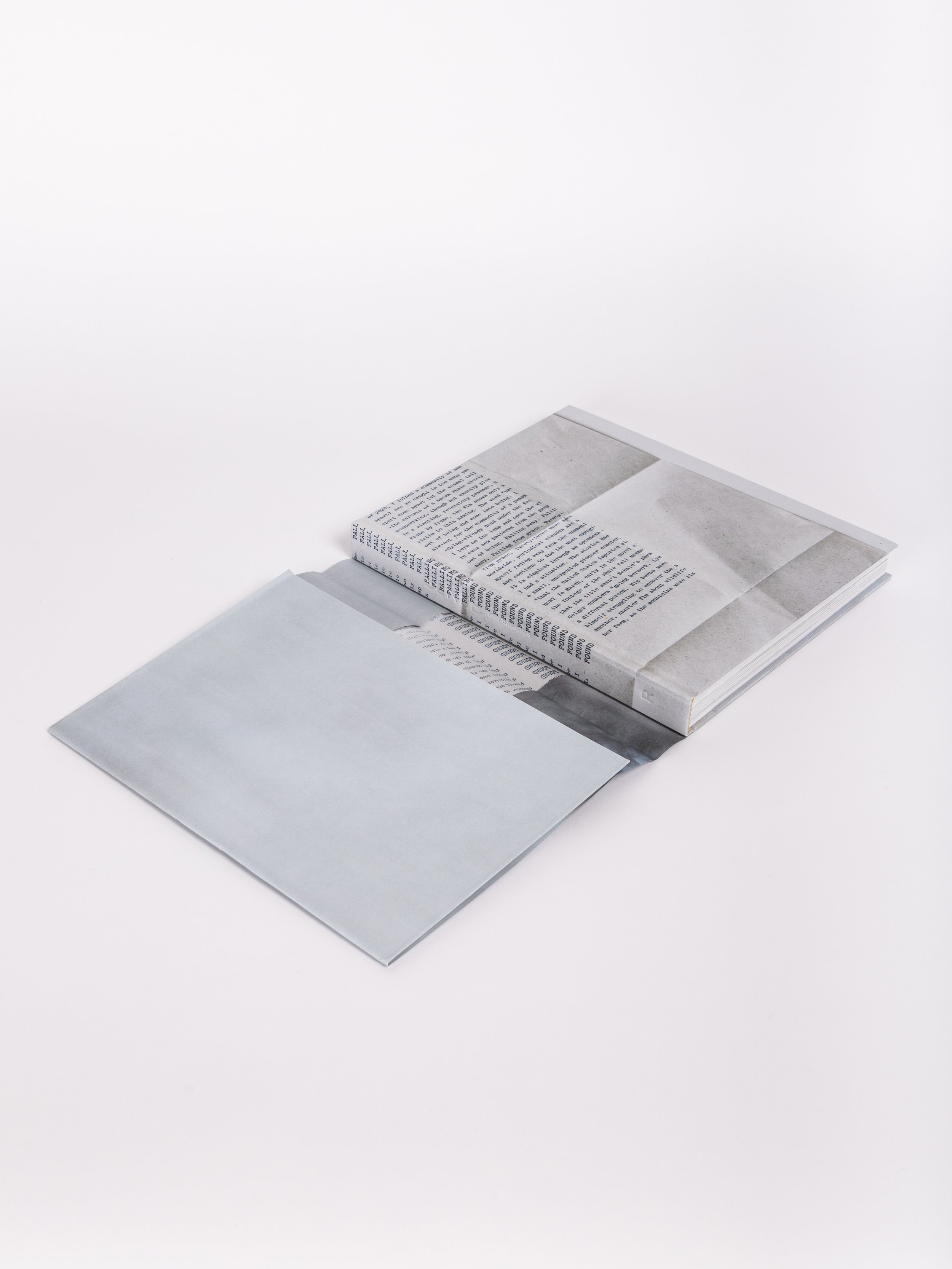 Image 2 of 8
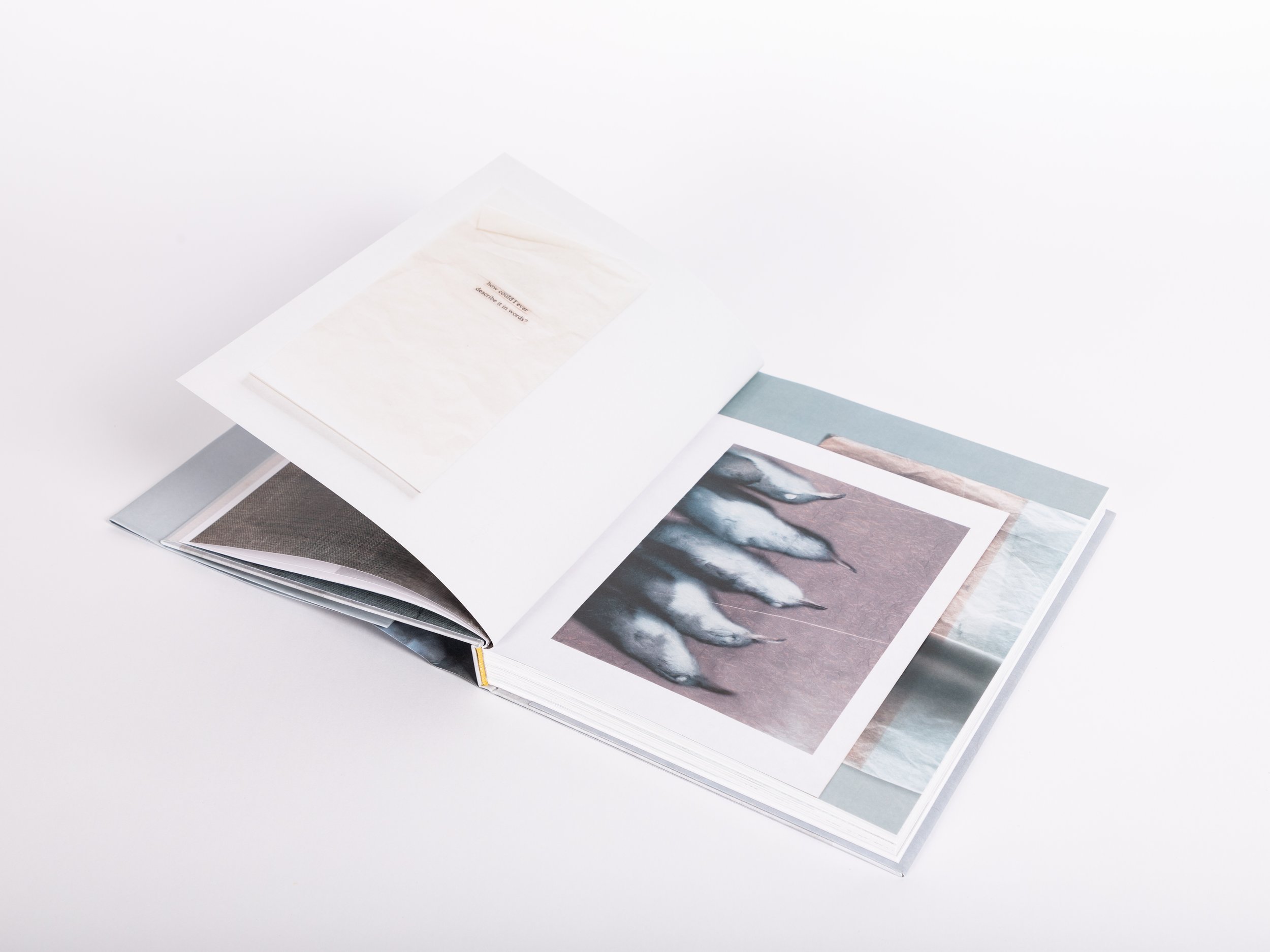 Image 3 of 8
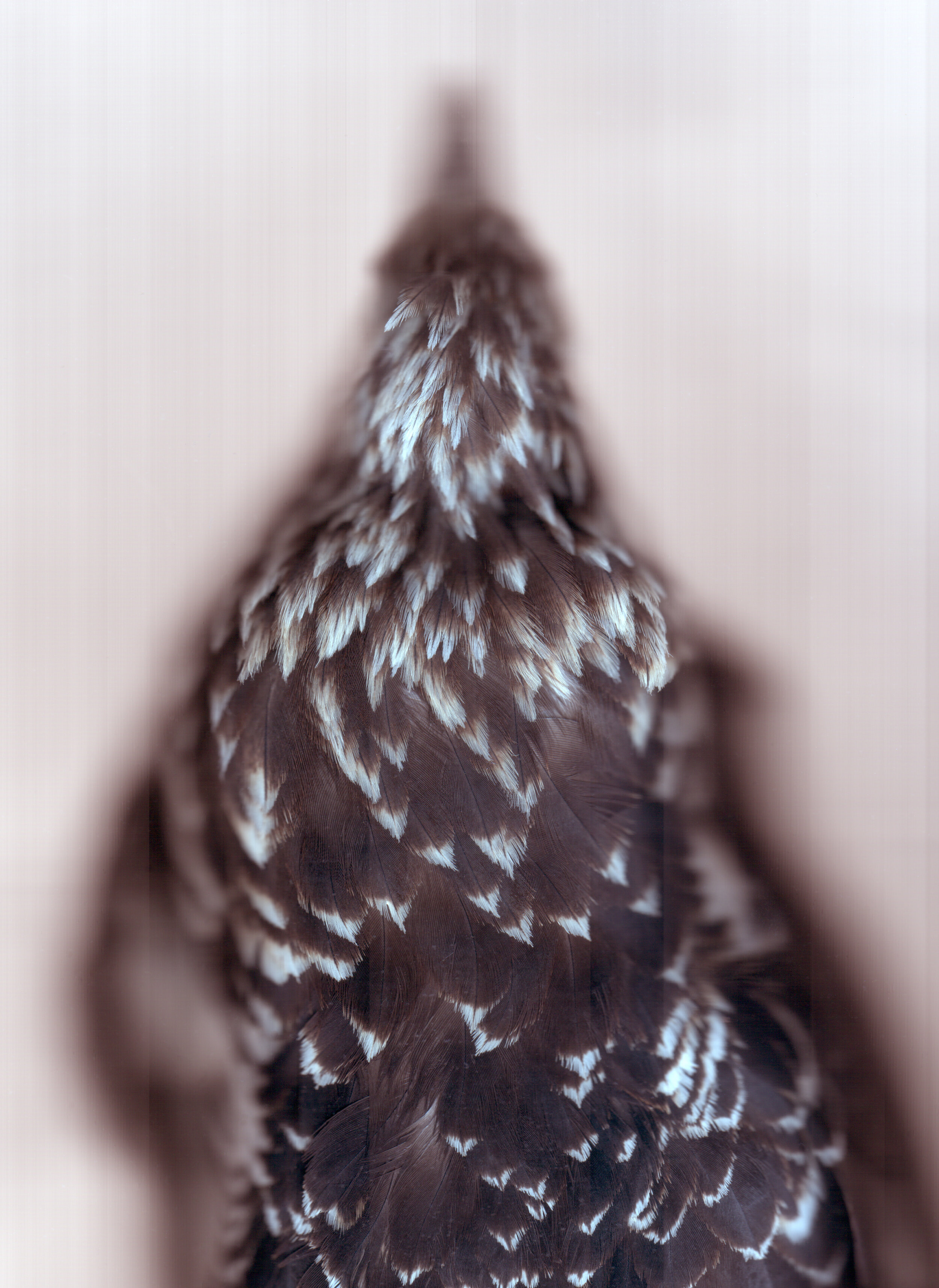 Image 4 of 8
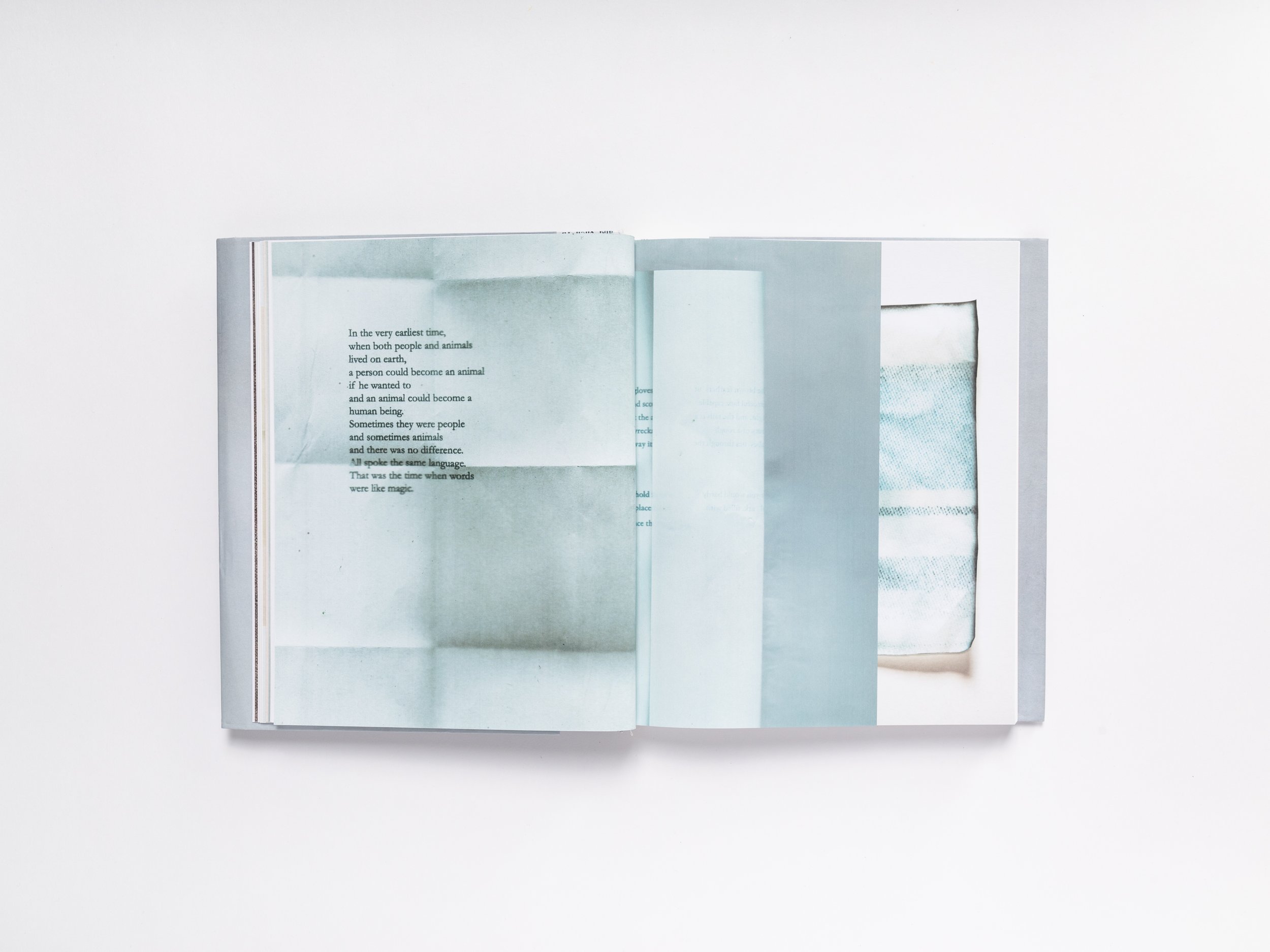 Image 5 of 8
 Image 6 of 8
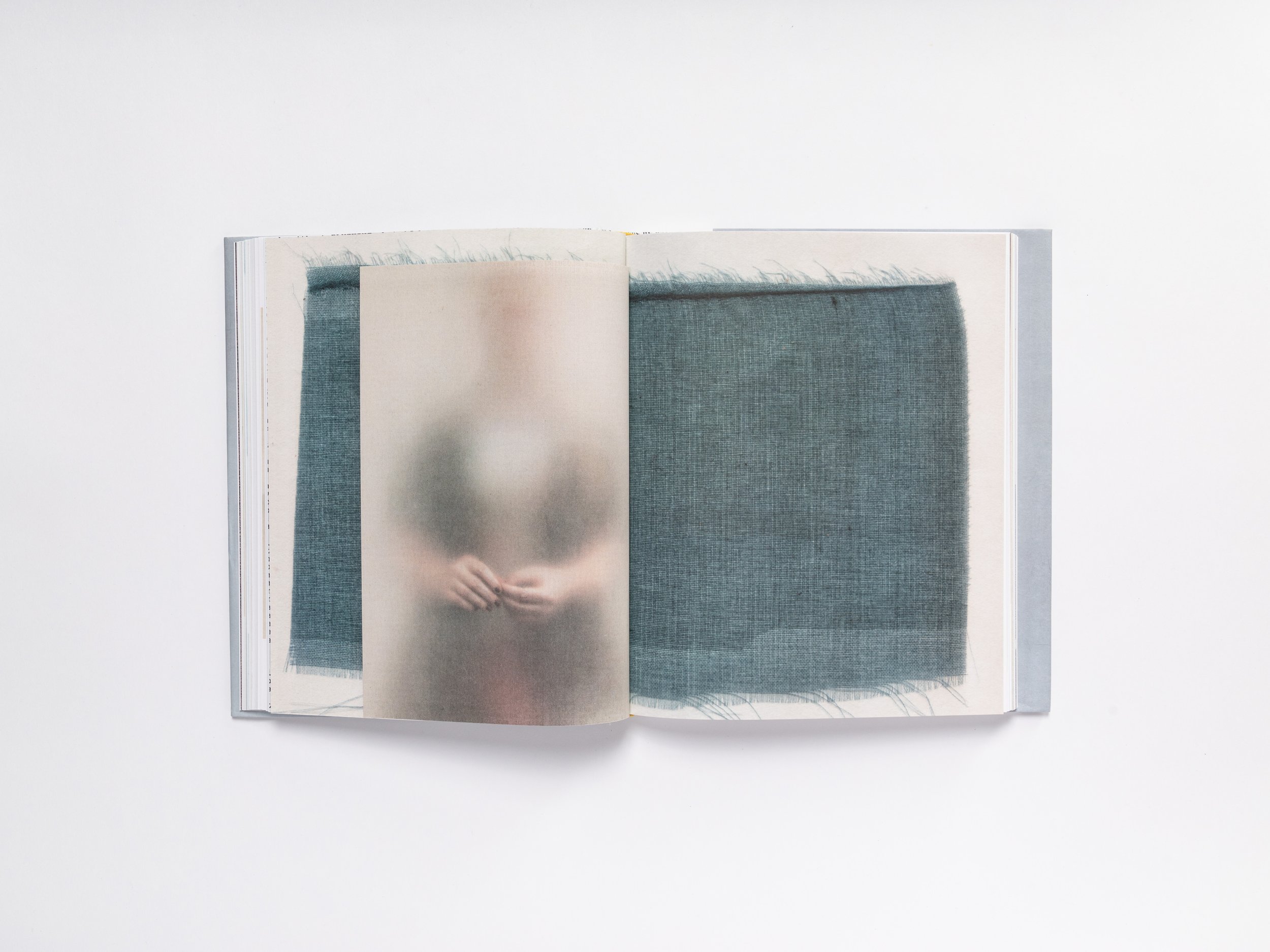 Image 7 of 8
 Image 8 of 8
YOU MAY ALSO LIKE

-
Artwork and text by Ann Hamilton
Hardcover with jacket
8.75 x 12 inches
176 pages / 110 imagesTrade ISBN: 9781942185802 - $65
Signed ISBN: 9781955161244 - $70
Rare - $150Signed copies no longer available.
-
Ann Hamilton (b. 1956) is a visual artist internationally acclaimed for her large-scale multimedia installations, public projects, and performance collaborations. Her site-responsive process works with common materials to invoke particular places, collective voices, and communities of labor. Noted for a dense accumulation of materials, her ephemeral environments create immersive experiences that poetically respond to the architectural presence and social history of their sites. Whether inhabiting a building four stories high or confined to the surface of a thimble, the genesis of Hamilton's art extends outwards from the primary projections of the hand and mouth. Her attention to the uttering of a sound or the shaping of a word with the hand places language and text at the tactile and metaphoric center of her installations. To enter their liminality is to be drawn equally into the sensory and linguistic capacities of comprehension that construct our faculties of memory, reason and imagination.
In a time when successive generations of technology amplify human presence at distances far greater than the reach of the hand, what becomes the place and form of making at the scale and pace of the individual body? How does making participate in the recuperation and recognition of embodied knowledge? What are the places and forms for live, tactile, visceral, face-to-face experiences in a media saturated world? These concerns have animated the site responsive installations that have formed the bulk of Hamilton's practice over the last 20 years. But where the relations of cloth, sound, touch, motion and human gesture once gave way to dense materiality, Hamilton's work now focuses on the less material acts of reading, speaking and listening. The influence of collaborative processes in ever more complex architectures has shifted her forms of making, wherein the movement of the viewer in time and in space now becomes a central figure of the work.
Born in Lima, Ohio, in 1956, Ann Hamilton received a BFA in textile design from the University of Kansas in 1979 and an MFA in sculpture from the Yale School of Art in 1985. From 1985 to 1991, she taught on the faculty of the University of California at Santa Barbara. Hamilton has served on the faculty of The Ohio State University since 2001, where she is a Distinguished University Professor in the Department of Art.
Among her many honors, Hamilton has been the recipient of the National Medal of the Arts, Heinz Award, MacArthur Fellowship, United States Artists Fellowship, NEA Visual Arts Fellowship, Louis Comfort Tiffany Foundation Award, Skowhegan Medal for Sculpture, and the Guggenheim Memorial Fellowship. She represented the United States in the 1991 Sao Paulo Bienal, the 1999 Venice Biennale, and has exhibited extensively around the world.
I am increasingly interested in the residual power of the past to inhabit material remains…Manifest is an effort to seek out the artifacts and material evidence of the American construct and representation of race.
— Wendel A. White
Manifest | Thirteen Colonies is the culmination of a multiyear journey by photographer Wendel A. White to find and document African American material culture in the libraries, museums, and archives of the thirteen original English colonies and Washington, DC. This “personal reliquary of Black agency and racial oppression stored in public collections” includes both singular objects connected to significant figures (a lock of Frederick Douglass’s hair, Malcolm X’s tape recorder) and more quotidian materials (a hair straightening comb, a pressed corsage). Given the same photographic treatment—each object centered on a stark black background and captured with a shallow depth of field—the distinction between the “significant” and the “quotidian” dissolves, as White makes it clear they are all important pieces of forensic evidence of Black life and history in the United States.
New essays by Cheryl Finley, Ilisa Barbash, and Leigh Raiford provide historical and sociological context for the objects in White’s images, while conversations with Deborah Willis and Brenda Dione Tindaldelve into White’s personal history, his life as a photographer, and the bodies of work that led to Manifest | Thirteen Colonies.