
 Image 1 of 11
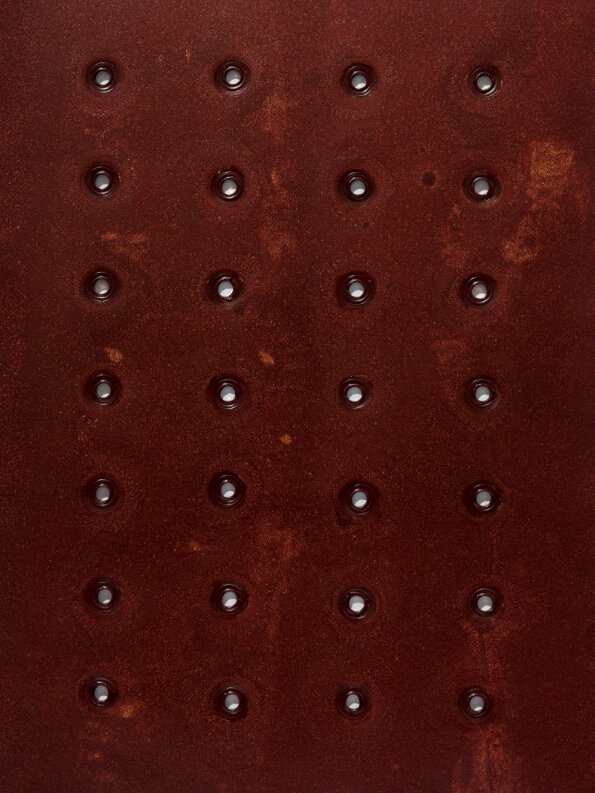 Image 2 of 11
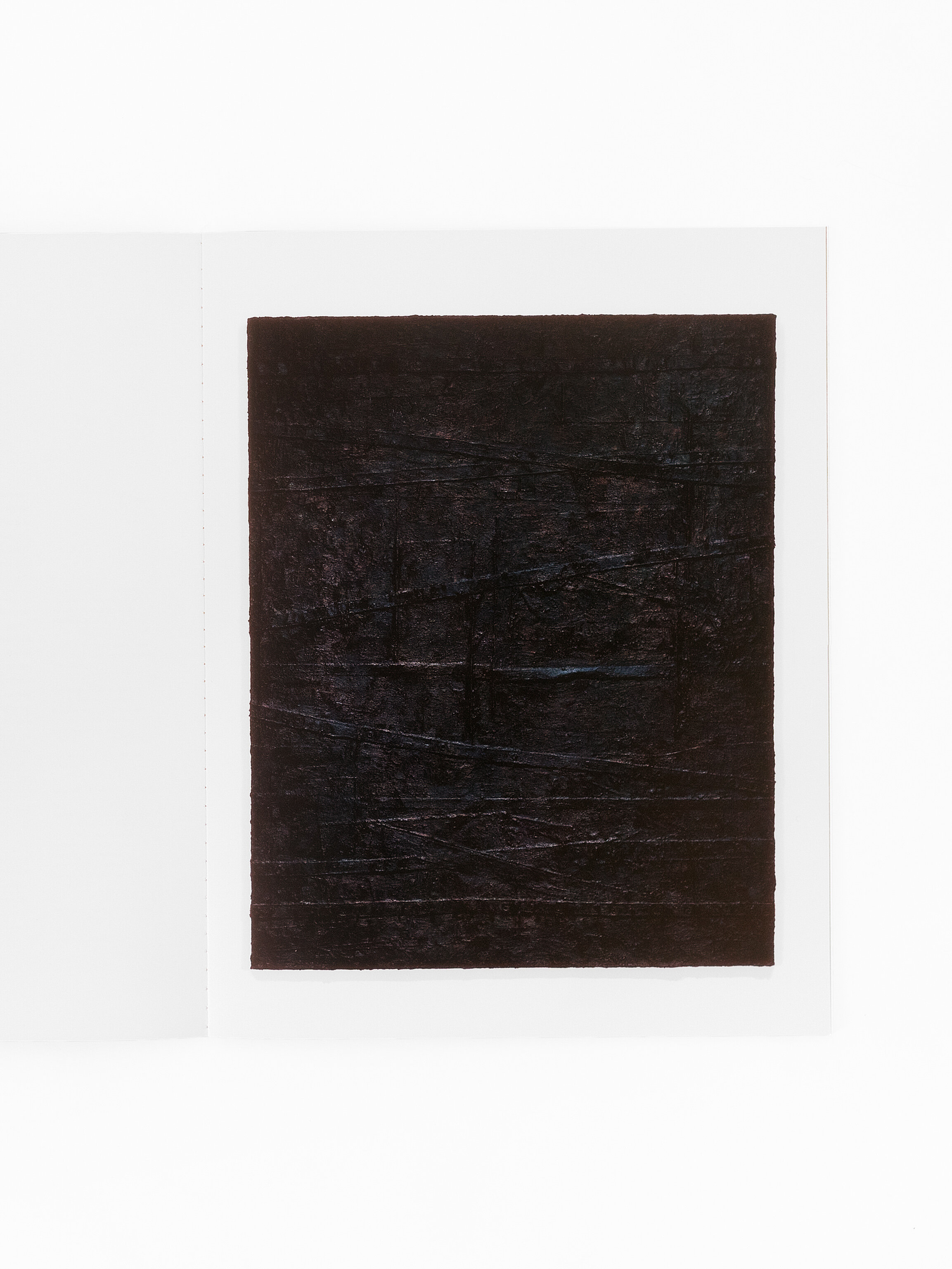 Image 3 of 11
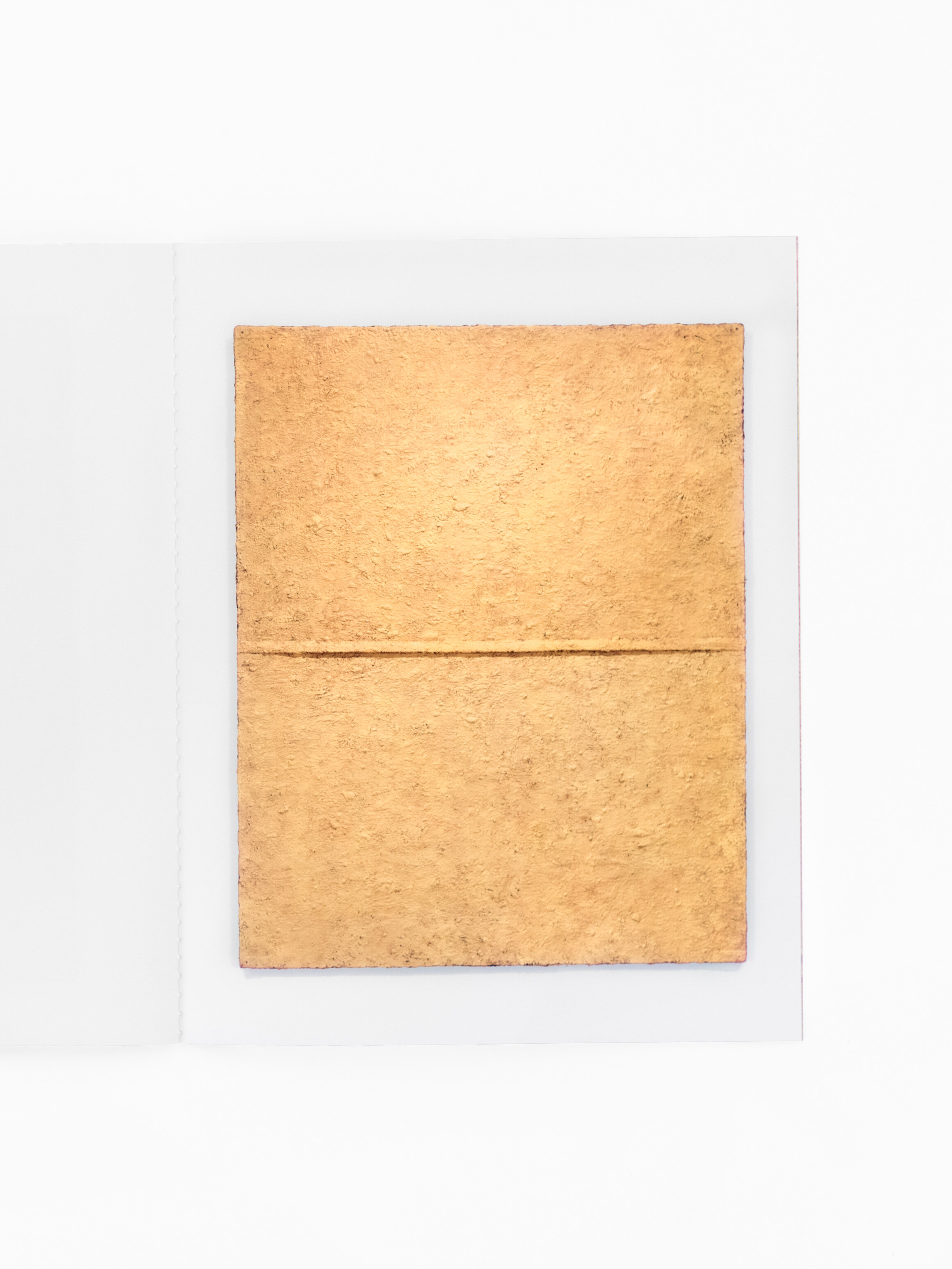 Image 4 of 11
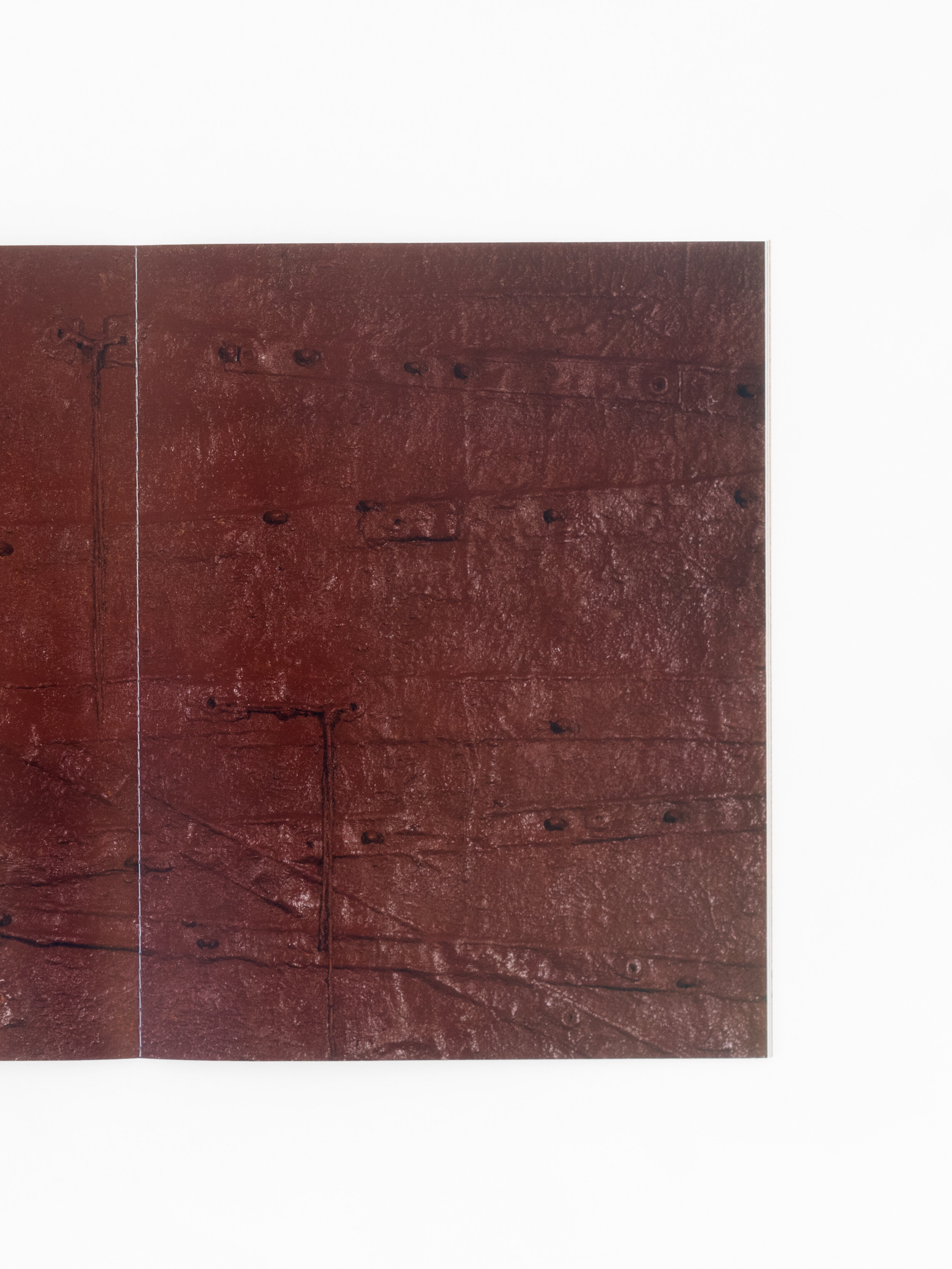 Image 5 of 11
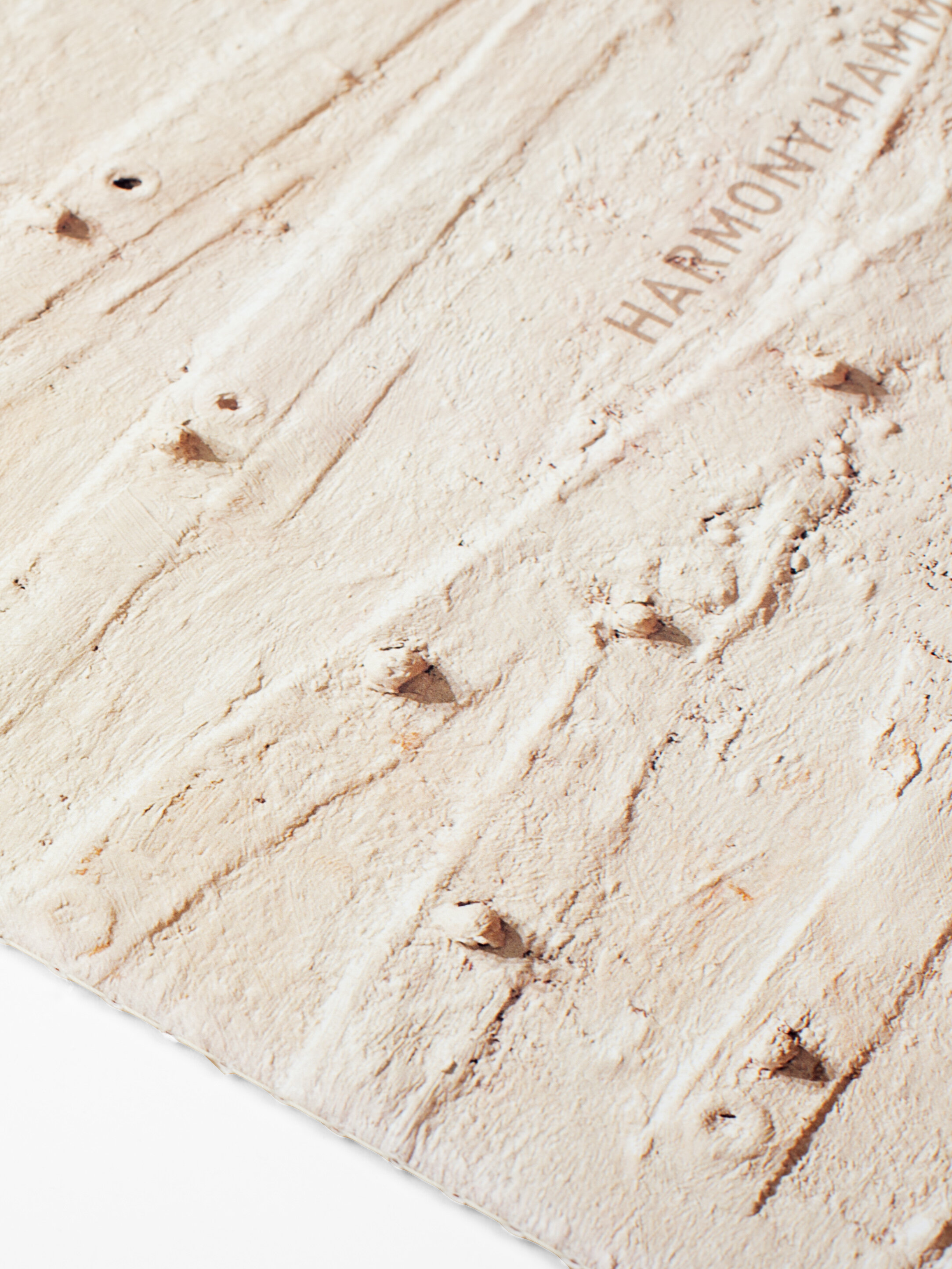 Image 6 of 11
 Image 7 of 11
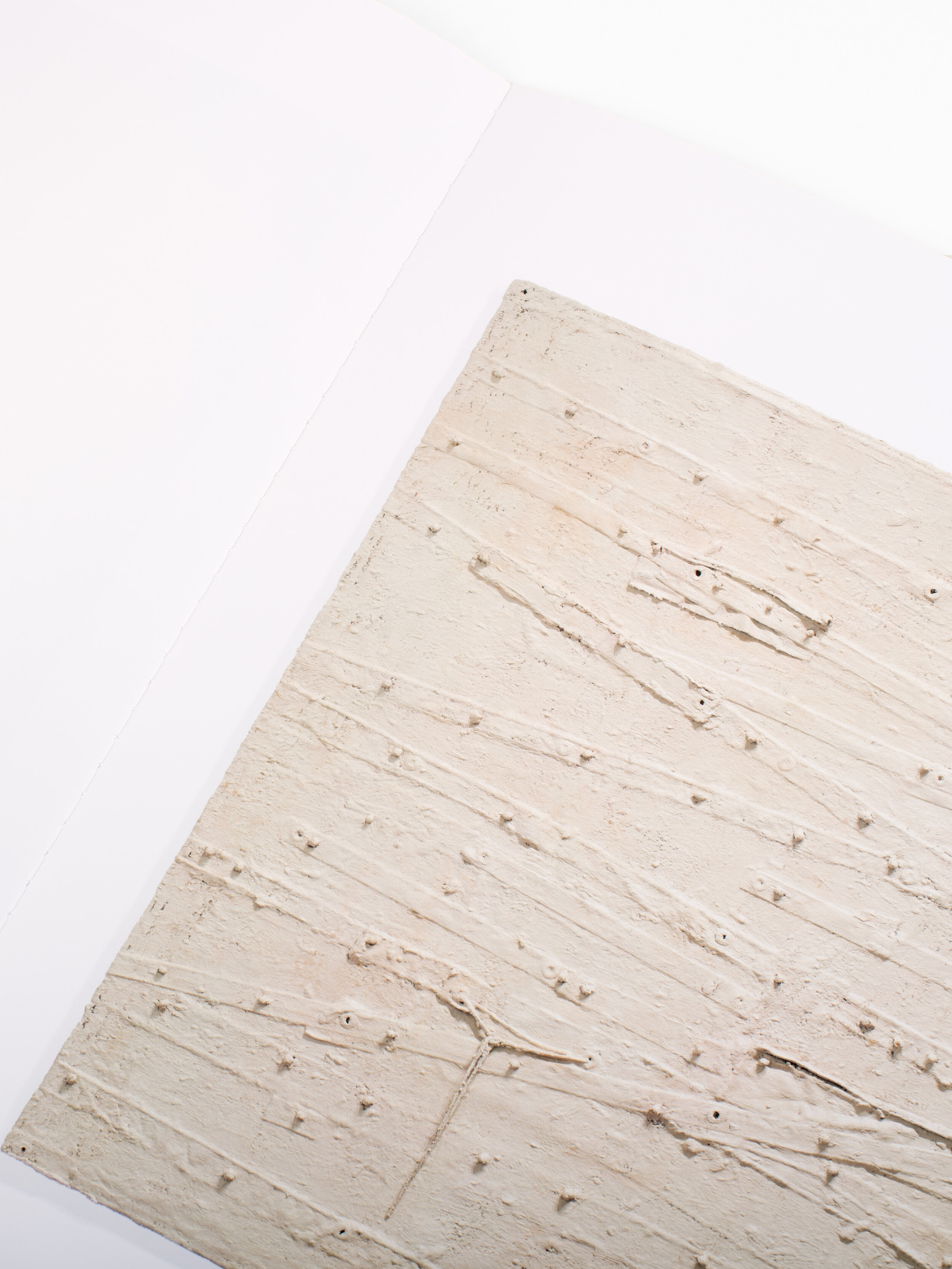 Image 8 of 11
 Image 9 of 11
 Image 10 of 11
 Image 11 of 11
YOU MAY ALSO LIKE


-
Paintings by Harmony Hammond
Foreword by Julia Bryan-Wilson
Essay by Tirza True LatimerPaperback
12.25 x 9.5 inches
36 pages / 14 images
Limited edition of 750 copies, signed and numbered by the artist
ISBN: 9781934435441
All Signed — $40 / Now RARE — $80 -
Harmony Hammond (b. 1944) is an artist, writer, and curator. A leading figure in the development of the feminist art movement in New York in the early 1970s, she received her BA from University of Minnesota in 1967 before moving to New York in 1969. She was a co-founder of A.I.R., the first women’s cooperative art gallery in New York (1972) and Heresies: A Feminist Publication on Art & Politics (1976). Since 1984, Hammond has lived and worked in northern New Mexico, teaching at the University of Arizona, Tucson from 1989 to 2006.
Hammond has exhibited in solo and group exhibitions worldwide, at venues including The Aldrich Contemporary Art Museum (Ridgefield, CT), Whitney Museum of American Art (NYC), Museum of Contemporary Art (Los Angeles), National Museum of Women in the Arts (Washington, DC), Centre Pompidou (Paris), Guggenheim Museum (Bilbao), MoMA PS1 (NYC), and the Vancouver Art Gallery. Her work is in the permanent collections of the Art Institute of Chicago, Brooklyn Museum (NYC), The Metropolitan Museum of Art (NYC), The Museum of Modern Art (NYC), National Museum of Women in the Arts (Washington, DC), New Mexico Museum of Art (Santa Fe, NM), Phoenix Art Museum (AZ), Walker Art Center (Minneapolis, MN), and Whitney Museum of American Art (NYC), among others. She is the recipient of many awards and fellowships, including the Anonymous Was A Woman Award (2014); the Lifetime Achievement Award, Women’s Caucus for Art (2014); the Distinguished Feminist Award, College Art Association (2013); Pollock-Krasner Foundation Fellowship (2007 and 1989); and Joan Mitchell Foundation Award (1998).
The artist’s book, Wrappings: Essays on Feminism, Art and the Martial Arts (1984), is a foundational publication on 1970s feminist art. Her groundbreaking book Lesbian Art in America: A Contemporary History (2000) received a Lambda Literary Award and remains the primary text on the subject. Her archive is housed at the Getty Research Institute (Los Angeles).
The vessel form in its distended hollowness is both a metaphor and a vehicle for an organic feeling that runs through much of [Duckworth’s] work and reflects her own deep empathy for the natural world.
— Martin Puryear
In the twenty years since the last major publication on the work of Ruth Duckworth, much has changed in how the field of ceramics is understood in relation to the realms of fine art and craft. Always regarding herself as a sculptor rather than a potter or ceramicist, Duckworth was ahead of her time, insisting that her work be considered in the same light and exhibited alongside that of her contemporaries working in bronze (which she also used occasionally), stone, welded metal, and other traditional sculptural media.
The discourse around ceramics has now caught up to her, and Ruth Duckworth includes an extensive presentation of her work in porcelain and stoneware, revealing the continued and growing influence of this trailblazing artist. As Emmanuelle Cooper wrote in the artist’s obituary: “In both her life and work, Duckworth’s background was one of non-conformity. In Germany, as a young girl, she risked prosecution by defacing a Nazi monument and resented being unable to attend art school because her father was Jewish. Most challenging of all was her determination to gain international respectability as a sculptor working primarily in clay.”
Ruth Duckworth includes a foreword and afterword by fellow artists Martin Puryear and Marie Herwald Hermann, along with a deeply humanizing conversation between curator Jo Lauria and Thea Burger, Duckworth’s longtime friend, agent, and representative of her estate.