
 Image 1 of 8
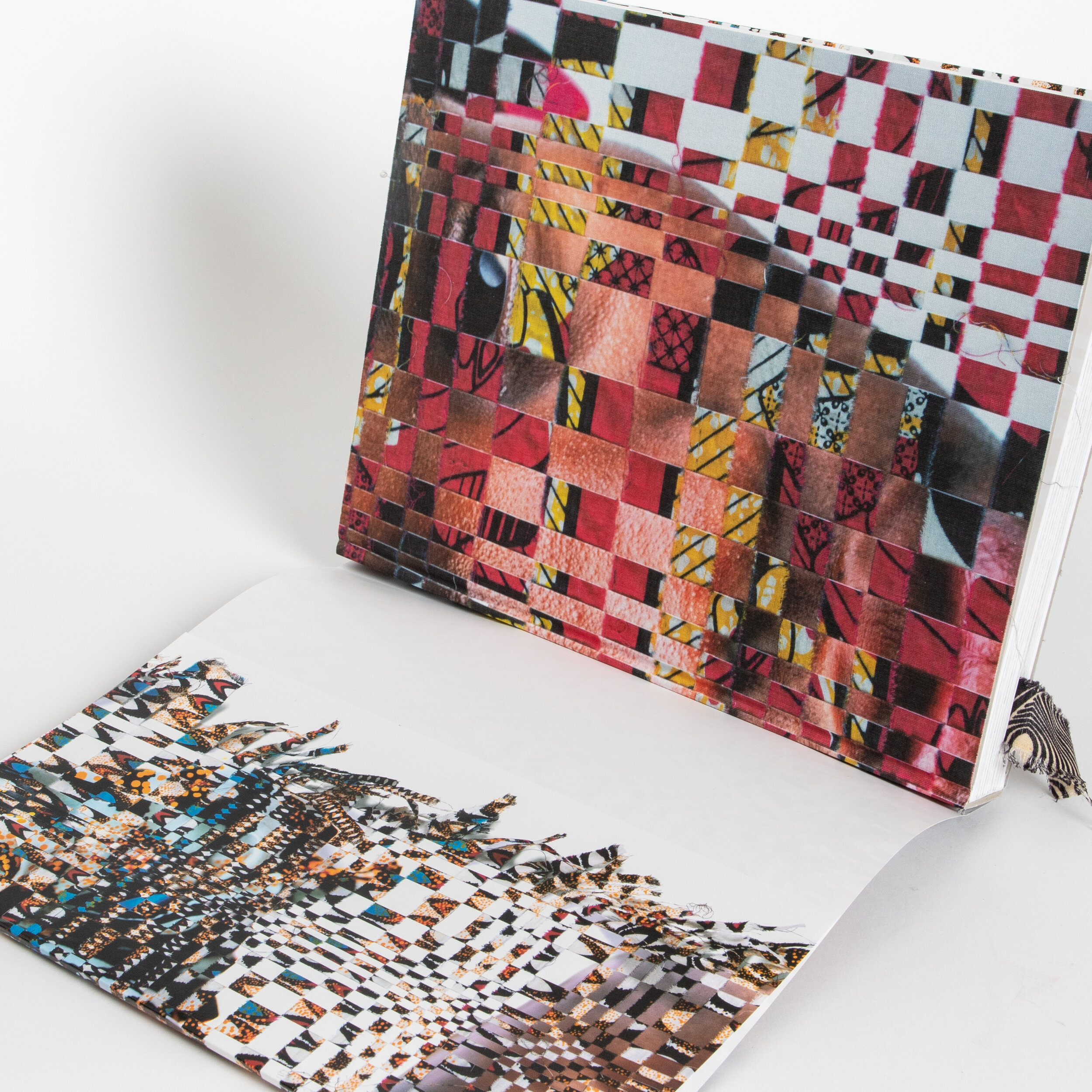 Image 2 of 8
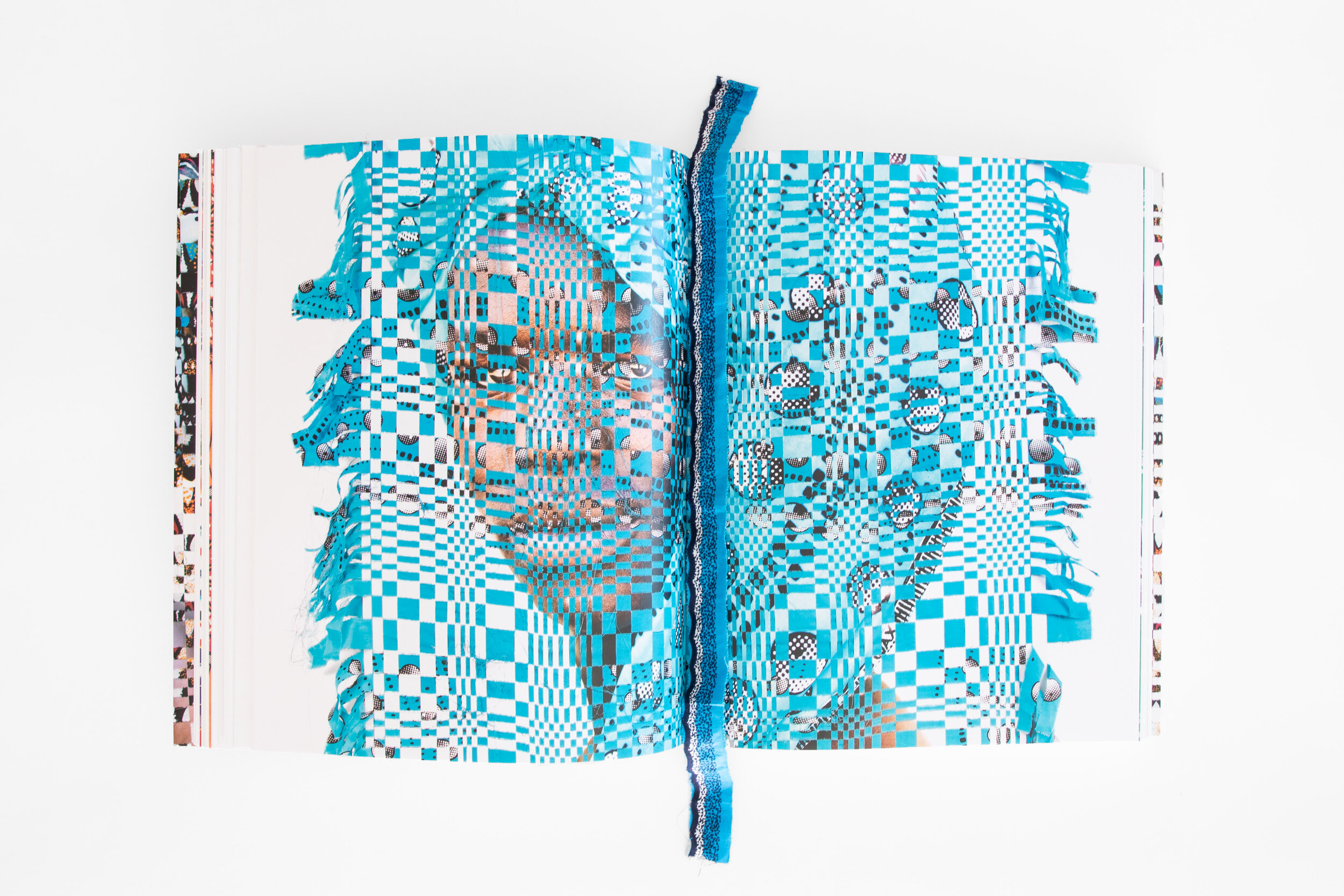 Image 3 of 8
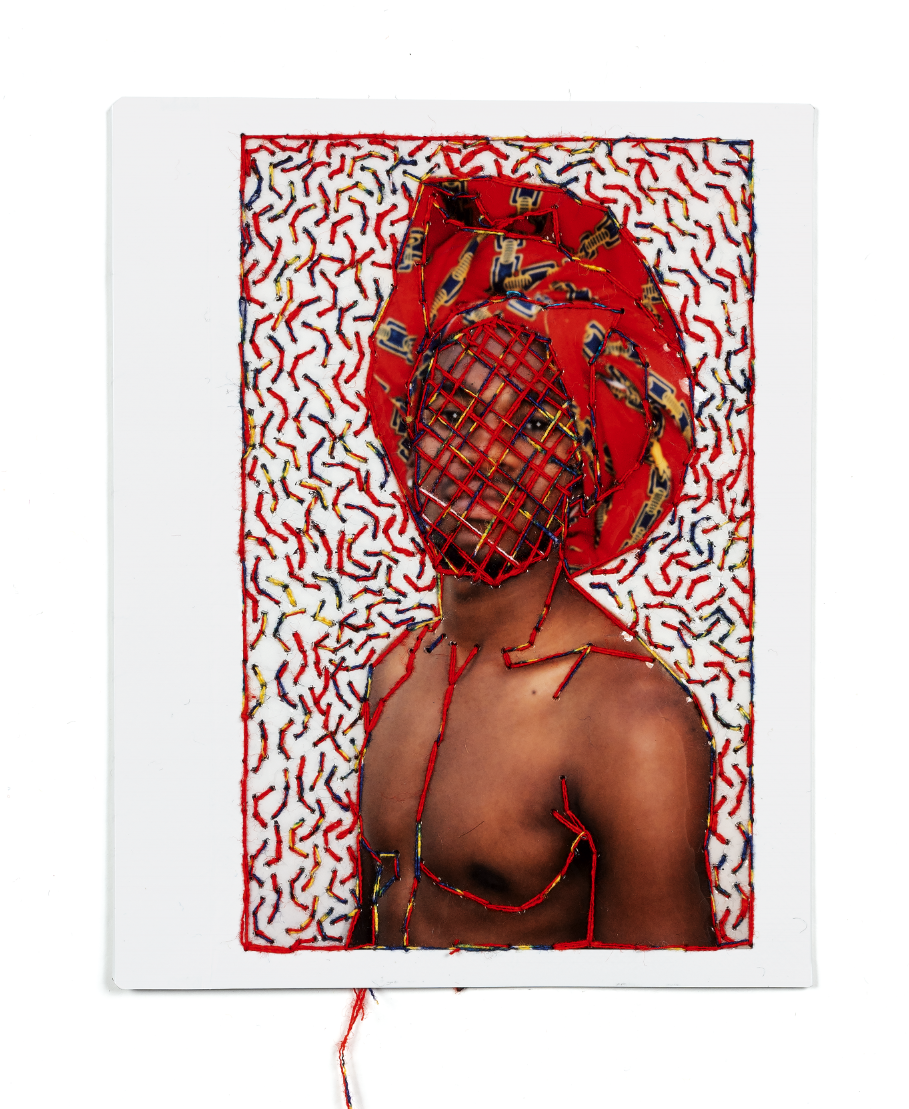 Image 4 of 8
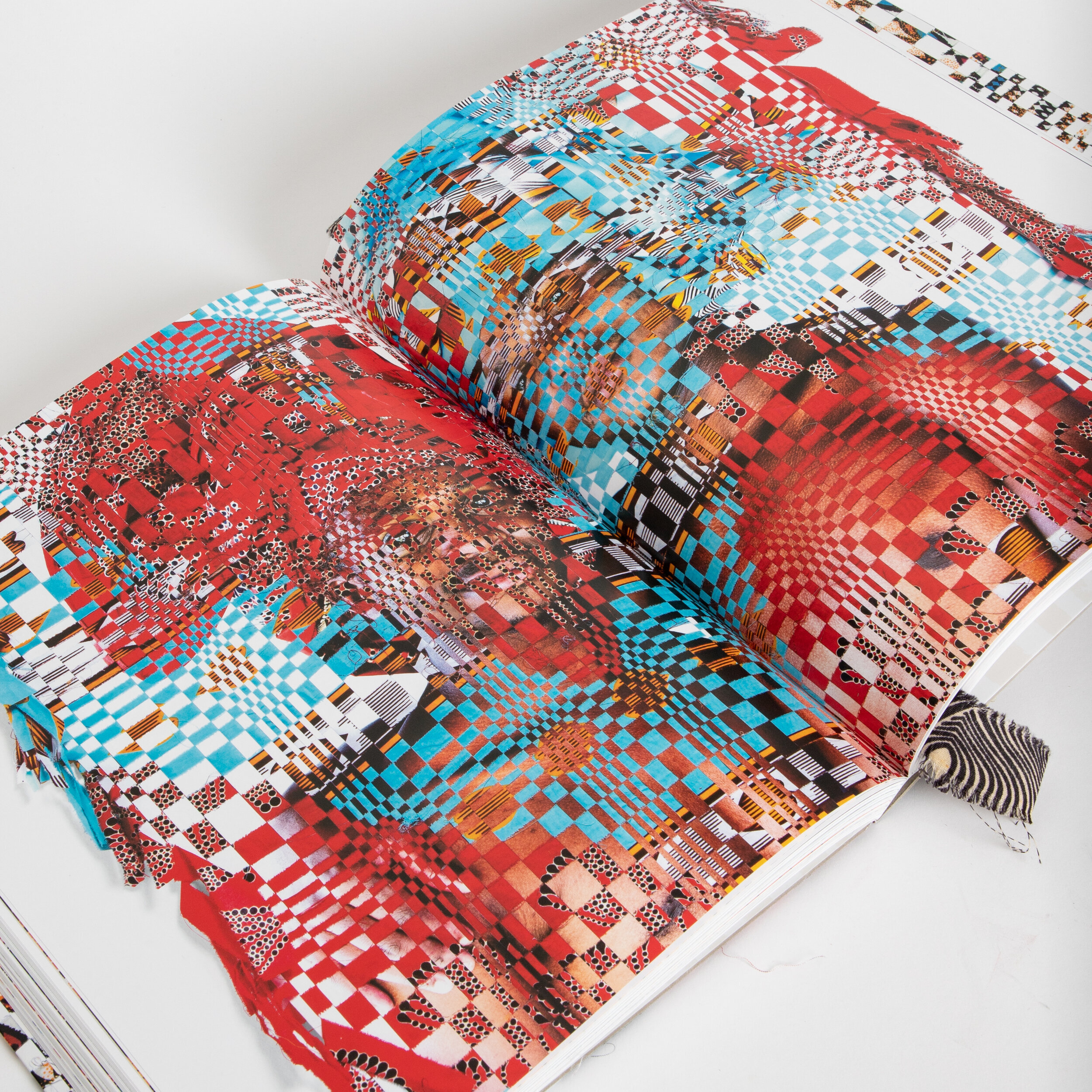 Image 5 of 8
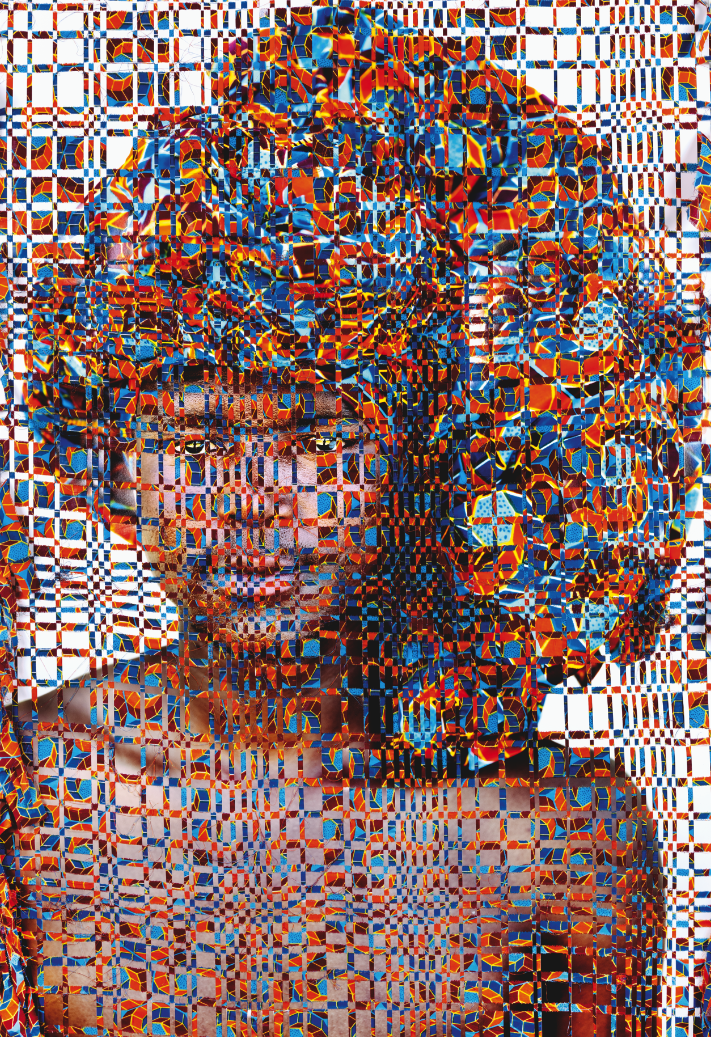 Image 6 of 8
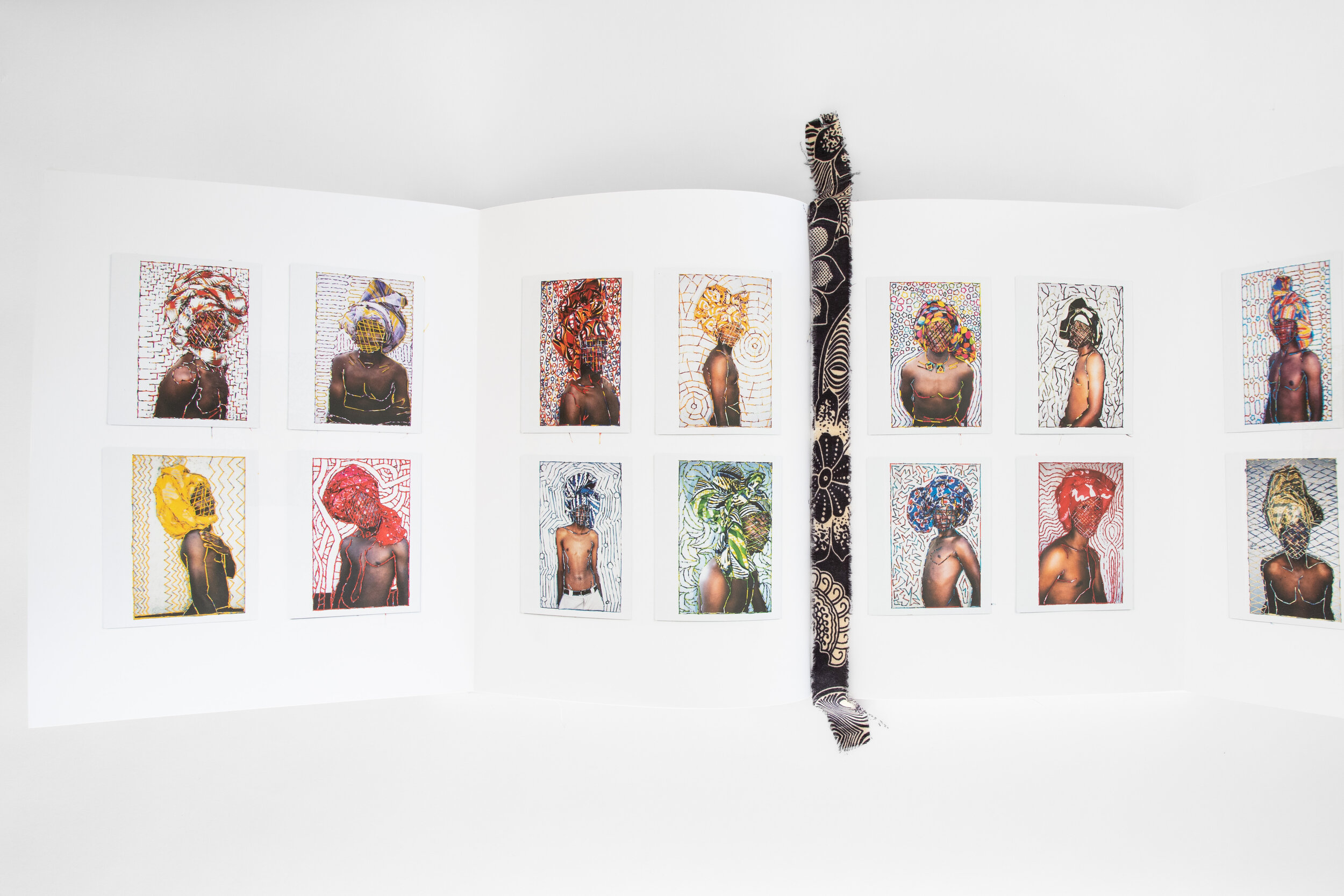 Image 7 of 8
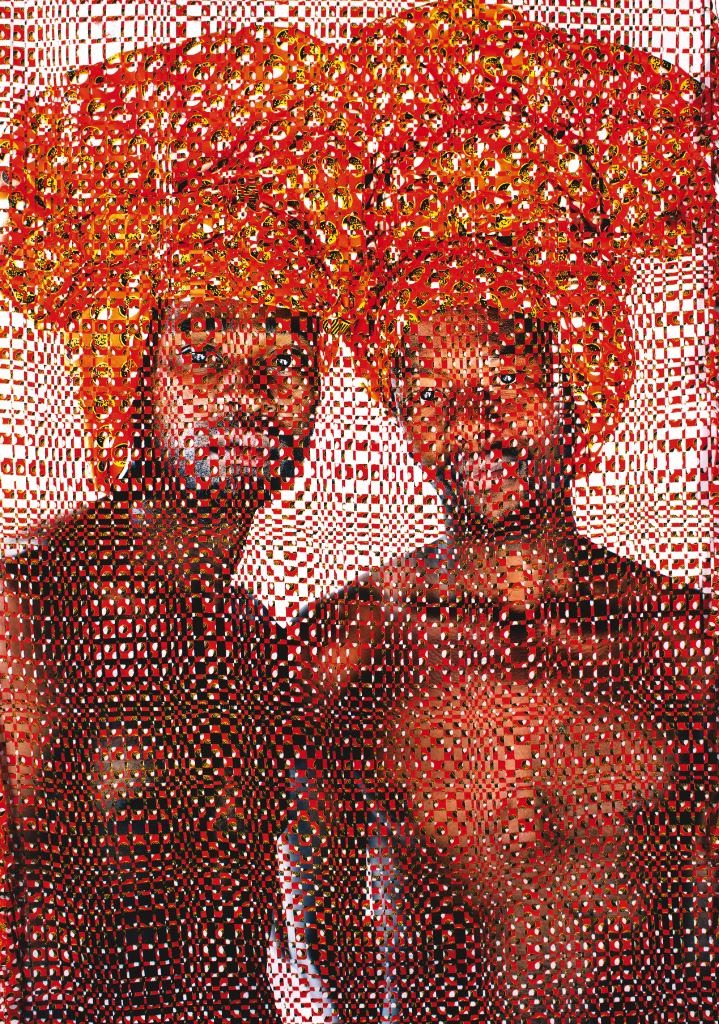 Image 8 of 8

YOU MAY ALSO LIKE
-
Photography by Kyle Meyer
Foreword by Todd J. Tubutis
Interview by Andy CampbellHardcover
11 x 12.75 inches
192 pages / 80 images
Trade ISBN: 9781942185680
Signed ISBN: 9798890180131Co-published with Yossi Milo
-
Over the past several years, Kyle Meyer’s (b. 1985) artistic foundation in photography has been plagued with a single question: how can a digital image serve any human connection when it is entirely produced – and ubiquitously reproduced – by mechanical means (camera, computer, printer) ?
This has led to extensive research and apprenticeship with handicraft artisans, exploring the tactile potential of photography. Throughout each successive body of work he creates, traces of the handmade are present, be it weaving, hand-dying, or layering—all which add texture, dimension, and meaning. While this pursuit is predominantly experimental and process-driven, there is also a perpetual analytical inquiry about his own identity as a gay man and the LGBTQ communities with whom I identify. It is deeply rooted in his experience growing up in a conservative farming community in rural Ohio and subsequently through spending a significant period as an adult in Swaziland where it is illegal to be homosexual.
By weaving together photographic and sculptural elements, his artwork metaphorically speaks to the human condition of seclusion, oppression, memory, and loss. It also laboriously questions the potency of digital photography by embracing the haptic qualities of craft.
For all our sakes, I hope Deborah Roberts continues to stake a claim, through her work, for a more expansive view of Black children.
– Dawoud Bey
Deborah Roberts: 20 Years of Art/Work provides the definitive look at the artist’s practice over the past two decades. With newly commissioned texts and a thorough dive into Roberts’ archive, this monograph offers a comprehensive view of one of today’s most significant artists and social observers. An extensive plate section is accompanied by a personal, heartfelt foreword from Dawoud Bey on “the tragic mischaracterization of Black children”; an insightful essay from Ekow Eshun on the social and political histories of innocence, race, and the fractured nature of the contemporary Black experience; a celebratory tribute from Carolyn Jean Martin on the musicality, humility, and generosity of Roberts’ practice; and a free-ranging conversation between Roberts and Sarah Elizabeth Lewis.
Since the beginning of her artistic career, otherness has been at the center of Roberts’ consciousness. Her early ideals of race and beauty were shaped by and linked through Renaissance art and fashion magazines— mythical, heroic, beautiful, and powerful images that embodied a particular status not afforded equally to anyone Roberts knew. Influencing the way she viewed herself and other African Americans, those images led her to investigate the way their identities had been imagined and shaped by societal interpretations of beauty. Having one’s identity dismantled, marginalized and regulated to non-human status demanded action. This led Roberts to critically engage image-making in art history and pop-culture, and ultimately grapple with whatever power and authority these images have over the female figure.