
 Image 1 of 8
 Image 2 of 8
 Image 3 of 8
 Image 4 of 8
 Image 5 of 8
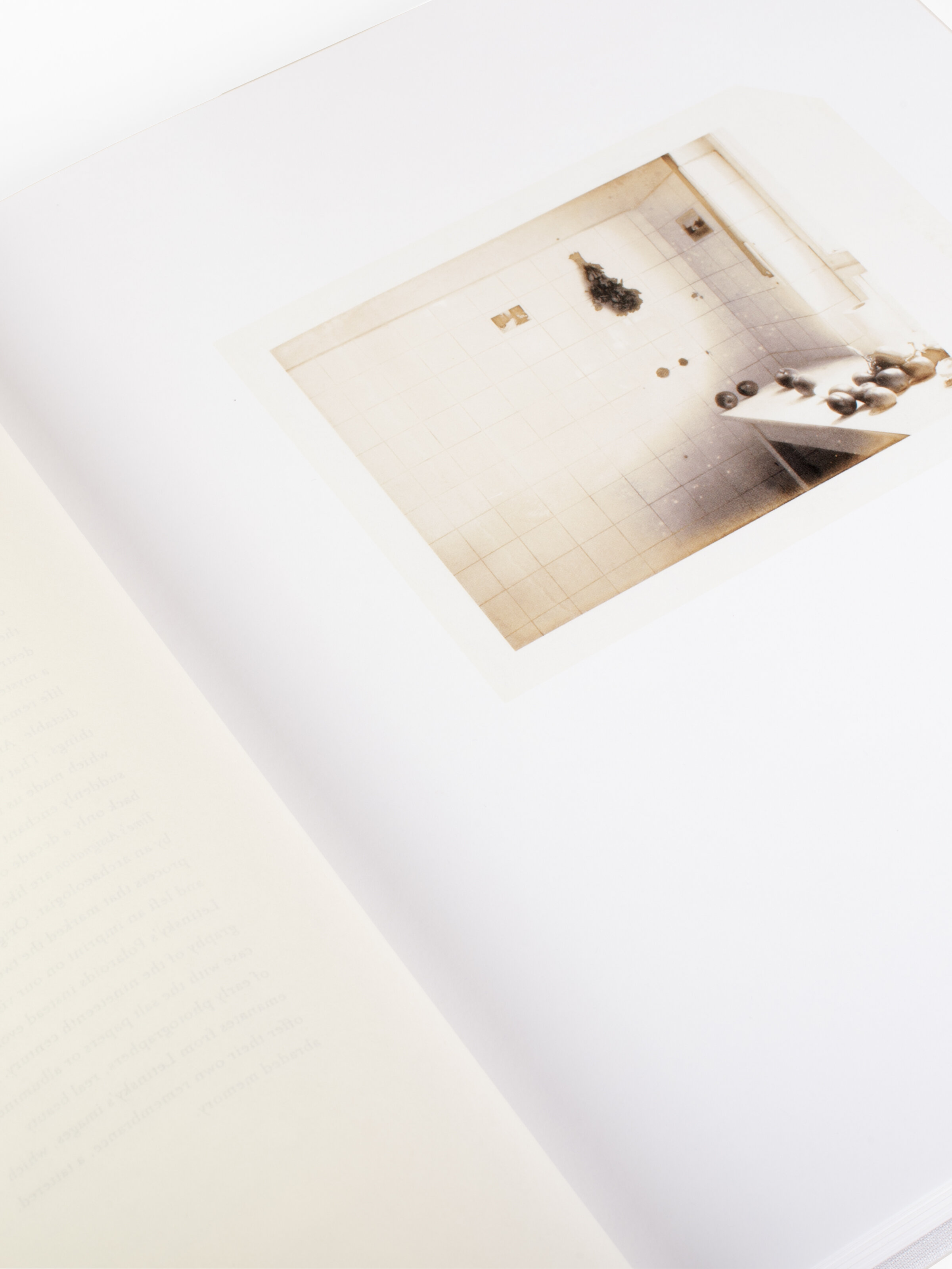 Image 6 of 8
 Image 7 of 8
 Image 8 of 8
-
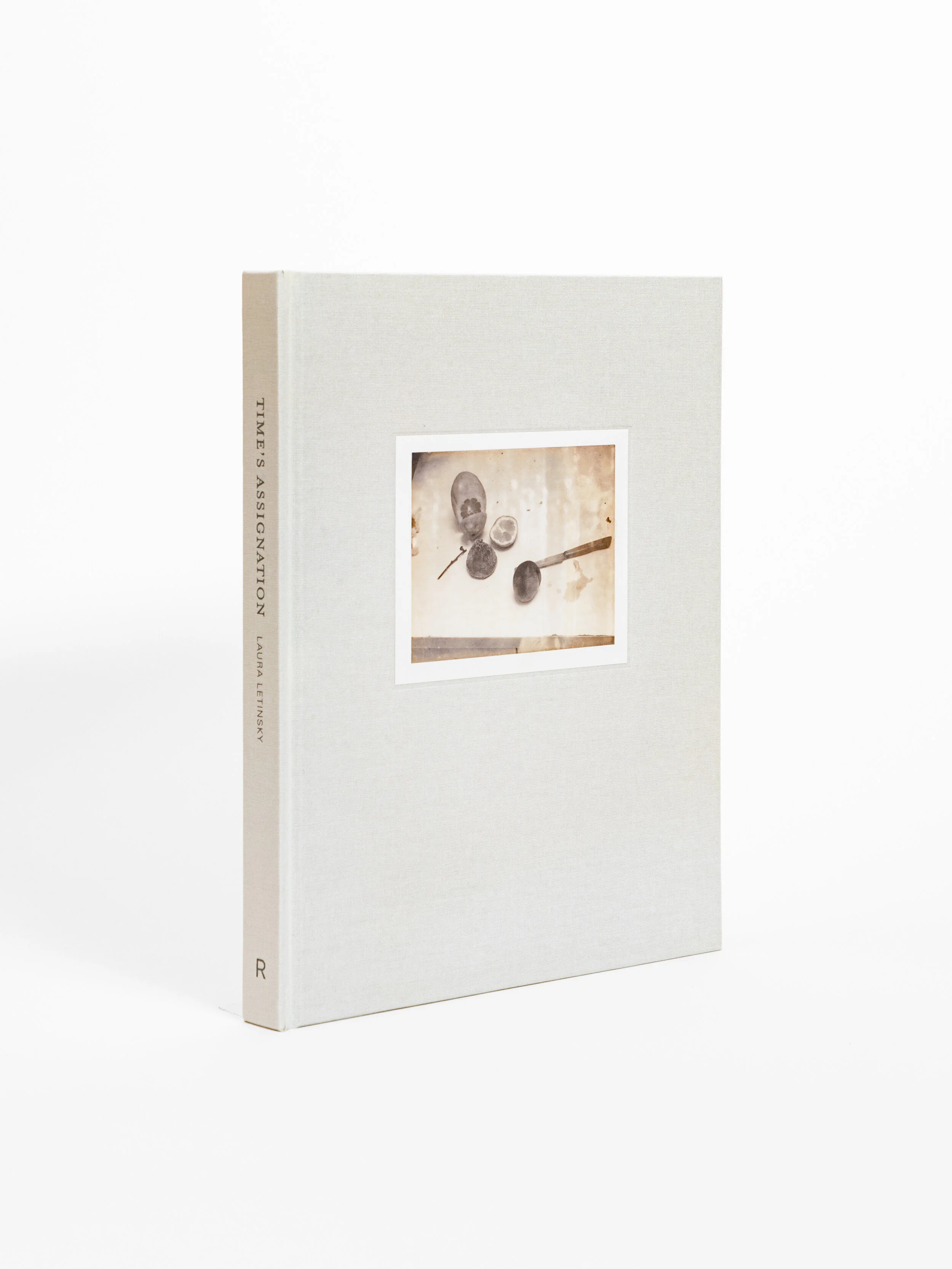
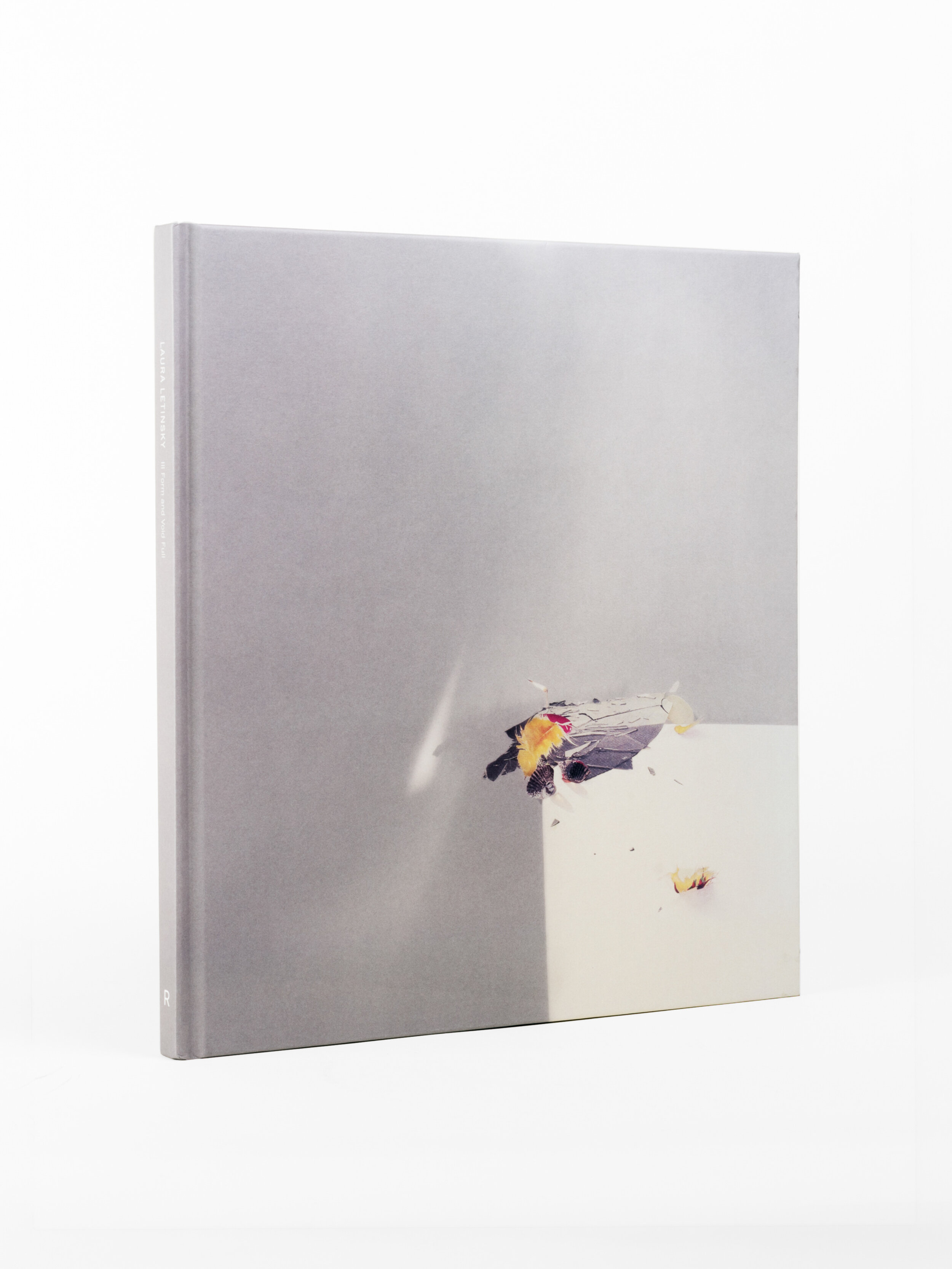
LAURA LETINSKY made this collection of black-and-white images in her studio from 1997 until 2008, when Type 55 Polaroid film was discontinued. Akin to sketches, Letinsky’s work explores focus, composition, exposure, and most importantly, light itself, leading to her larger scale color works, for which she is best known.
Small, slow, and raw, these pictures reveal a process of asking. This way or that? More or less? Now or then? Insistently beautiful in their decomposition, now stabilized, their high key tones slip into a white veil, with the darker tones metallized in hues of taupe, gold, and gunmetal gray.
In their subject and materiality, these images bespeak of time’s rapid and unrelenting progression. Their black-and-white ravaged descriptions—coupled with their singularity and seriality—bespeak of the distance between having and wanting. These images are an homage to and lamentation of time’s passage as it is seemingly ensured and enshrined through the photograph’s exegesis.
Drink wine and look at the moon and think of all
the civilizations the moon has seen passing by…
— Omar Khayyam, 11th-century mathematician and poet
Thirty-Six Views of the Moon is a meditative collection of nighttime exposures. For this project, Ebtekar found and tore out pages from volumes spanning the last thousand years—ranging from poetry and science fiction to religious texts and philosophy—that reference the moon and night sky. He then worked with a photographic glass plate negative of the moon from the Lick Observatory archives in Northern California, treating each book page with Potassium ferricyanide and Ammonium ferric citrate to make their surfaces light-sensitive. Finally, Ebtekar would leave the sheets outside from dusk until dawn, using the UV-light emitted by the moon to create a contact cyanotype print layered with the cosmological texts on the found book pages.
In addition to the thirty-six cyanotypes, this volume features essays by Kim Beil, Alexander Nemerov, and Ladan Akbarnia, as well as an annotated index for this selection of images and a comprehensive bibliography of sources Ebtekar has used throughout the various iterations of this project.