Image 1 of 17
Image 2 of 17
Image 3 of 17
Image 4 of 17
Image 5 of 17
Image 6 of 17
Image 7 of 17
Image 8 of 17
Image 9 of 17
Image 10 of 17
Image 11 of 17
Image 12 of 17
Image 13 of 17
Image 14 of 17
Image 15 of 17
Image 16 of 17
Image 17 of 17
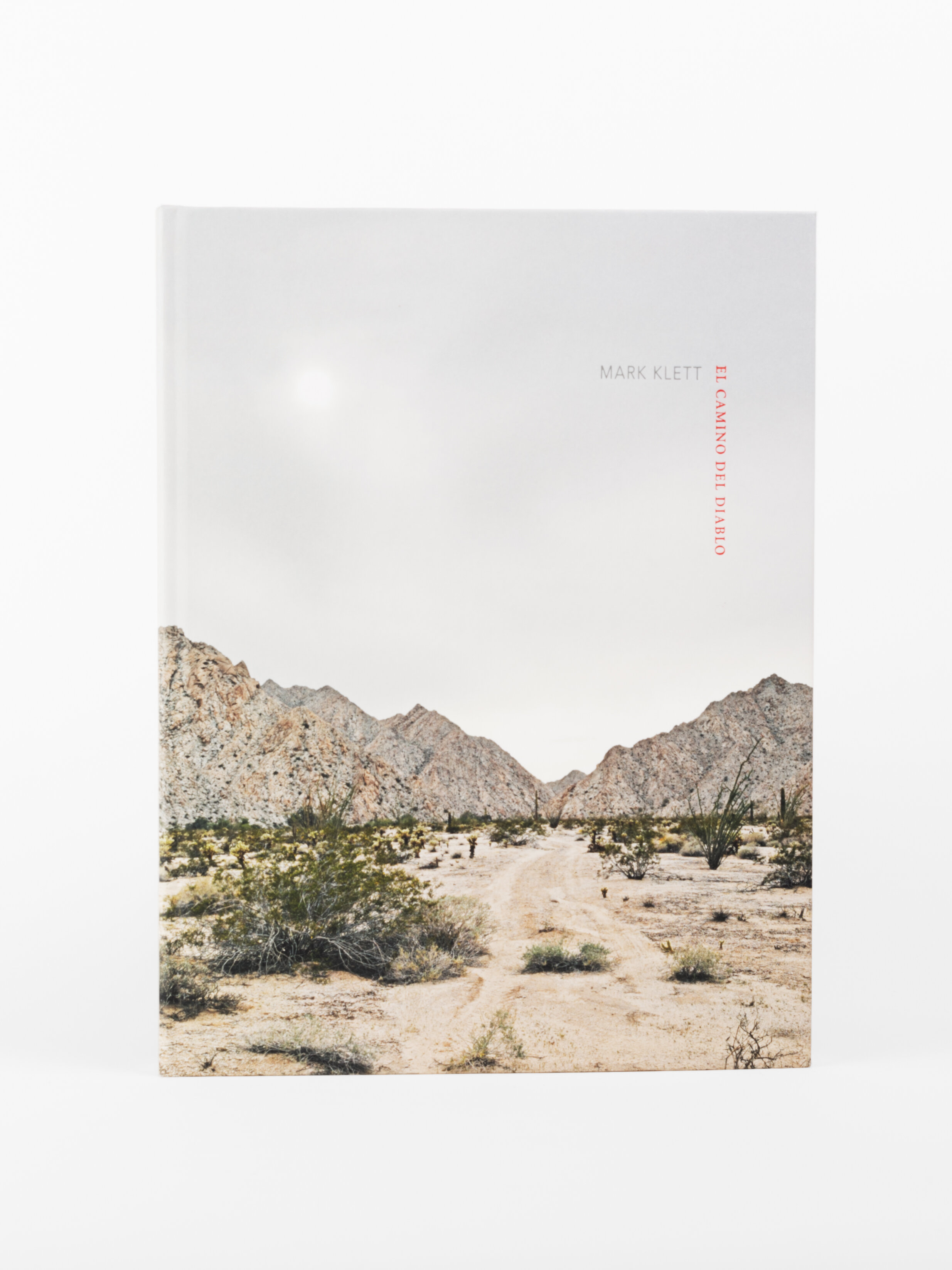
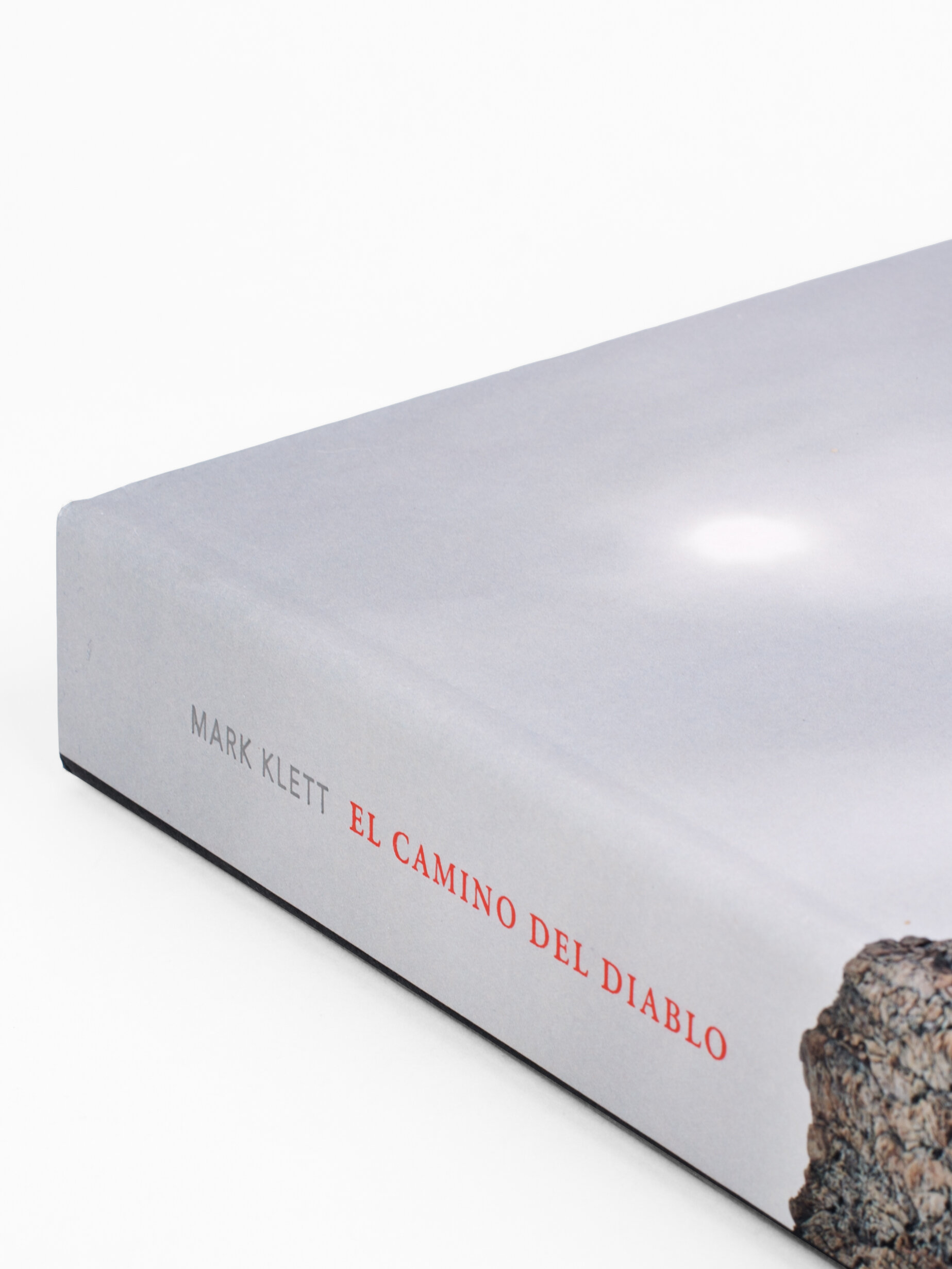
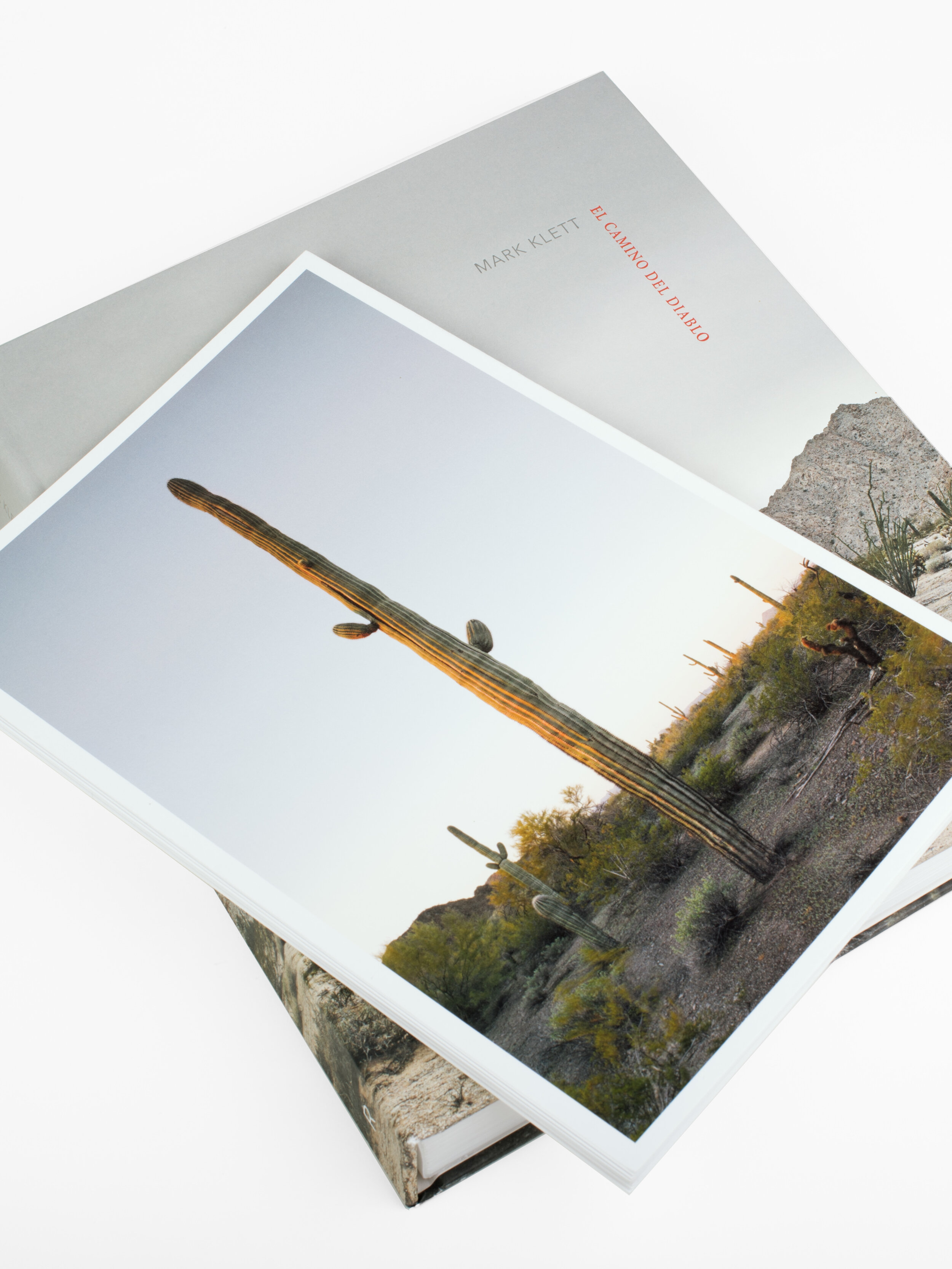
Mark Klett: El Camino del Diablo
He captures the spirit of the explorer’s dark, wide-eyed vision with a critical distance.
— Jordan G. Teicher, Photograph Magazine
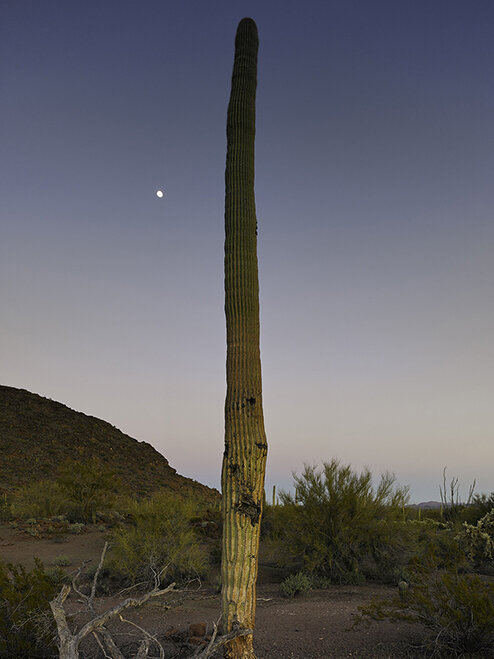
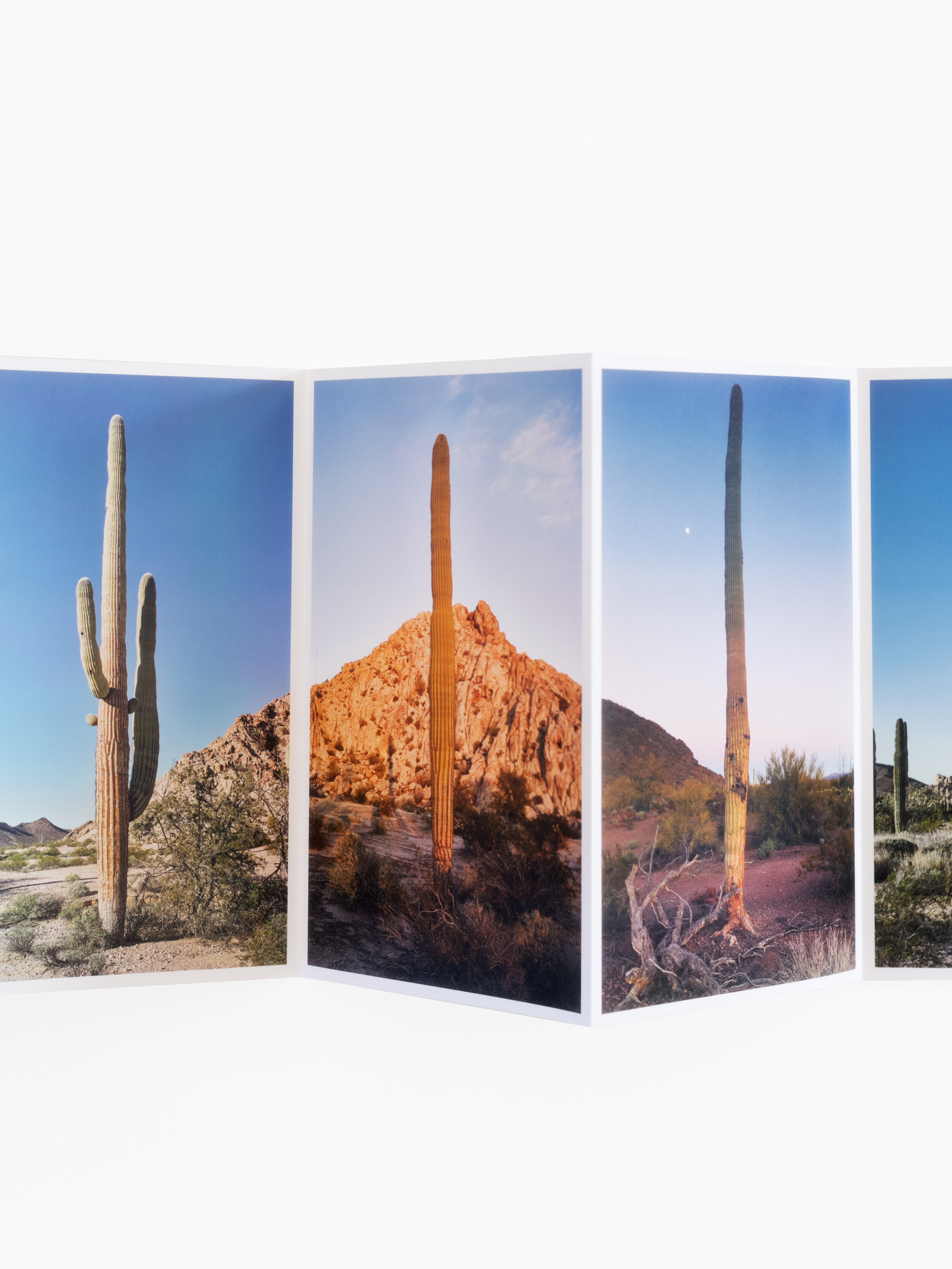
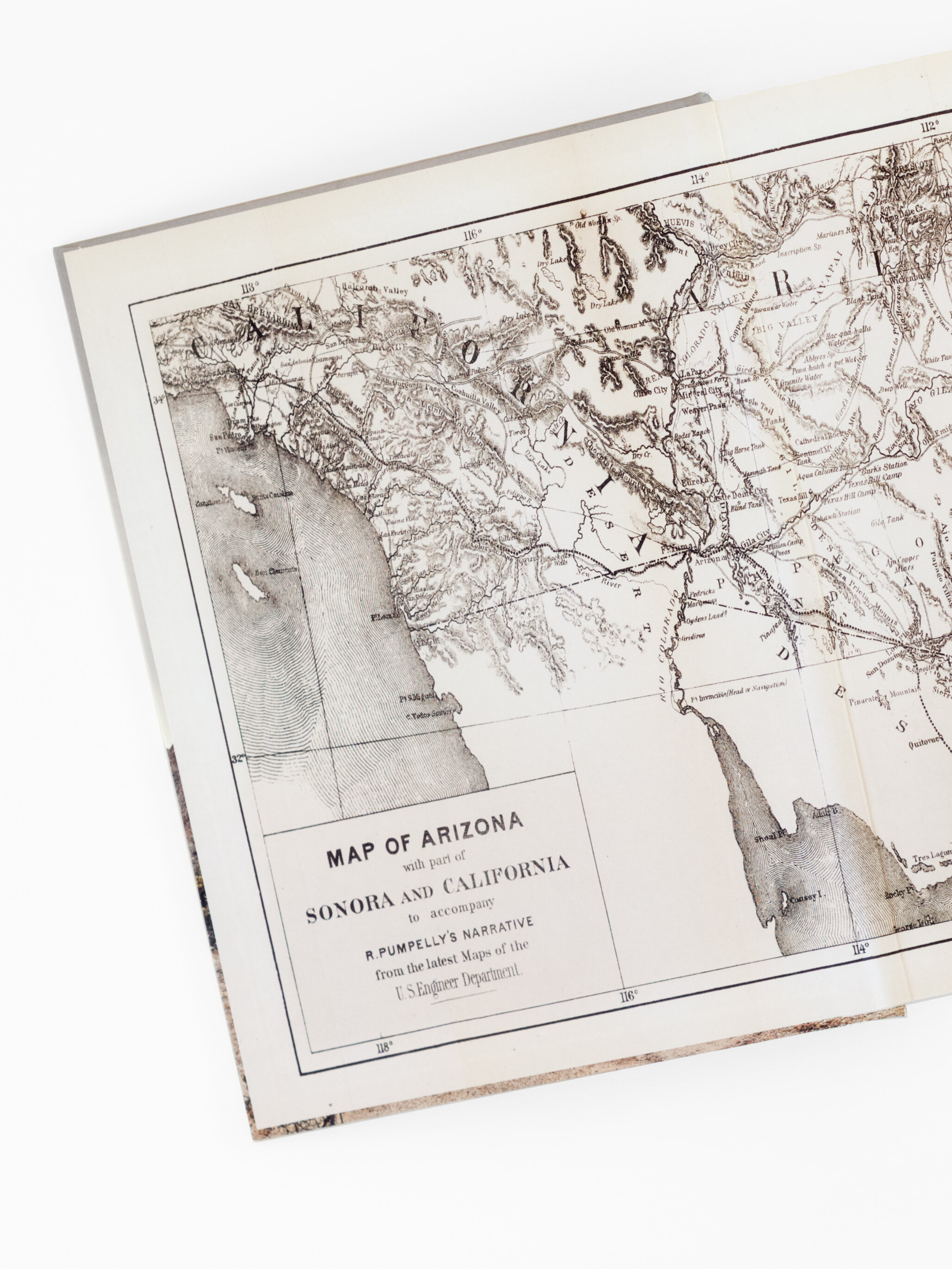
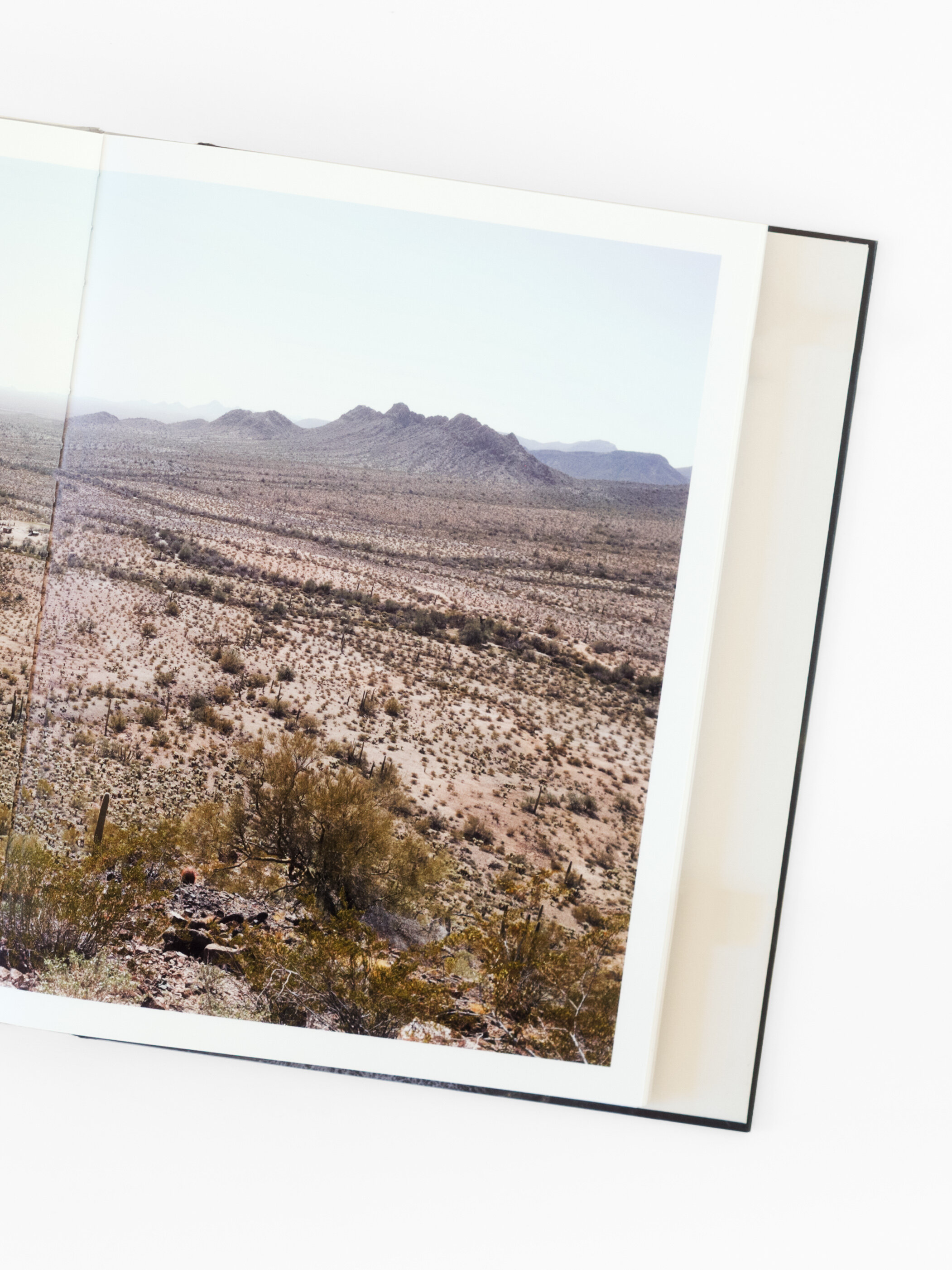
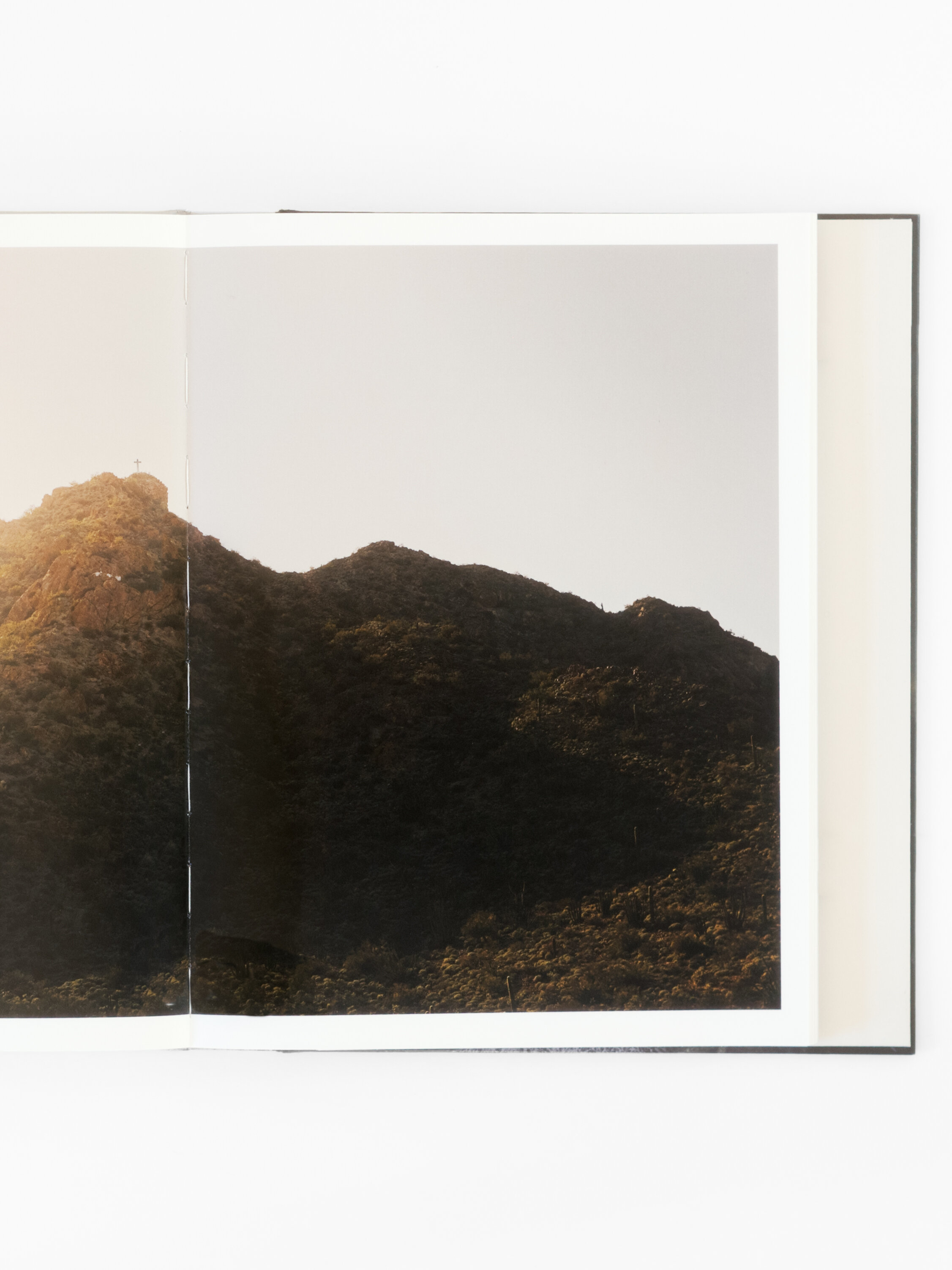
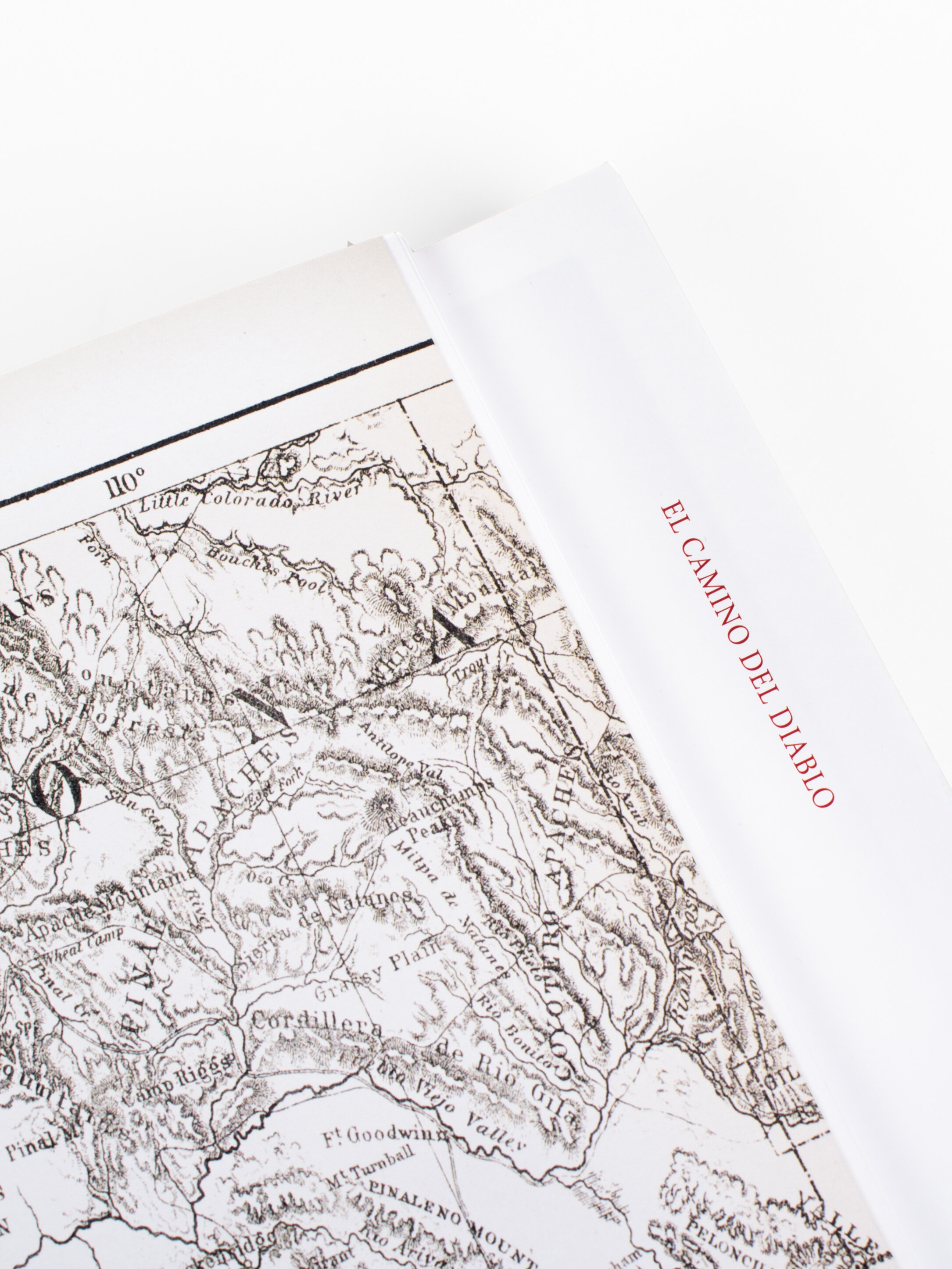
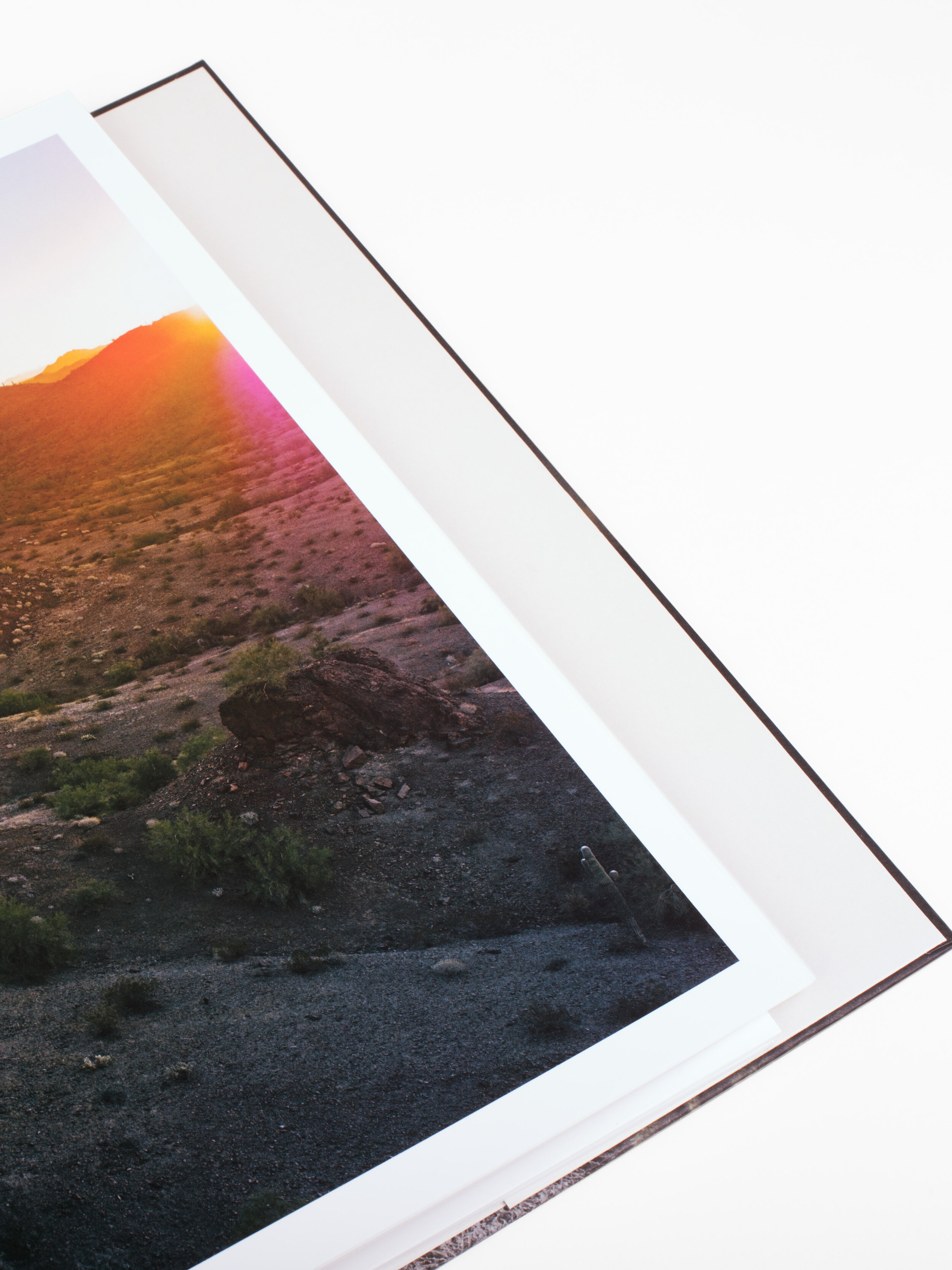
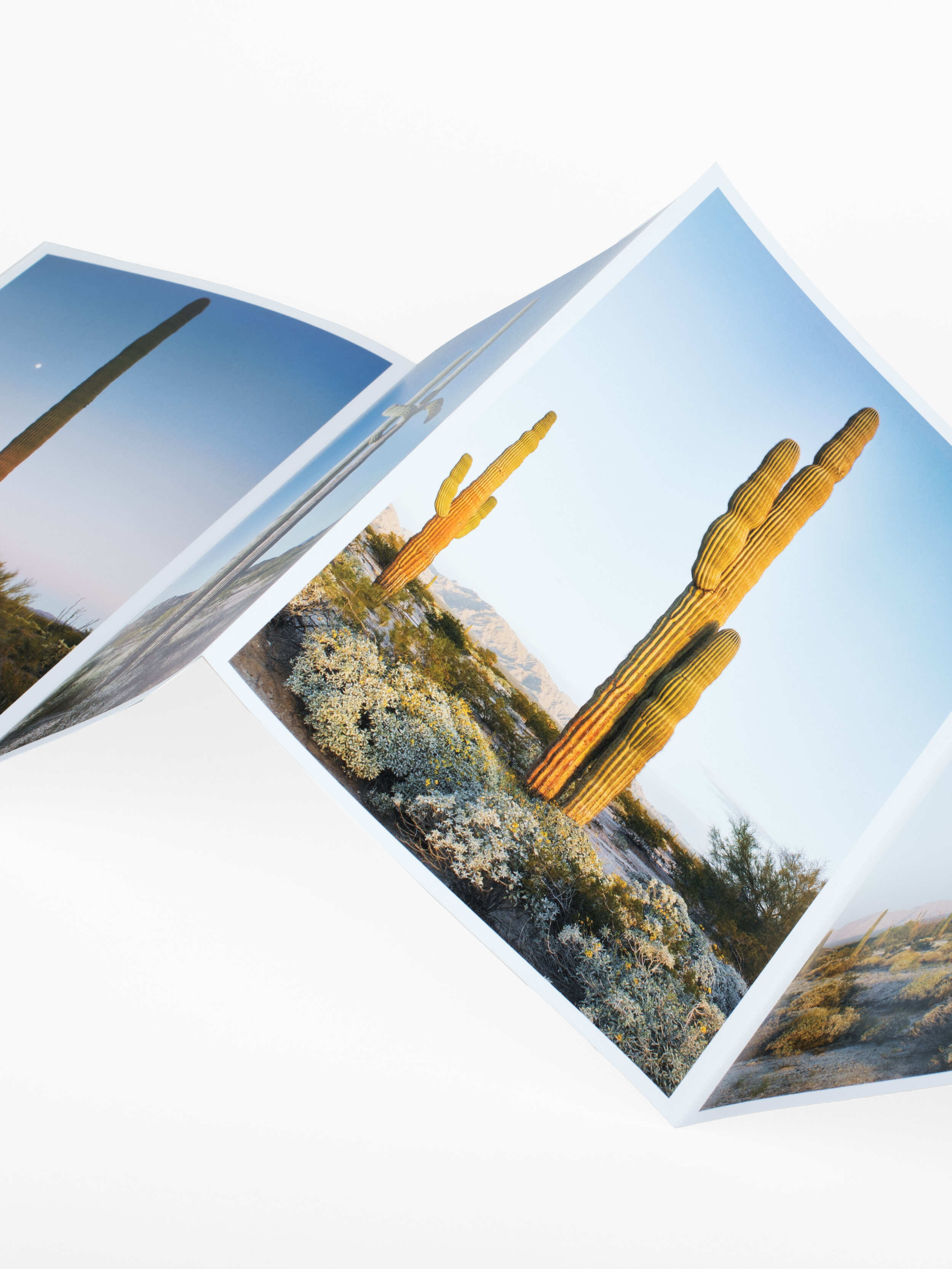
Much of Mark Klett’s work as a photographer has centered on a conversation with historical images. For this project, Klett worked only with the account of a young mining engineer named Raphael Pumpelly, who wrote of his journey through Arizona and Mexico in 1861 on the Camino del Diablo or “the road of the devil.” Pumpelly found the territory lawless and filled with danger. Mexican laborers working in the silver mines south of Tucson were perpetually killing their Anglo bosses, and the authorities were virtually non-existent. The Apache led constant raids and ambushes. Pumpelly escaped death several times, often by a matter of minutes. Traveling 130 miles of open desert, he proceeded with both apprehension of the dangers at hand, and appreciation of the natural beauty that surrounded him.
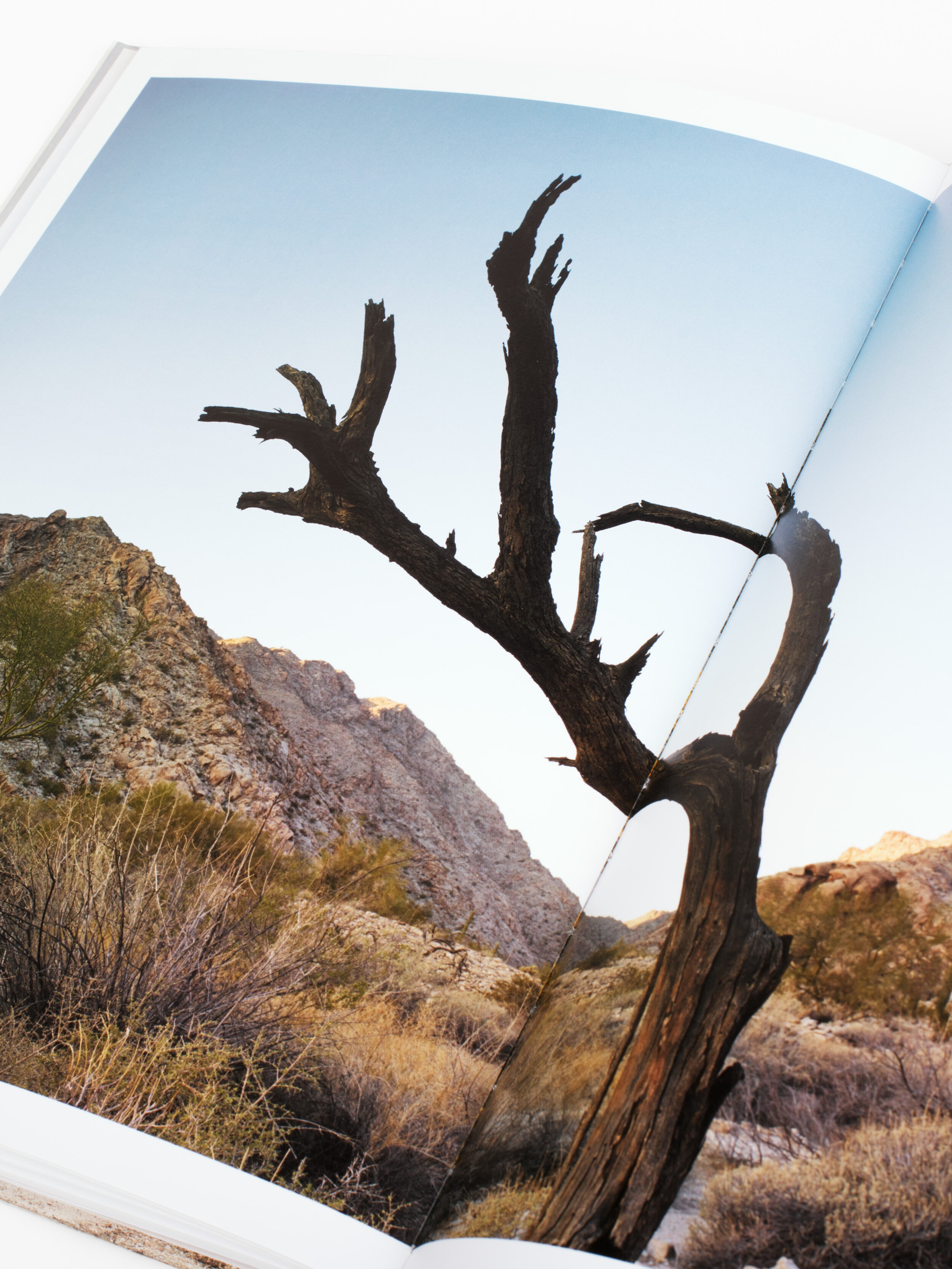
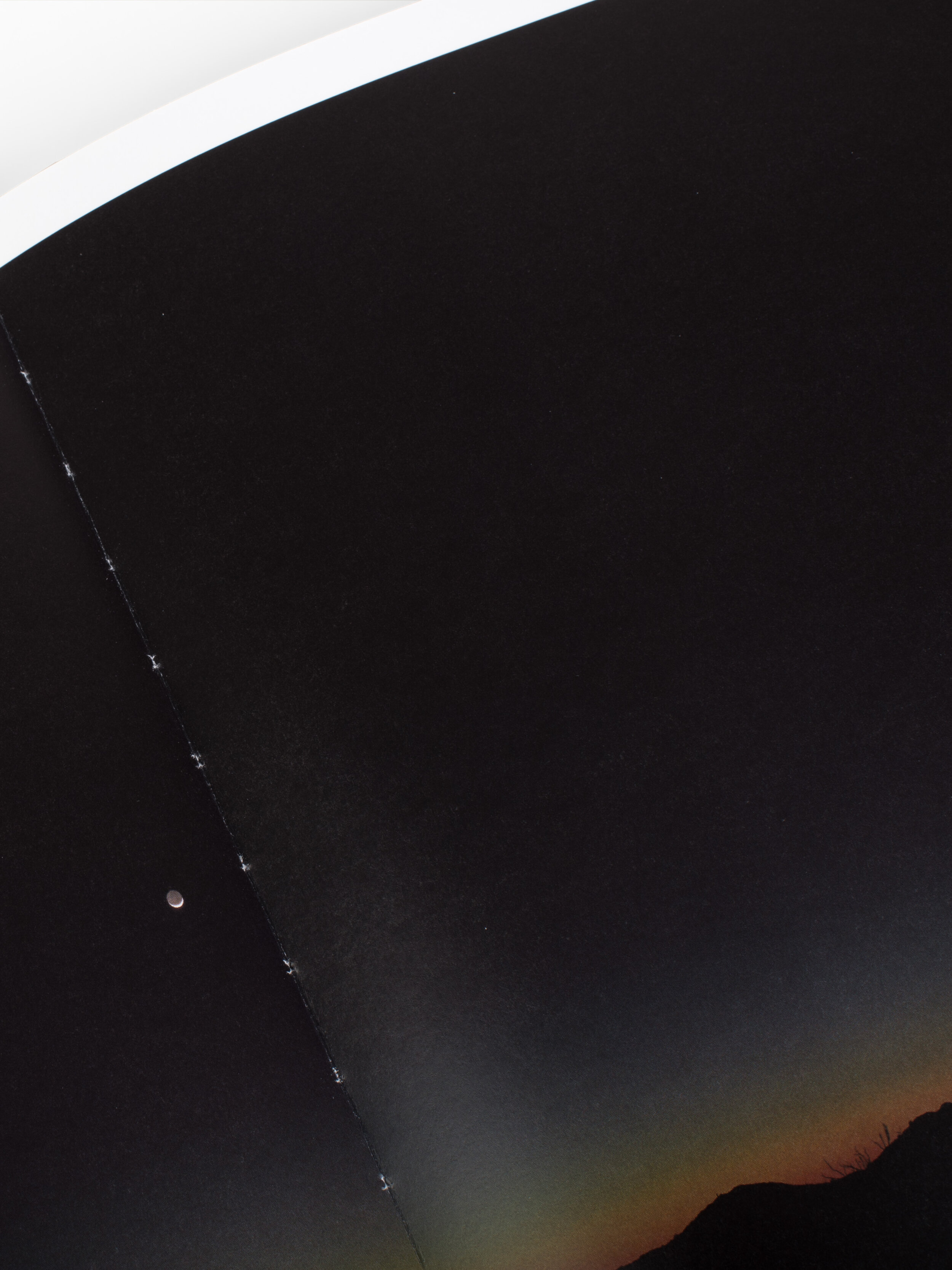
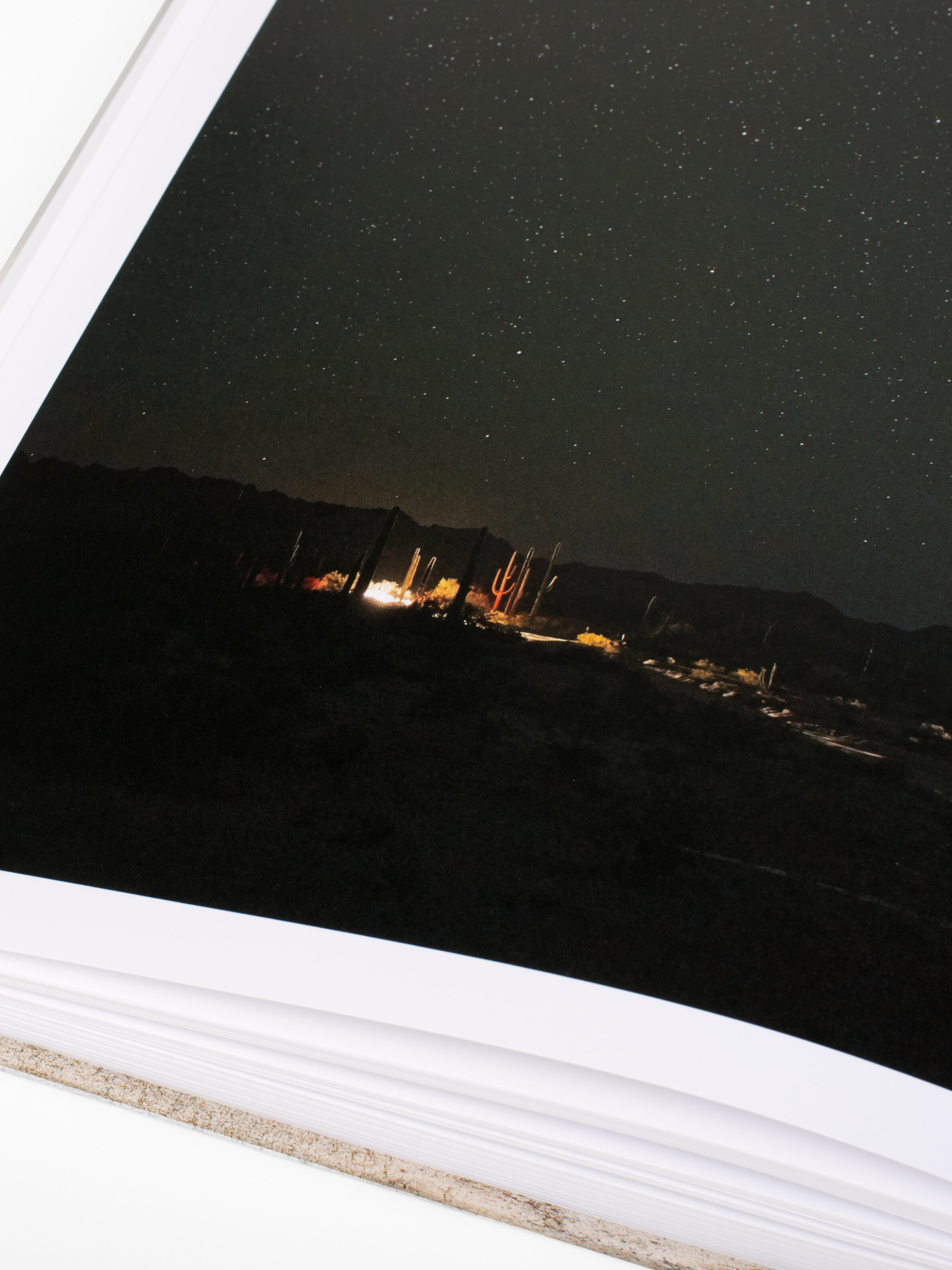
152 years later, Klett traversed the same route, making photographs in response to Pumpelly’s words. Unable to trace the engineer’s exact steps, Klett created images that are not literal references to specific places or events. Rather, he sought to produce a more poetic narrative to their shared experience of the Arizona desert, along the common route that connects the two through time.
Today, most of the Camino is located on the Barry M. Goldwater Bombing Range and the border is a militarized zone constantly patrolled by government agents and crisscrossed by air and ground forces practicing for war. Camino travelers often hide from detection, be they immigrants or drug smugglers moving North under the cover of night or the ruggedness of the terrain. Indian reservations create boundaries and mark other cultural divides. A hostile climate kills many who dare travel in hot weather and people die each year on the Camino, most from exposure. Yet the Camino also crosses one of the most beautiful and still wild regions of the Sonoran Desert.
Limited edition of this book available HERE
He captures the spirit of the explorer’s dark, wide-eyed vision with a critical distance.
— Jordan G. Teicher, Photograph Magazine
Much of Mark Klett’s work as a photographer has centered on a conversation with historical images. For this project, Klett worked only with the account of a young mining engineer named Raphael Pumpelly, who wrote of his journey through Arizona and Mexico in 1861 on the Camino del Diablo or “the road of the devil.” Pumpelly found the territory lawless and filled with danger. Mexican laborers working in the silver mines south of Tucson were perpetually killing their Anglo bosses, and the authorities were virtually non-existent. The Apache led constant raids and ambushes. Pumpelly escaped death several times, often by a matter of minutes. Traveling 130 miles of open desert, he proceeded with both apprehension of the dangers at hand, and appreciation of the natural beauty that surrounded him.
152 years later, Klett traversed the same route, making photographs in response to Pumpelly’s words. Unable to trace the engineer’s exact steps, Klett created images that are not literal references to specific places or events. Rather, he sought to produce a more poetic narrative to their shared experience of the Arizona desert, along the common route that connects the two through time.
Today, most of the Camino is located on the Barry M. Goldwater Bombing Range and the border is a militarized zone constantly patrolled by government agents and crisscrossed by air and ground forces practicing for war. Camino travelers often hide from detection, be they immigrants or drug smugglers moving North under the cover of night or the ruggedness of the terrain. Indian reservations create boundaries and mark other cultural divides. A hostile climate kills many who dare travel in hot weather and people die each year on the Camino, most from exposure. Yet the Camino also crosses one of the most beautiful and still wild regions of the Sonoran Desert.
Limited edition of this book available HERE
ACCOMPANYING LIMITED EDITION
YOU MAY ALSO LIKE
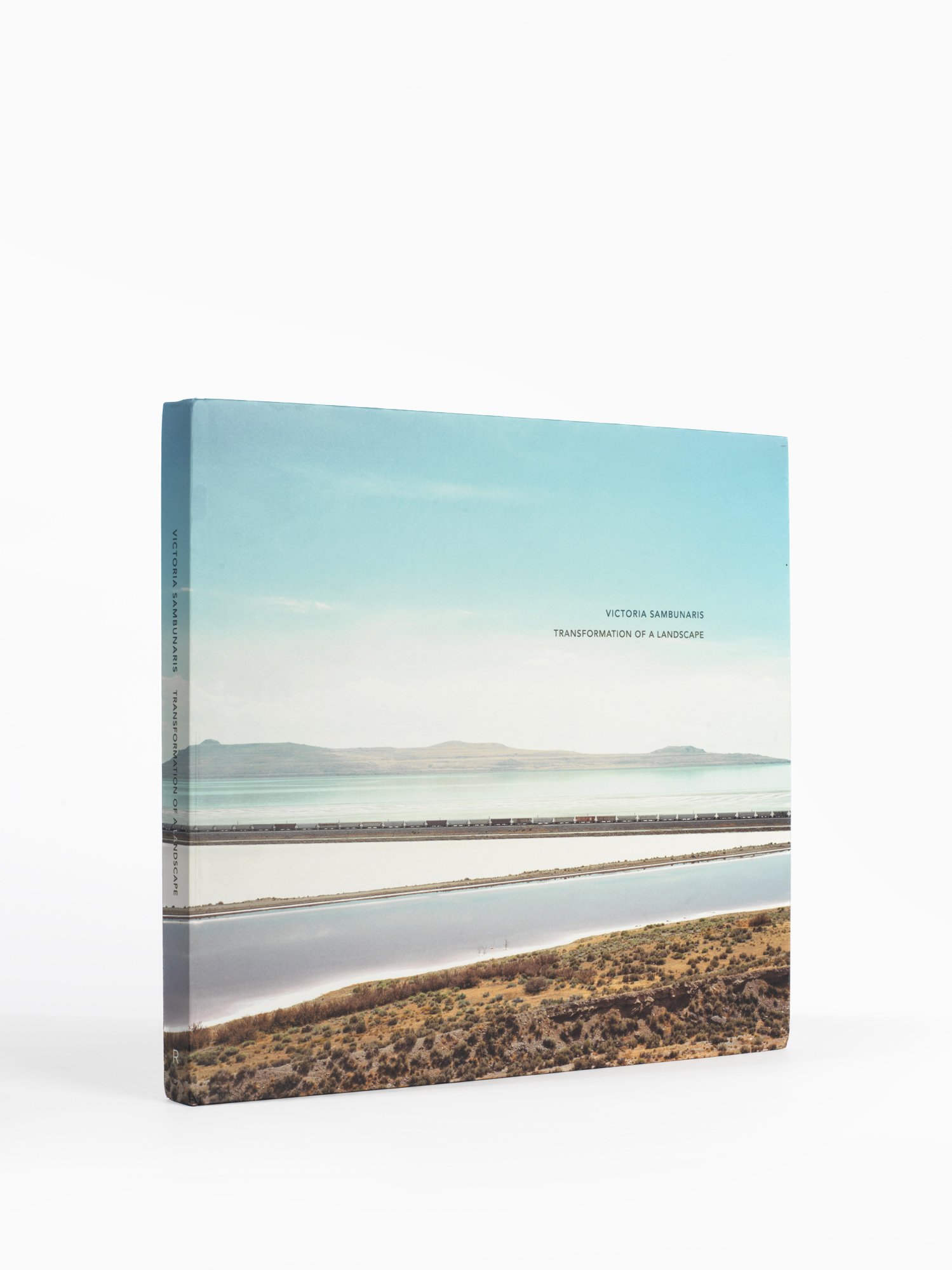
I think of “social geography” as a term to describe my photographic work and methodology…The photographs that I produce question traditional and clichéd notions of landscape, our place within it, and the collective roles and responsibilities in how and why we shape it the way we do.
— Victoria Sambunaris
Her first book in over ten years, Victoria Sambunaris: Transformation of a Landscape shares the nuance and majesty of the artist’s practice in a large-scale book format. Each year, Sambunaris structures her life around a photographic journey traversing the American landscape. Equipped with a 5×7-inch field camera, film, a video camera, and research material, she crosses the country alone by car for several months. Her large-scale photographs capture the continuing transformation of the American landscape with specific attention given to expanding political, technological, and industrial interventions.
Part of her ongoing, twenty-year series Taxonomy of a Landscape, this book encompasses the past decade of work, including collected ephemera that form the essential and incidental elements of her practice as a photographer and researcher. Also featured are archival documentation of experiences and observations on the road, such as snapshots, maps, road logs, journals, geology and history books, mineral specimens, and artifacts. This title follows her first book with Radius, Taxonomy of a Landscape.
Browse upcoming events with the artist here.
Binh Danh was born in Vietnam and immigrated to the US in 1979. Early in his career, Danh pioneered a technique of printing images directly onto plant matter, activating the plants’ chlorophyll with sunlight. Using this process, Danh printed images associated with the war in Vietnam onto the leaves of tropical plants and grasses. Of this work, Danh explains, “This process deals with the idea of elemental transmigration: the decomposition and composition of matter into other forms. The images of war are part of the leaves, and live inside and outside of them.”
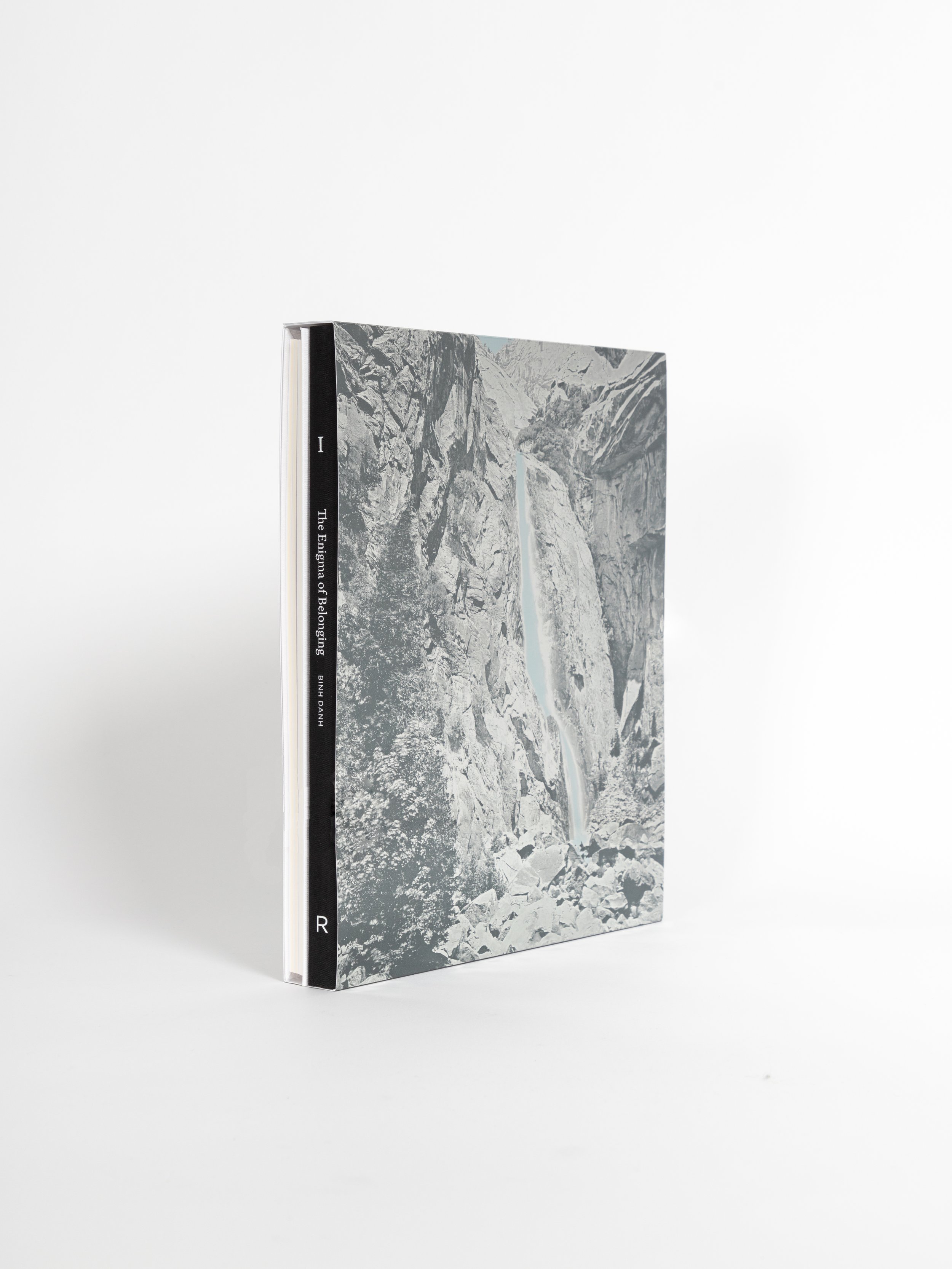
Known for his innovative approach to alternative photographic processes, Binh Danh extends and reconsiders the pursuit of pioneering nineteenth-century photographers. For almost a decade, Danh has traveled across the American West, making daguerreotypes of scenic vistas on silver plates in a mobile darkroom he calls Louis, after Louis Daguerre. Danh imbues this scenery with his distinctly personal perspective—namely, an attempt to negotiate his connection as a Vietnamese American with the landscape and history of the United States. The highly reflective surfaces of Danh’s daguerreotypes literally mirror their surroundings, embracing viewers within the idyllic environs of national sites and landmarks. This inaugural monograph features two volumes in a slipcase, bringing together all three bodies of work and a separate book of essays and memorabilia that serves to contextualize Danh's work.
…the madness of the past and the terror of the future, amid the epiphanies of beautiful light and majestic space and the contradiction of the present.
— Rebecca Solnit
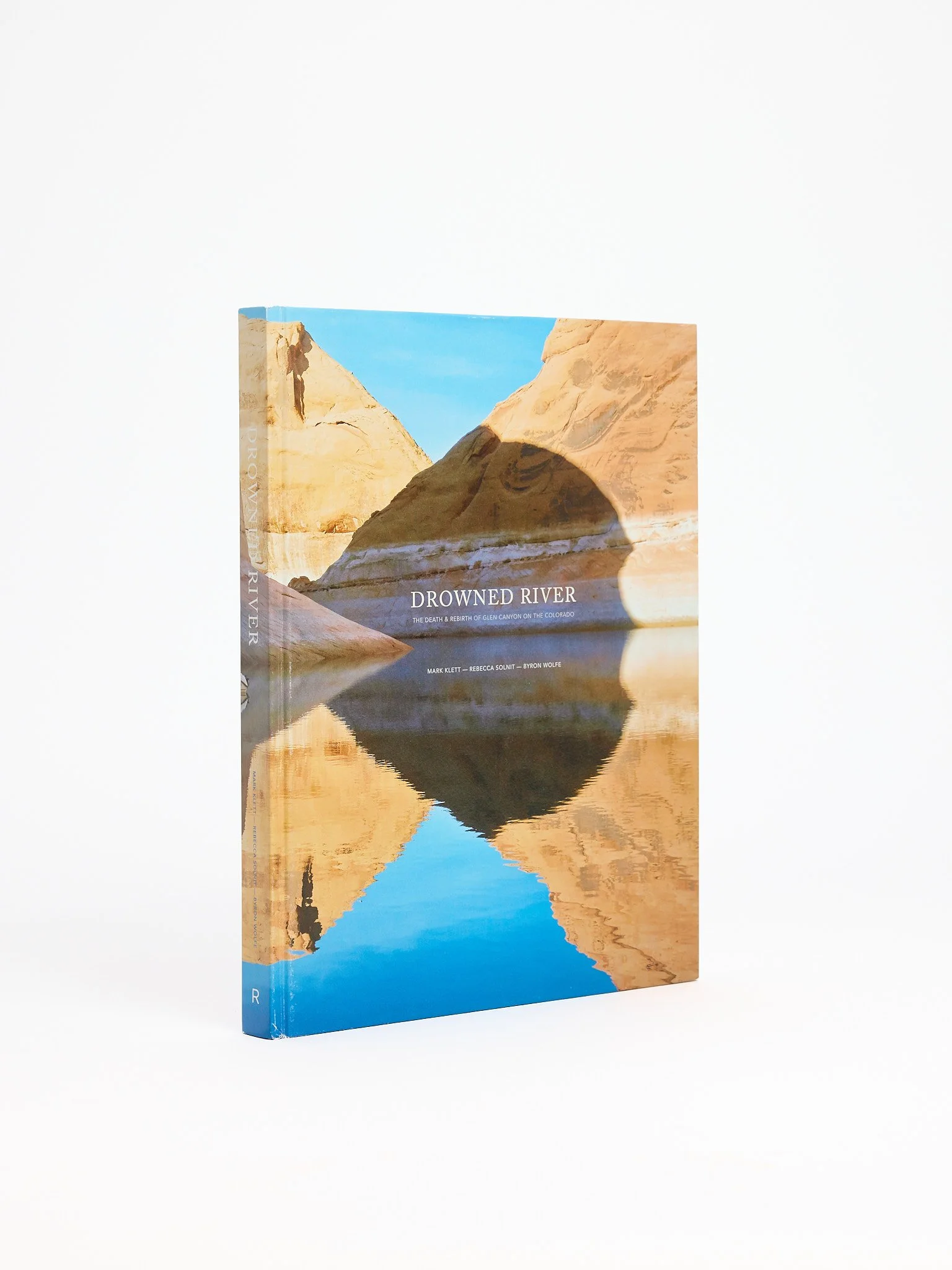
In 1963 the waters began rising behind Glen Canyon Dam and 170 miles of the Colorado River slowly disappeared as the riverbed and surrounding canyons filled with water. Those who supported and those who opposed the dam considered it a long-term transformation; environmentalists mourned Glen Canyon as dead and gone forever. But it’s coming back, in a victory that is also the pervasive disaster of climate change.
Byron Wolfe, Mark Klett, and Rebecca Solnit spent half a decade exploring Glen Canyon as expectations and possibilities changed and the river reemerged at the upper end of the reservoir. Their starting point was Eliot Porter’s landmark book of color photography, The Place No One Knew: Glen Canyon the Colorado, published by the Sierra Club in 1963 as a political statement about what had been lost under the dam’s waters and why it should never happen again. Their ending point is the reemergence of the river and the rise of questions about climate, the fate of the southwest, the folly of human endeavors to control nature, and the possibility of seeing these places and problems in new ways.
Drowned River is a book about climate change, but also about how photography can describe beauty and trouble simultaneously, about depth and shallowness, about what it takes to understand a place and to come to terms with the enormous scale of the changes we have set in motion.
Mr. Klett’s artful and striking photographs often parse the most minute details: a broken windowpane, a bent nail, .50-caliber bullets found at the machine-gun range. These fragments stand in for Wendover, just as the base stands in for the birth of nuclear destruction.
— Dana Jennnings, The New York Times
In Hiroshima, Japan, a twisted steel dome is grim reminder of a city destroyed by the first atomic bomb used in warfare. It is a history no one dares to forget. Halfway around the globe in the Utah/Nevada border stands another ruin, the airplane hangar inside of which the bomber that carried the Hiroshima bomb was readied for its mission.
Wendover Airbase, once the world’s largest, now crumbles from neglect. The stories and relics at Wendover describe more than the past, they also point to a historic cycle; to a present filled with new apprehensions that carry the potential for a chilling future.
Artist Mark Klett, known for his ongoing exploration of landscape, history and the passage of time through the medium of photography, and William L. Fox, a celebrated science and art writer whose work has focused on human cognition and memory, team up to create a fascinating visual and verbal multi-layered portrait of Wendover Airbase and the experience of memory in relation to the use of the atomic bomb by the American military in World War II.
-
Photographs by Mark Klett
Text by Raphael PumpellyHardcover
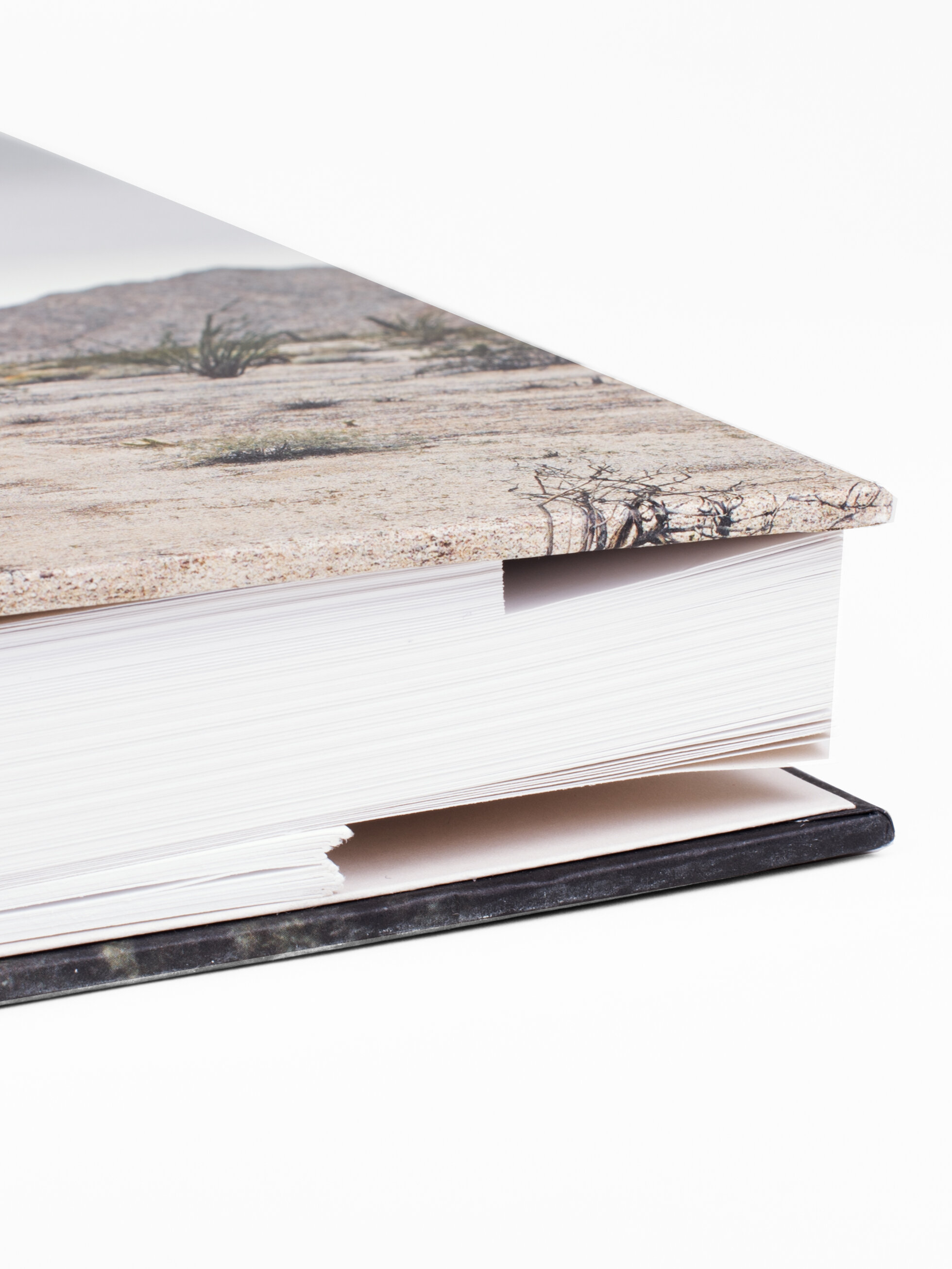
10 x 12 inches
172 pages / 60 images
ISBN: 9781942185017 -
Mark Klett is a photographer interested in the intersection of places, history and time. His background includes working as a geologist before turning to photography. Klett has received fellowships from the Guggenheim Foundation, the Pollock-Krasner Foundation, the National Endowment for the Arts, and the Japan/US Friendship Commission. His work has been exhibited and published in the United States and internationally, and is held in over eighty museum collections worldwide. He is the author/co-author of nineteen books including Seeing Time, Forty Years of Photographs (University of Texas Press 2020). Klett is Regents’ Professor Emeritus at Arizona State University.
Limited Edition: $800.00
Edition of 30
Choice of one of three original
20 x 16-inch pigment prints,
signed and numbered by the
artist, and a signed copy of the book.
Deluxe Edition: $10,000.00
Edition of 5
A complete set of 21 pigment
prints, 12.5 x 8-inches each, with
a signed and numbered copy of
the book, in a special portfolio box.
For a complete description of this book project, please click HERE.