
 Image 1 of 13
 Image 2 of 13
 Image 3 of 13
 Image 4 of 13
 Image 5 of 13
 Image 6 of 13
 Image 7 of 13
 Image 8 of 13
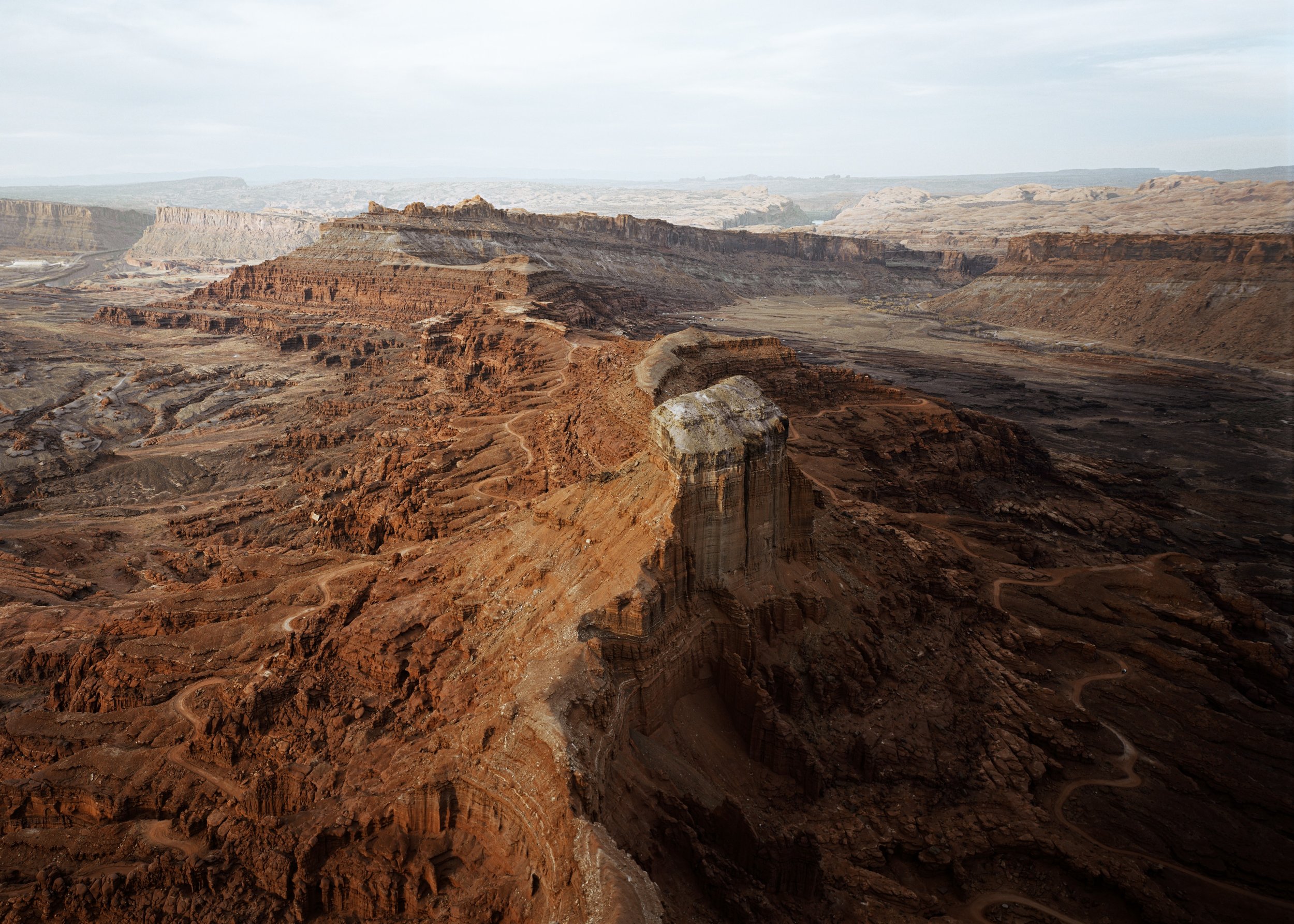 Image 9 of 13
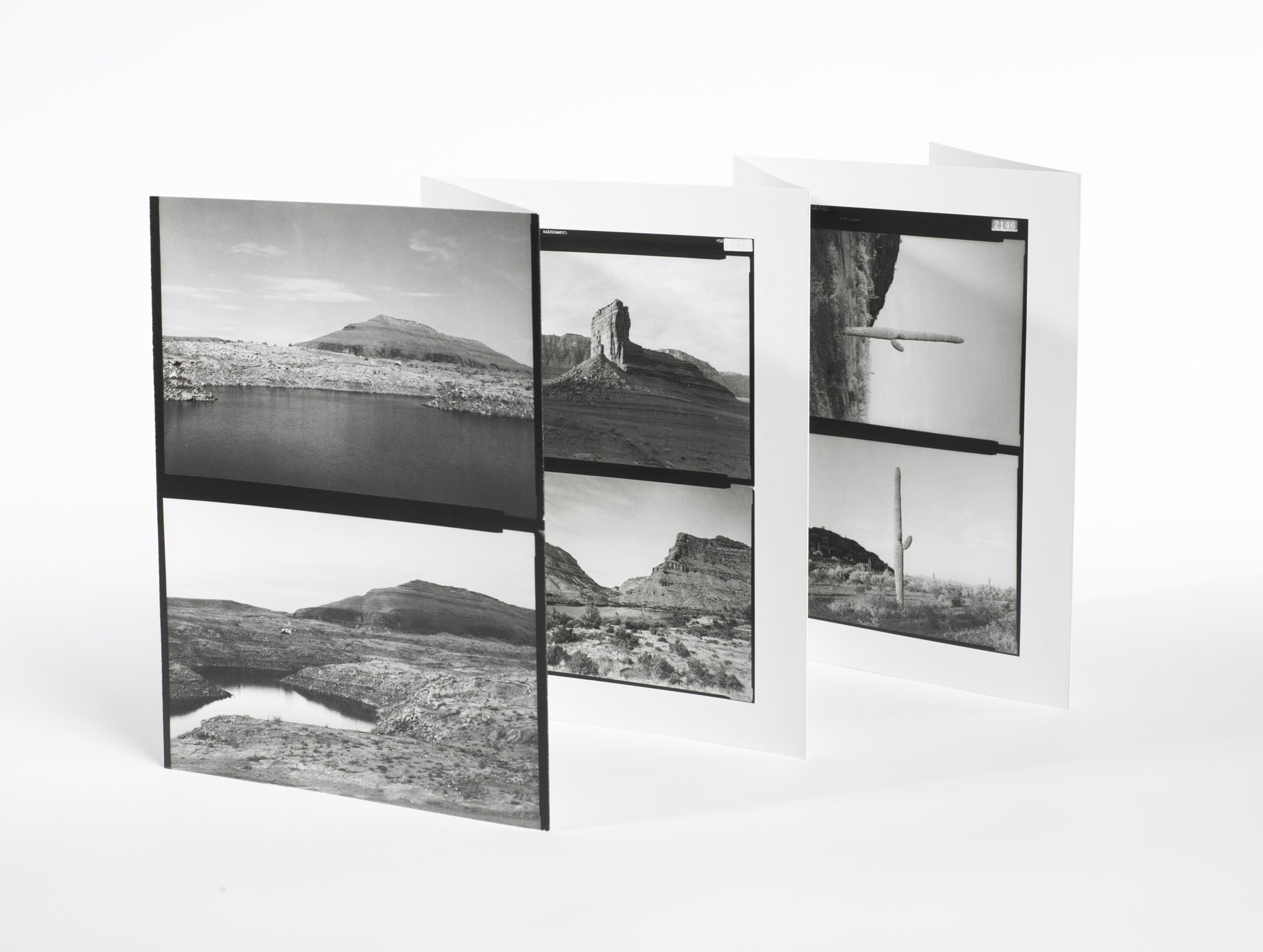 Image 10 of 13
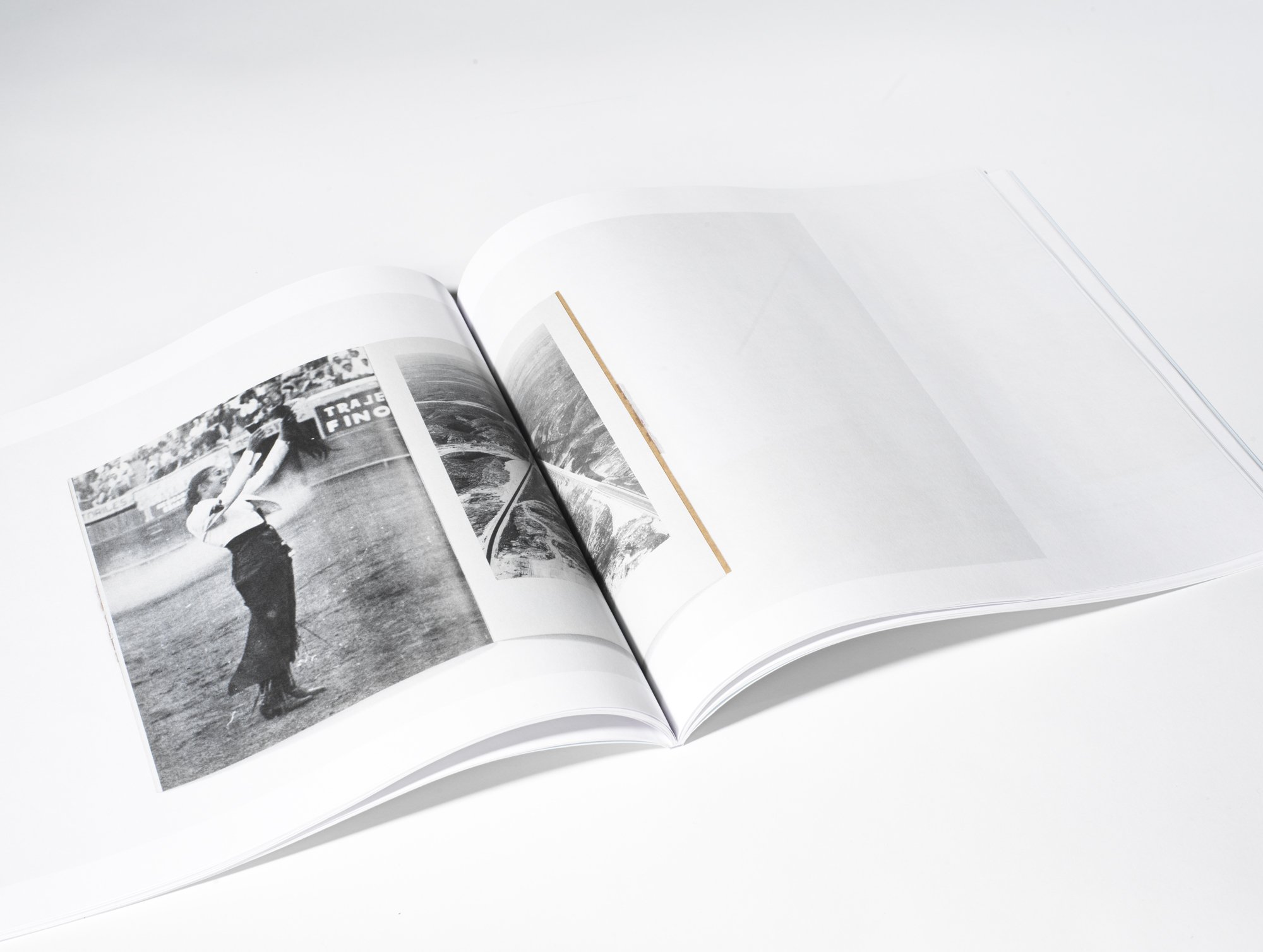 Image 11 of 13
 Image 12 of 13
 Image 13 of 13
YOU MAY ALSO LIKE

-
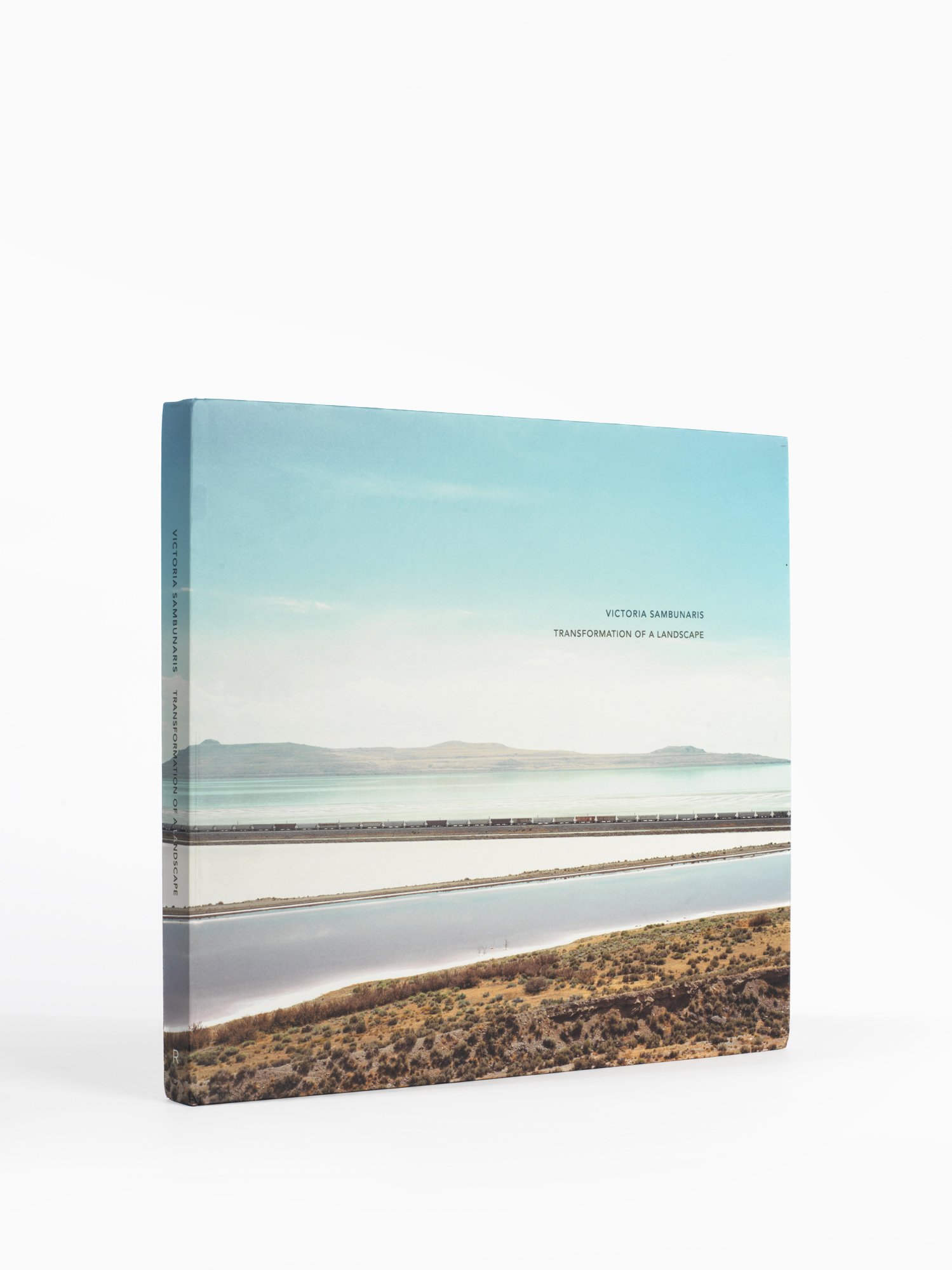
Photography by Victoria Sambunaris
Texts by Victoria Sambunaris and Angie Keefer
Conversation with Dionne LeeHardcover
13 x 12 inches
210 pages / 197 images
Trade ISBN: 9798890180971
Signed ISBN: 9798890180988 -
Victoria Sambunaris (b. 1964, Lancaster, PA) creates large-scale photographs that document the intersection of the natural and the manmade within the American landscape. She earned a BA from Mount Vernon College (1986) and MFA from the Yale University School of Art (1999). She has held teaching positions at Yale University and Sarah Lawrence College and is currently Guest Critic at the Yale School of Architecture. Her work has been exhibited widely in museums and galleries across the US, including the National Gallery of Art, Washington, DC; Museum of Modern Art, New York, NY; San Francisco Museum of Modern Art, CA; Albright-Knox Art Gallery, Buffalo, NY; Museum of Contemporary Photography, Chicago, IL; and Contemporary Arts Museum Houston, TX.
Binh Danh was born in Vietnam and immigrated to the US in 1979. Early in his career, Danh pioneered a technique of printing images directly onto plant matter, activating the plants’ chlorophyll with sunlight. Using this process, Danh printed images associated with the war in Vietnam onto the leaves of tropical plants and grasses. Of this work, Danh explains, “This process deals with the idea of elemental transmigration: the decomposition and composition of matter into other forms. The images of war are part of the leaves, and live inside and outside of them.”
Known for his innovative approach to alternative photographic processes, Binh Danh extends and reconsiders the pursuit of pioneering nineteenth-century photographers. For almost a decade, Danh has traveled across the American West, making daguerreotypes of scenic vistas on silver plates in a mobile darkroom he calls Louis, after Louis Daguerre. Danh imbues this scenery with his distinctly personal perspective—namely, an attempt to negotiate his connection as a Vietnamese American with the landscape and history of the United States. The highly reflective surfaces of Danh’s daguerreotypes literally mirror their surroundings, embracing viewers within the idyllic environs of national sites and landmarks. This inaugural monograph features two volumes in a slipcase, bringing together all three bodies of work and a separate book of essays and memorabilia that serves to contextualize Danh's work.