
 Image 1 of 9
 Image 2 of 9
 Image 3 of 9
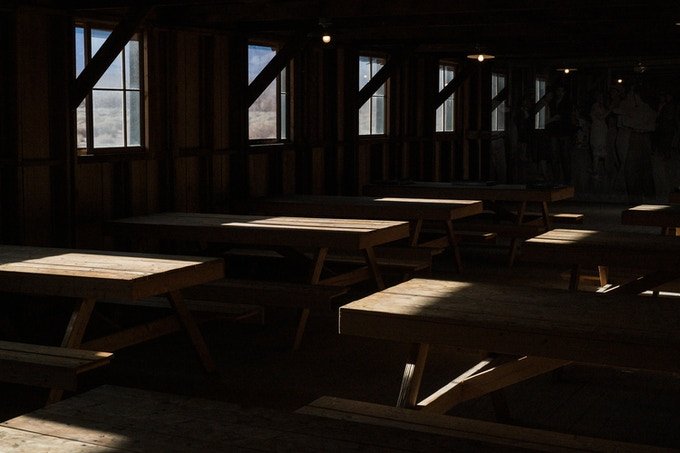 Image 4 of 9
 Image 5 of 9
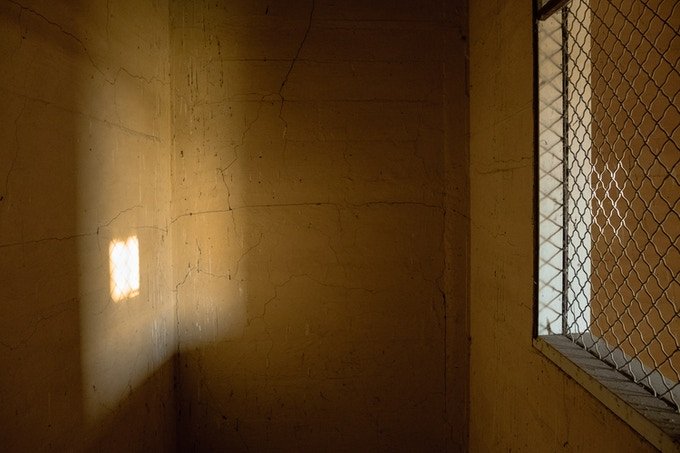 Image 6 of 9
 Image 7 of 9
 Image 8 of 9
 Image 9 of 9
YOU MAY ALSO LIKE
-
Photography by Sandy Sugawara and Catiana Garcia Kilroy
Foreword by Karen Korematsu
Texts by Sandy Sugawara, Catiana Garcia Kilroy, and Donna K. Nagata
Poetry by Brandon Shimoda and Christine KitanoHardcover
8.5 x 11.5 inches
332 pages / 144 images
Trade ISBN: 9781955161121
Signed ISBN: 9781955161176Now RARE - $150
-
Sandy Sugawara is a Maryland-based photographer and journalist. After the death of her parents, Sandy turned her attention West, focusing on themes of family and memories through landscape. She has been photographing the incarceration facilities where Japanese Americans, including her mom and dad, were locked up during World War 2, capturing the sadness, pain, hope, strength and the range of other emotions present at these sites. Her photographs are held in public and private collections, and her work has appeared in a number of juried exhibitions around the country.
Catiana Garcia-Kilroy is a Washington, D.C.-based photographer and development economist. In her photography she seeks to recreate the experience of place, whether it is through single images of overlooked details or places, or in more elaborated narratives, linking landscape to the memory of personal stories and historical events. In addition to her work on Show Me the Way to Go to Home, she is also working with Sandy on a project about the Crystal City Enemy Detention Facility, where descendants of nationals from the Axis nations, kidnapped by the US Government from Latin American countries, were detained for a prisoner exchange program.
I am increasingly interested in the residual power of the past to inhabit material remains…Manifest is an effort to seek out the artifacts and material evidence of the American construct and representation of race.
— Wendel A. White
Manifest | Thirteen Colonies is the culmination of a multiyear journey by photographer Wendel A. White to find and document African American material culture in the libraries, museums, and archives of the thirteen original English colonies and Washington, DC. This “personal reliquary of Black agency and racial oppression stored in public collections” includes both singular objects connected to significant figures (a lock of Frederick Douglass’s hair, Malcolm X’s tape recorder) and more quotidian materials (a hair straightening comb, a pressed corsage). Given the same photographic treatment—each object centered on a stark black background and captured with a shallow depth of field—the distinction between the “significant” and the “quotidian” dissolves, as White makes it clear they are all important pieces of forensic evidence of Black life and history in the United States.
New essays by Cheryl Finley, Ilisa Barbash, and Leigh Raiford provide historical and sociological context for the objects in White’s images, while conversations with Deborah Willis and Brenda Dione Tindaldelve into White’s personal history, his life as a photographer, and the bodies of work that led to Manifest | Thirteen Colonies.