
 Image 1 of 8
 Image 2 of 8
 Image 3 of 8
 Image 4 of 8
 Image 5 of 8
 Image 6 of 8
 Image 7 of 8
 Image 8 of 8
YOU MAY ALSO LIKE

-
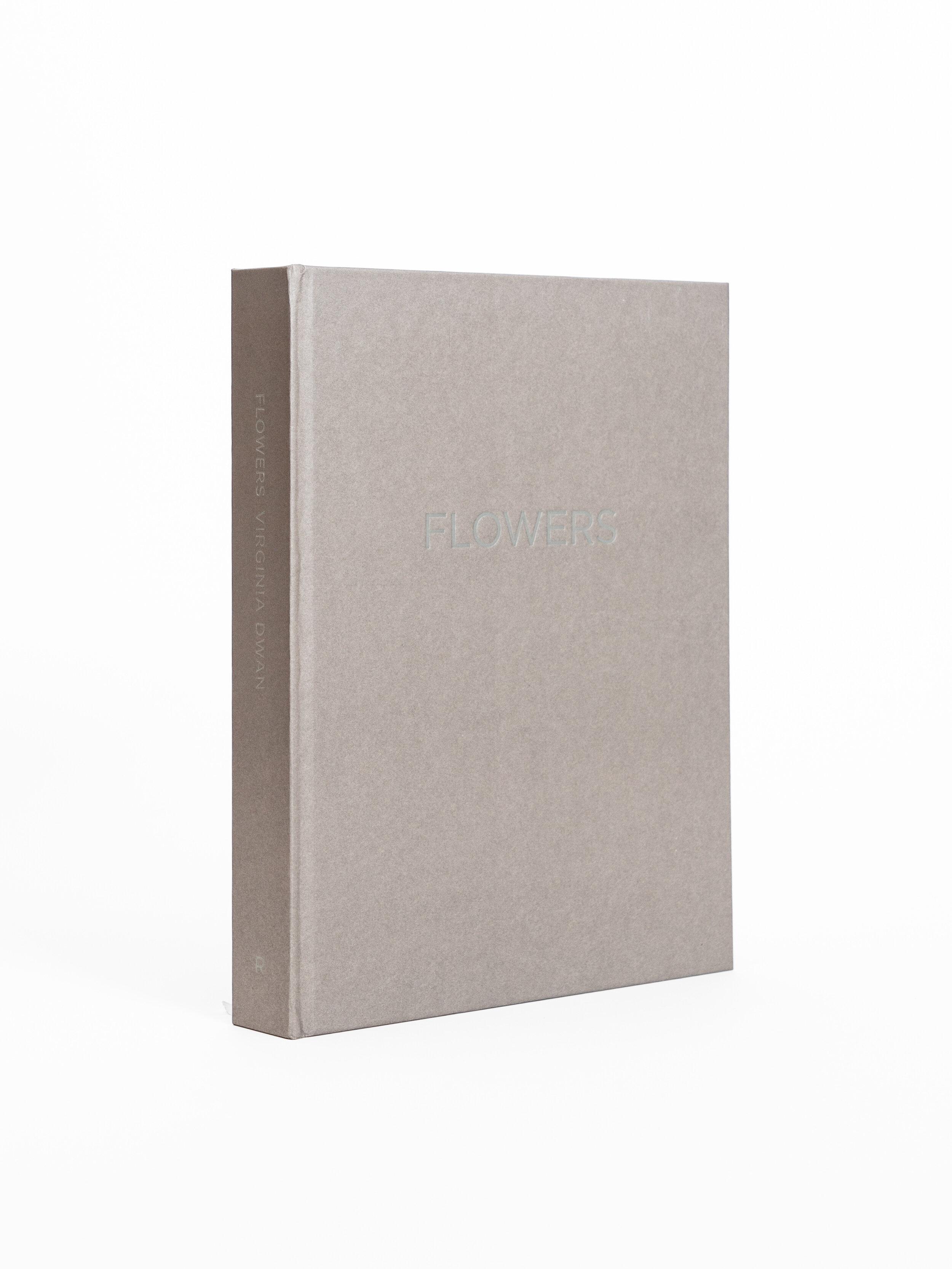
VIRGINIA DWAN showed artists such as Robert Rauschenberg, Yves Klein, Ad Reinhardt, Joan Mitchell and more at her Los Angeles gallery in the 1960s. Since then, Dwan has pursued her own artistic practice, and has dedicated the last three and a half years to documenting military graves in cemeteries across the United States.
This collection of photographs serves as striking evidence of the ever-growing number of lives lost as a consequence of war. Though the work is political, the volume is purely visual, without comment—just page after page of headstones. The only text in the book is the late Pete Seeger’s question, “Where have all the flowers gone?” The images speak for themselves.
This book accompanied the exhibition From Los Angeles to New York: The Dwan Gallery 1959–1971, a major show at the National Gallery of Art and LACMA (2016–2017). The exhibition featured of 250 works by 52 artists from the Virginia Dwan Collection, as well as supplemental works that Dwan exhibited from other collections, and tells the story of her remarkable career as a gallerist and patron.
LeWitt’s work calls our attention to the disparity between the world of language and that of objects and actions. By focusing on the disjunction between these terms, LeWitt bridged the gap between Minimalism and Conceptual art.
— Saul Ostrow, BOMB
Sol LeWitt: Not to Be Sold for More Than $100 explores the little-known but fascinating body of conceptualist pioneer Sol LeWitt’s folded, torn, and cut paper works, which he created from approximately 1971 to 1980. LeWitt referred to these works as the “R” drawings (for rip) and also as “hundred dollar drawings,” since he wanted them to be sold for $100 in perpetuity. “His wall drawings were already selling for thousands of dollars, so he wanted to have some artwork that everybody could buy,” notes Jason Rulnick. Thanks to extensive research throughout various private and public collections around the world, this volume includes over 100 color plates. In the high-flying commerciality of the contemporary art world, LeWitt’s intention and foresight for this body of work resonates more than ever.