
 Image 1 of 8
 Image 2 of 8
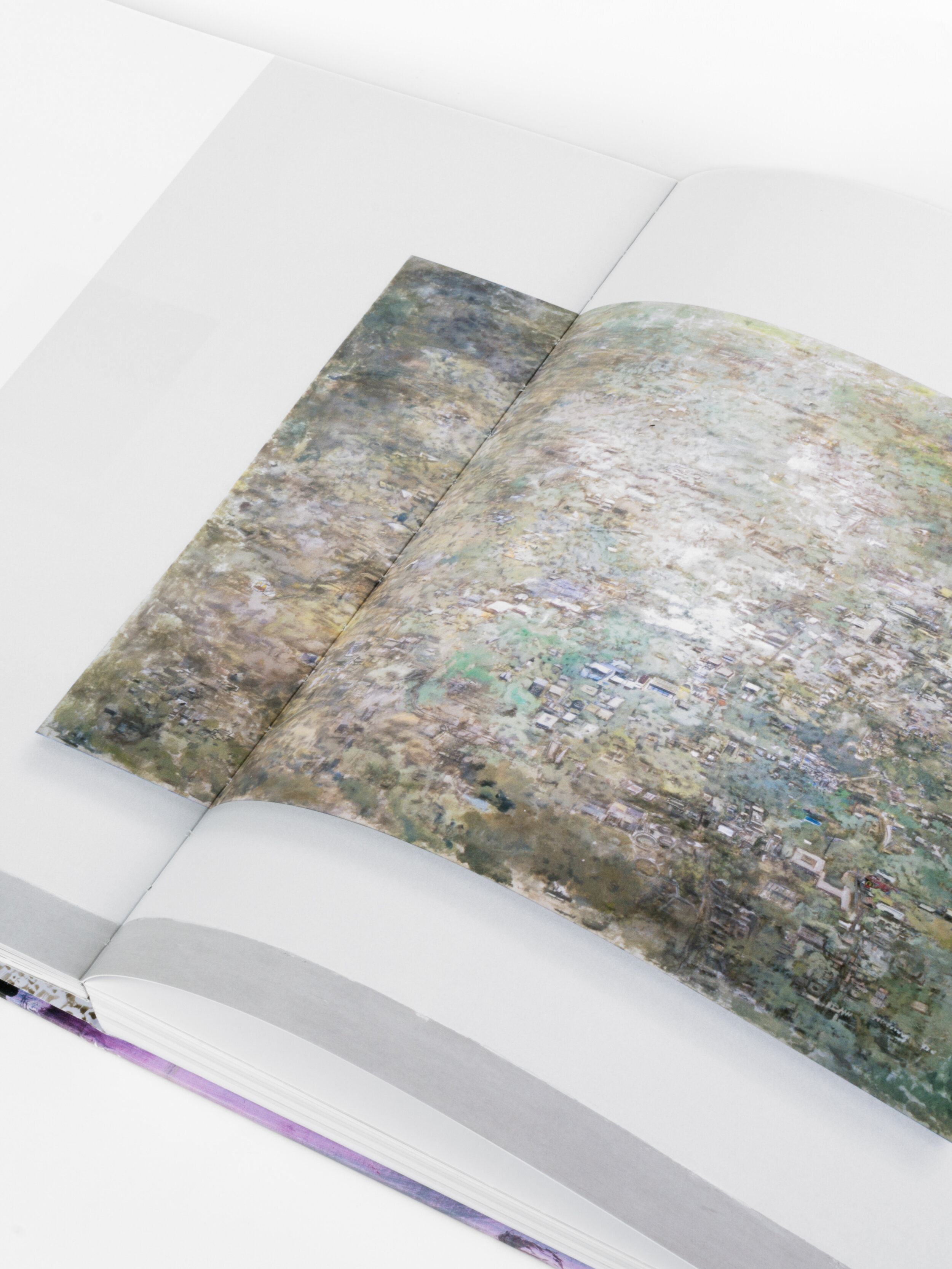 Image 3 of 8
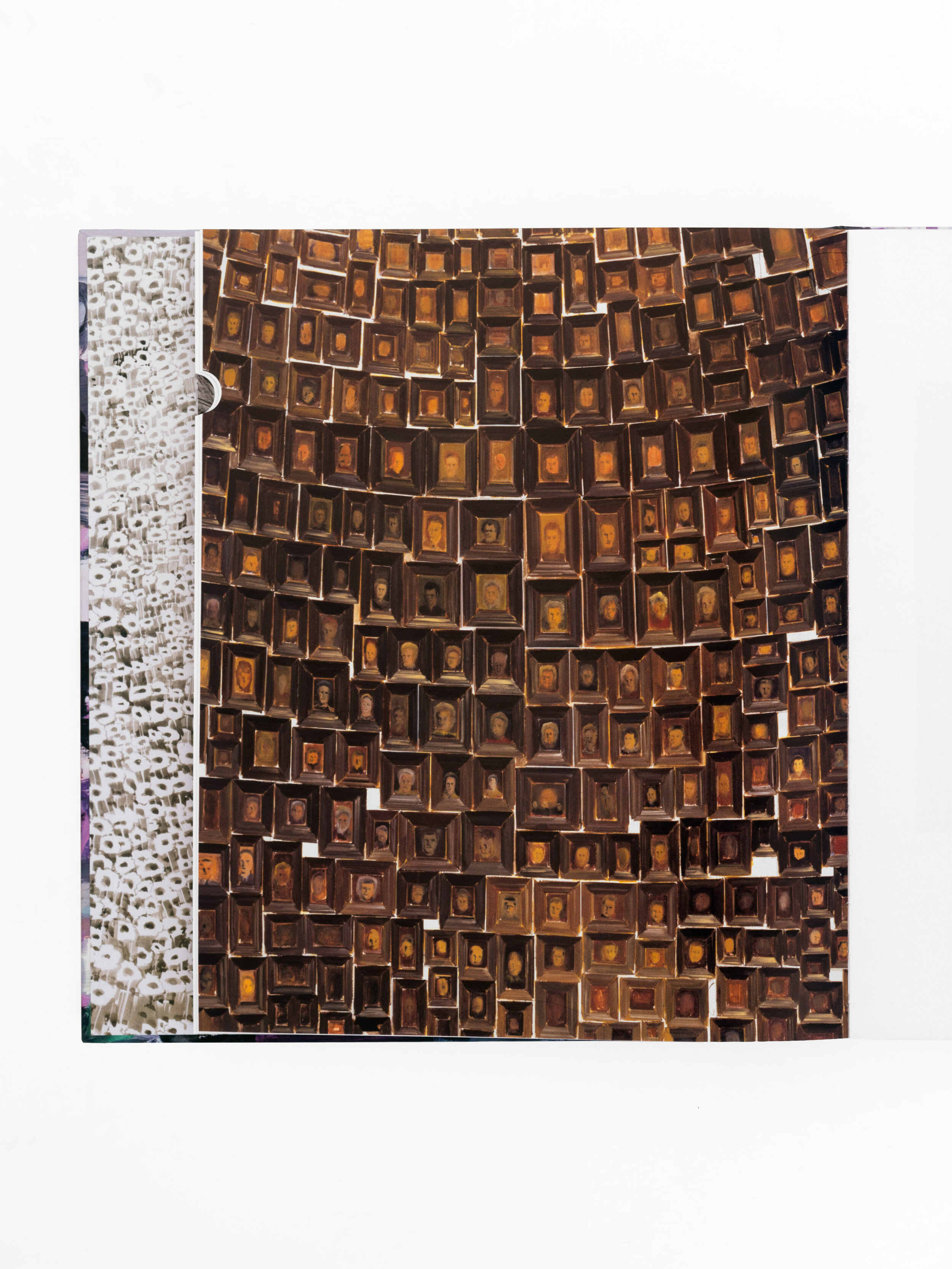 Image 4 of 8
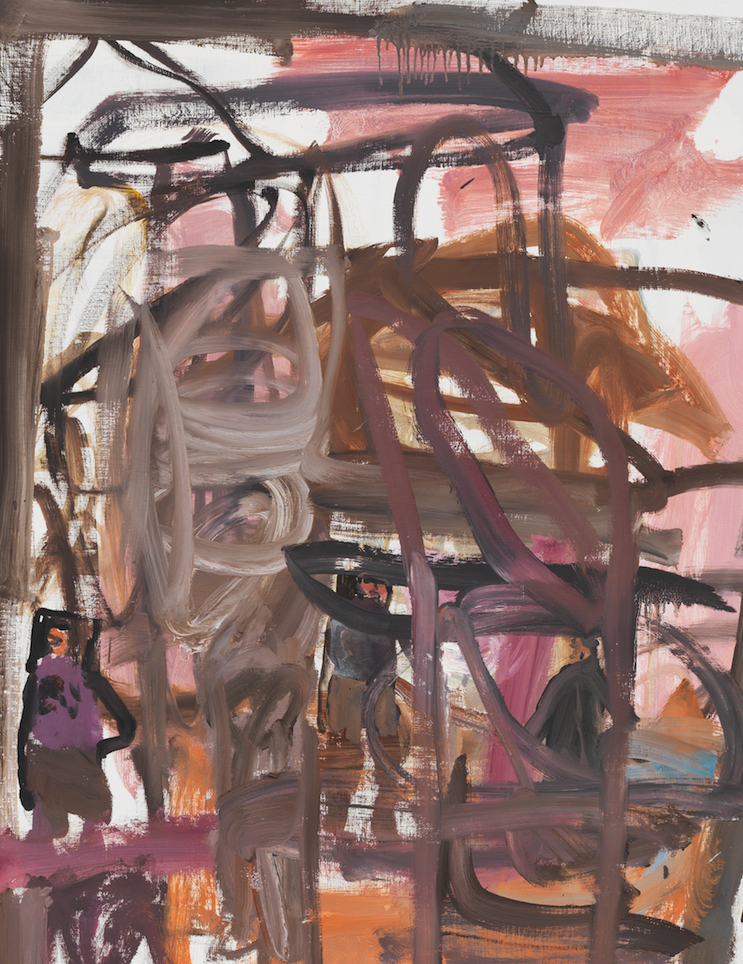 Image 5 of 8
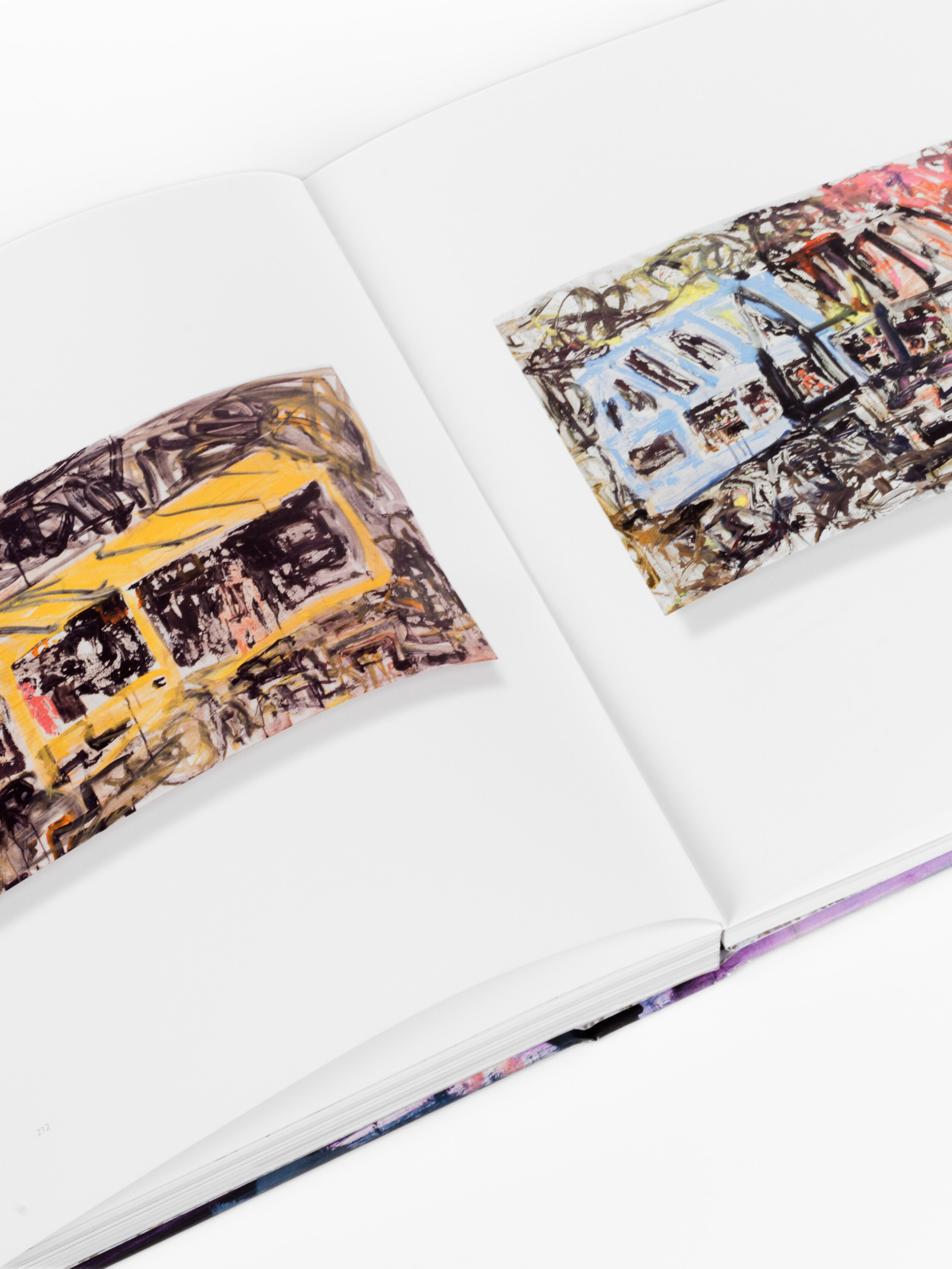 Image 6 of 8
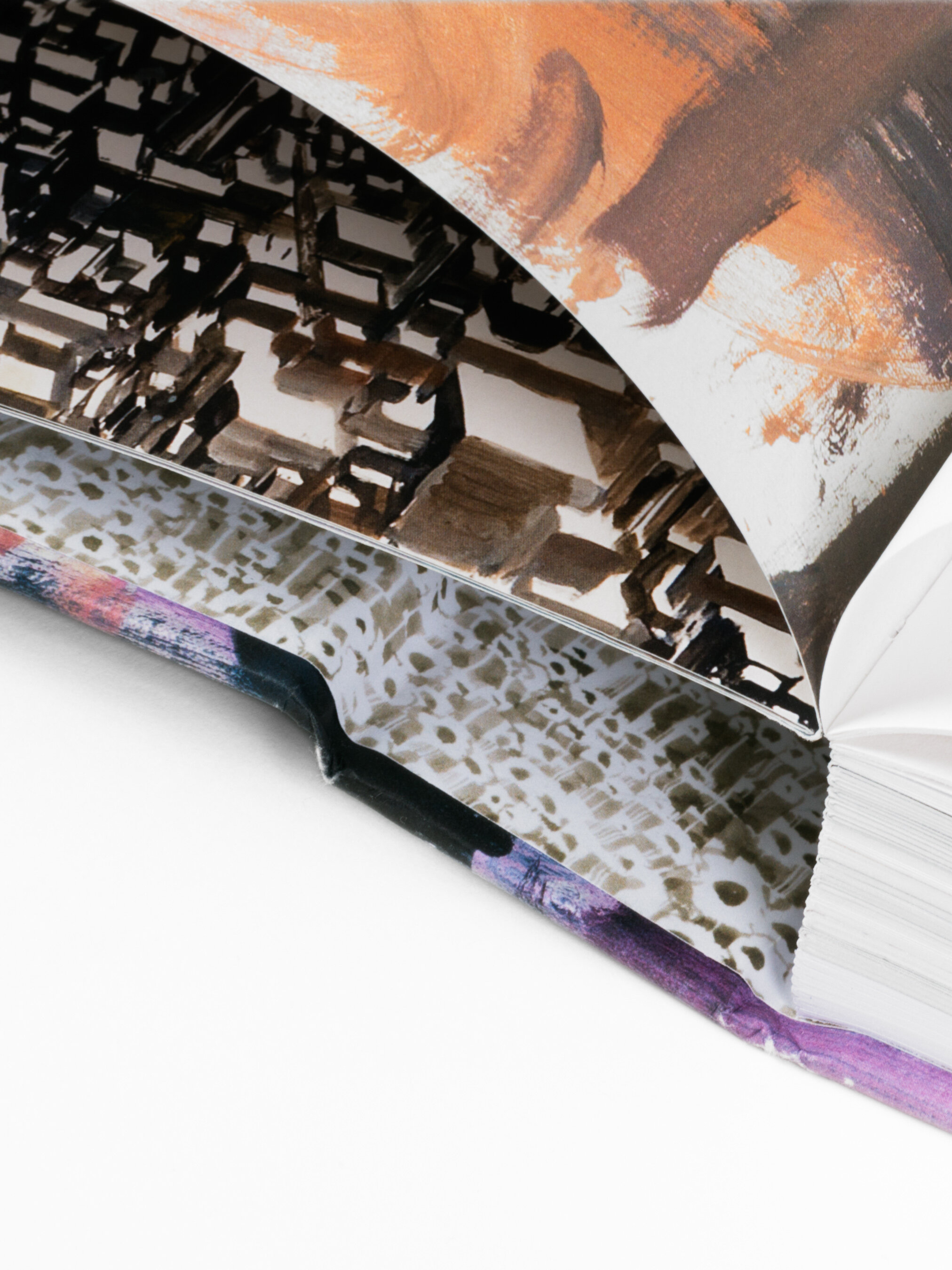 Image 7 of 8
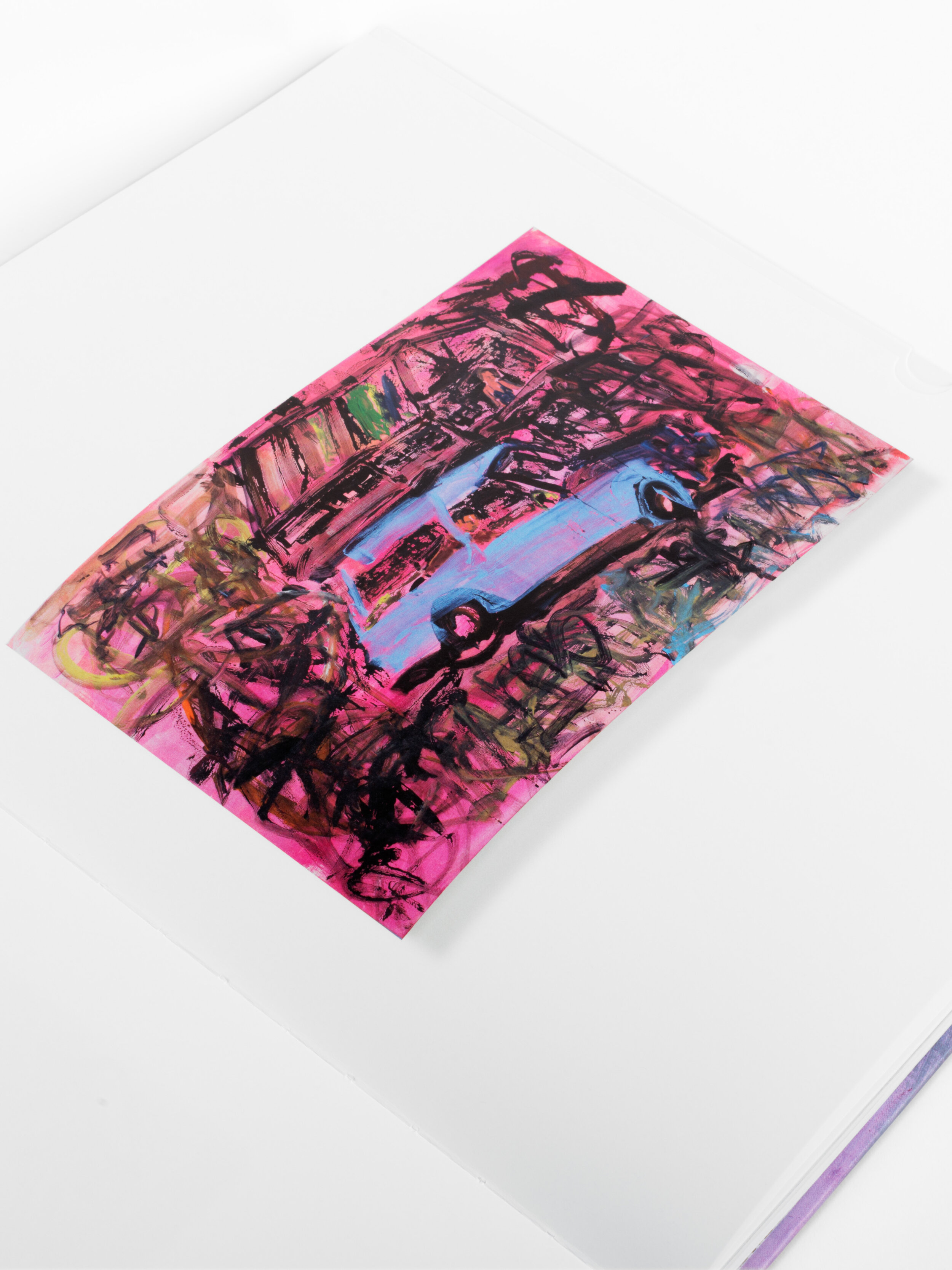 Image 8 of 8
YOU MAY ALSO LIKE
-
Artwork by David Deutsch
Texts by Jarrett Earnest and Bruce W. FergusonHardcover
11 x 12 inches
176 pages / 120 images
ISBN: 9781942185246 -
Originally from Los Angeles, David Deutsch (b. 1943) developed a life-long interest in the Planetarium, which he expresses in his conceptual paintings that includes telescopic landscape vistas and large arrangements of tiny portraits. He is especially fascinated by virtual nothingness, that which appears vast and endlessly deep or that which is perceived but not obviously visible. Some of his paintings are created from aerial photographs and have been the subject of a series called "Surveillance." In the mid-1970s, he was painting rooms filled with technological equipment such as video cameras, receivers, and tape recorders, as well as landscapes with abstract figures and technology. But his landscape panoramas without figures brought him his primary attention. Known primarily as a landscape painter, David Deutsch’s latest paintings are representational, abstract, wildly painterly and idiosyncratic. Despite their initially crude appearance, Deutsch’s paintings are grown-up, complex of space and surface, and rich in notions of human interaction or the lack thereof; voyeurism and solitude; and often an ambiguous ominousness. The swirling brushwork can read as the tensions of everyday life, a darker societal gloom, rough weather or some other disaster.
In 1972, Deutsch had his first solo show in Los Angeles at the Michael Walls gallery, and that same year he moved to New York City but set up a routine of spending his summers in Maine. He first lived in a loft in the West Village and became a part of group shows with well-known artists such as Robert Mangold, Keith Sonnier, and Brice Marden. By the late 1990s, his studio was in a four-story town house in mid-town Manhattan.
Deutsch has exhibited in galleries including Andrea Rosen Gallery, New York; Christine Burgin Gallery, New York; Kerry Schuss, New York; Blum & Poe, Los Angeles and more. Deutsch is also in collections at institutions including Boston Museum of Fine Arts, Boston; Brooklyn Museum, Brooklyn; Los Angeles County Museum of Art, Los Angeles; Metropolitan Museum of Art, New York; Museo Rufino Tamayo, Mexico City and more.
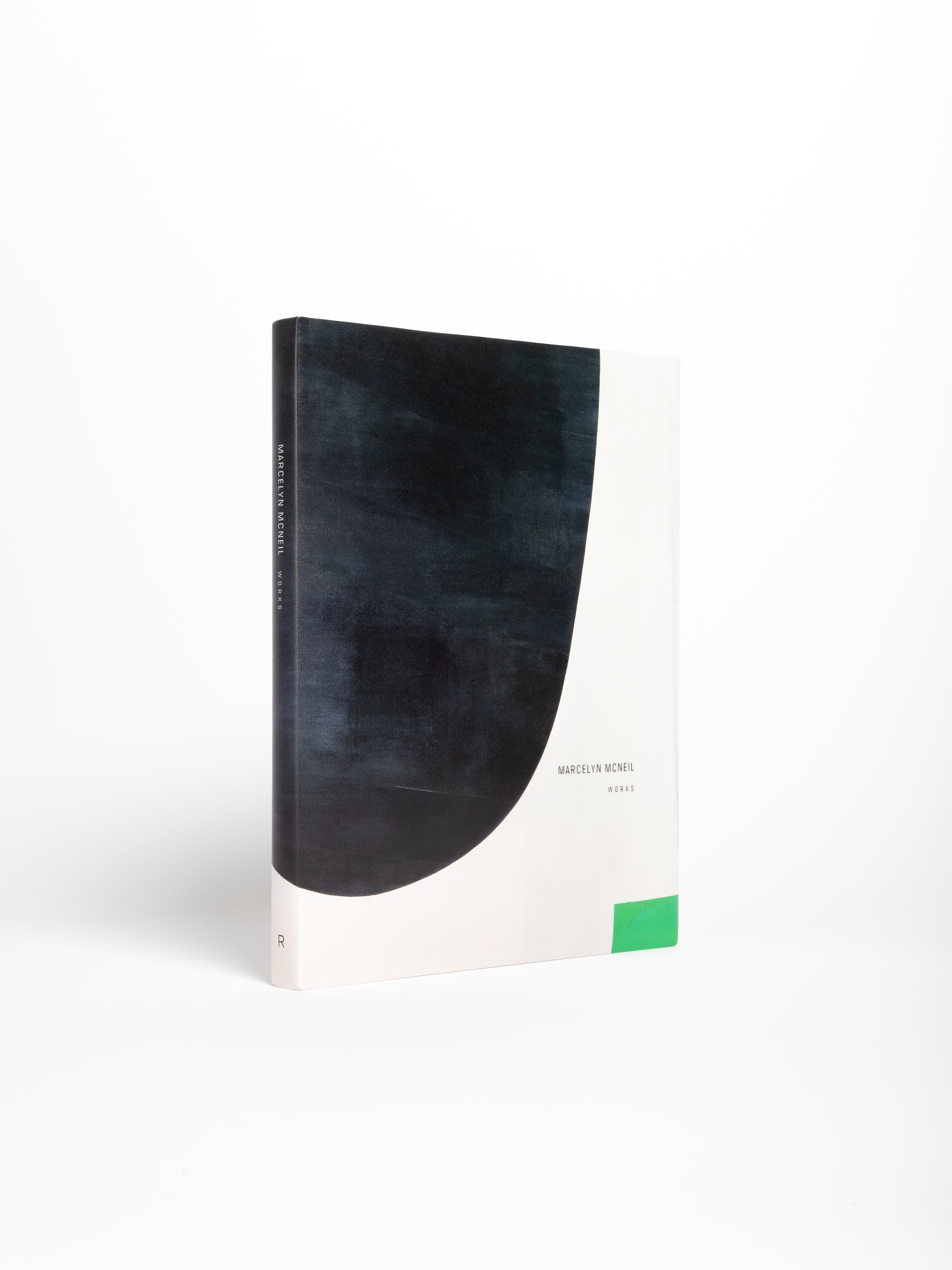
Helen Frankenthaler: Late Works, 1988–2009 is the first book to explore the late period of Frankenthaler’s art and life.
Profusely illustrated with more than 95 plates and 40 archival images, the book features essays by Douglas Dreishpoon and Suzanne Boorsch; a roundtable discussion with Katharina Grosse, Pepe Karmel, and Mary Weatherford; an illustrated chronology and selected bibliography. Initiated by Dreishpoon, Director of the Helen Frankenthaler Catalogue Raisonné and Chief Curator Emeritus at the Albright-Knox Art Gallery, the book complements an exhibition of Frankenthaler’s late paintings on paper and canvas organized by the Helen Frankenthaler Foundation and curated by Dreishpoon that premiered in 2021 at the New Britain Museum of American Art before traveling to the Weatherspoon Art Museum, Palm Springs Art Museum, and Artis—Naples/The Baker Museum.
Frankenthaler’s invention of the soak-stain technique expanded the possibilities of abstract painting with references to figuration and landscape. In later years, her practice continued to evolve through the use of diverse media and processes, as she shifted from painting canvas on the floor to using larger sheets of paper that were laid out on the floor or on table tops for easier accessibility. The continuity between the late work and what came before is striking, as the painter, graced with a vast art-historical image bank, and technical prowess, moved in whatever direction suited her mood and imagination.