
 Image 1 of 12
 Image 2 of 12
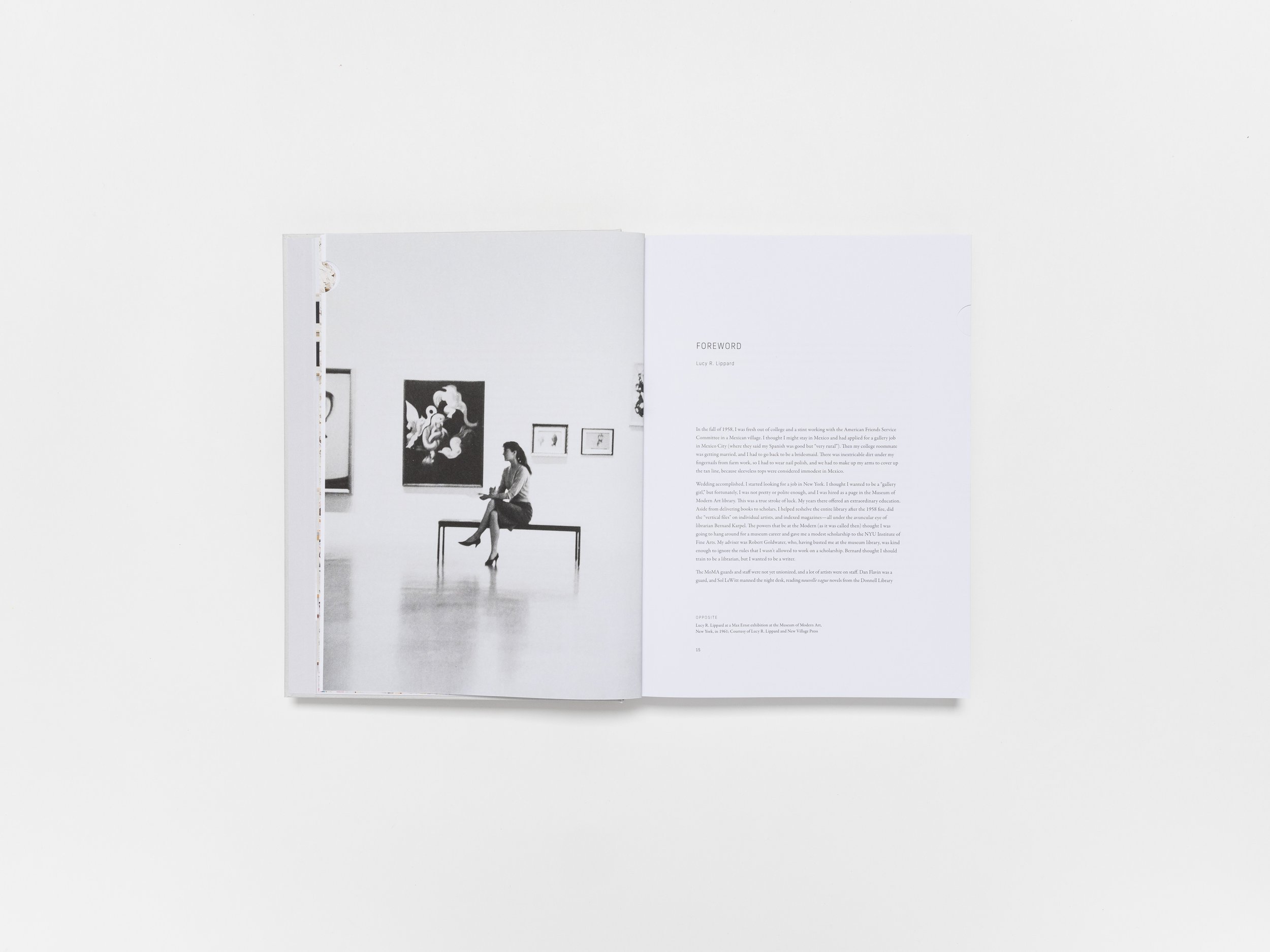 Image 3 of 12
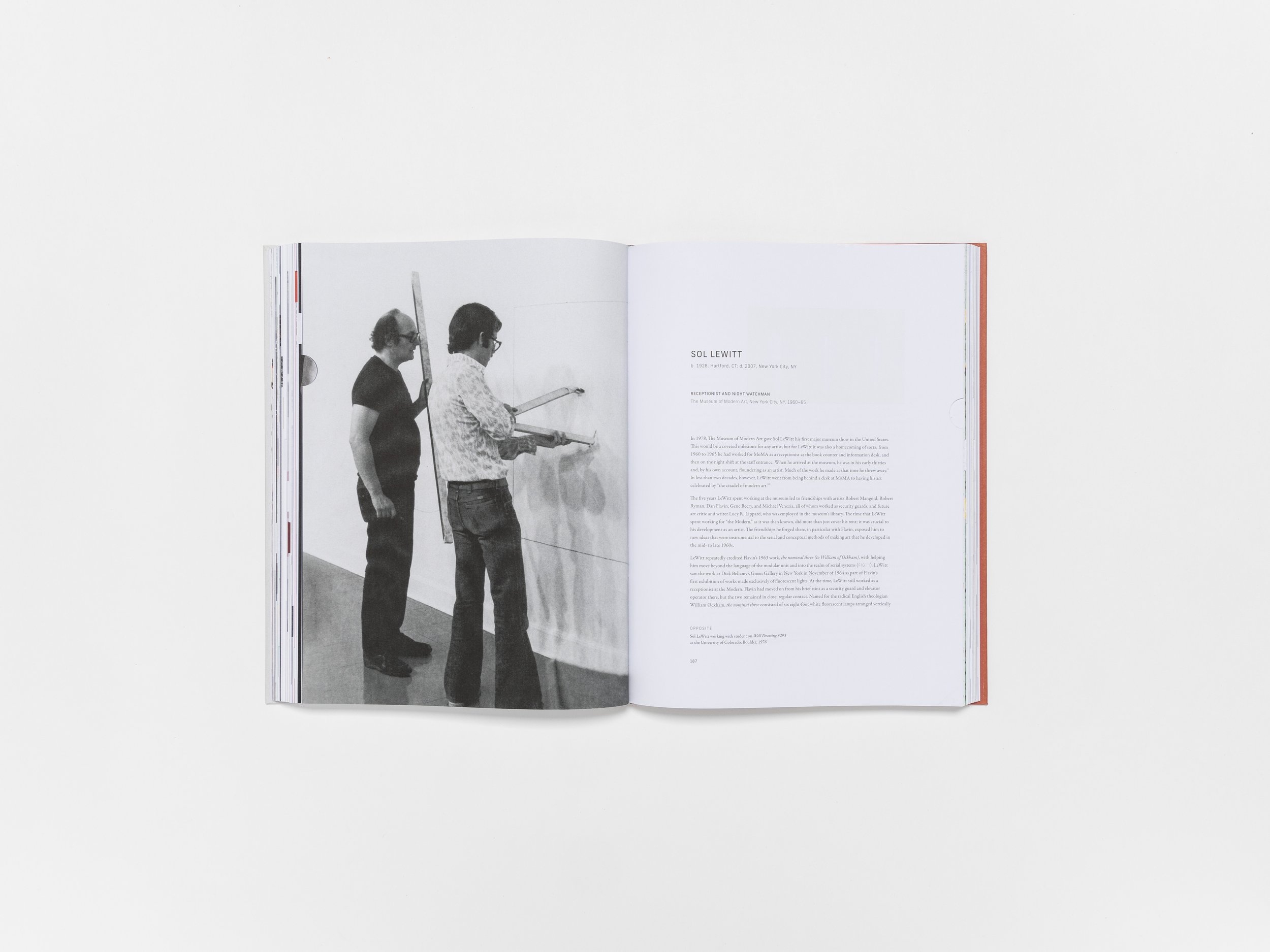 Image 4 of 12
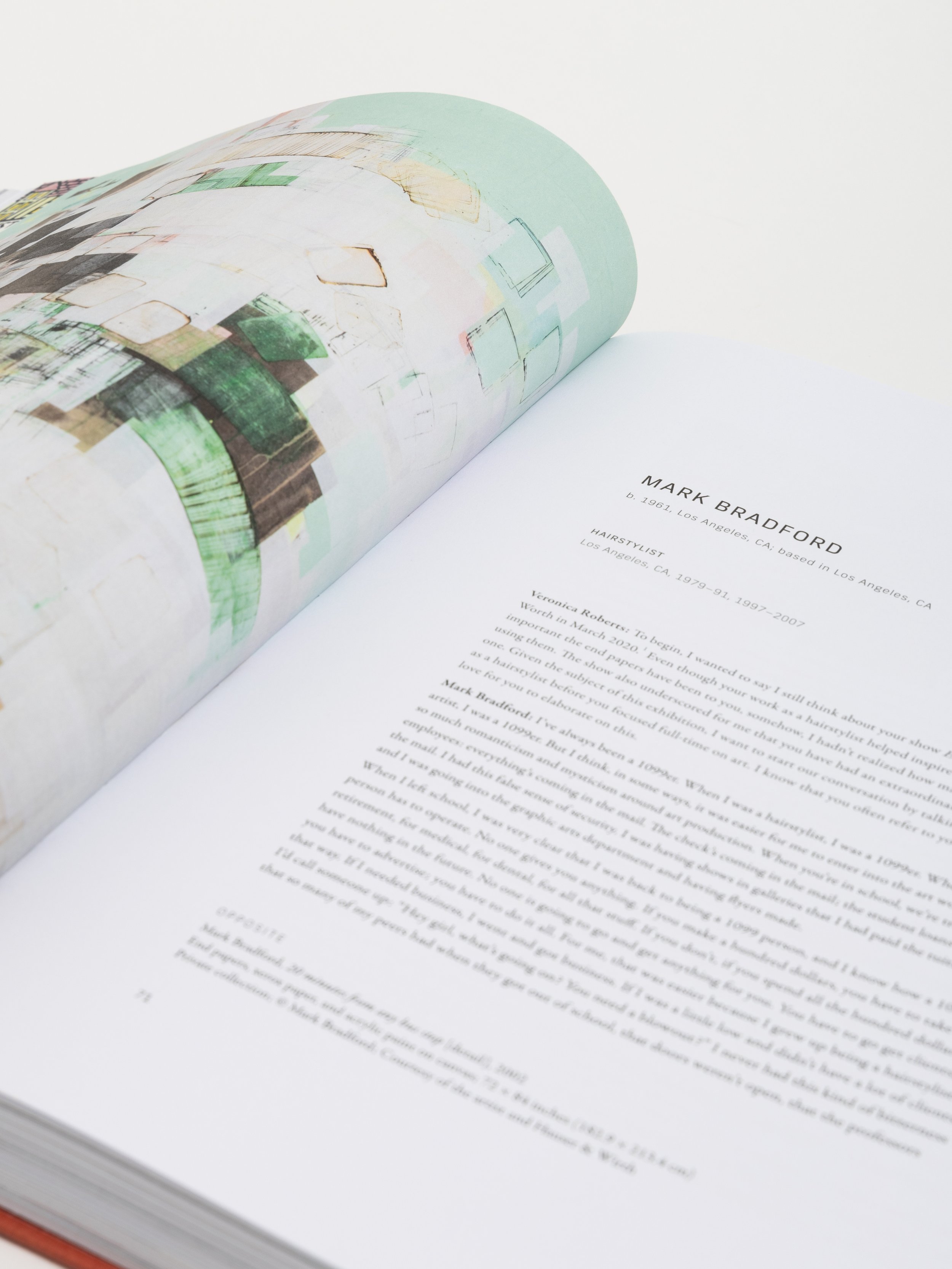 Image 5 of 12
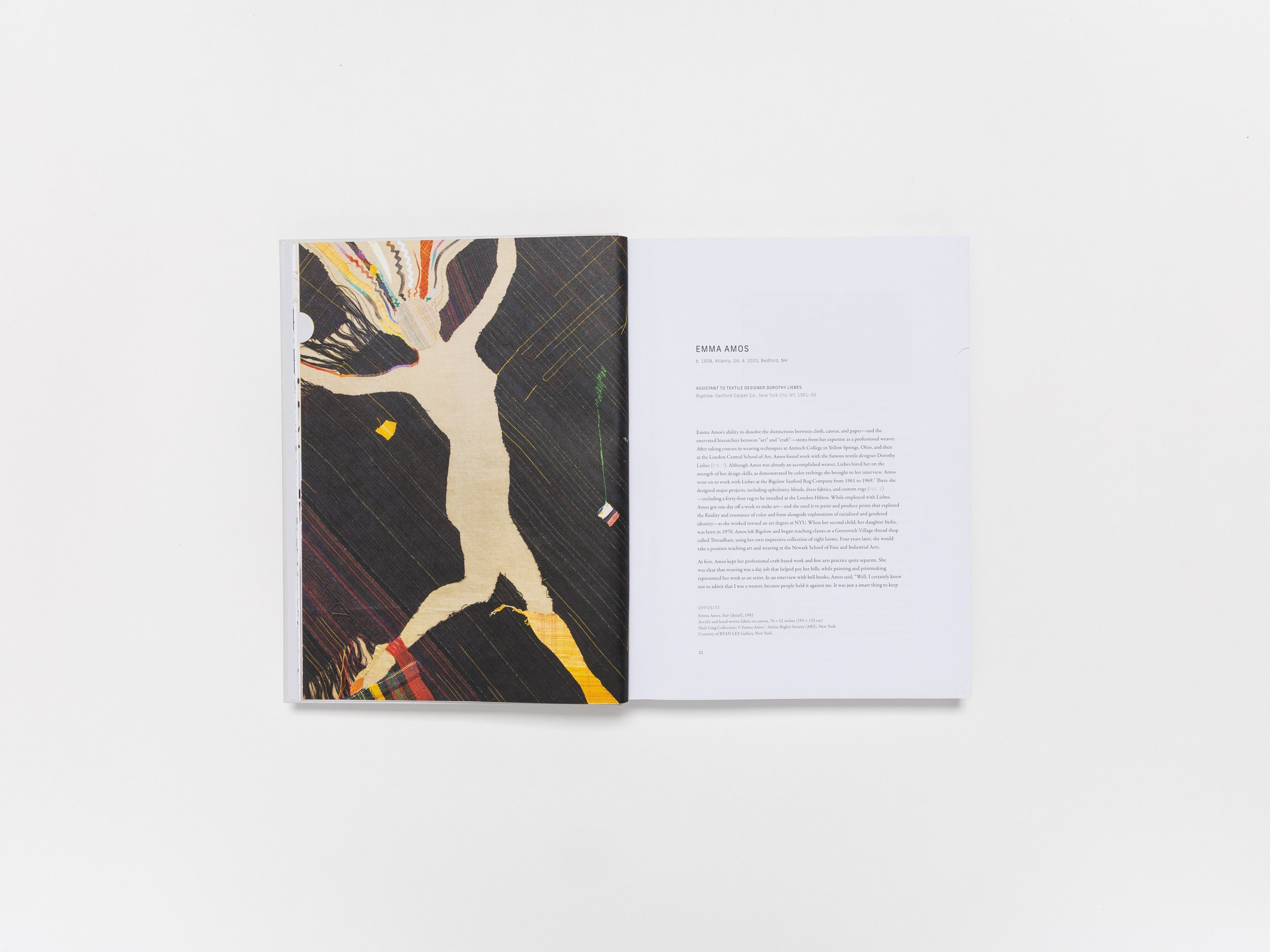 Image 6 of 12
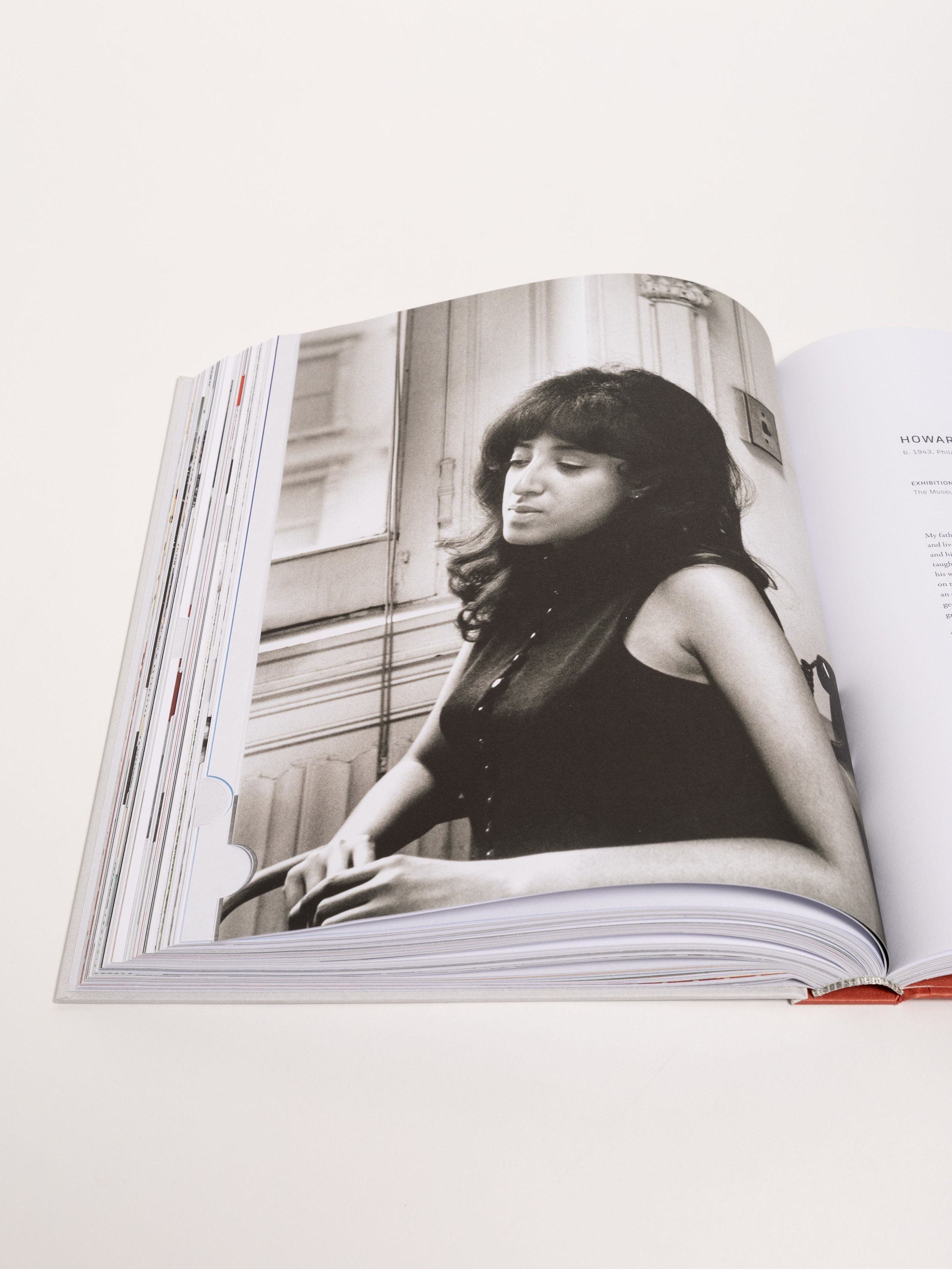 Image 7 of 12
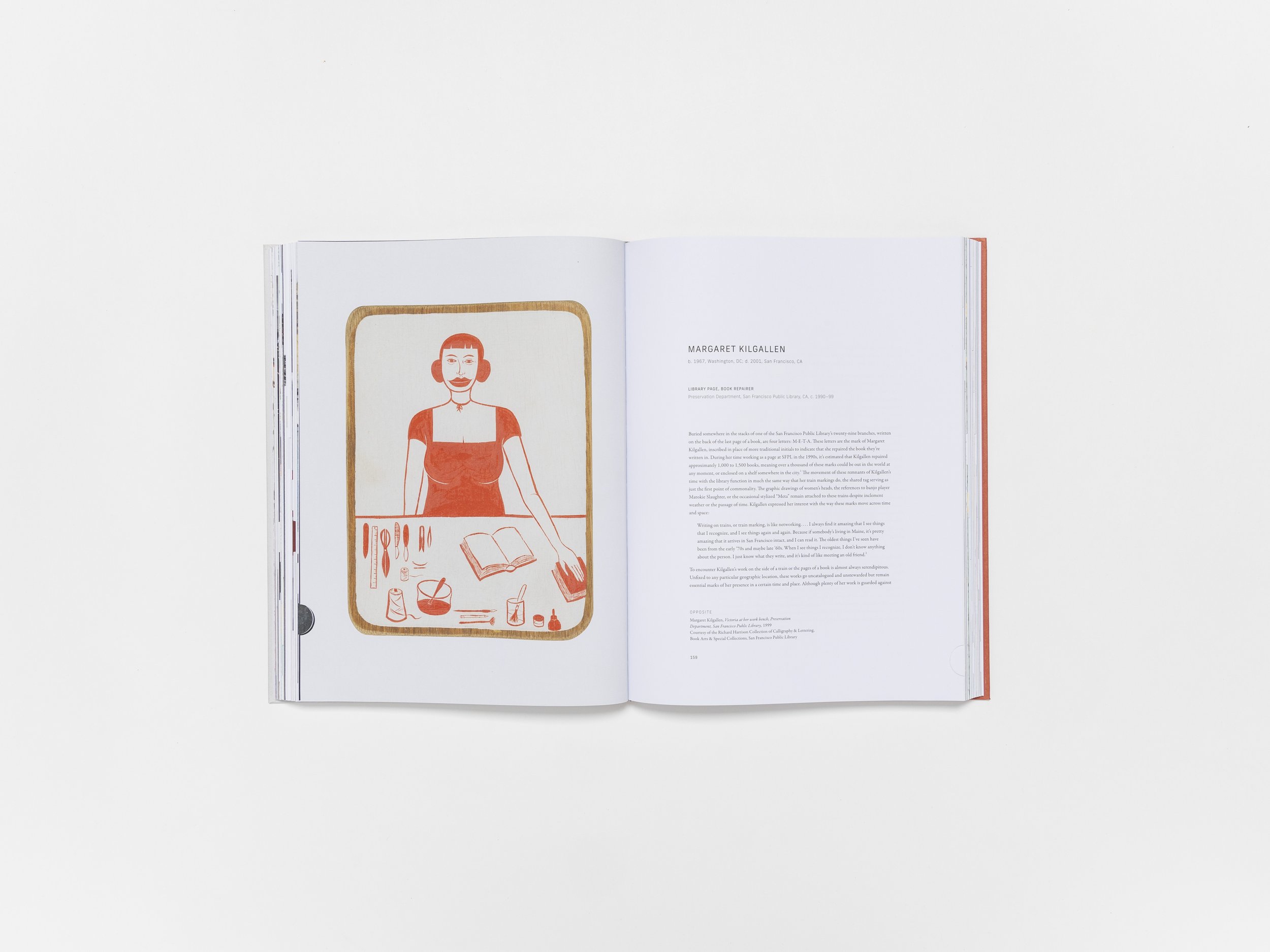 Image 8 of 12
 Image 9 of 12
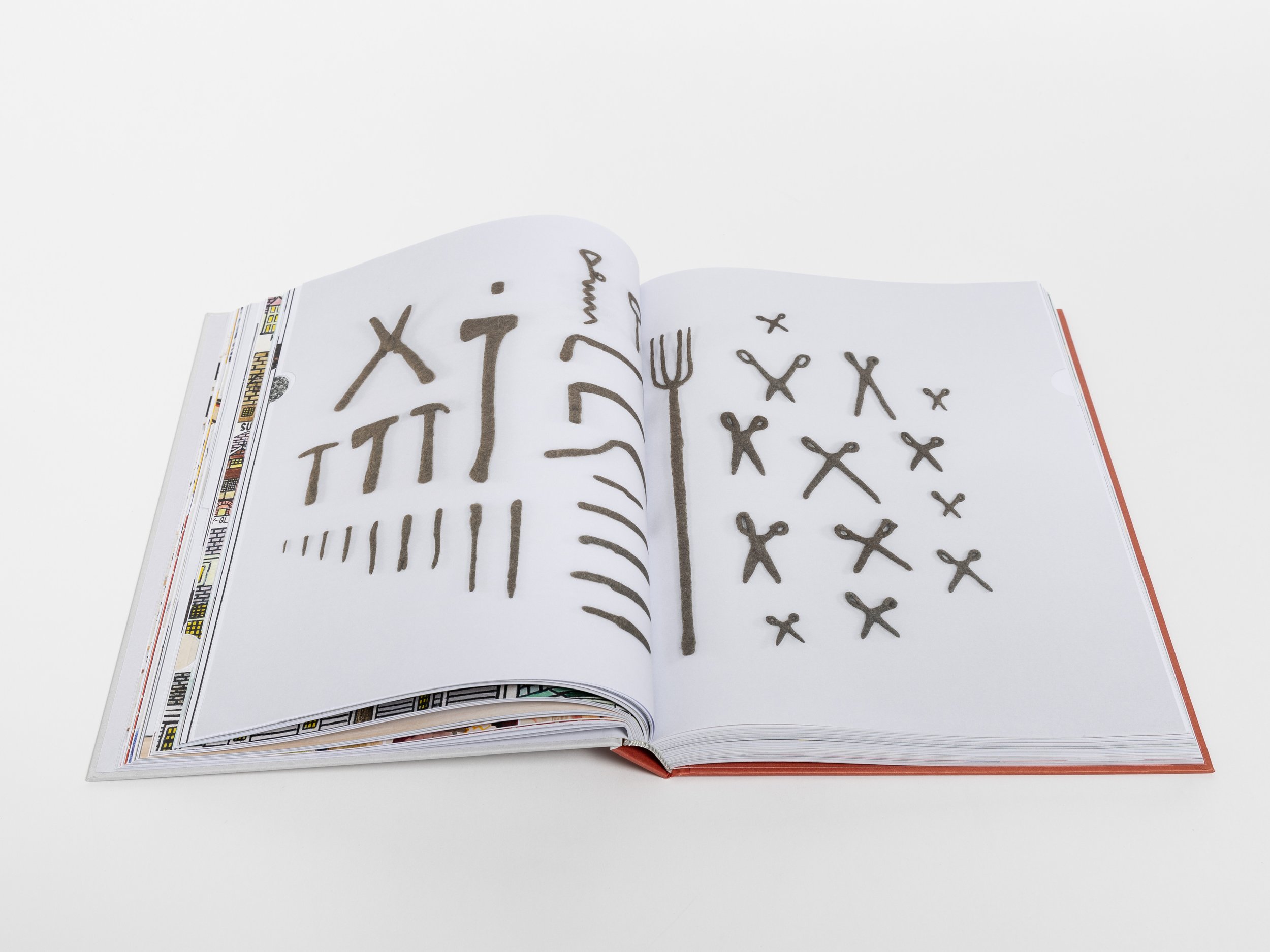 Image 10 of 12
 Image 11 of 12
 Image 12 of 12
YOU MAY ALSO LIKE
-
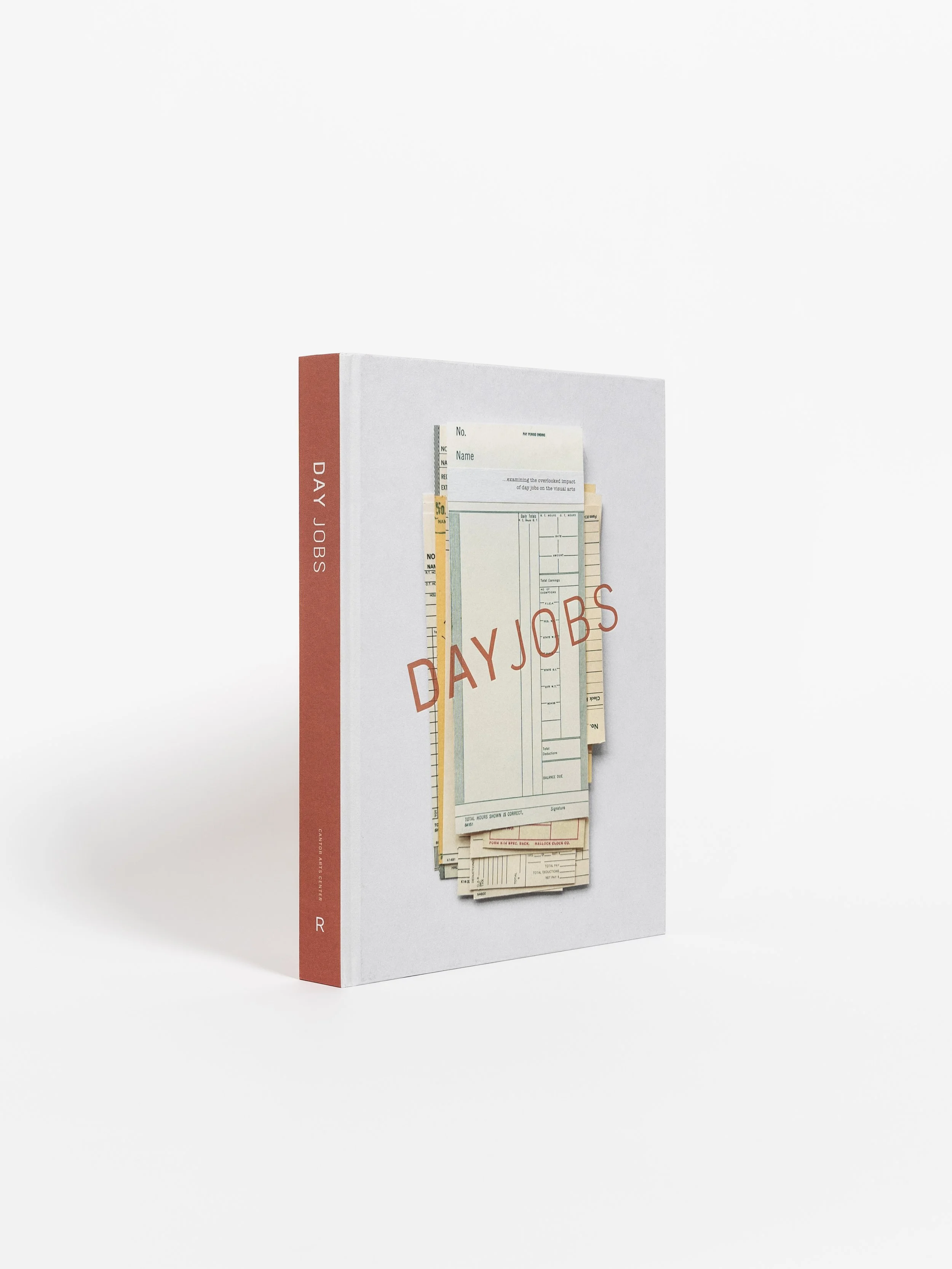
Artists: Emma Amos, Richard Artschwager, Genesis Belanger, Larry Bell, Gretchen Bender, Sara Bennett, Gregory Blackstock, Mark Bradford, Violette Bule, Jim Campbell, Lenka Clayton, Marsha Cottrell, Jeffrey Gibson, Jay Lynn Gomez, Matthew Angelo Harrison, Tishan Hsu, Tom Kiefer, Margaret Kilgallen, Barbara Kruger, Ahree Lee, Nate Lewis, Sol LeWitt, Vivian Maier, Robert Mangold, Narsiso Martinez, Allan McCollum, Virginia L. Montgomery, Ragen Moss, Howardena Pindell, Chuck Ramirez, Manuel A. Rodríguez-Delgado, Sandy Rodriguez, James Rosenquist, Robert Ryman, Julia Scher, Lillian Schwartz, Frank Stella, Ricardo Valverde, Andy Warhol
Edited by Veronica Roberts
Foreword by Lucy R. Lippard
Texts by Francesca Balboni, Sarah C. Bancroft, Meg Burns, Jenny Dally, Lynne Maphies, Aja Edwin Mujinga, Kenta Murakami, Rebekah Rutkoff, and Jorge Eduardo SibajaHardcover
8.75 x 11.6 inches
340 pages / 188 images
ISBN: 9798890180834Co-published with the Cantor Arts Center, Stanford University
For all our sakes, I hope Deborah Roberts continues to stake a claim, through her work, for a more expansive view of Black children.
– Dawoud Bey
Deborah Roberts: 20 Years of Art/Work provides the definitive look at the artist’s practice over the past two decades. With newly commissioned texts and a thorough dive into Roberts’ archive, this monograph offers a comprehensive view of one of today’s most significant artists and social observers. An extensive plate section is accompanied by a personal, heartfelt foreword from Dawoud Bey on “the tragic mischaracterization of Black children”; an insightful essay from Ekow Eshun on the social and political histories of innocence, race, and the fractured nature of the contemporary Black experience; a celebratory tribute from Carolyn Jean Martin on the musicality, humility, and generosity of Roberts’ practice; and a free-ranging conversation between Roberts and Sarah Elizabeth Lewis.
Since the beginning of her artistic career, otherness has been at the center of Roberts’ consciousness. Her early ideals of race and beauty were shaped by and linked through Renaissance art and fashion magazines— mythical, heroic, beautiful, and powerful images that embodied a particular status not afforded equally to anyone Roberts knew. Influencing the way she viewed herself and other African Americans, those images led her to investigate the way their identities had been imagined and shaped by societal interpretations of beauty. Having one’s identity dismantled, marginalized and regulated to non-human status demanded action. This led Roberts to critically engage image-making in art history and pop-culture, and ultimately grapple with whatever power and authority these images have over the female figure.