While success for an artist is often measured by their ability to focus full-time on creating art, this book attests to the way day jobs can spur creative growth by providing artists with unexpected materials and methods…or a predictable paycheck that enables unpredictable ideas.
— Veronica Roberts
Of all the jobs I’ve had, my favorite day and night job is being an artist.
— Howardena Pindell
Day Jobs examines the overlooked impact of day jobs on the visual arts. Success for artists is often measured by their ability to quit a day job and focus full time on their practice. Yet these jobs can often spur creative growth by providing artists with new materials and methods, hands-on knowledge of a specific industry that becomes an area of artistic investigation, or a predictable paycheck and structure that enable unpredictable ideas.
The book comprises thirty-nine chapters, one for each included artist, with images of their work, commissioned essays, and interviews. Included are creative pioneers such as Larry Bell, Mark Bradford, Tishan Hsu, Howardena Pindell, and Julia Scher, who offer firsthand accounts of how their day jobs—as a frame shop technician, hair stylist, word processor, museum employee, and security systems installer, respectively—altered their artistic trajectories in surprisingly profound ways.
By examining the impact of day jobs on artists, Day Jobs seeks to demystify artistic production and overturn the romanticized concept of the artist sequestered in their studio, waiting for inspiration to strike. Conceived as a corrective to traditional art historical narratives, this book encourages us to more openly acknowledge the precarious and generative ways that economic and creative pursuits are intertwined.

 Image 1 of 8
 Image 2 of 8
 Image 3 of 8
 Image 4 of 8
 Image 5 of 8
 Image 6 of 8
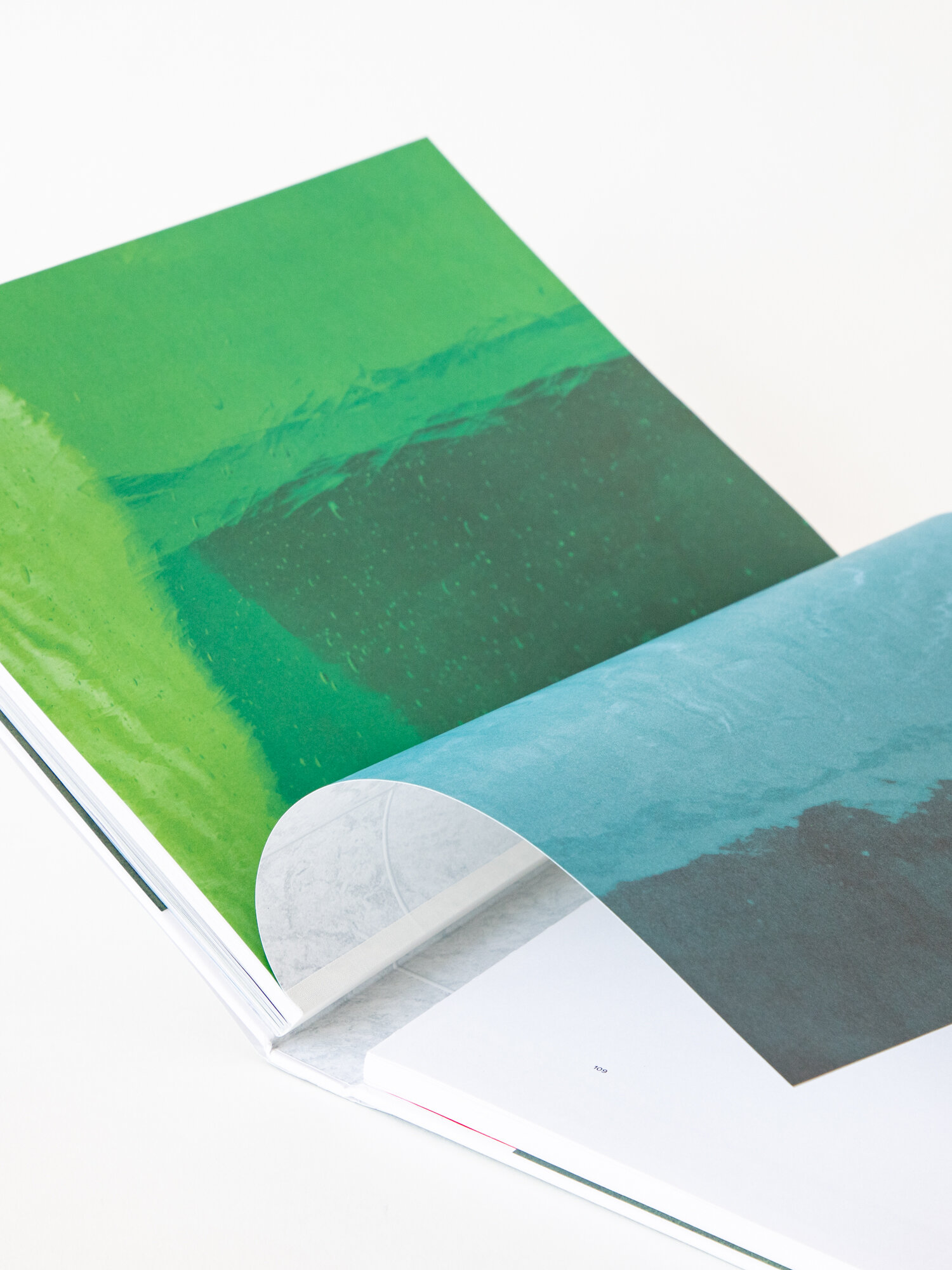 Image 7 of 8
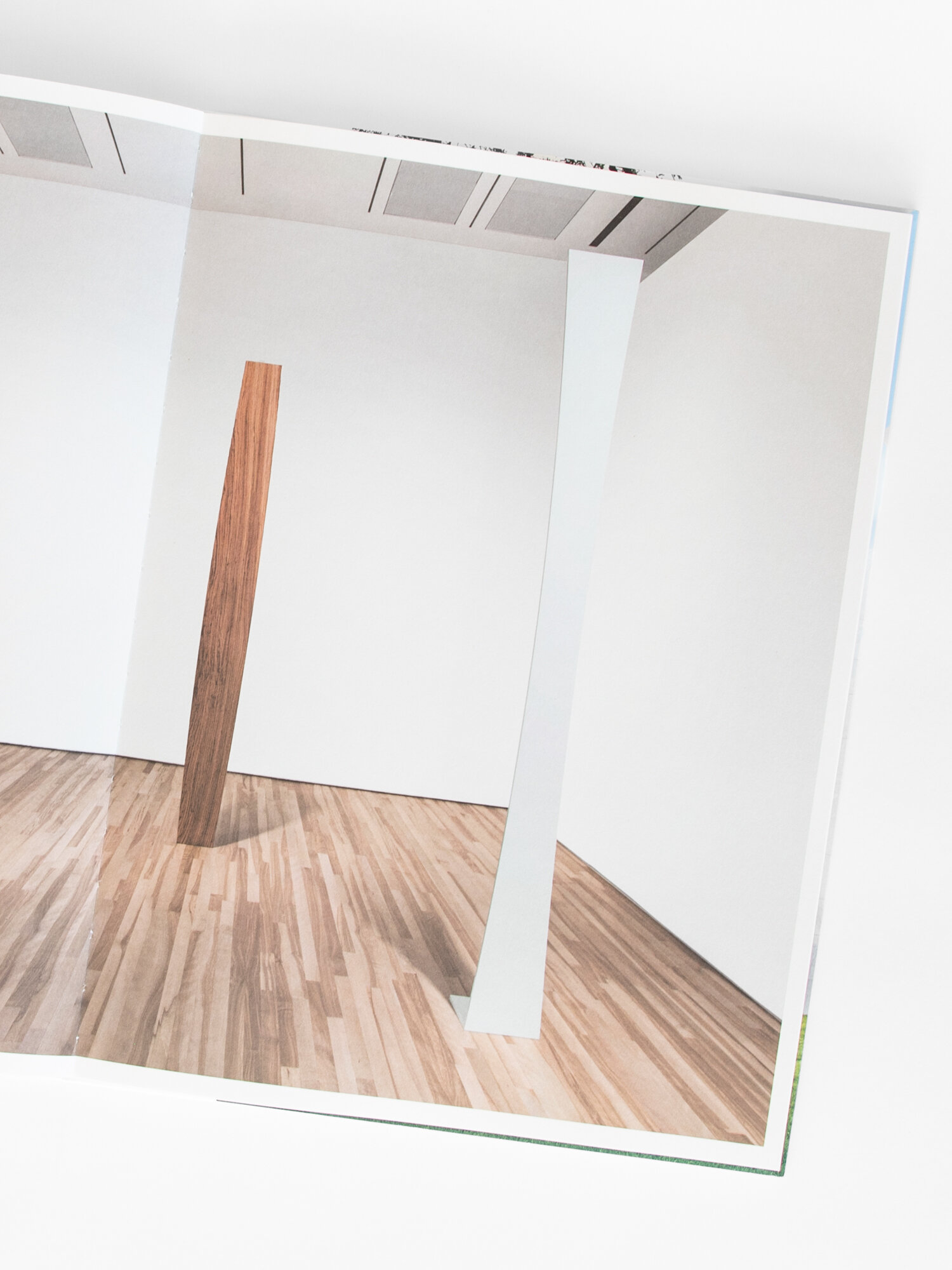 Image 8 of 8
While success for an artist is often measured by their ability to focus full-time on creating art, this book attests to the way day jobs can spur creative growth by providing artists with unexpected materials and methods…or a predictable paycheck that enables unpredictable ideas.
— Veronica Roberts
Of all the jobs I’ve had, my favorite day and night job is being an artist.
— Howardena Pindell
Day Jobs examines the overlooked impact of day jobs on the visual arts. Success for artists is often measured by their ability to quit a day job and focus full time on their practice. Yet these jobs can often spur creative growth by providing artists with new materials and methods, hands-on knowledge of a specific industry that becomes an area of artistic investigation, or a predictable paycheck and structure that enable unpredictable ideas.
The book comprises thirty-nine chapters, one for each included artist, with images of their work, commissioned essays, and interviews. Included are creative pioneers such as Larry Bell, Mark Bradford, Tishan Hsu, Howardena Pindell, and Julia Scher, who offer firsthand accounts of how their day jobs—as a frame shop technician, hair stylist, word processor, museum employee, and security systems installer, respectively—altered their artistic trajectories in surprisingly profound ways.
By examining the impact of day jobs on artists, Day Jobs seeks to demystify artistic production and overturn the romanticized concept of the artist sequestered in their studio, waiting for inspiration to strike. Conceived as a corrective to traditional art historical narratives, this book encourages us to more openly acknowledge the precarious and generative ways that economic and creative pursuits are intertwined.