
 Image 1 of 10
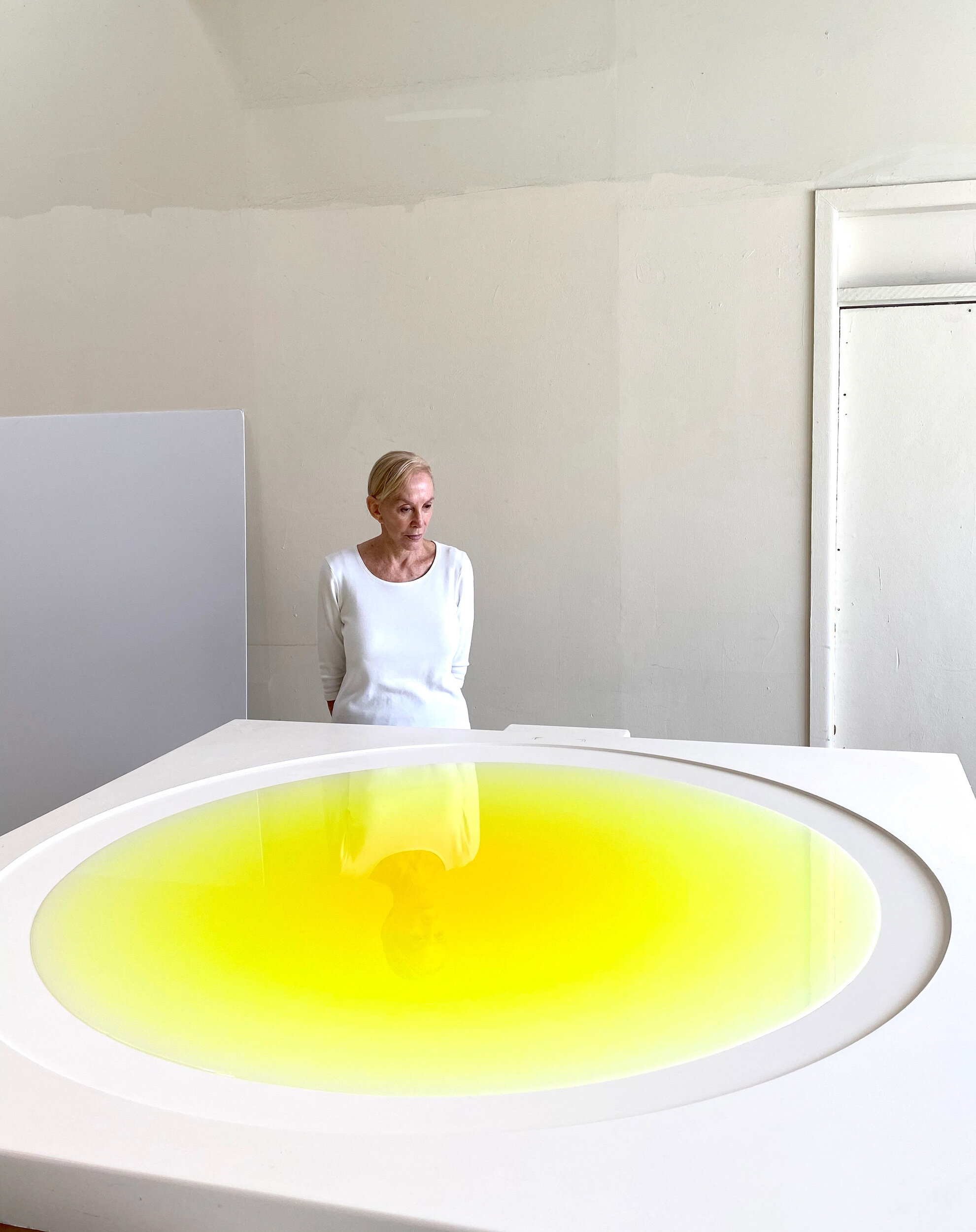 Image 2 of 10
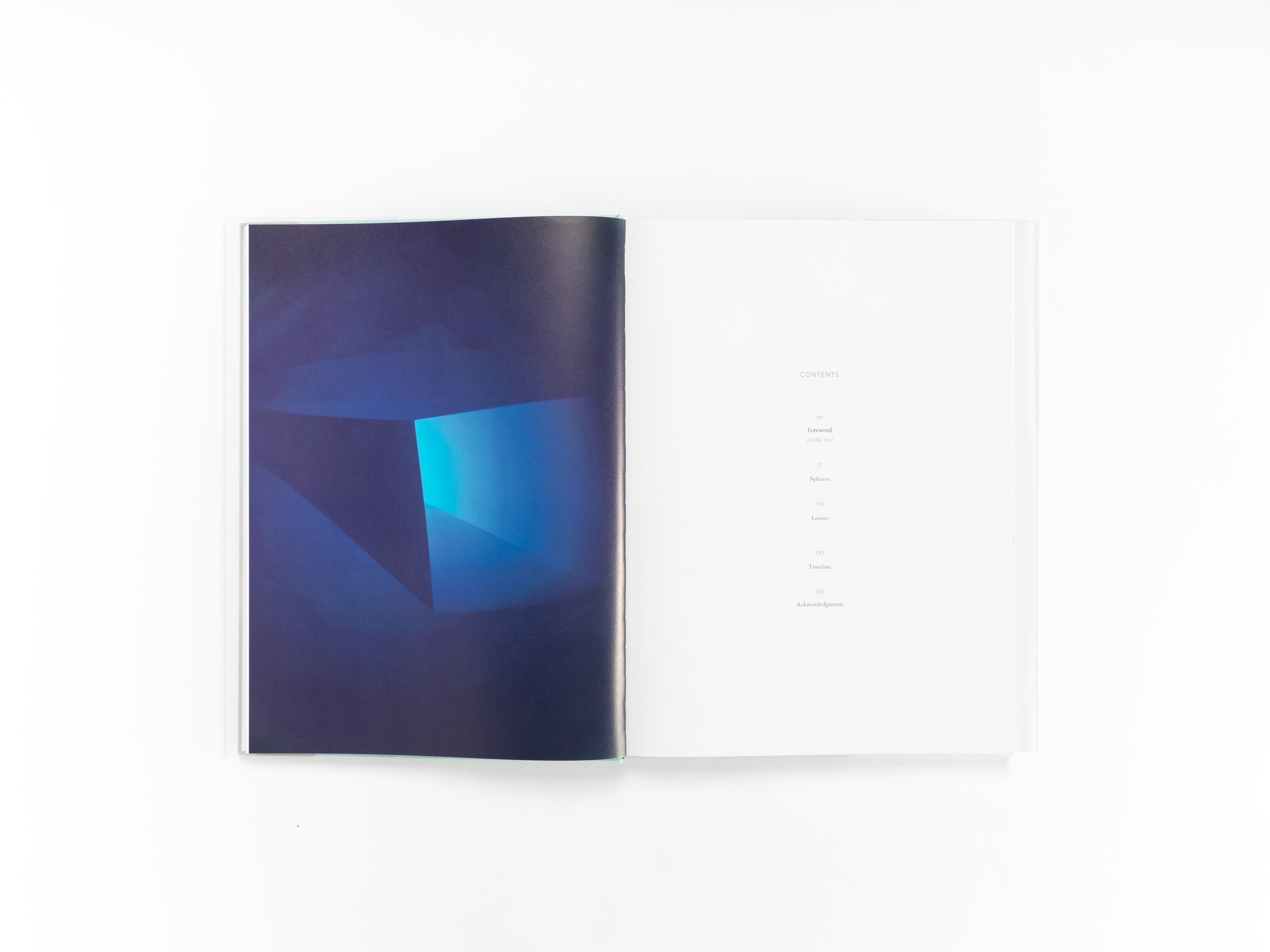 Image 3 of 10
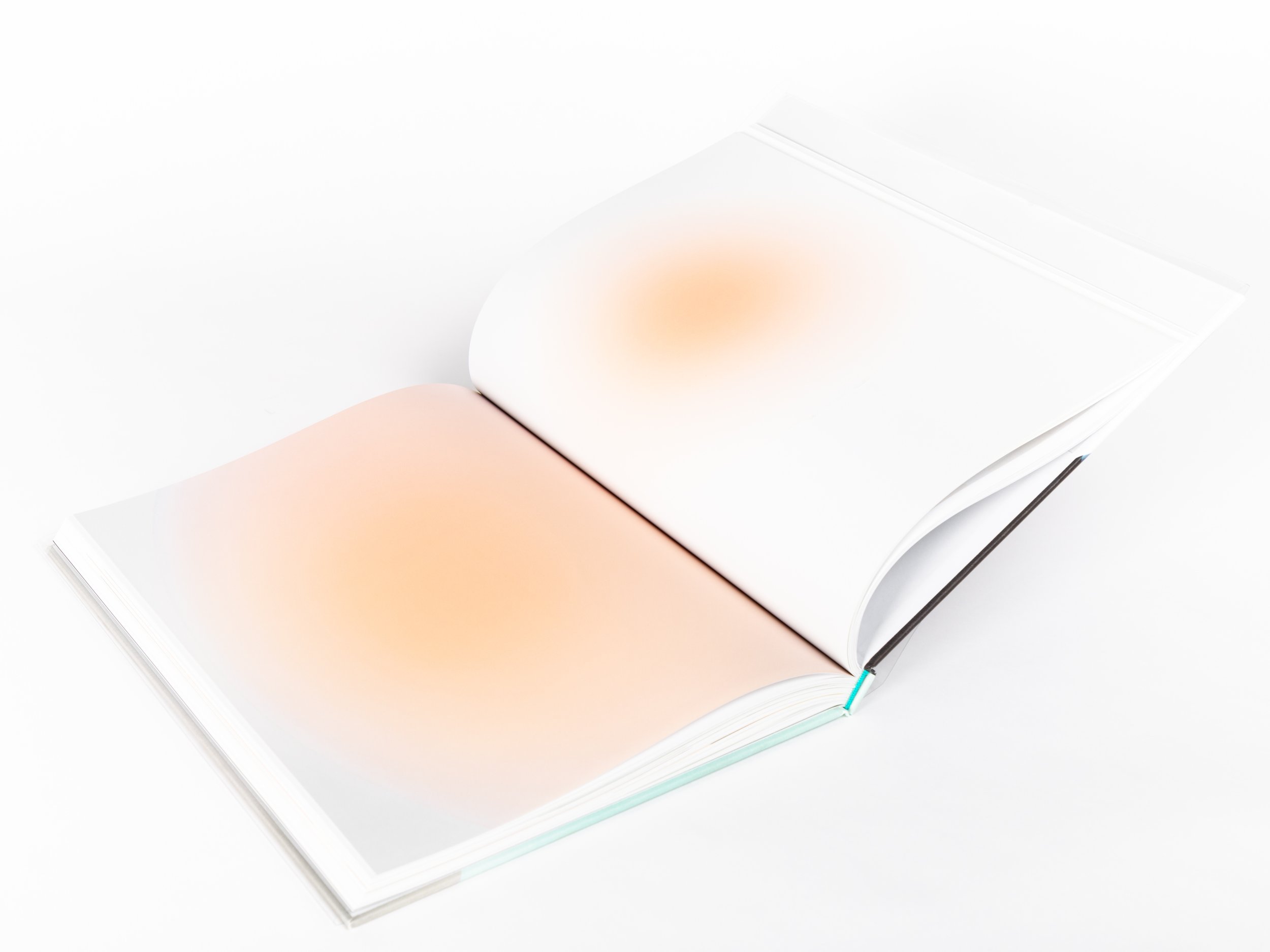 Image 4 of 10
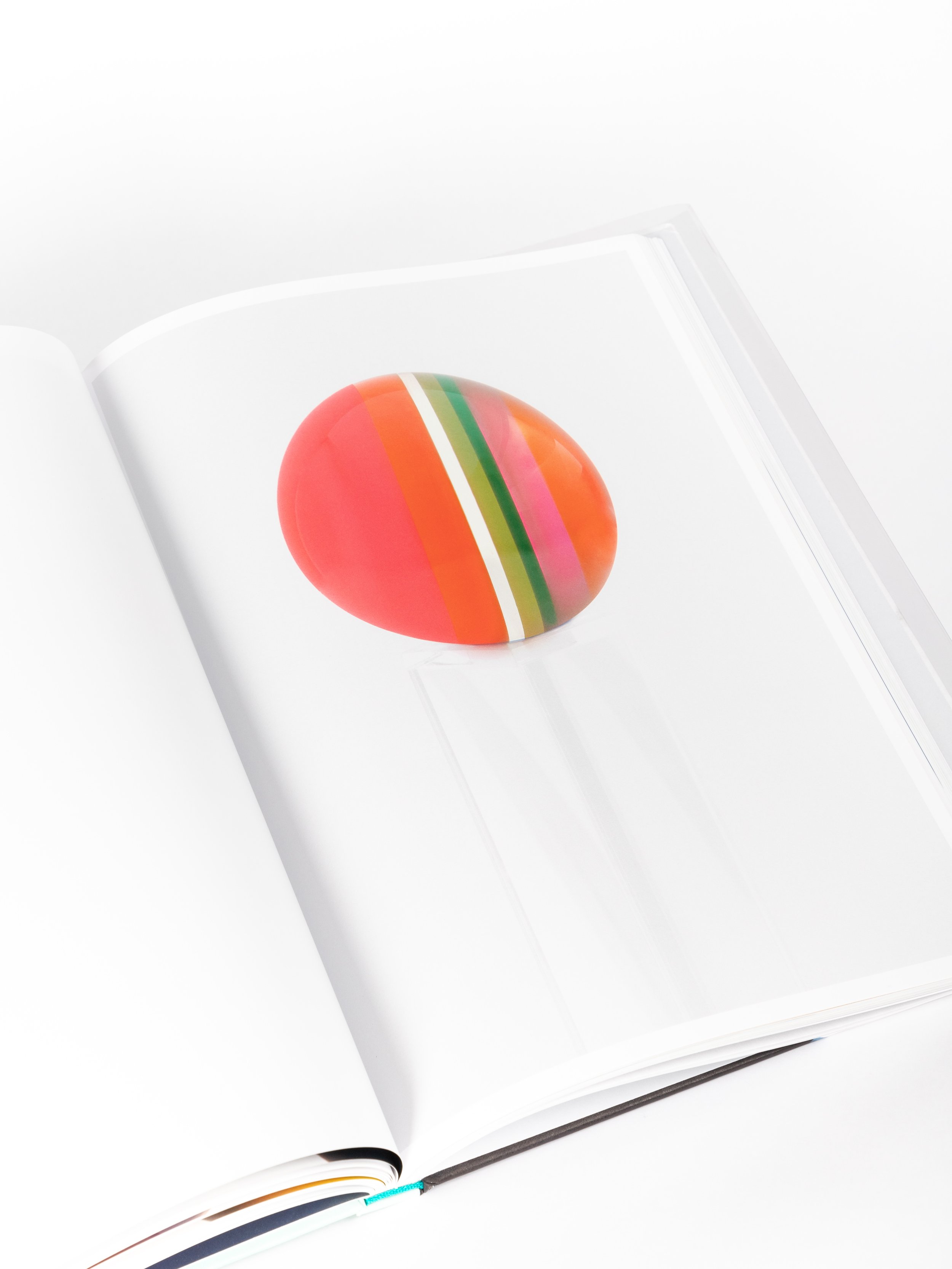 Image 5 of 10
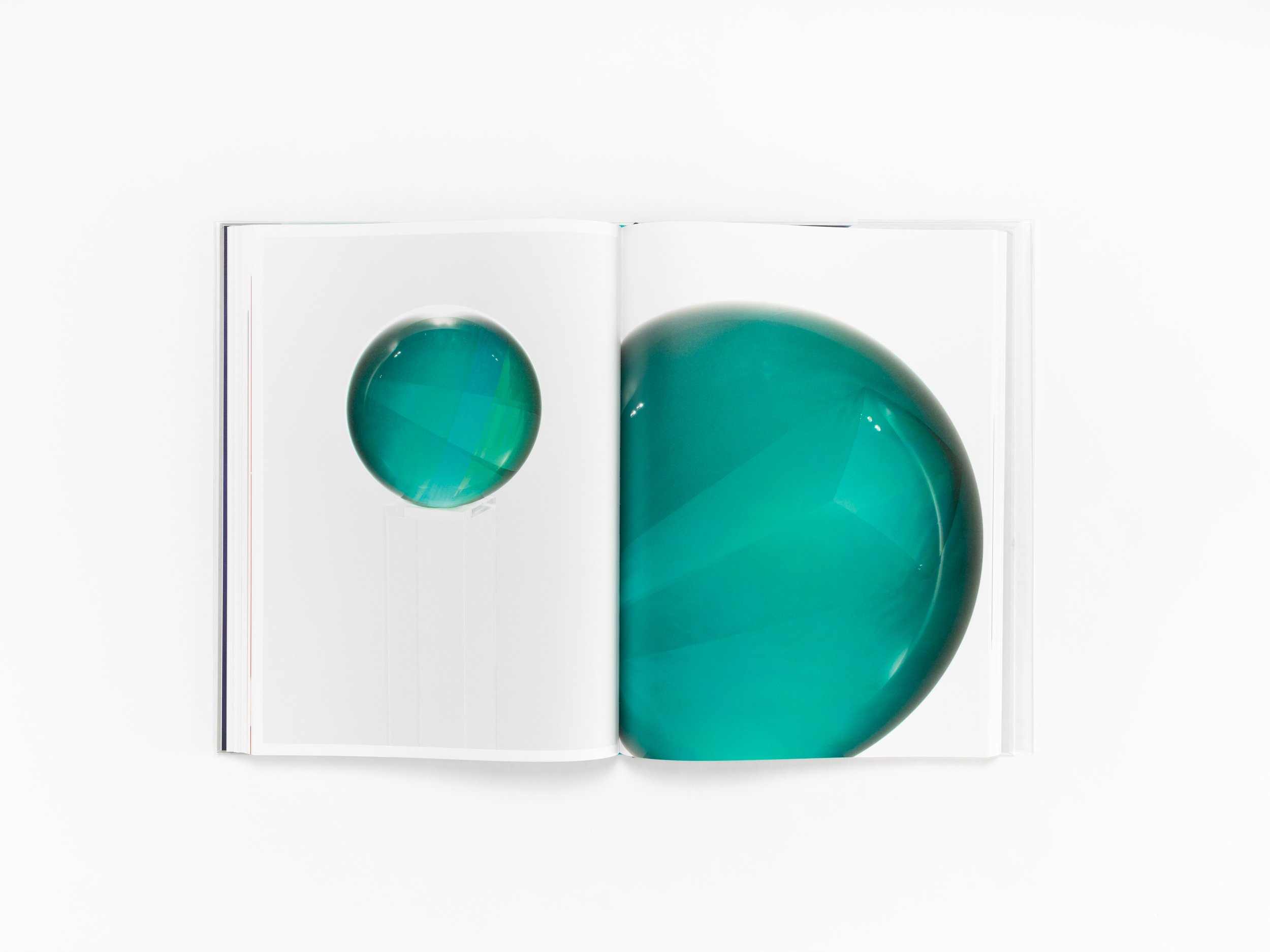 Image 6 of 10
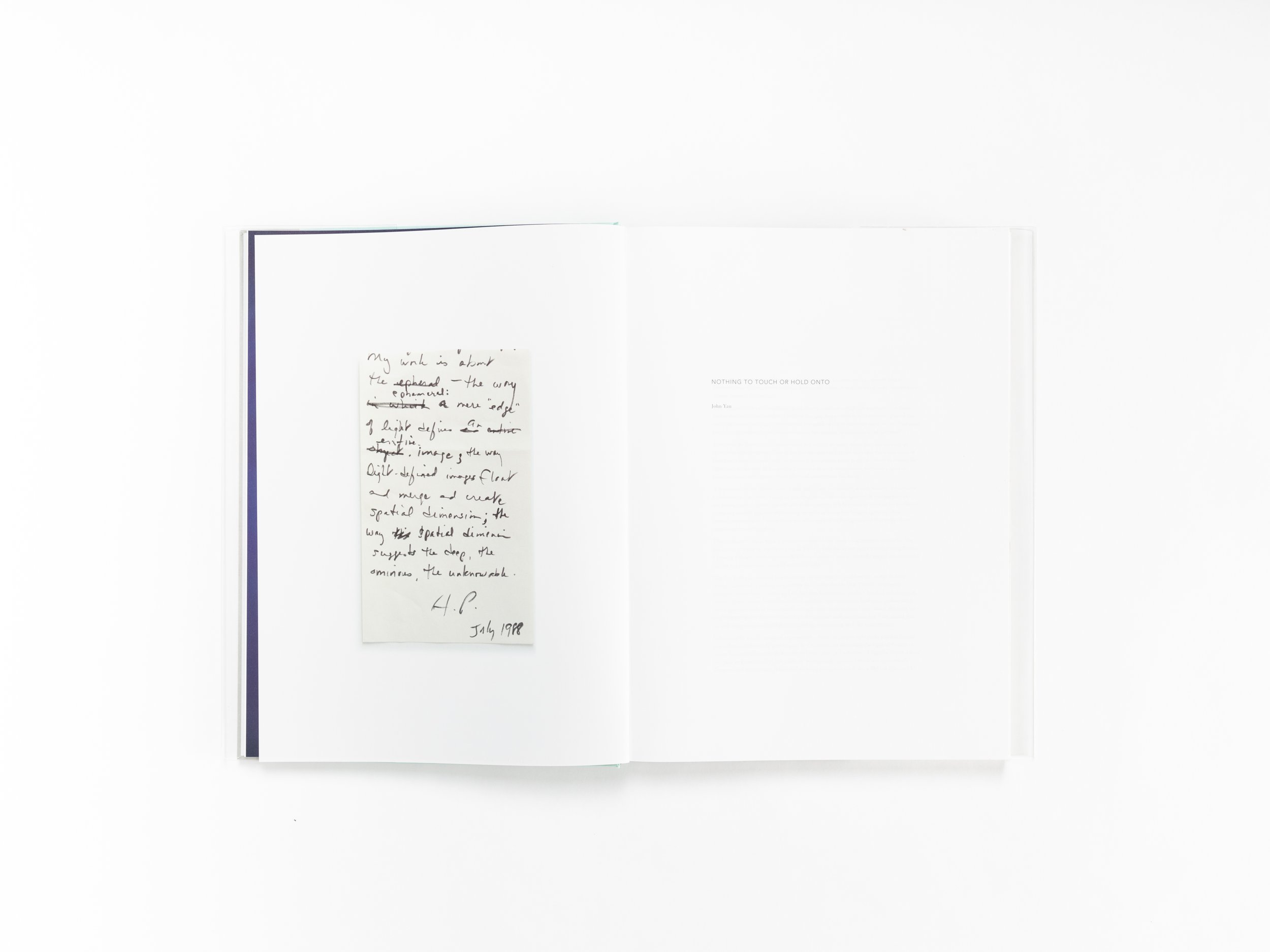 Image 7 of 10
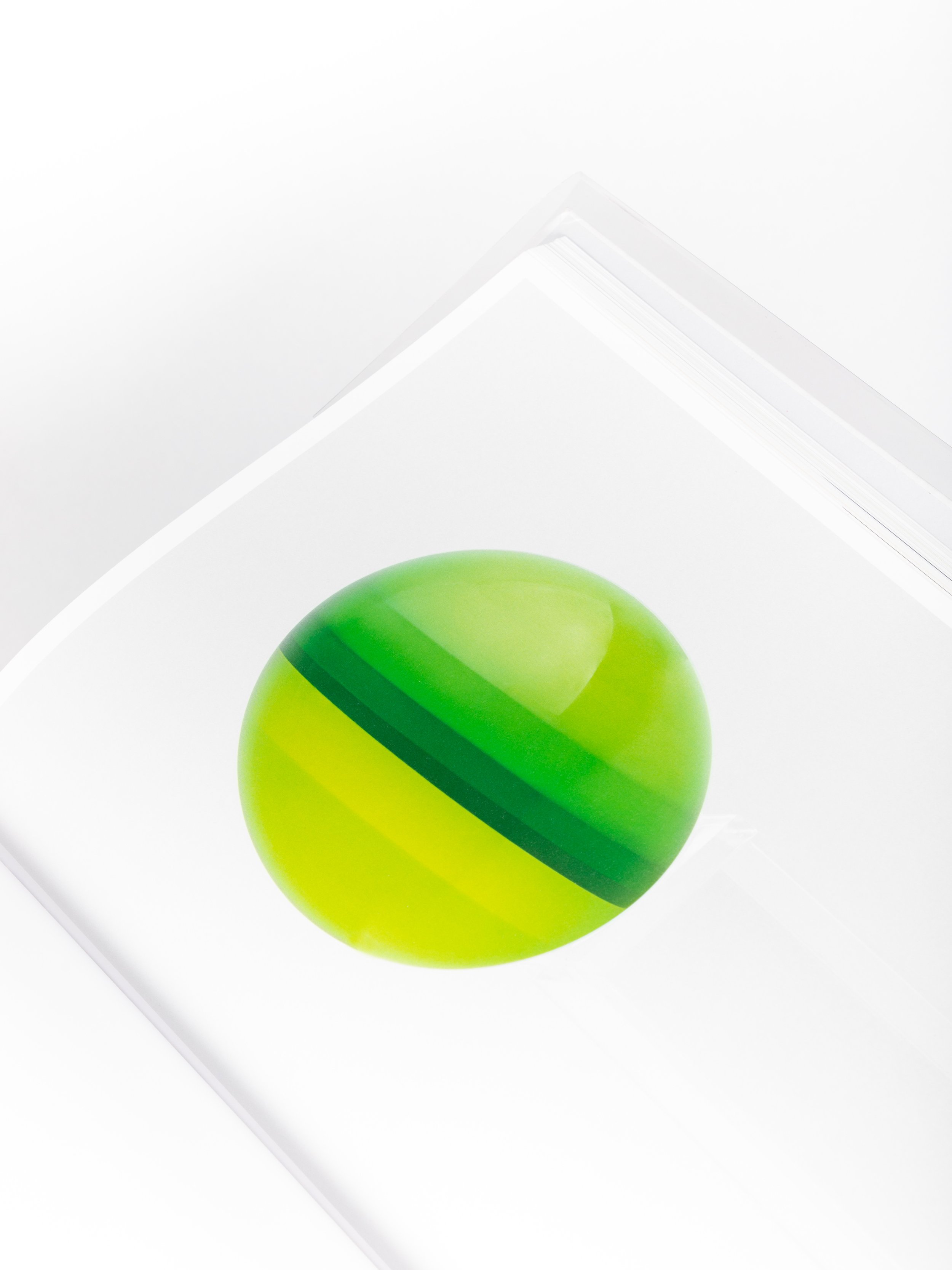 Image 8 of 10
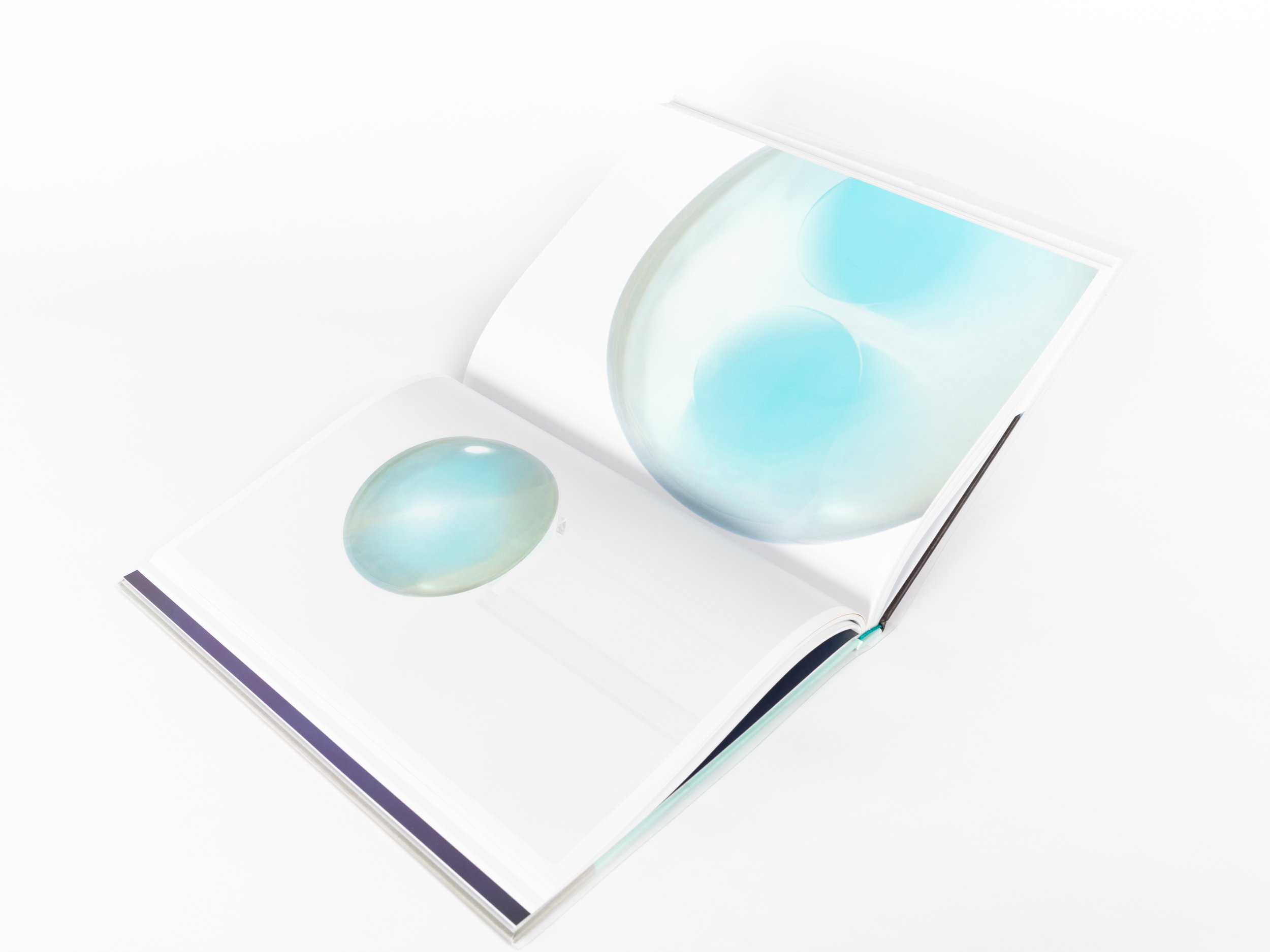 Image 9 of 10
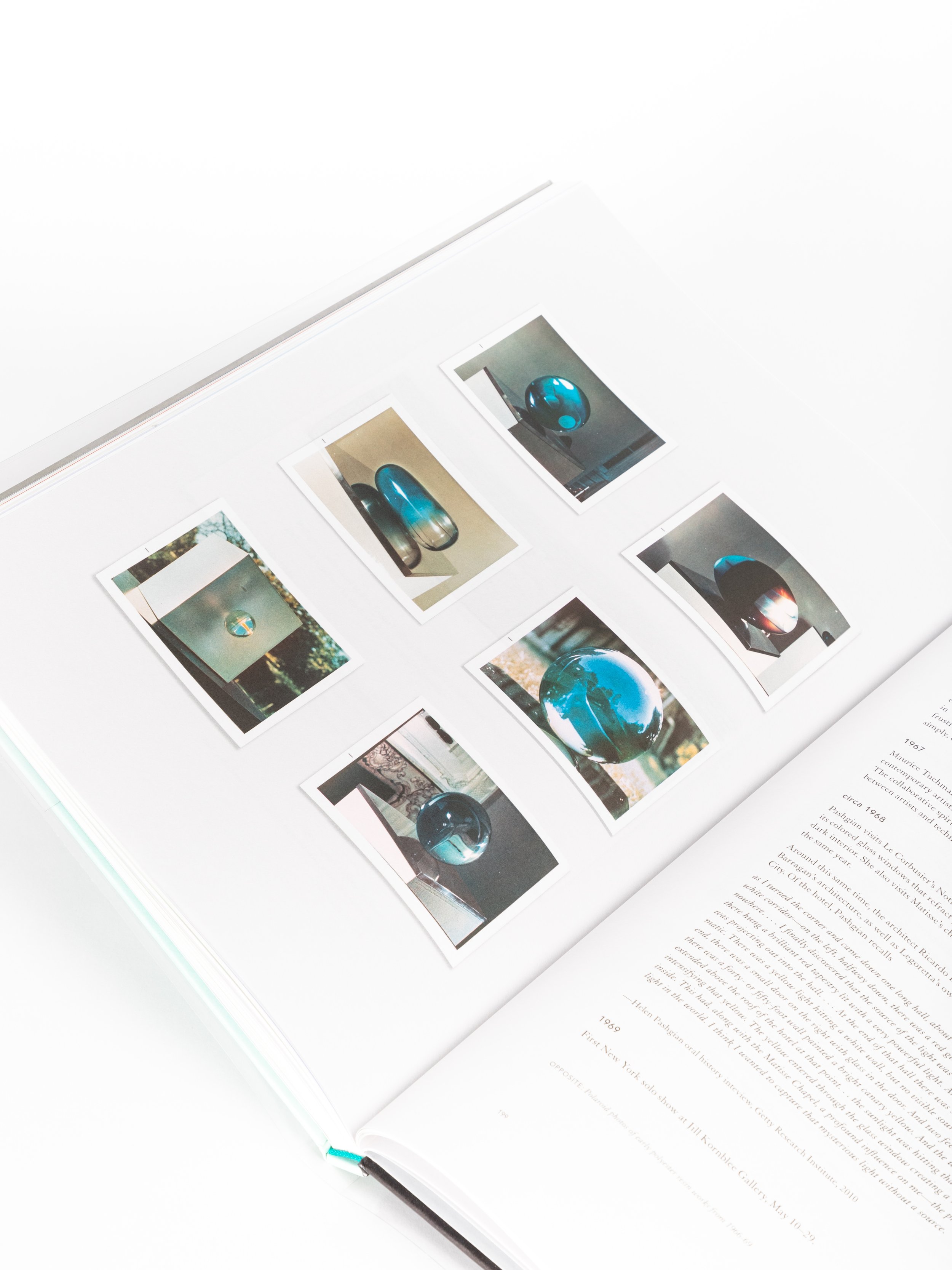 Image 10 of 10
YOU MAY ALSO LIKE
-
Artwork by Helen Pashgian
Essay by John YauHardcover with acetate jacket
10 x 14 inches
172 pages / 80 images
Trade ISBN: 9781942185758
Signed ISBN: 9781955161862Signed copies no longer available.
-
Helen Pashgian (b. 1934, Pasadena, CA; lives and works in Pasadena, CA) is a pioneer and pre-eminent member of the 1960s Light and Space movement in Southern California. Over the course of her career, Pashgian has produced a significant series of sculptures comprised of vibrantly colored columns, discs, and spheres that often feature an isolated element appearing suspended, embedded, or encased within. Using an innovative application of industrial epoxies, plastics, and resins, Pashgian’s works are characterized by their semi-translucent surfaces that appear to filter and somehow contain illumination. Pashgian thinks of her works as “presences” in space, which do not reveal everything at once. One must move around her sculptures to observe changes: coming and going, appearing and receding, visible and invisible—a phenomenon of constant movement. This touches on the mysterious, the place beyond which the eye cannot go. Trained as an art historian with a focus on the Dutch Golden Age of the 17th century, Pashigan’s reverence for Johannes Vermeer, the painter of light, has been fundamental to her longstanding interest in the effects and perception of light. While she has gravitated towards experimenting with non-traditional materials, her primary concern has always been to maintain light as the object and subject of her work. For Pashgian, light is not simply a metaphor, symbol, or allegory; light itself is both the medium and the message.
Pashgian received her B.A. from Pomona College, Claremont, CA in 1956 and M.A. from Boston University, Boston, MA in 1958. The artist has shown in numerous solo and group exhibitions worldwide, and her work is in numerous public and private collections internationally. Collections include the Laguna Beach Museum of Art, Laguna Beach, CA; Los Angeles County Museum of Art, Los Angeles, CA; Museum of Contemporary Art, San Diego, CA; Norton Simon Museum, Pasadena, CA; Palm Springs Art Museum, Palm Springs, CA; Portland Art Museum, Portland, OR; San Francisco Museum of Modern Art, San Francisco, CA; Santa Barbara Museum of Art, Santa Barbara, CA; and UCI Institute and Museum for California Art, Irvine, CA.
Helen Frankenthaler: Late Works, 1988–2009 is the first book to explore the late period of Frankenthaler’s art and life.
Profusely illustrated with more than 95 plates and 40 archival images, the book features essays by Douglas Dreishpoon and Suzanne Boorsch; a roundtable discussion with Katharina Grosse, Pepe Karmel, and Mary Weatherford; an illustrated chronology and selected bibliography. Initiated by Dreishpoon, Director of the Helen Frankenthaler Catalogue Raisonné and Chief Curator Emeritus at the Albright-Knox Art Gallery, the book complements an exhibition of Frankenthaler’s late paintings on paper and canvas organized by the Helen Frankenthaler Foundation and curated by Dreishpoon that premiered in 2021 at the New Britain Museum of American Art before traveling to the Weatherspoon Art Museum, Palm Springs Art Museum, and Artis—Naples/The Baker Museum.
Frankenthaler’s invention of the soak-stain technique expanded the possibilities of abstract painting with references to figuration and landscape. In later years, her practice continued to evolve through the use of diverse media and processes, as she shifted from painting canvas on the floor to using larger sheets of paper that were laid out on the floor or on table tops for easier accessibility. The continuity between the late work and what came before is striking, as the painter, graced with a vast art-historical image bank, and technical prowess, moved in whatever direction suited her mood and imagination.