
 Image 1 of 8
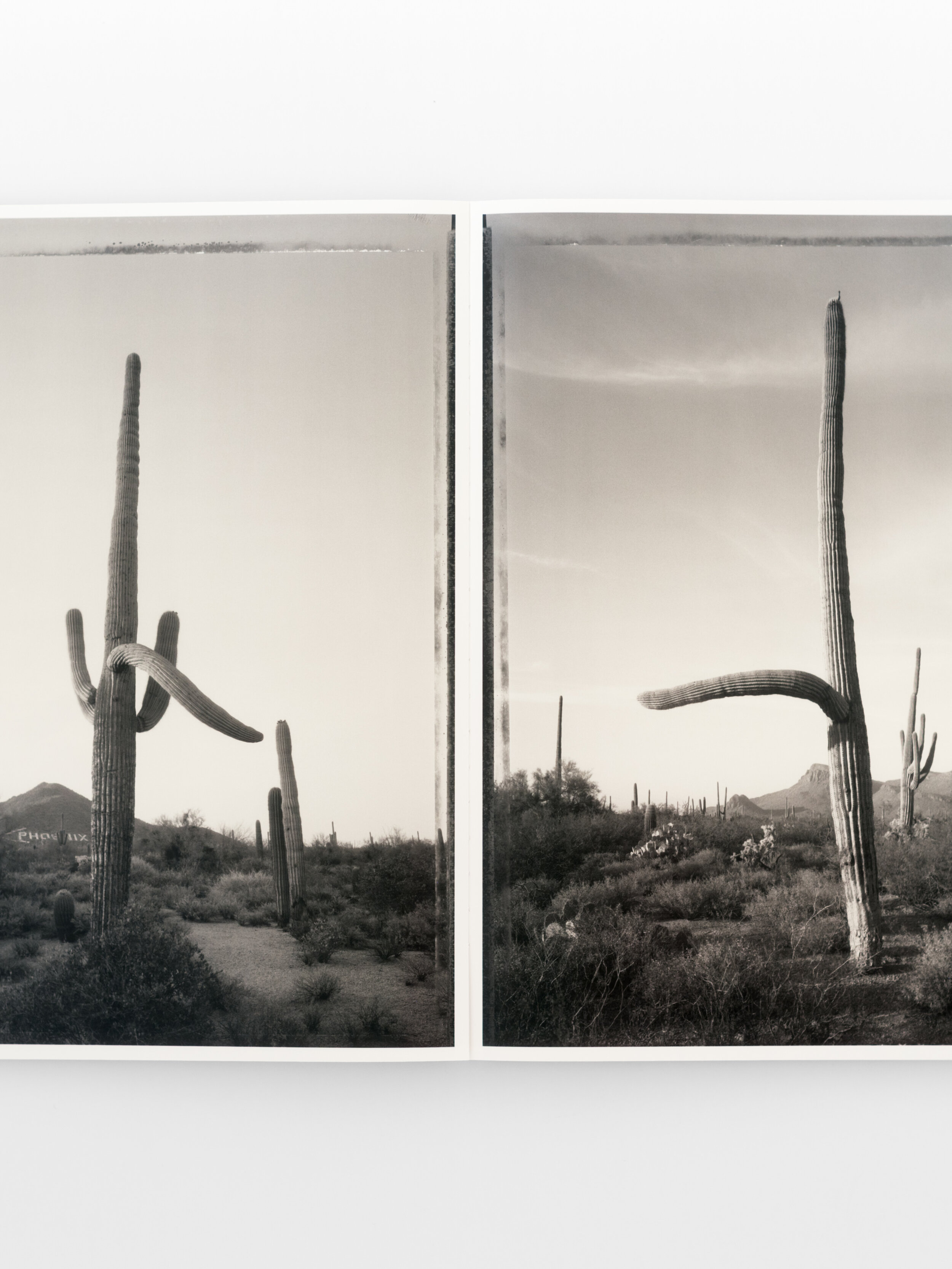 Image 2 of 8
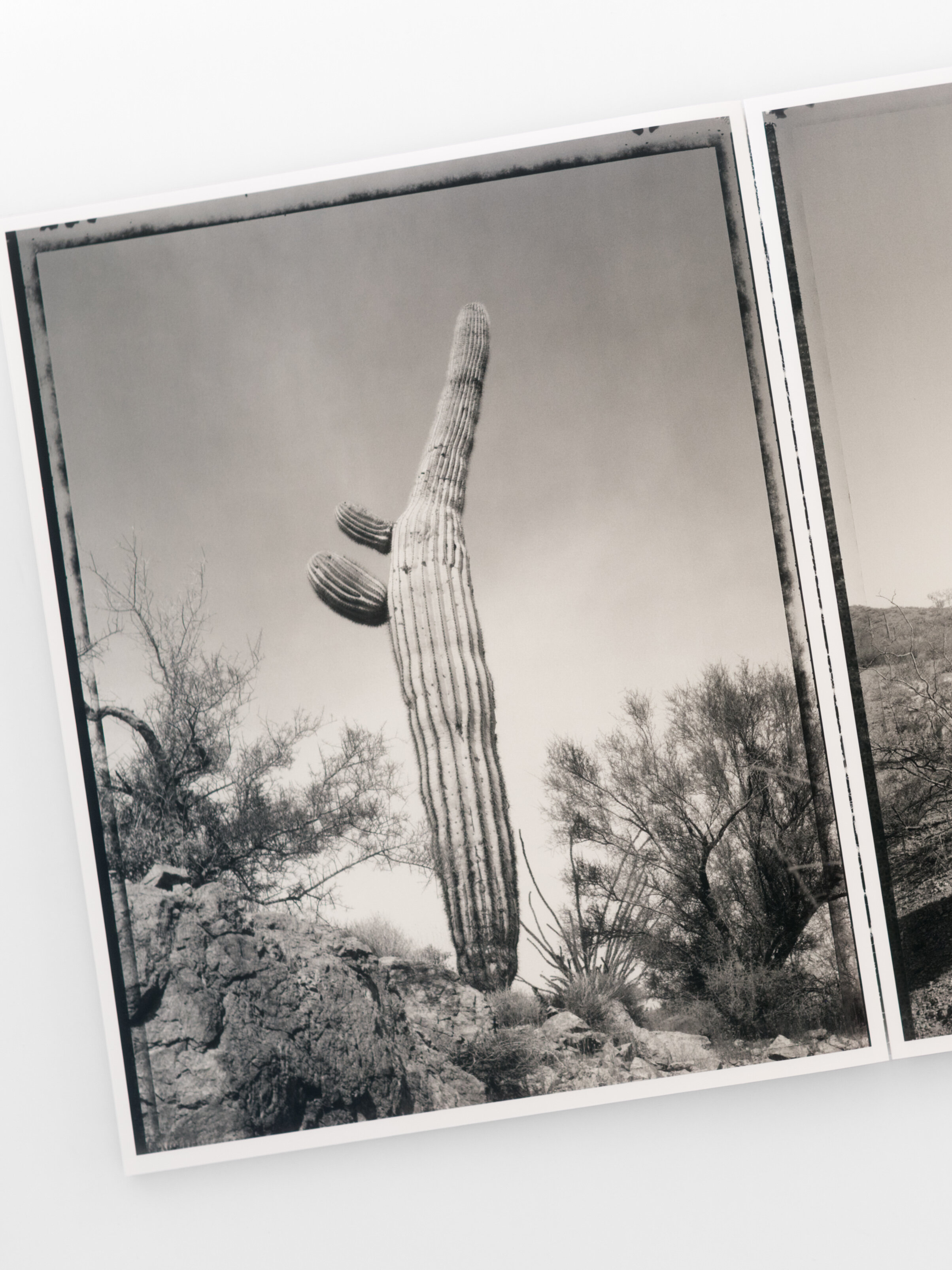 Image 3 of 8
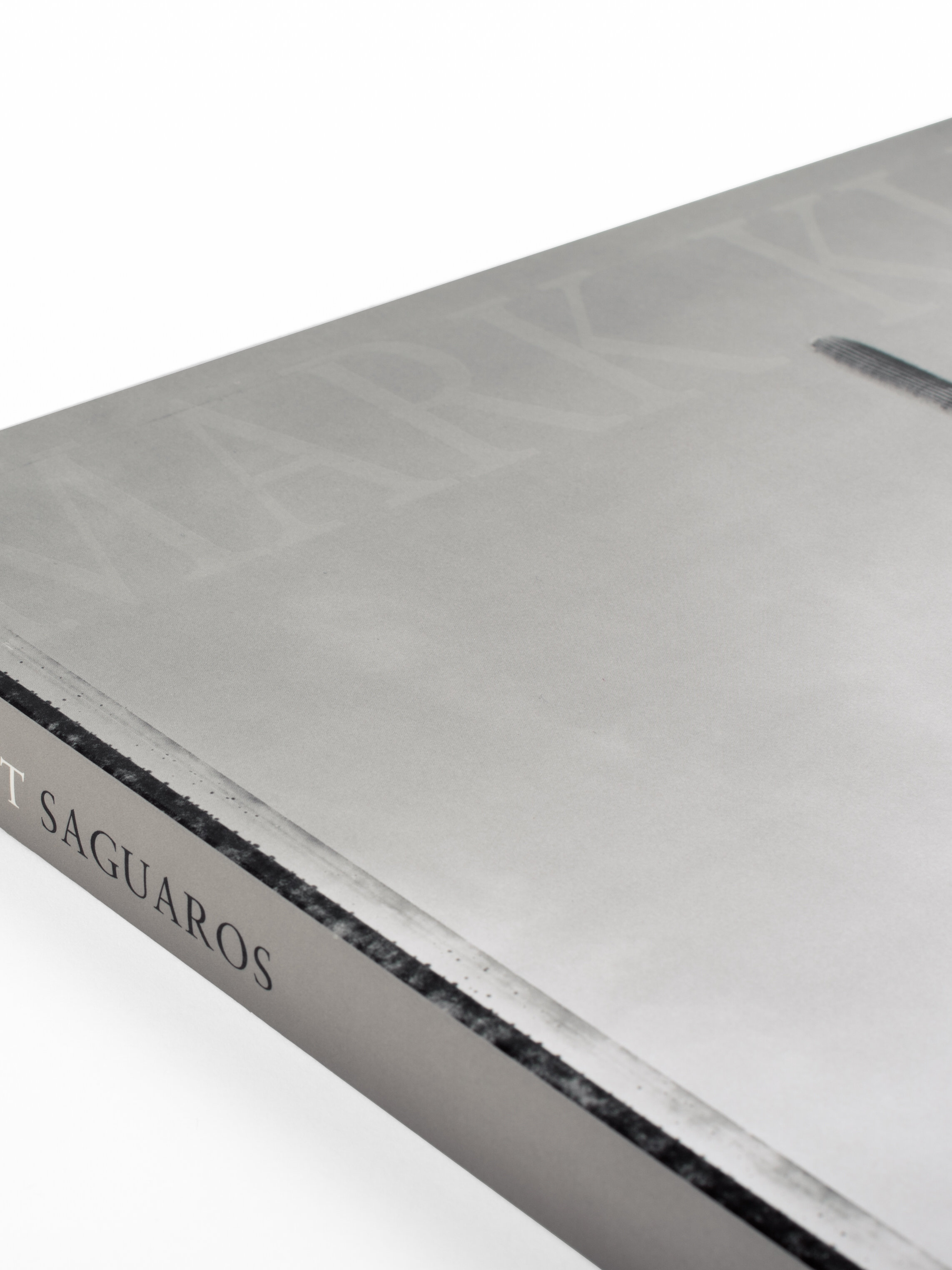 Image 4 of 8
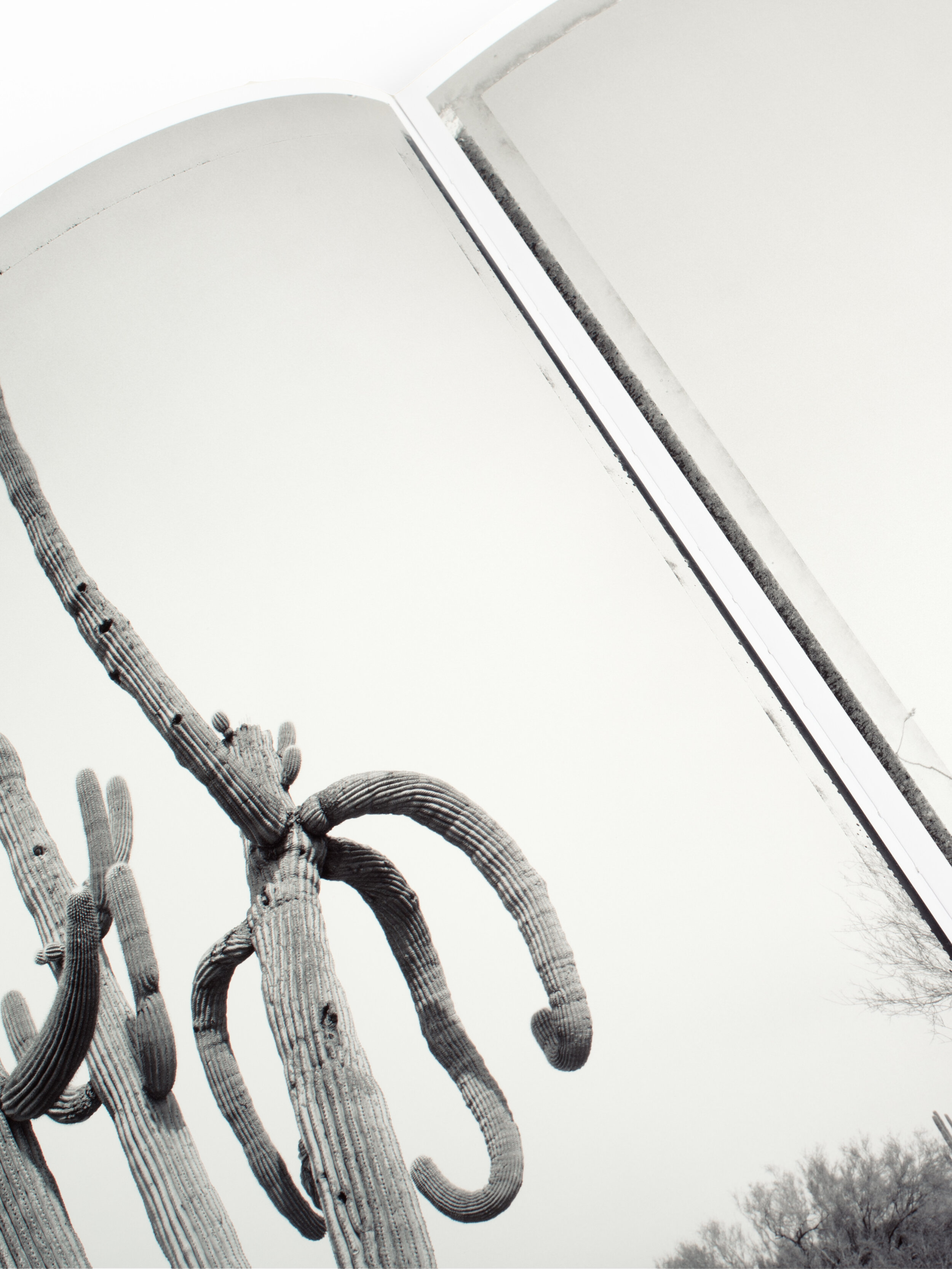 Image 5 of 8
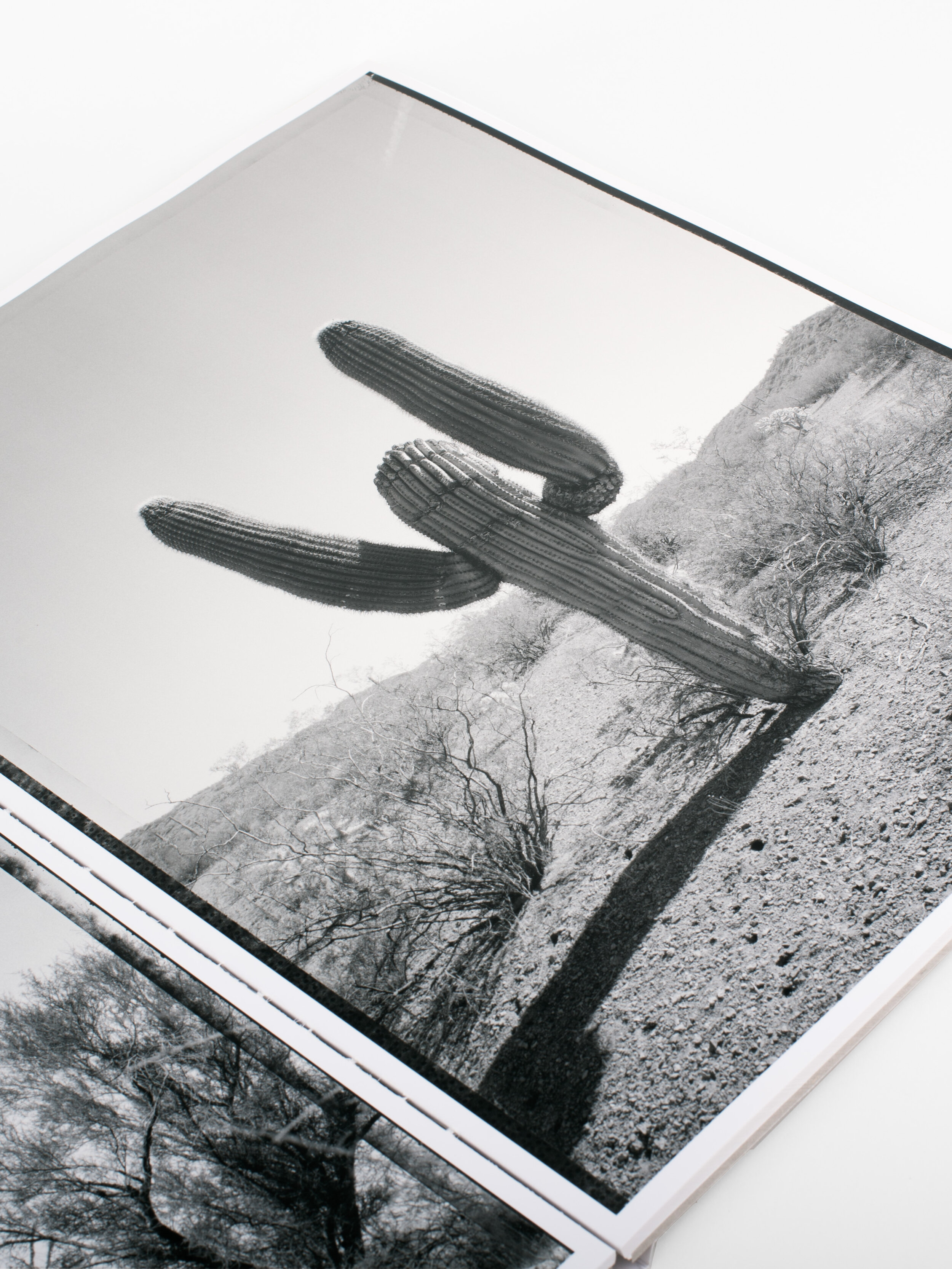 Image 6 of 8
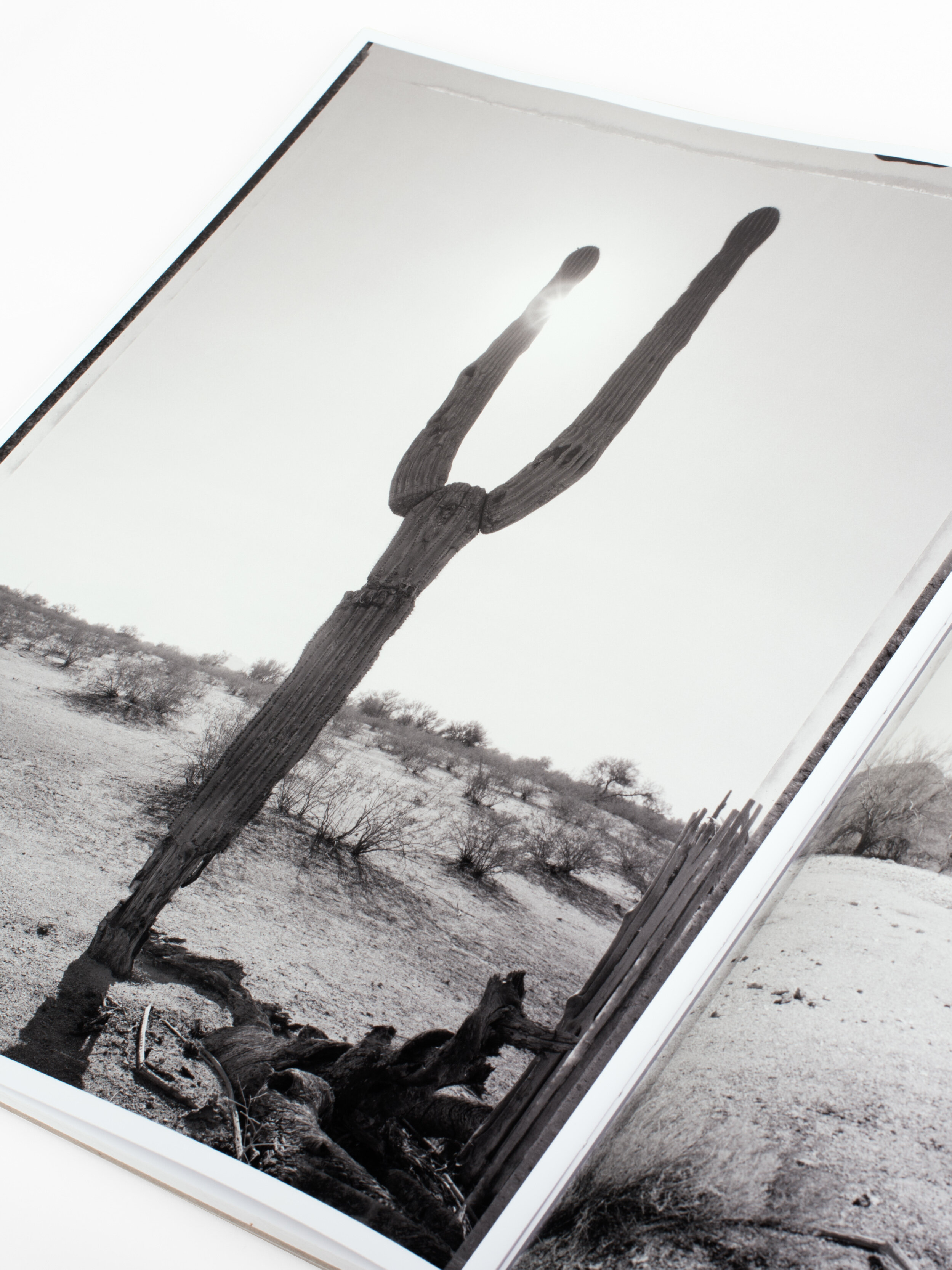 Image 7 of 8
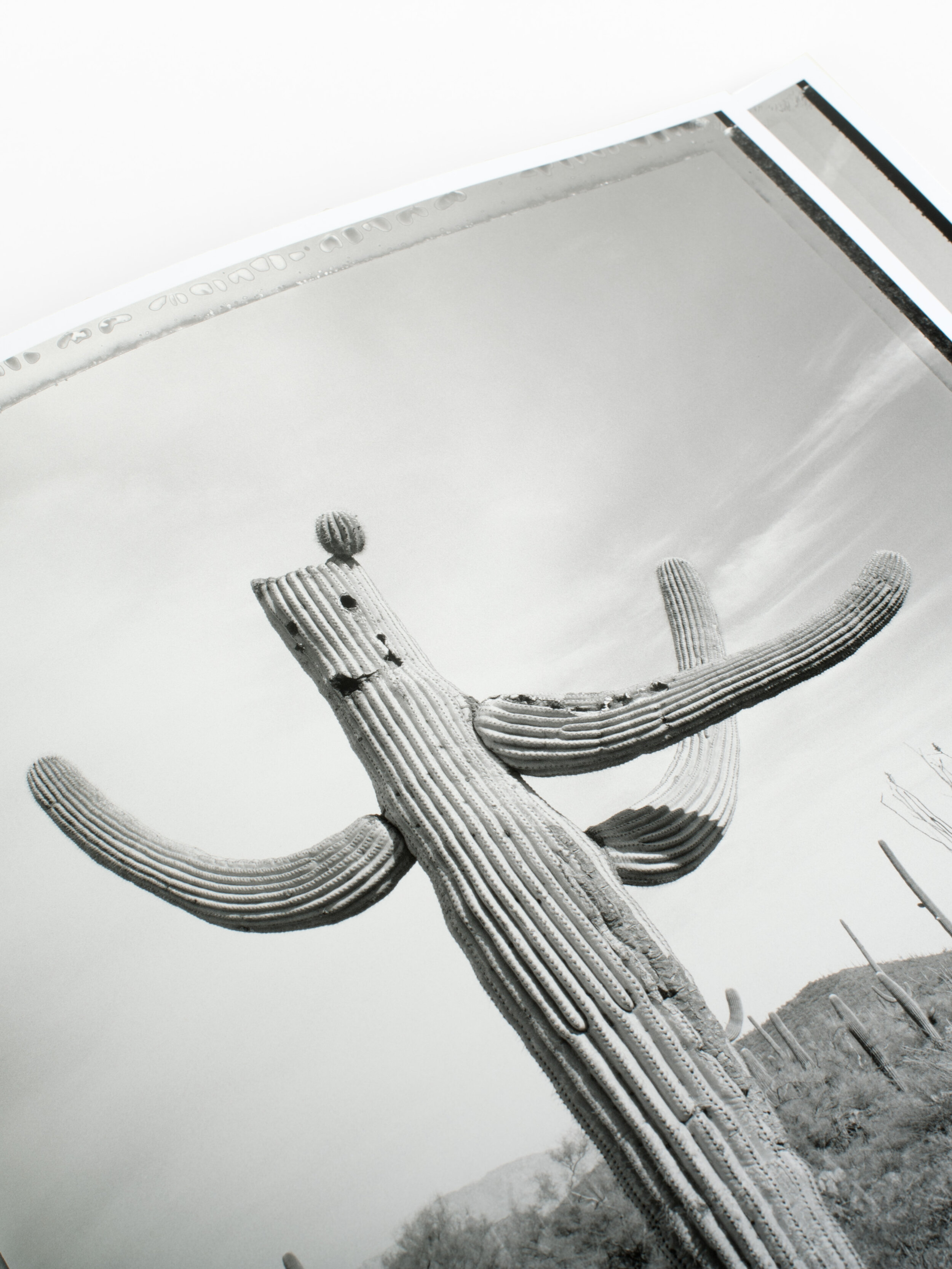 Image 8 of 8
YOU MAY ALSO LIKE


-
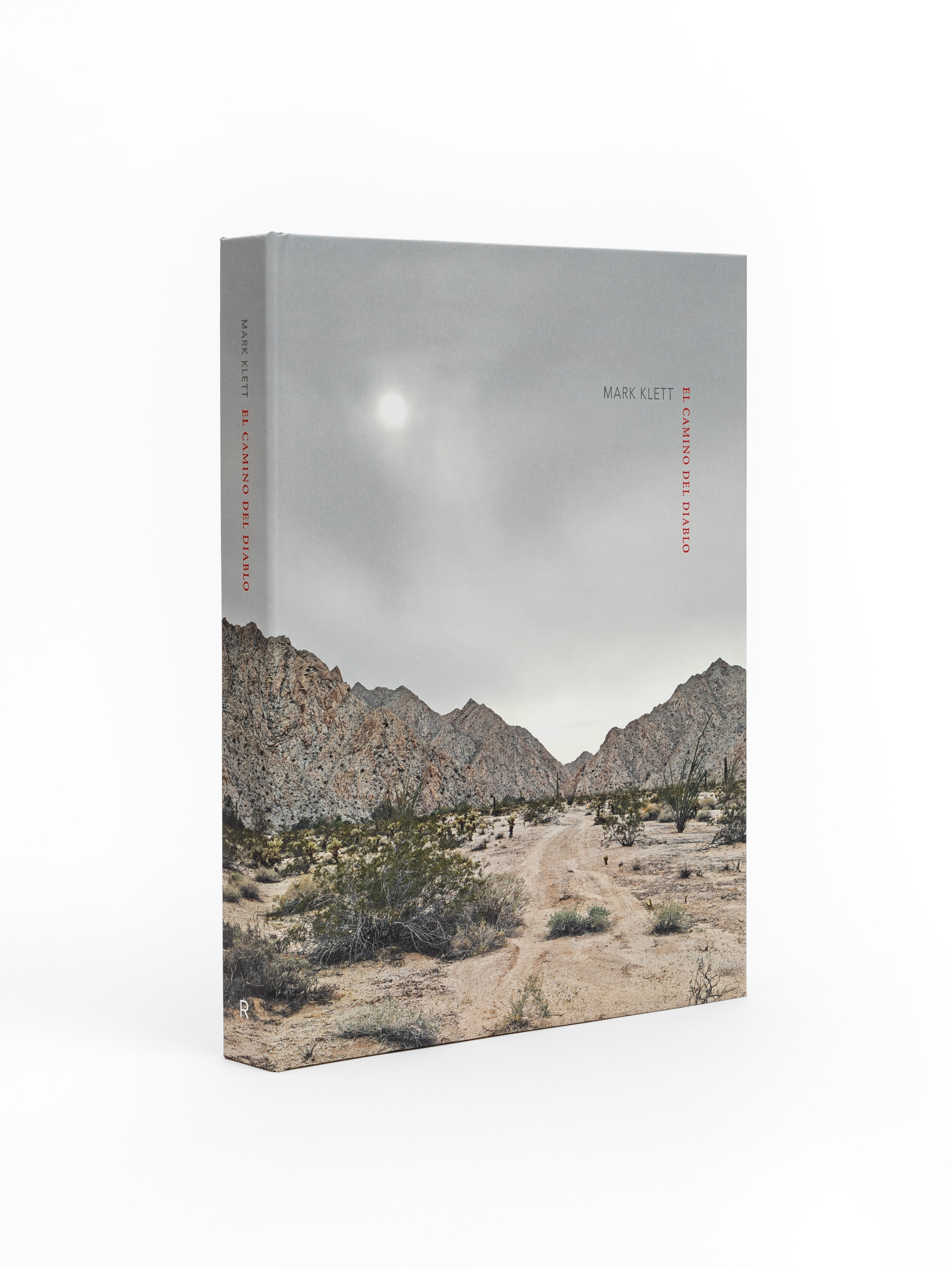
Photography Mark Klett
Essay by Gregory McNameeHardbound
12 x 15 inches
106 page / 75 images
ISBN: 9781934435007Trade: $75 > Rare, Signed: $250
NOW SOLD OUT -
Mark Klett is a photographer interested in the intersection of places, history and time. His background includes working as a geologist before turning to photography. Klett has received fellowships from the Guggenheim Foundation, the Pollock-Krasner Foundation, the National Endowment for the Arts, and the Japan/US Friendship Commission. His work has been exhibited and published in the United States and internationally, and is held in over eighty museum collections worldwide. He is the author/co-author of nineteen books including Seeing Time, Forty Years of Photographs (University of Texas Press 2020). Klett is Regents’ Professor Emeritus at Arizona State University.
I think of “social geography” as a term to describe my photographic work and methodology…The photographs that I produce question traditional and clichéd notions of landscape, our place within it, and the collective roles and responsibilities in how and why we shape it the way we do.
— Victoria Sambunaris
Her first book in over ten years, Victoria Sambunaris: Transformation of a Landscape shares the nuance and majesty of the artist’s practice in a large-scale book format. Each year, Sambunaris structures her life around a photographic journey traversing the American landscape. Equipped with a 5×7-inch field camera, film, a video camera, and research material, she crosses the country alone by car for several months. Her large-scale photographs capture the continuing transformation of the American landscape with specific attention given to expanding political, technological, and industrial interventions.
Part of her ongoing, twenty-year series Taxonomy of a Landscape, this book encompasses the past decade of work, including collected ephemera that form the essential and incidental elements of her practice as a photographer and researcher. Also featured are archival documentation of experiences and observations on the road, such as snapshots, maps, road logs, journals, geology and history books, mineral specimens, and artifacts. This title follows her first book with Radius, Taxonomy of a Landscape.