Image 1 of 11
Image 2 of 11
Image 3 of 11
Image 4 of 11
Image 5 of 11
Image 6 of 11
Image 7 of 11
Image 8 of 11
Image 9 of 11
Image 10 of 11
Image 11 of 11
Wired: Contemporary Zulu Telephone Wire Baskets
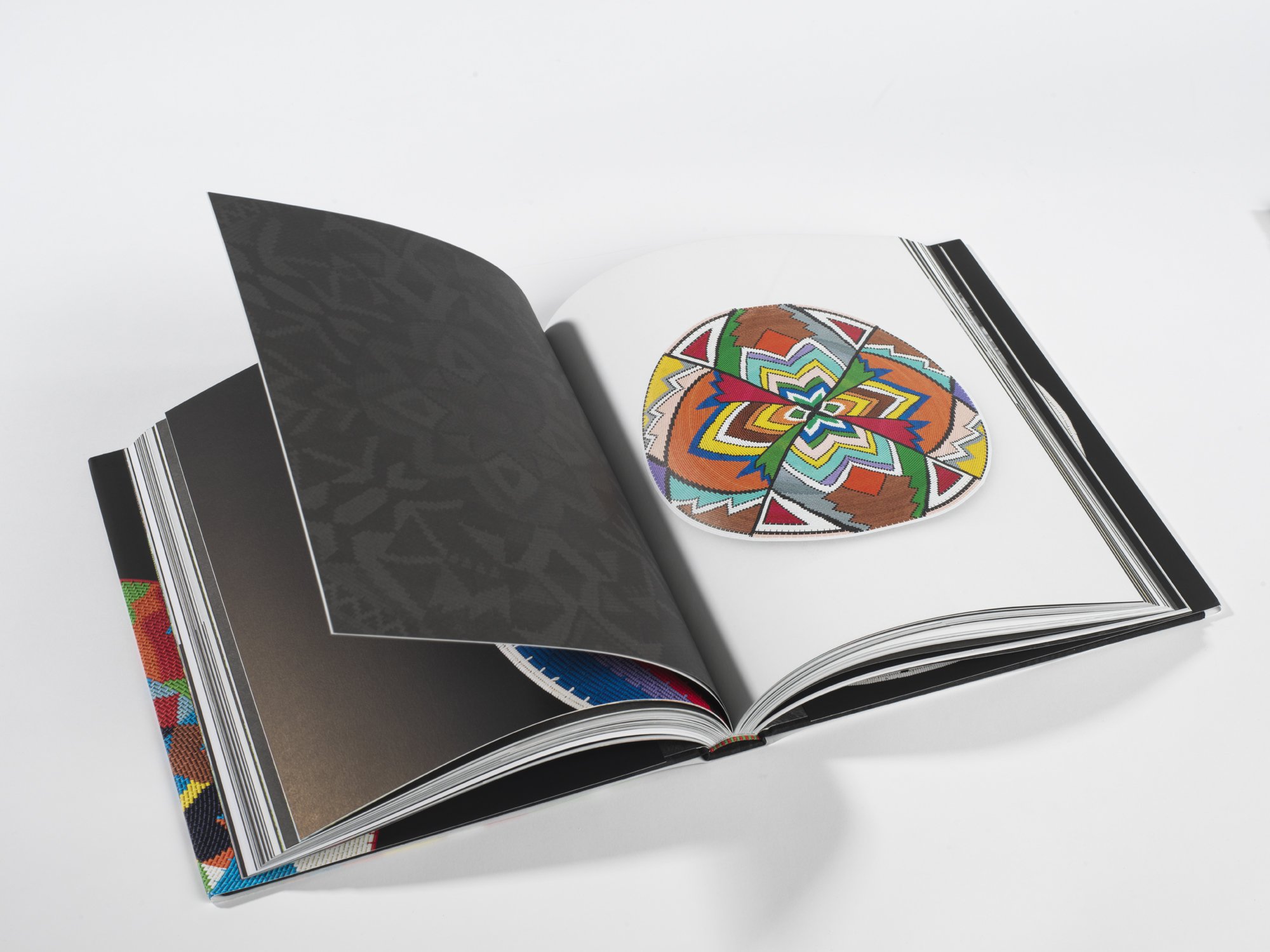
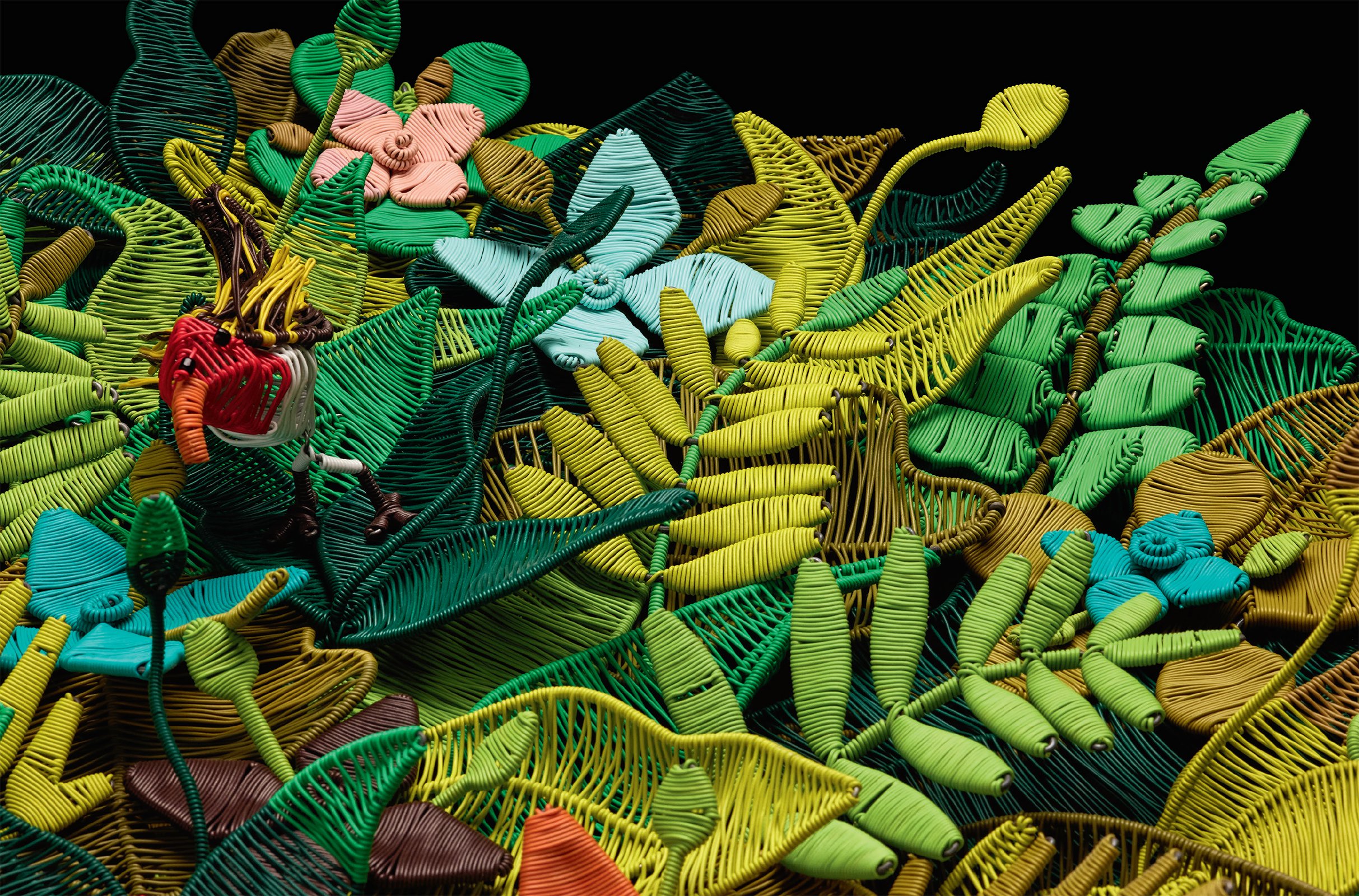
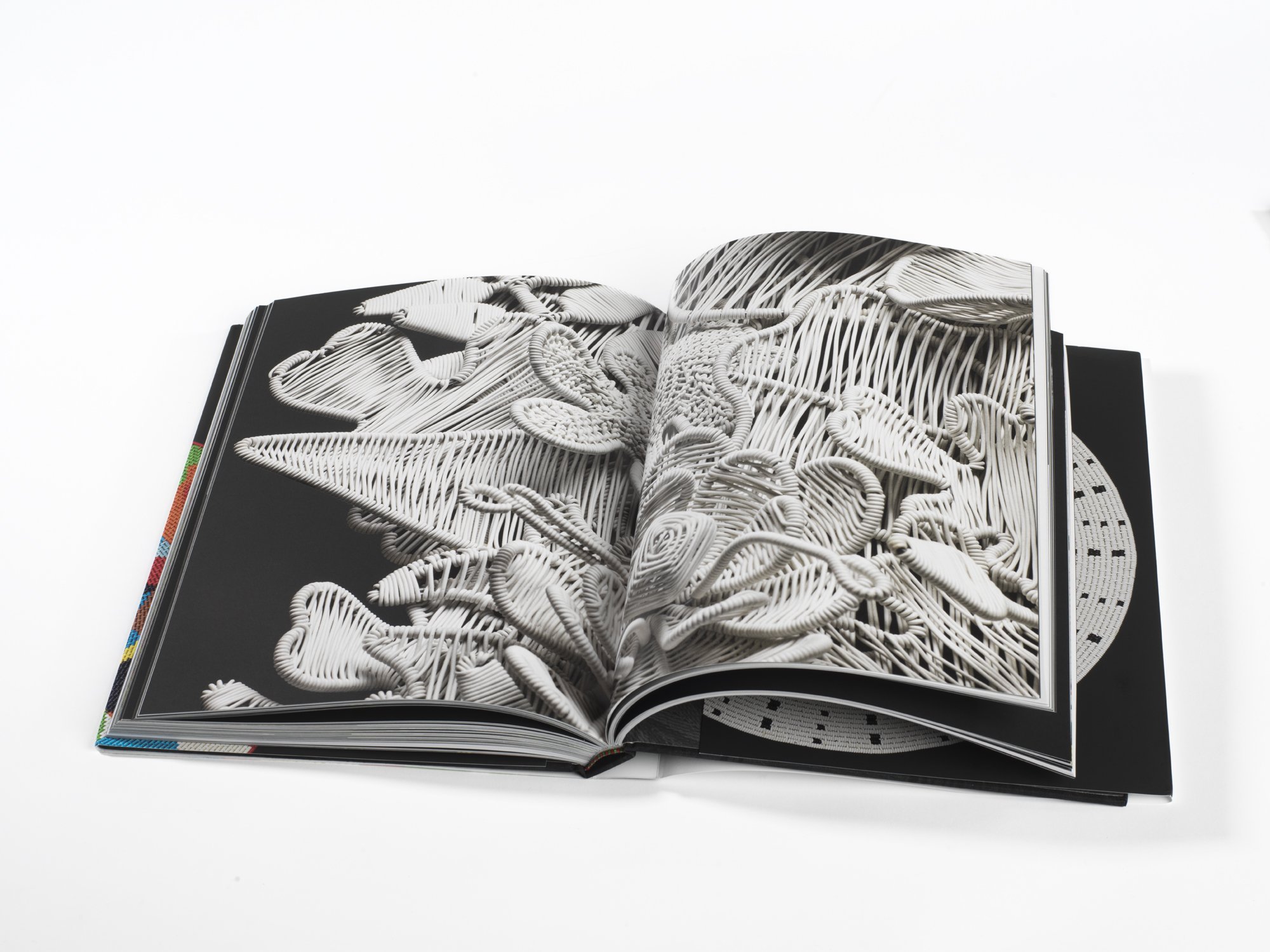
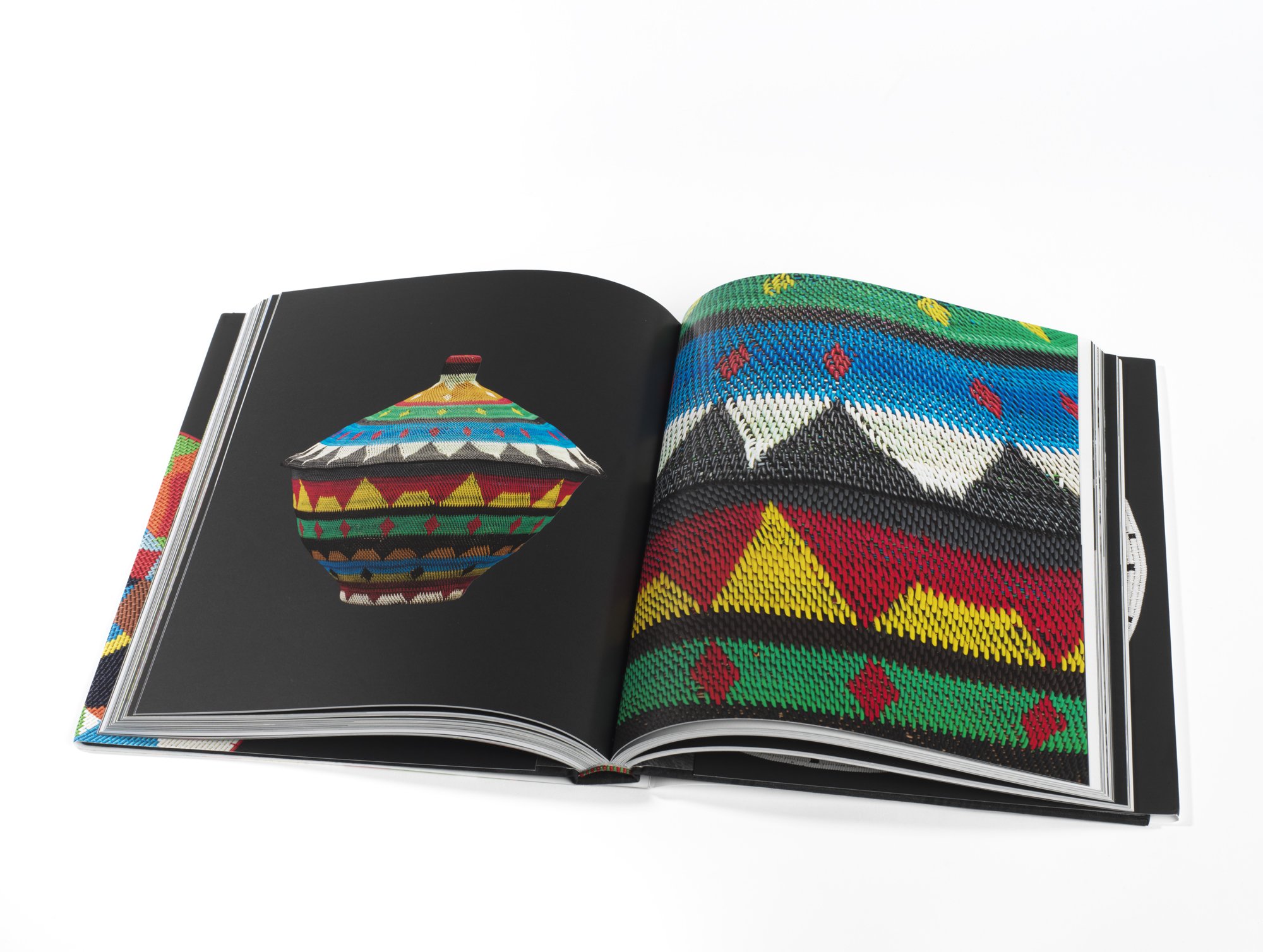
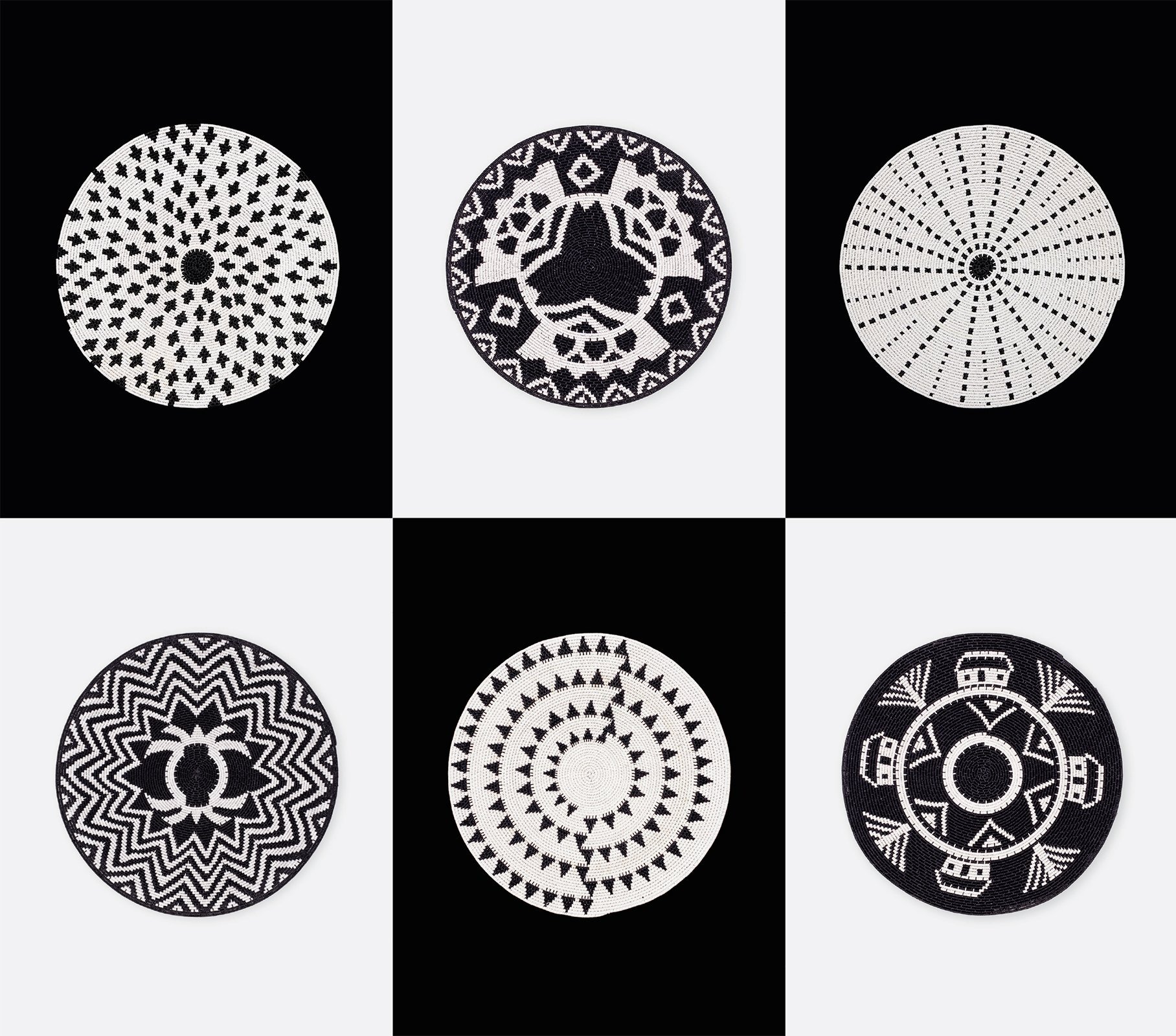
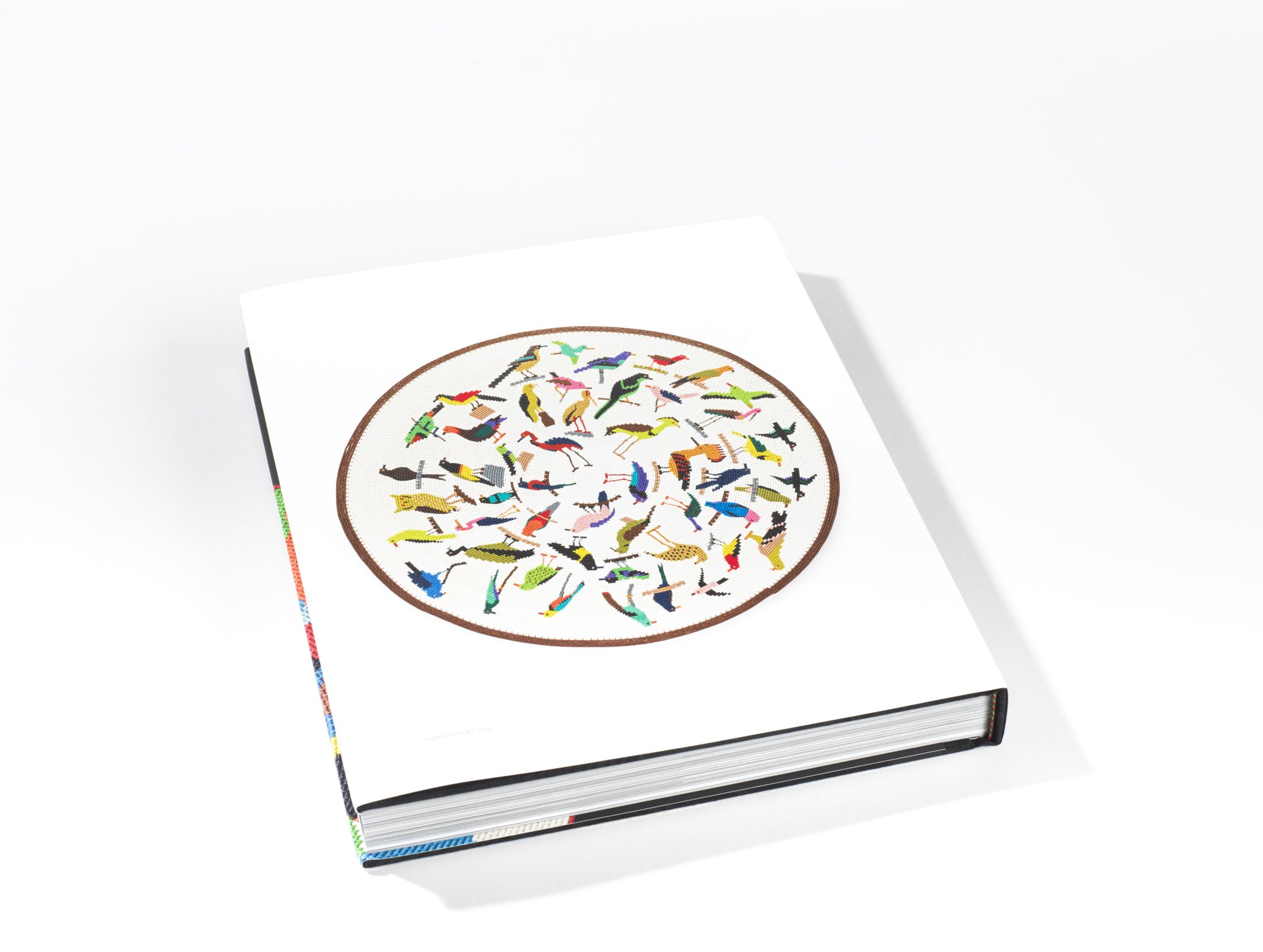
This long-awaited reprint of a sold-out first edition, Wired is the first book to document the development of telephone wire weaving in African art.
With 260 full-color images, Wired showcases the works of the most renowned contemporary weavers, including Dudu Cele, Bheki Dlamini, Alice Gcaba, Zama Khanyile, Mboniseni Khanyile, Ntombifuthi Magwasa, Robert Majola, Zodwa Maphumulo, Simon Mavundla, Elliot Mkhize, Jaheni Mkhize, Alfred Ntuli, Bheki Sibiya, and Vincent Sithole, many of whom have passed away since the publication of the first edition in 2004.
The decorative use of wire has been a feature of African art for centuries. With advancements in telecommunications in the 1960s, a new type of wire became available: multi-colored, plastic-coated copper, referred to as telephone wire. At the time, Zulu night watchmen began to weave scraps of this wire around their traditional sticks. The practice soon became popular among Zulu communities; today, there is great innovation and creativity in the use of the medium. Artists produce objects ranging from soft wire bowls and plates to glass bottle covers, tea sets, isikhetho (beer strainers), and pots, all created in a variety of complex patterns.
Wired includes texts by David Arment, Marisa Fick-Jordaan, and Karel Nel—early enthusiasts and collectors of this art form who have worked not only to expand the market for the artists’ work, but also to provide scholarship and context for the role of telephone wire weaving in traditional and contemporary South African art and craft.
Learn about the limited edition here.

This long-awaited reprint of a sold-out first edition, Wired is the first book to document the development of telephone wire weaving in African art.
With 260 full-color images, Wired showcases the works of the most renowned contemporary weavers, including Dudu Cele, Bheki Dlamini, Alice Gcaba, Zama Khanyile, Mboniseni Khanyile, Ntombifuthi Magwasa, Robert Majola, Zodwa Maphumulo, Simon Mavundla, Elliot Mkhize, Jaheni Mkhize, Alfred Ntuli, Bheki Sibiya, and Vincent Sithole, many of whom have passed away since the publication of the first edition in 2004.
The decorative use of wire has been a feature of African art for centuries. With advancements in telecommunications in the 1960s, a new type of wire became available: multi-colored, plastic-coated copper, referred to as telephone wire. At the time, Zulu night watchmen began to weave scraps of this wire around their traditional sticks. The practice soon became popular among Zulu communities; today, there is great innovation and creativity in the use of the medium. Artists produce objects ranging from soft wire bowls and plates to glass bottle covers, tea sets, isikhetho (beer strainers), and pots, all created in a variety of complex patterns.
Wired includes texts by David Arment, Marisa Fick-Jordaan, and Karel Nel—early enthusiasts and collectors of this art form who have worked not only to expand the market for the artists’ work, but also to provide scholarship and context for the role of telephone wire weaving in traditional and contemporary South African art and craft.
Learn about the limited edition here.
ACCOMPANYING LIMITED EDITION
YOU MAY ALSO LIKE
[His work] is full of large, ambitious, brilliantly executed mosaics full of so many disparate cultural references, snarling faces and masks and intimations of violence that it can initially be hard to focus.[…] To say that he might have discovered his artistic destiny is putting it mildly.
— Roberta Smith, The New York Times
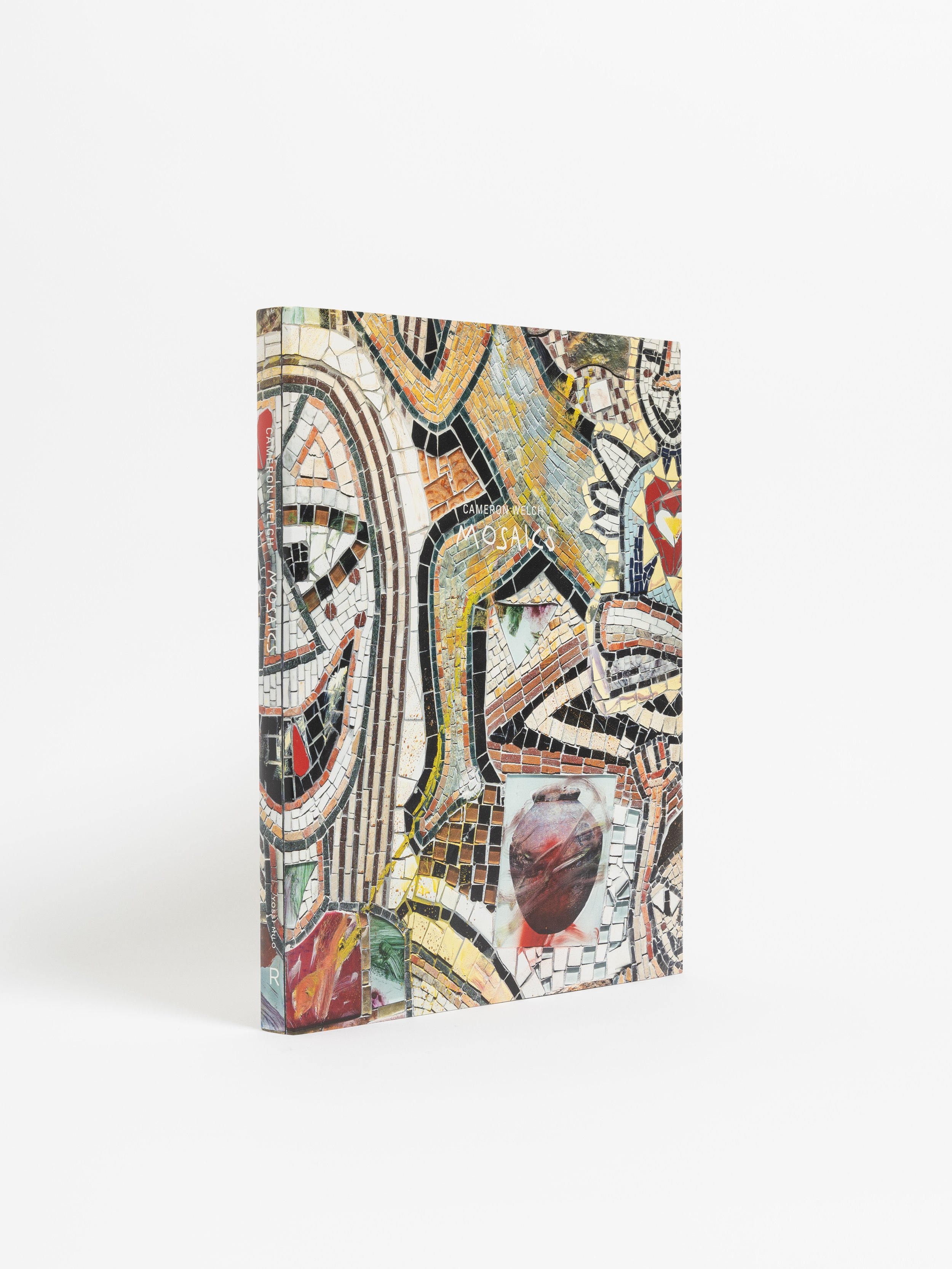
The inaugural monograph of multidisciplinary artist Cameron Welch presents a vivid, comprehensive look into a young artist’s practice. Welch’s work has straddled sculpture, collage, and textiles, but in early 2017, he shifted to mosaic as his primary medium. As a child, the artist was introduced to mosaic by his grandmother, an experience that has a lasting impact on the way he works the age-old medium to piece together disparate materials and histories. Welch treats mosaic as a physical manifestation of intertextuality, referring to the colliding contexts he unearths in the work as a kind of “infiltration.”
While Welch’s chosen medium evokes ancient traditions, the effect of his work is decidedly contemporary. His chaotic, jumbled compositions speak to the same anxiety felt in the Information Age, an era when unlimited information is available at the tap of a screen. Amidst the pictorial chaos of Welch’s mosaics, the figures who emerge range from familiar to foreign, comical to heroic. Frequently depicting himself and figures from his own life, Welch sheds light on unsung histories within the intricate topology of his creations. An incisive essay by Greek and Roman Art scholar Alexis Belis helps readers contextualize Welch’s work within historical and contemporary creative practice.
While success for an artist is often measured by their ability to focus full-time on creating art, this book attests to the way day jobs can spur creative growth by providing artists with unexpected materials and methods…or a predictable paycheck that enables unpredictable ideas.
— Veronica Roberts
Of all the jobs I’ve had, my favorite day and night job is being an artist.
— Howardena Pindell
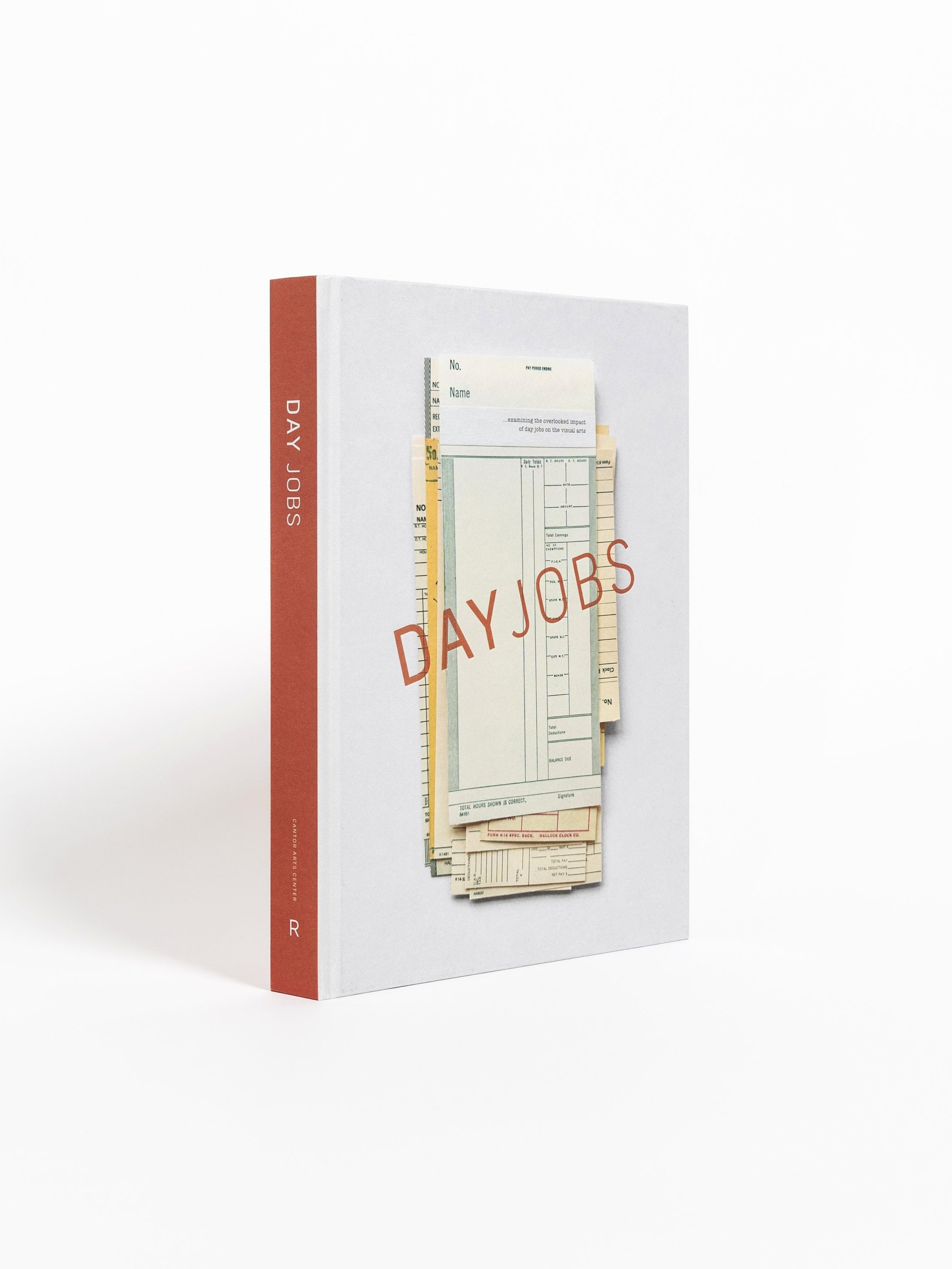
Day Jobs examines the overlooked impact of day jobs on the visual arts. Success for artists is often measured by their ability to quit a day job and focus full time on their practice. Yet these jobs can often spur creative growth by providing artists with new materials and methods, hands-on knowledge of a specific industry that becomes an area of artistic investigation, or a predictable paycheck and structure that enable unpredictable ideas.
The book comprises thirty-nine chapters, one for each included artist, with images of their work, commissioned essays, and interviews. Included are creative pioneers such as Larry Bell, Mark Bradford, Tishan Hsu, Howardena Pindell, and Julia Scher, who offer firsthand accounts of how their day jobs—as a frame shop technician, hair stylist, word processor, museum employee, and security systems installer, respectively—altered their artistic trajectories in surprisingly profound ways.
By examining the impact of day jobs on artists, Day Jobs seeks to demystify artistic production and overturn the romanticized concept of the artist sequestered in their studio, waiting for inspiration to strike. Conceived as a corrective to traditional art historical narratives, this book encourages us to more openly acknowledge the precarious and generative ways that economic and creative pursuits are intertwined.
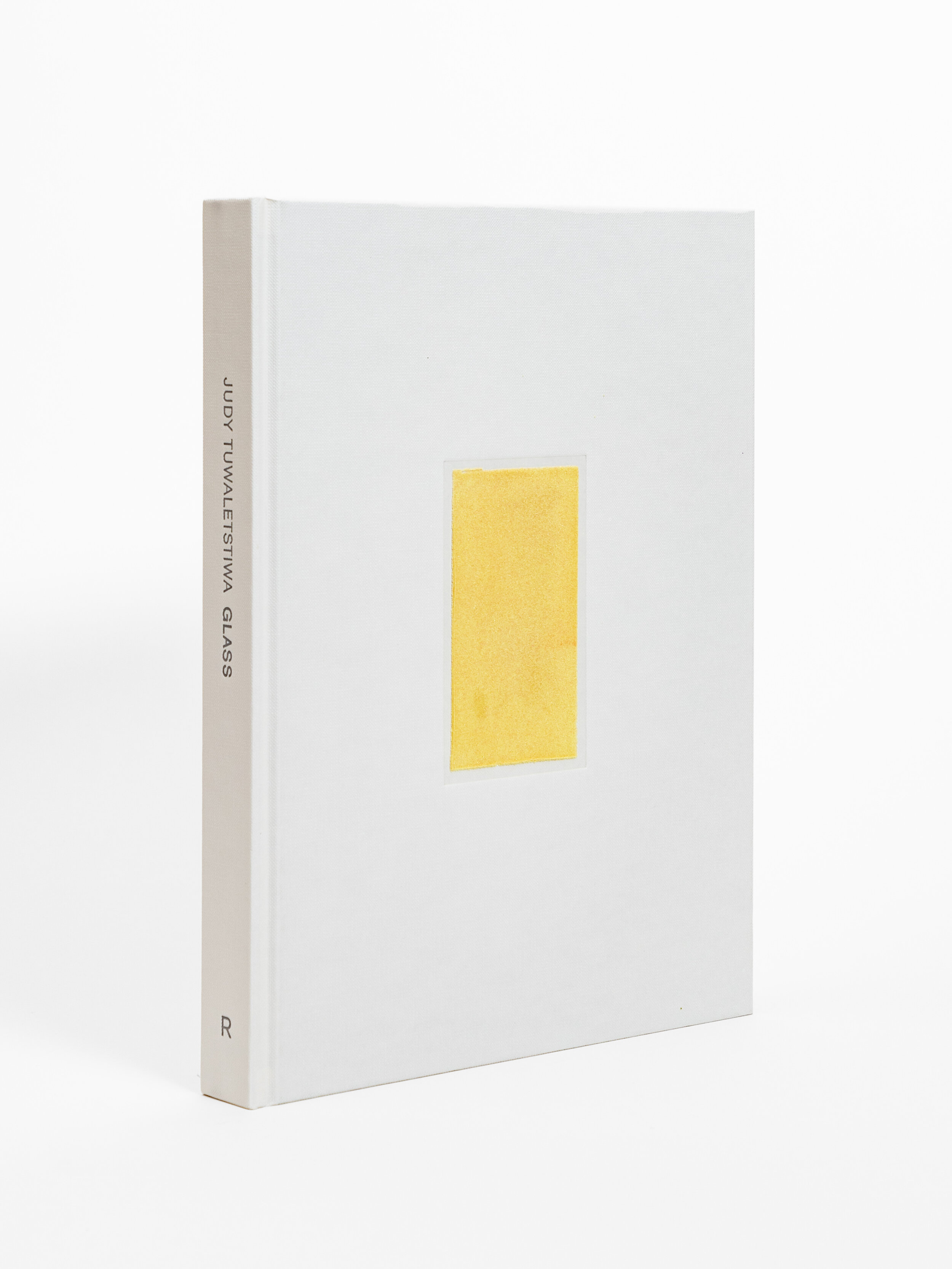
As an artist, I give images form, making breath visible. While painting, writing, and working with glass, I pay attention to the possibly transformative gift of an image.
— Judy Tuwaletstiwa
Near White Sands, New Mexico, on July 16, 1945, at 5:29:45 am Mountain War Time, a nuclear fireball sucked the white sand of the Jornada del Muerto desert high into a still dark sky. The melted sand returned to the earth as a rain of molten glass. Scientists named these glass shards Trinitite, after the site, Trinity. At the time, artist Judy Tuwaletstiwa was 4 years old. Haunted by the specter the United States released in detonating atomic bombs in New Mexico, Hiroshima and Nagasaki, Tuwaletstiwa turned to sand and fire to explore this primal creative/destructive act.
The artist writes: “The raw material that becomes glass holds an interaction of wind, water, fire and earth, the organic creative process lived over geologic time. This transformative process continues to live in my studio through how I work with glass.” A follow-up book to her sold-out Mapping Water (2007), Glass weaves a story of her discoveries and explorations while working with glass over the past four years based on her work over the past 45 years in fiber, paint and writing. Tuwaletstiwa’s use of glass on canvas and paper is at once refined and surprising—a truly revolutionary response to a well-known medium. The highly personal combination of text and images in this book bridges fine art and craft, technology and nature, the political and the aesthetic, the conceptual and the material.
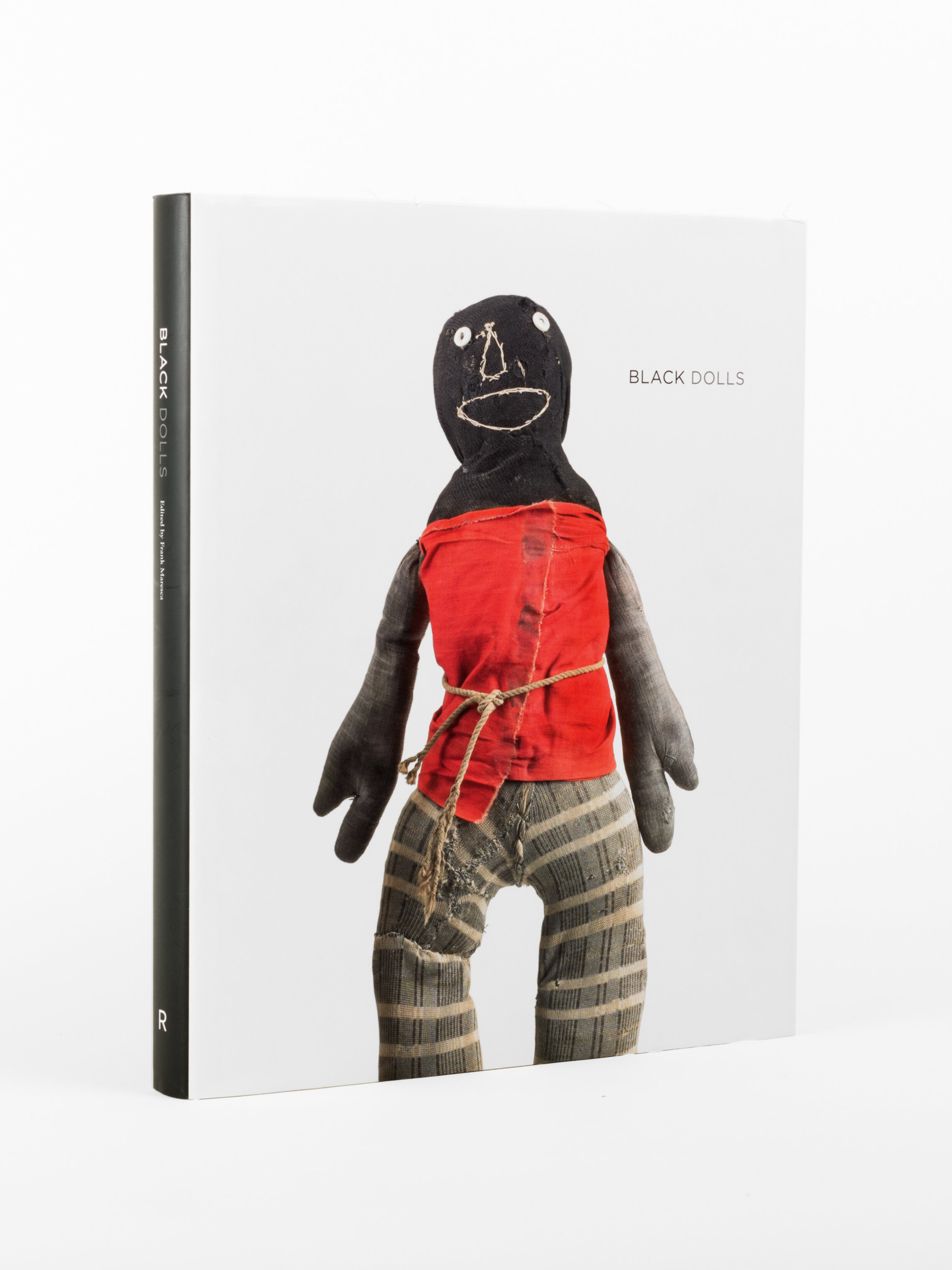
They invite us into a space where objects, stories, and people are made and remade; restored and reenvisioned every day of our lives.
– Margo Jefferson
Edited by Frank Maresca
Texts by Margo Jefferson, Faith Ringgold, Lyle Rexer
Photography by Ellen McDermott
Collection of Deborah Neff
Clothbound with jacket
12 x 9.75 inches
232 pages / 44 color images / 32 duotone images
ISBN: 9781934435892
Co-published with the Mingeo International Museum
Trade: $45.00Now Rare: $250 $500
-
Texts by David Arment, Karen Nel, Paul Mikula, and Marisa Fick-Jordaan
Edited by David Arment & Marisa Fick-JordaanHardcover
9.25 x 12.25 inches
254 pages / 260 images
ISBN: 9798890181008
This limited edition is produced on the occasion of Wired: Contemporary Zulu Telephone Wire Baskets (2025).
Custom wire sculpture (choice of color) in handmade fabric box
Designed by Marisa Fick-Jordaan in collaboration with Zulu telephone wire artists
Edition of 12
$2,500
All editions are accompanied by a copy of Wired. All proceeds directly support the title’s production and programming.
Learn more about the book here.